 Search


- Kazakhstan is accelerating its transformation through 24 energy investment agreements
- 3.8 GW of new installed capacity will reshape its energy landscape
In the wind farm control room on the outskirts of Almaty, engineer Yelbo is staring at the jumping numbers on the screen - the electricity load curve of the area monitored by his team has been climbing almost continuously for the past year. This is not only his personal intuition, but also a microcosm of the energy transformation that Kazakhstan is currently experiencing. With the recovery of the economy and the advancement of industrialization, the electricity demand of the largest economy in Central Asia continues to rise, while traditional power plants that have supported it for half a century are becoming increasingly inadequate. Power generation equipment with an average aging rate of up to 56% is like an elderly person struggling to keep up with the pace of the times.
A top-down energy reshaping has begun.
3.8 gigawatts of newly installed capacity and energy storage
On August 11, 2026, a list of energy investments attracted widespread attention at a meeting of the Fuel Energy Complex Public Committee. The list shows that Kazakhstan has completed 9 energy investment agreements so far, with a cumulative increase in installed capacity of 963 megawatts. These projects are mainly used for the modernization, expansion, and reconstruction of existing energy facilities.
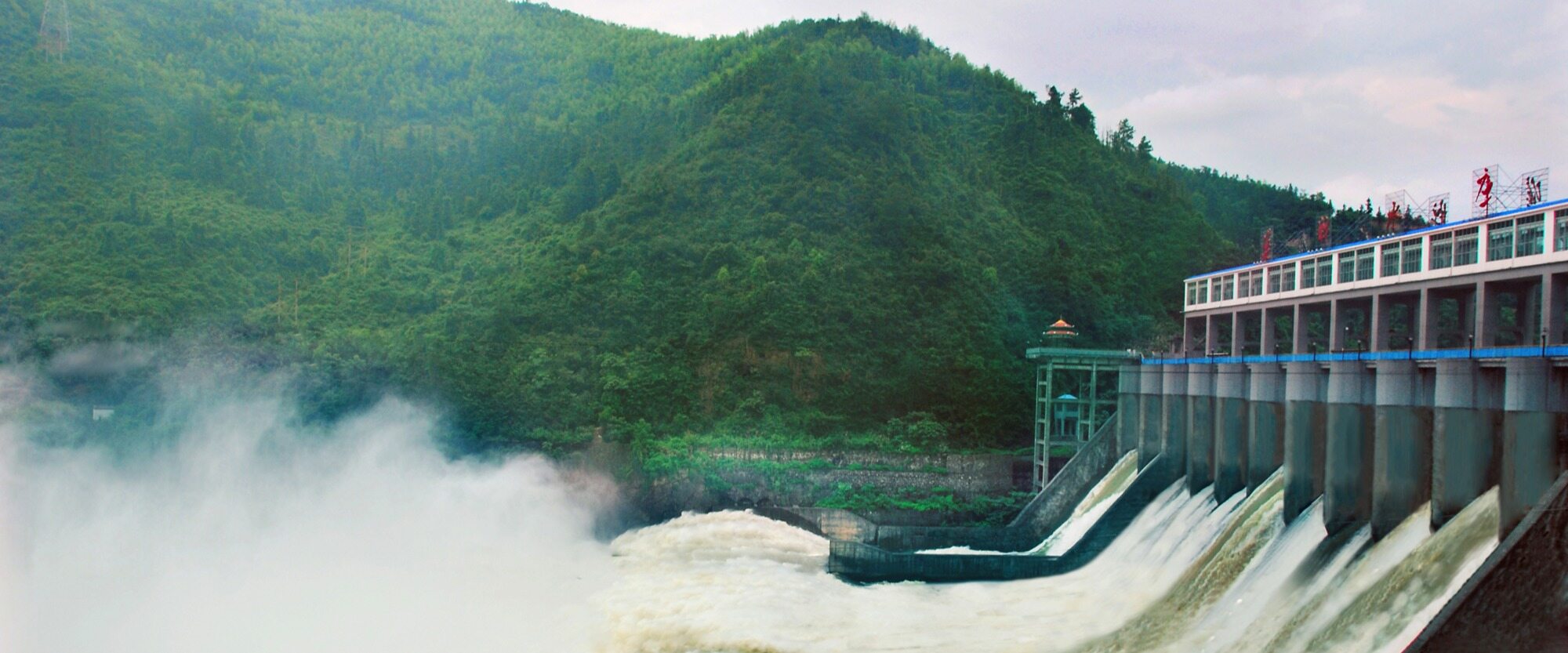
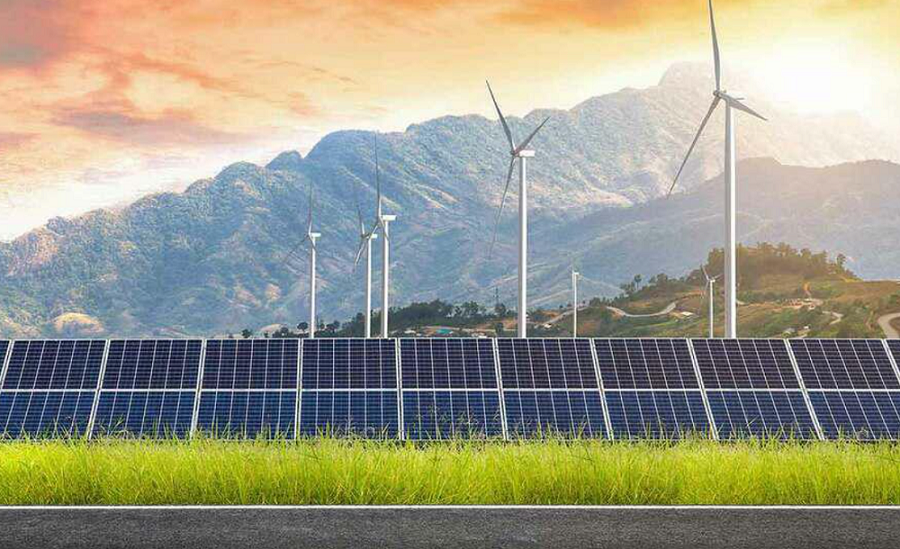
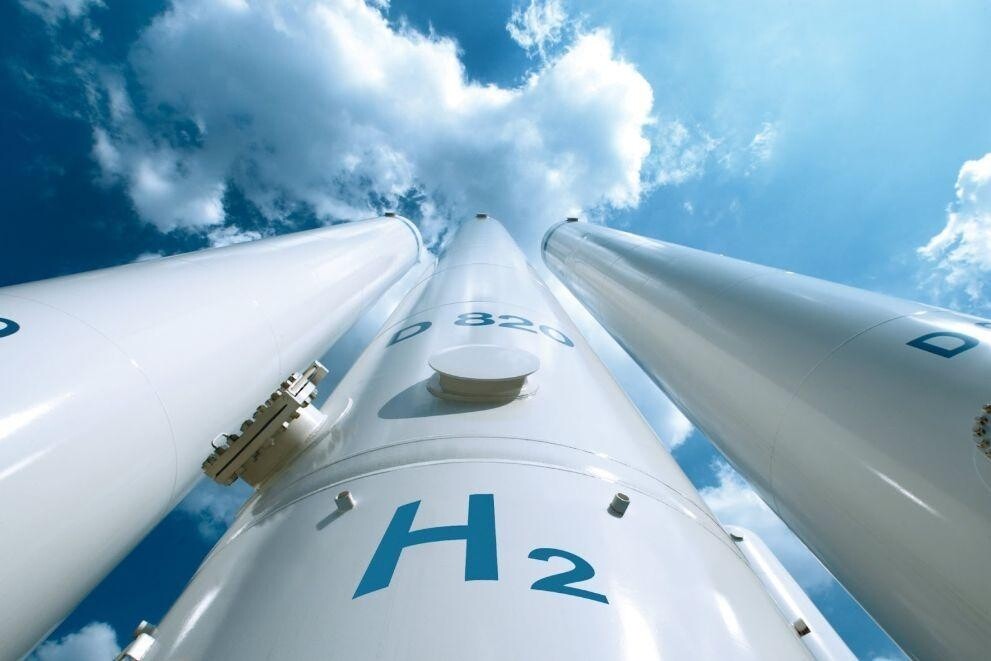
What is even more worth looking forward to is that another 15 investment agreements are being simultaneously promoted, with an overall planned increase in installed capacity of 3.8 gigawatts. These 24 agreements cover multiple cutting-edge fields such as solar energy, wind energy, hydropower, hydrogen energy, and battery energy storage systems.
From wind power bases along the Caspian Sea coast to photovoltaic matrices in the southern desert, from cascade hydropower stations on the Irtysh River to the planned green hydrogen pilot, Kazakhstan's energy puzzle is being pieced together piece by piece.
Traditional facilities need to be upgraded
The driving force behind this transformation is the increasingly urgent supply-demand imbalance.
On the one hand, the growth rate of domestic electricity consumption continues to exceed expectations, with both industrial and residential electricity consumption increasing. On the other hand, the aging problem of existing power generation equipment has become a bottleneck restricting stable power supply. A 56% average aging rate means that more than half of the units are approaching or exceeding their designed service life, and an increase in failure rates and a decrease in efficiency have become the norm.
To solve this dilemma, Kazakhstan is implementing a national energy infrastructure modernization plan covering the period from 2025 to 2029. The plan will focus on upgrading energy and public utilities, including the renovation and reconstruction of at least 30 cogeneration power plants. This is not only an equipment update, but also an efficiency revolution for the entire power production system.
Energy storage matching becomes key
If the new energy project is the vanguard of Kazakhstan's energy transformation, then the energy storage system is the logistics center that ensures the stable operation of this vanguard force.
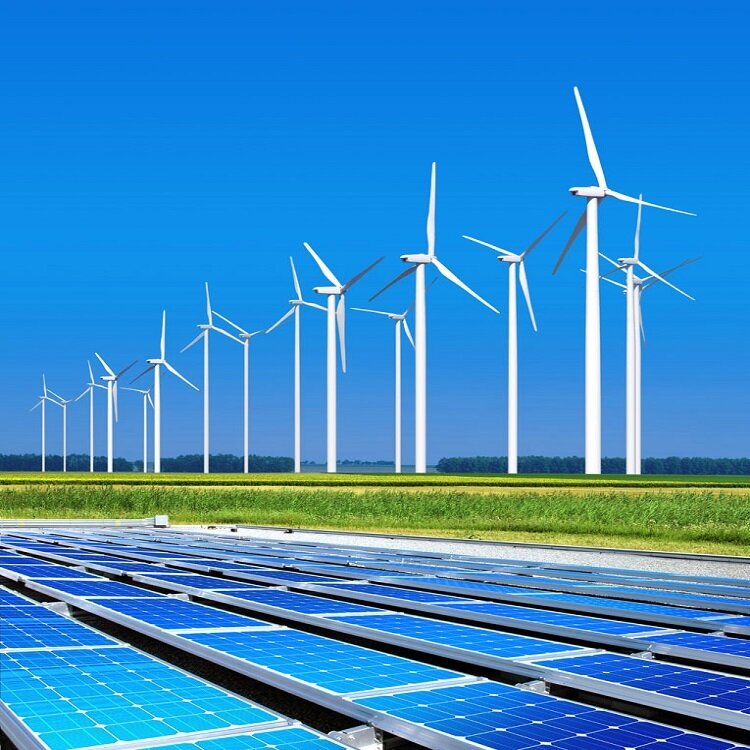
Wind power and photovoltaics have natural intermittency, and the peak of power generation is often misaligned with the peak of electricity consumption. To this end, Kazakhstan is accelerating the deployment of battery energy storage systems while promoting wind and photovoltaic projects to enhance the grid's regulation capabilities and mitigate the impact of new energy fluctuations on the grid.
At the same time, hydrogen energy, as an important direction for future energy, has also been included in the investment map. Hydropower, with its peak shaving advantage, continues to play a key role in ensuring the stability of the power grid.keywords:New energy information network
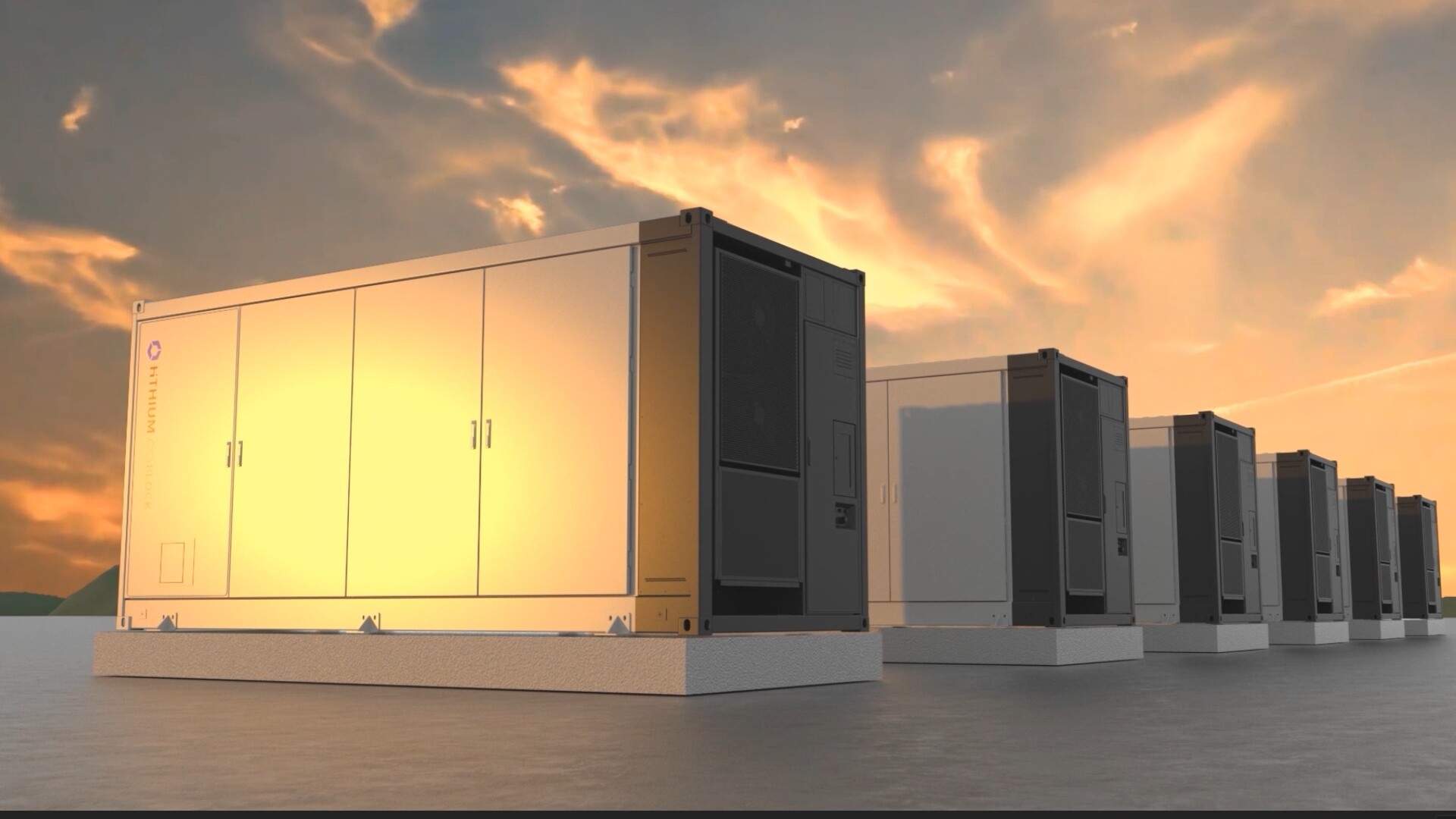
It can be foreseen that with the gradual implementation of the 3.8 GW new installed capacity project in the coming years, Kazakhstan will form a complete industrial chain covering new energy development, energy storage support, and traditional energy upgrading. From equipment manufacturing to power infrastructure construction, from technical cooperation to operational services, this vast land is opening a new door for global energy investors.Editor/Yang Meiling
Comment




 Praise
 Collect
 Comment

 Share
Share


Write something~