 Search


- Europe accelerates electrification, leading to a deep structural adjustment in the automotive industry
- The penetration rate of new energy vehicles is increasing, and the market development of various countries is showing differentiation
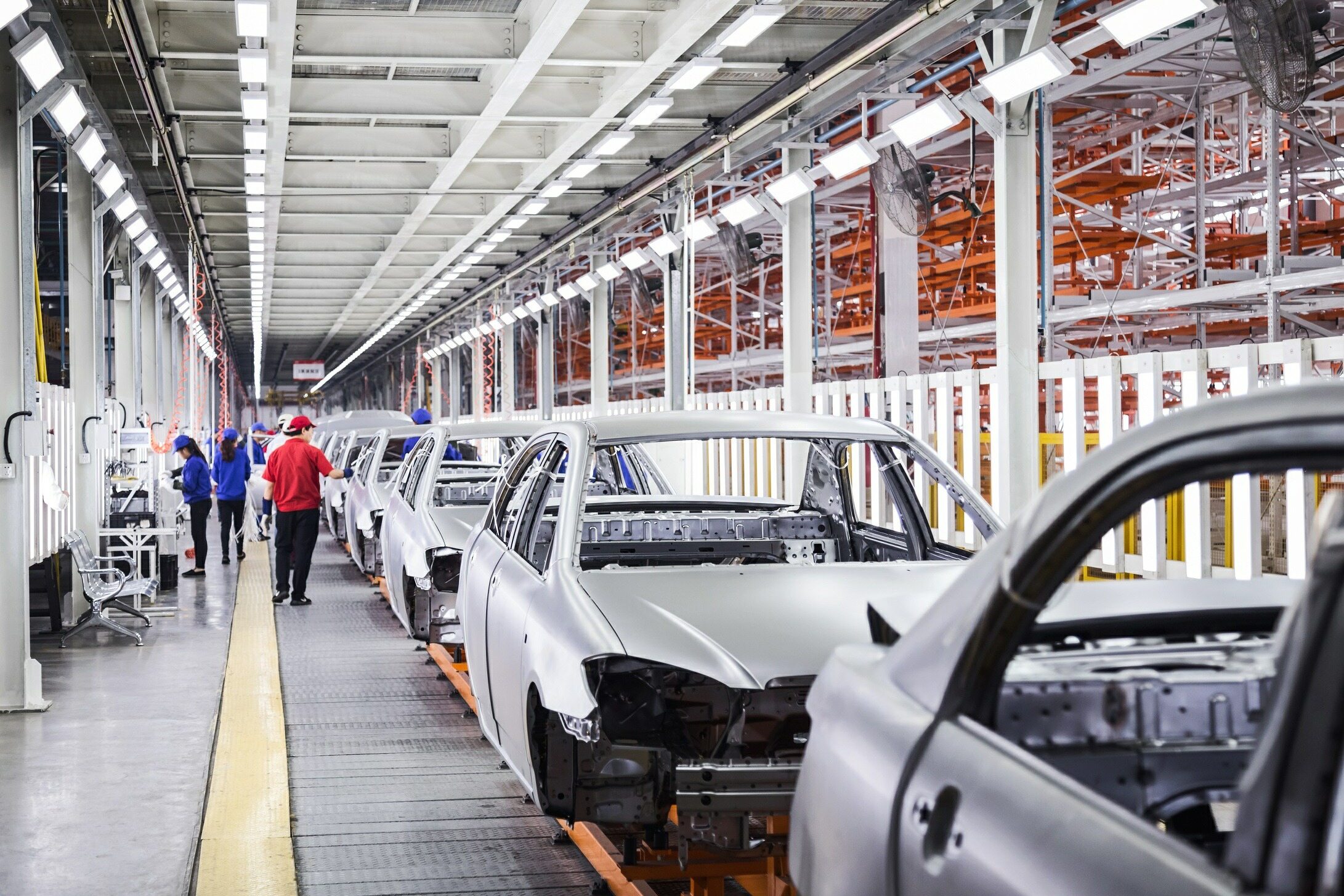
Europe, which once defined industrial civilization with the roar of engines, now echoes the low hum of electric drive in workshops. The century old automotive landscape is being redrawn, with production, capital, and supply chains deeply reshuffled in the wave of electrification, the old order loosening, and new forces breaking through.
The wave of electrification has begun
At present, the pace of electrification in the European automotive industry is constantly accelerating. European automobiles are undergoing a comprehensive restructuring of production, investment, and industrial chains, which not only affects the future pattern of the industry but also tests its global manufacturing competitiveness.
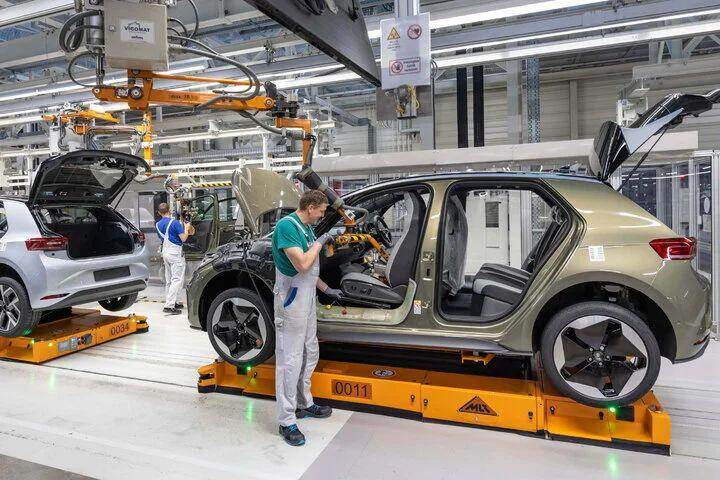
The European new energy vehicle market is growing rapidly. According to data from the European Automobile Manufacturers Association, the number of new car registrations in the European Union increased by 5.7% year-on-year in the first half of 2026, with 1.221 million pure electric vehicles registered and a market share of 20.7%; The total share of diesel, gasoline and oil vehicles has declined to 29.7%. At the national level, the registration volume of pure electric vehicles in France and Germany increased by 62.9% and 48% respectively year-on-year, indicating strong electrification momentum in France. By 2025, the production of passenger cars in France will reach 1.011 million units, with pure electric and hybrid models accounting for over half of the total. Keywords: electrification transformation, European automobiles, power batteries, industrial chain restructuring
Reshaping the industrial landscape
Electrification drives the extension of the industrial chain, and power batteries and energy replenishment services attract a large amount of investment. Chinese battery company Guoxuan High tech plans to invest in battery projects in Spain, and the local special plan has leveraged over 3 billion euros, benefiting nearly 400 companies.
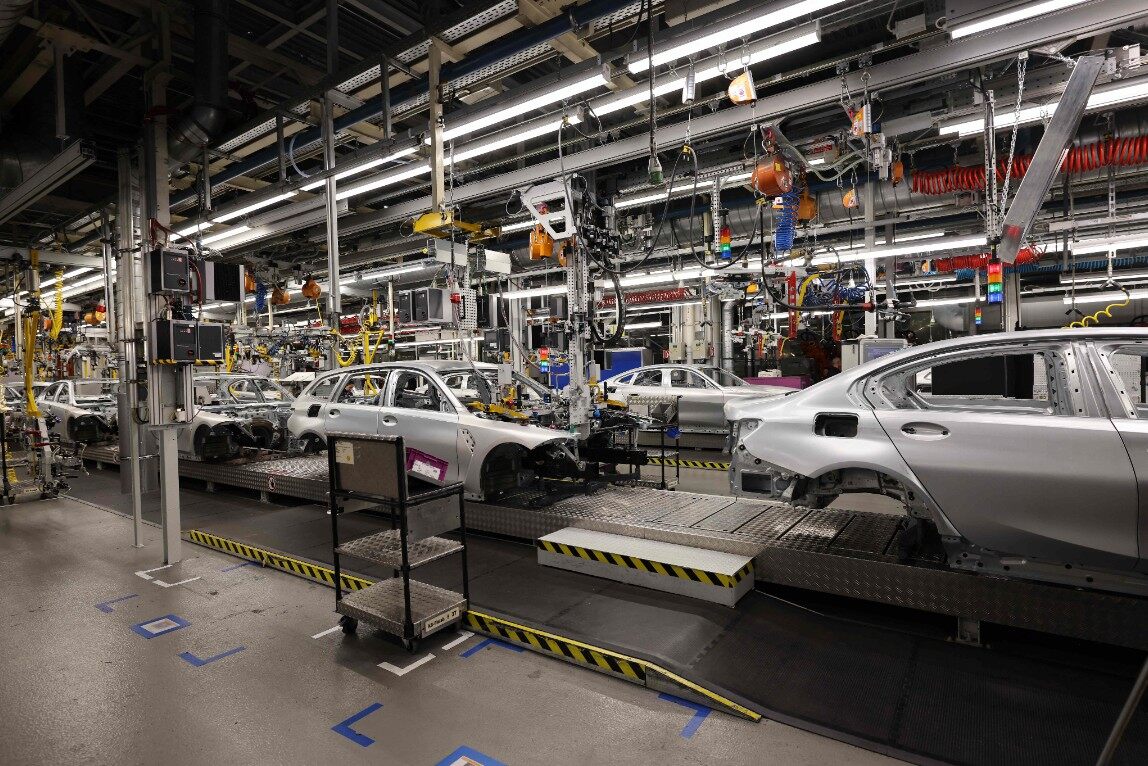
Under the transformation, the traditional automotive industry in Europe is under pressure. Affected by taxes and high energy costs, the German automotive industry is under significant pressure, and institutions predict that 225000 jobs may be lost by 2035, with new energy employment shifting outward. Italian car production is recovering, and Spain is attracting investment through battery projects to create jobs. Experts say that there is uneven development in the transformation of European automobiles, with prominent supply chain pressures and opportunities for new energy development in some regions.Editor/Gong Ziwei
Comment

 Praise
 Collect
 Comment

 Share
Share


Write something~