 Search


- The implementation of the national standard for single unit multimodal transport reduces logistics costs and speeds up

Recently, the multimodal transport industry has reached a milestone moment. The national standard "Multimodal Transport Document Business Process Specification" has been officially implemented, filling the gap in the unified process of domestic transport documents. In the past, when goods were transferred from highways to railways and from railways to water transportation, every time the transportation method was changed, it was necessary to create new documents and repeatedly verify them. Pain points such as lack of document interoperability, data sharing, and unclear responsibilities have long plagued the development of the industry. Nowadays, a standardized intermodal transport document will run through the entire process, with unified standards for cargo tracking, responsibility definition, and information flow. China's multimodal transport has officially entered a new stage of standardized development with full process standardization and full chain traceability.
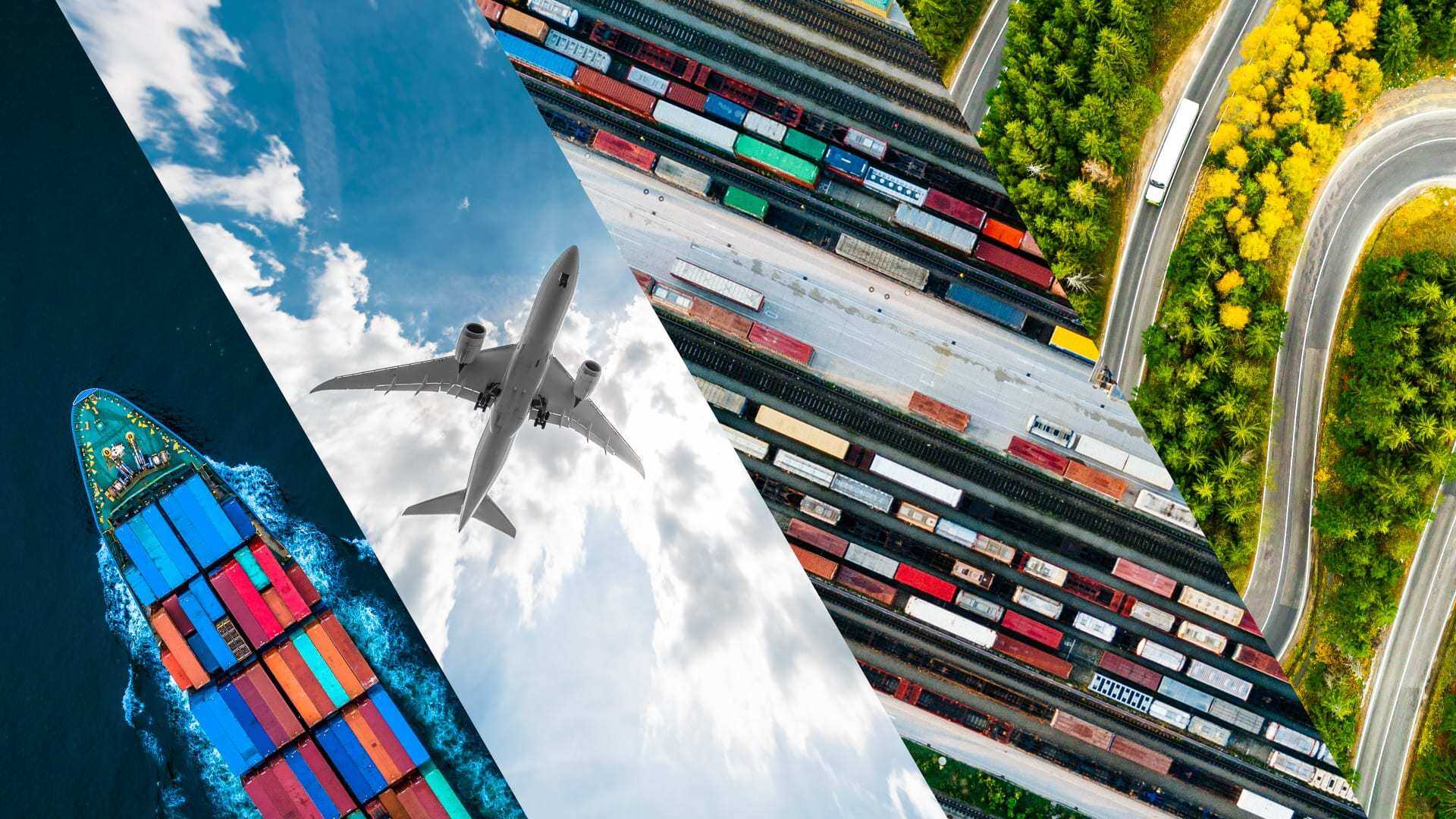
Full coverage of the three major intermodal modes
The new standard takes into account both domestic and international intermodal transportation scenarios, focuses on mainstream transportation modes in the market, and specifically regulates the three mainstream intermodal transportation businesses of container rail intermodal transportation, iron rail intermodal transportation, and air land intermodal transportation, adapting to the vast majority of domestic and cross-border intermodal transportation scenarios. The standard clearly defines the responsibilities of multimodal transport operators, carriers, shippers, consignees and other parties, unifies the entire process of booking, transportation, customs declaration, delivery and other operational standards, and adds special requirements for international intermodal customs sealing and cross-border clearance to meet the logistics needs of cross-border trade. The standard focuses on the three core links of business delegation, transportation transfer, and goods delivery, standardizing key data such as goods information, transportation plans, cost insurance, customs reporting, and goods status.
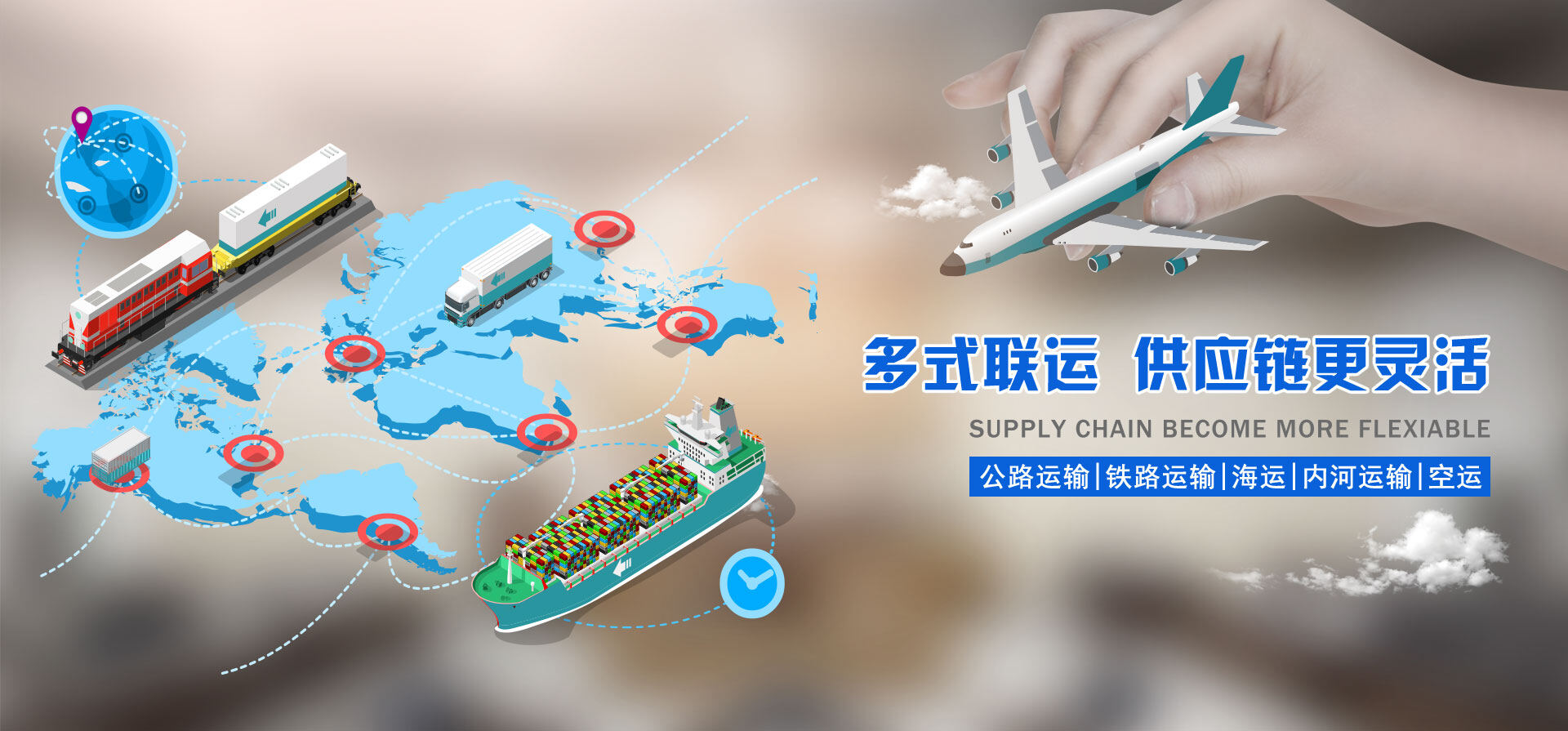
Cracking the industry's long-term pain points
Previously, there was a lack of uniformity in document formats, operational processes, and information standards across different transportation sectors in China. In cross modal transportation, issues such as duplicate document creation, repeated verification, and information fragmentation occurred frequently, which not only increased the manpower and time costs of logistics enterprises, but also easily led to difficulties in tracking goods and defining responsibilities, seriously restricting the large-scale and standardized development of multimodal transportation. The new standard realizes full process information exchange and full process traceability, laying a solid foundation for the electronic and digital transformation of multimodal transport. Unified standards significantly reduce the costs of document production, docking, and verification, lower business error rates, simplify cross transportation mode docking processes, and help enterprises create standardized one-stop logistics services. Keywords: Strategic News Network, Logistics, Multimodal Transport
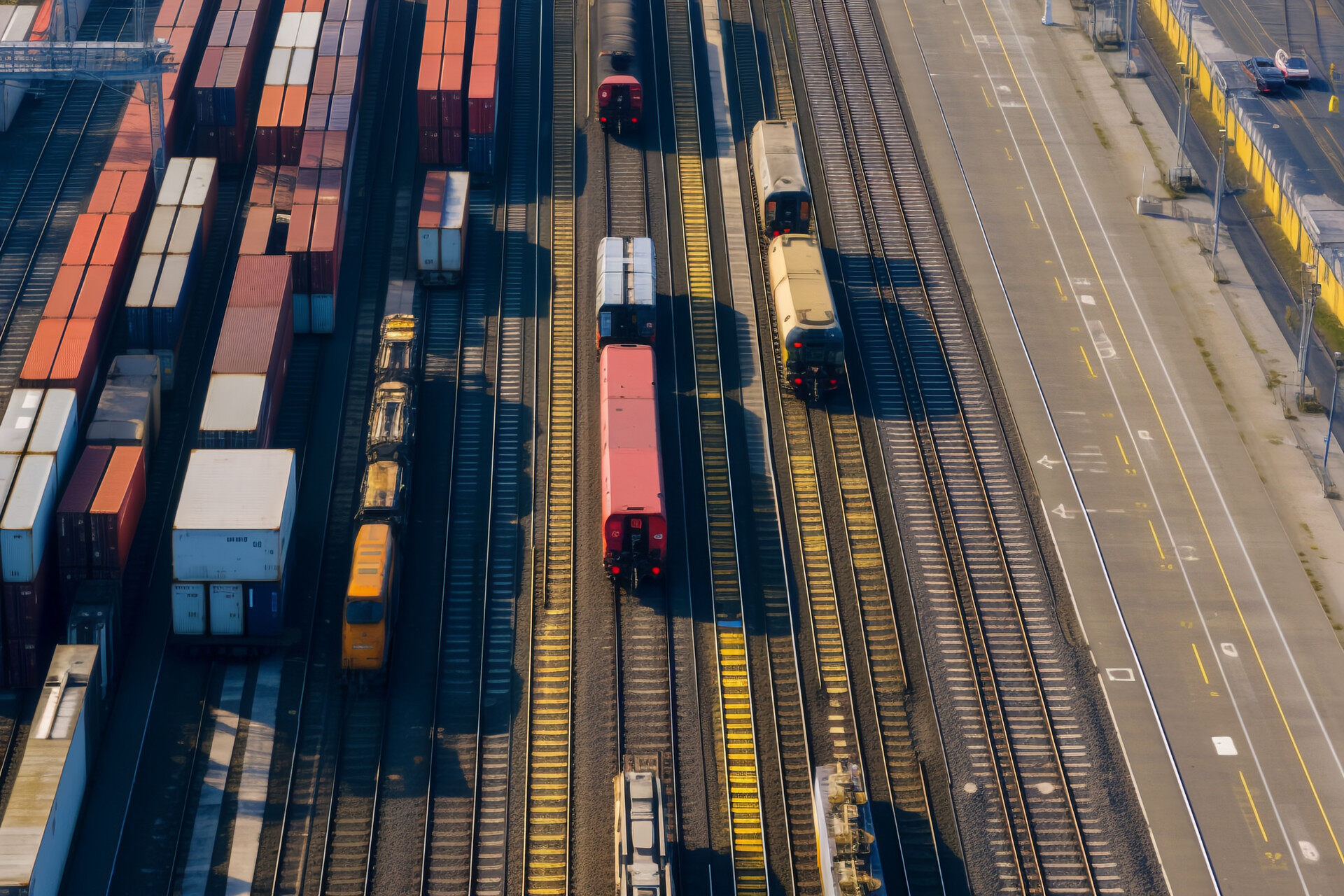
Continuous improvement of the standard system
The implementation of the national standard for documents this time is an important part of China's multimodal transport standardization construction. Since the 14th Five Year Plan, relevant departments have issued more than 30 national standards for multimodal transport, covering multiple core areas such as cargo classification, transport units, traffic volume statistics, and information exchange. The new standards effectively break down the barriers to the connection between public transportation, iron transportation, and air transportation, promote the transformation of multimodal transport from fragmented collaboration to standardized and integrated collaboration, and continuously compress the logistics costs of the whole society. In the future, important standards such as safety inspections for iron rail intermodal transportation and electronic waybills for multimodal transportation will be gradually introduced, and a comprehensive and three-dimensional multimodal transportation standard system will be continuously improved to support the high-quality development of the transportation and logistics industry in the long run. Adapt standards to cross-border intermodal transportation and customs supervision scenarios, promote the connection between domestic logistics standards and international logistics, and assist in the efficient operation of cross-border logistics channels such as China Europe freight trains and the Western Land Sea New Corridor.Editor/Gao Xue
Comment





 Praise
 Collect
 Comment

 Share
Share


Write something~