 Search


- The release of policy dividends tests the comprehensive landing ability of the new energy market
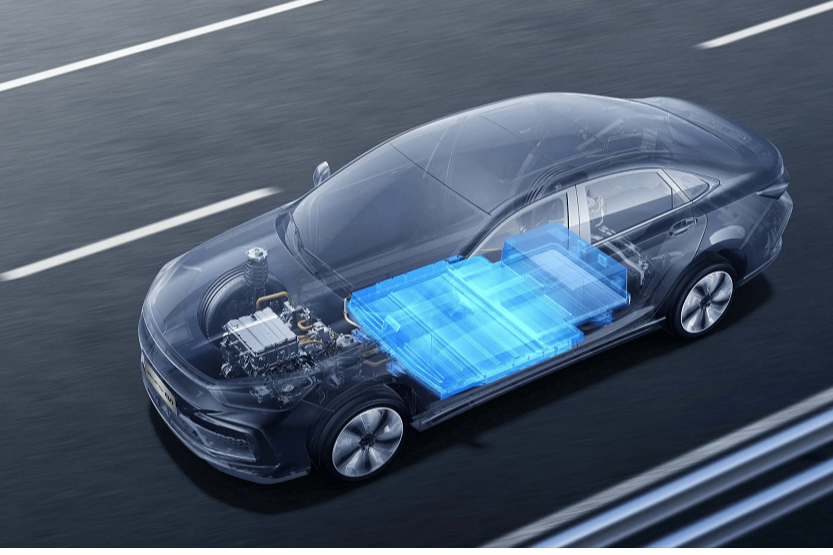
Local market car buyers are concerned about the difficulty of power outages and charging. Even with the favorable tax and fee reductions, insufficient electricity supply remains a real pain point that restricts the popularization of electric vehicles, and also points out the direction for overseas Chinese enterprises to enter the business.
Tax exemption policy implemented
In the first half of 2026, Nigeria was granted tax exemptions for nearly 4000 electric vehicles, and from July 1, 2026, import tariffs on electric vehicles will be reduced to 0. The country will have a grid connected installed capacity of 13625 megawatts in April 2026, with an average dispatchable capacity of only 4286 megawatts, resulting in a prominent power supply gap. By the end of 2025, there will be approximately 48 public charging stations nationwide, with electric vehicles accounting for less than 1% of the national fleet. Commercial two three wheeled vehicles and enterprise fleet scenarios have priority for monetization potential, and the battery swapping rental model is more suitable for local market demand.
The direction of Chinese enterprises going global
The simple import mode of the whole vehicle is not suitable for the local environment. Chinese enterprises can prioritize the layout of high mileage commercial fleets, package supporting energy solutions, and then promote local assembly investment. Enterprises can carry out a 90 day pilot verification to understand tax certification and energy costs, and seize market opportunities by relying on the after-sales system of station swapping and energy storage. We need to continue to track the implementation of policies and laws and the actual delivery of terminals in the future.Editor/Min Jing
Comment






 Praise
 Collect
 Comment

 Share
Share


Write something~