 Search


- Road network expansion promotes regional connectivity in Southeast Asia
- The implementation of the new plan outlines a new vision for Vietnam's railway connectivity with the outside world
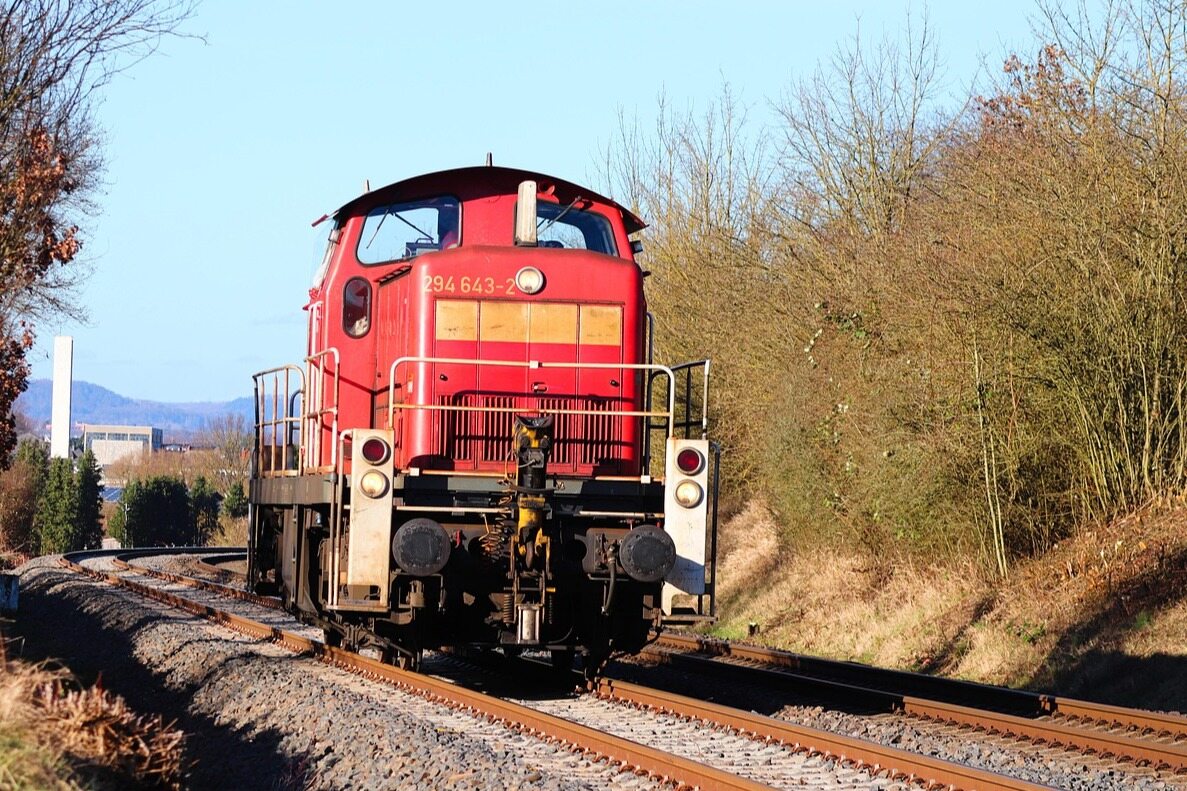
The Vietnamese Ministry of Construction has issued a resolution to adjust the national railway network plan, with plans to add multiple standard gauge lines and prioritize connecting with neighboring countries. The Lao Cai Hanoi Coastal Defense Project has simultaneously seen an increase in investment, and financial pressure has also emerged, leading to a large-scale reshaping of Vietnam's railway landscape.
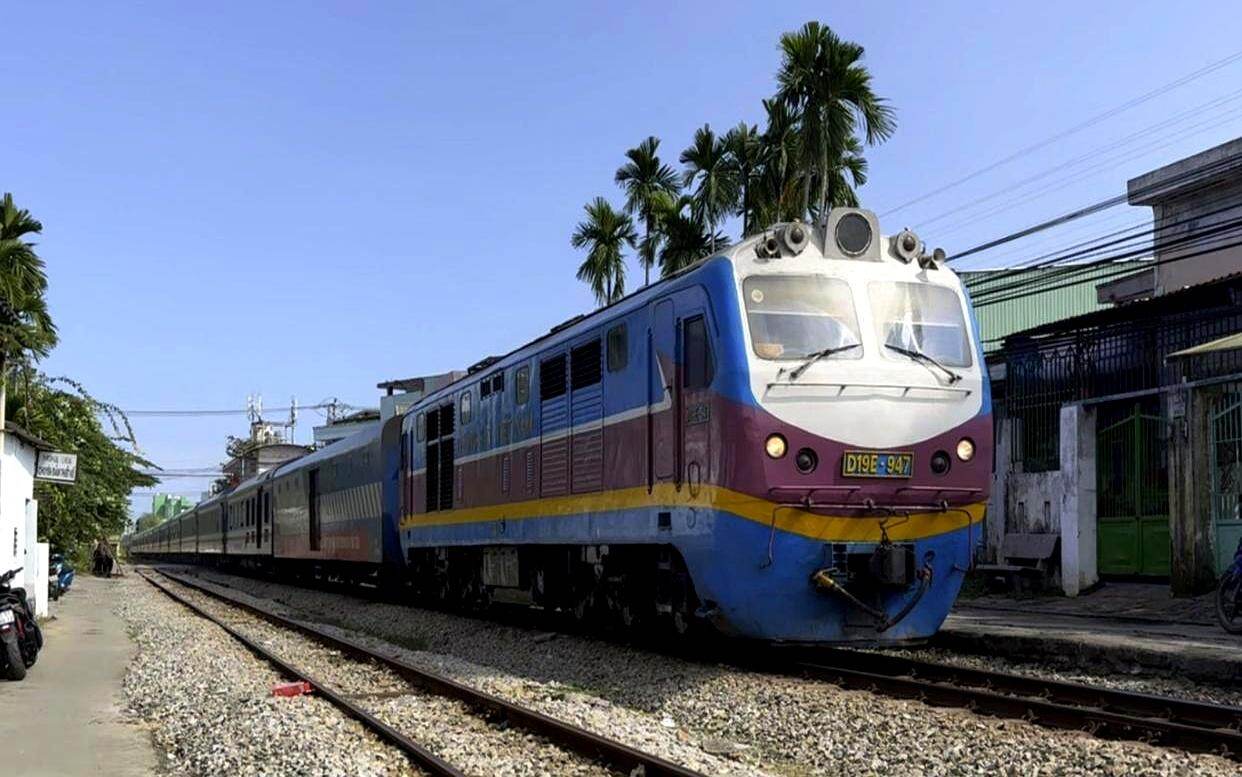
Road network expansion and upgrading
Vietnam currently has 7 railway lines with a total length of 2510 kilometers, with the core being the 1726 kilometer north-south mainline from Hanoi to Ho Chi Minh City. The new version of the planning approval adds 16 1435mm standard gauge railways and simultaneously lays out two high-speed railway lines, the North South High Speed Railway, Hanoi Guangning High Speed Railway. Some lines are planned to start construction before 2030, while the remaining 6 will be implemented after 2030, covering multiple key areas in the north, central, and southern regions, and filling the gaps in the domestic rail network.
Open up cross-border channels
The key focus of the plan is to promote railway connections with China, Laos, and Cambodia, relying on the Longmang Street in Laojie, Hanoi, Haiphong, and Xiahaiphong to connect with China. The Meishui Laobao Railway connects with Laos, and the Xining Railway in Ho Chi Minh City reserves a passage to connect with Cambodia. The Laojie Hanoi Haiphong Railway has added an investment of 86.1 trillion Vietnamese dong, approximately 3.3 billion US dollars, and added an 8.4 kilometer Yanyuan Jialin connection section. Some sections have been converted to full double tracks to enhance cross-border logistics capacity. Under the large-scale expansion, project funding pressure has become a pressing issue that Vietnam urgently needs to address. Keywords: Vietnam railway planning, cross-border rail connectivity
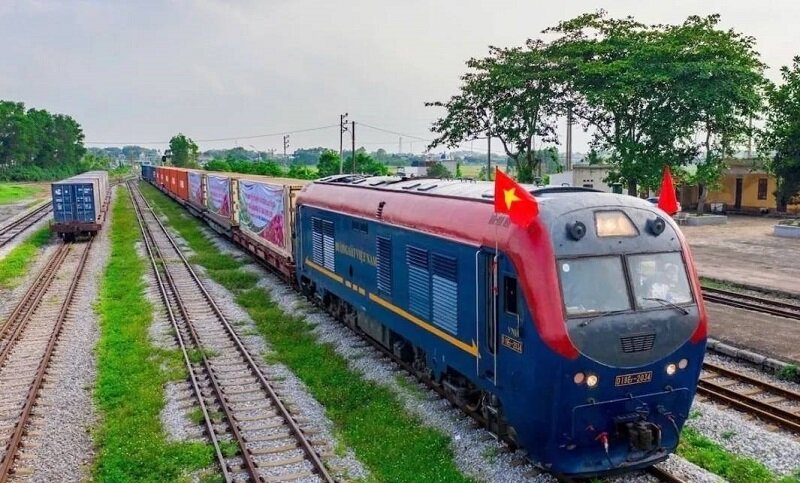
This planning adjustment promotes the transformation of Vietnam's railway from domestic passenger and freight transportation to cross-border logistics channels, supports the construction of multilateral connectivity in Southeast Asia, and creates new transportation conditions for regional economic and trade exchanges.Editor/Min Jing
Comment



 Praise
 Collect
 Comment

 Share
Share


Write something~