 Search


- Innovative mixed road rights model significantly reduces travel time between cities
- Africa ushers in high-speed rail era, Morocco builds regional modern transportation model
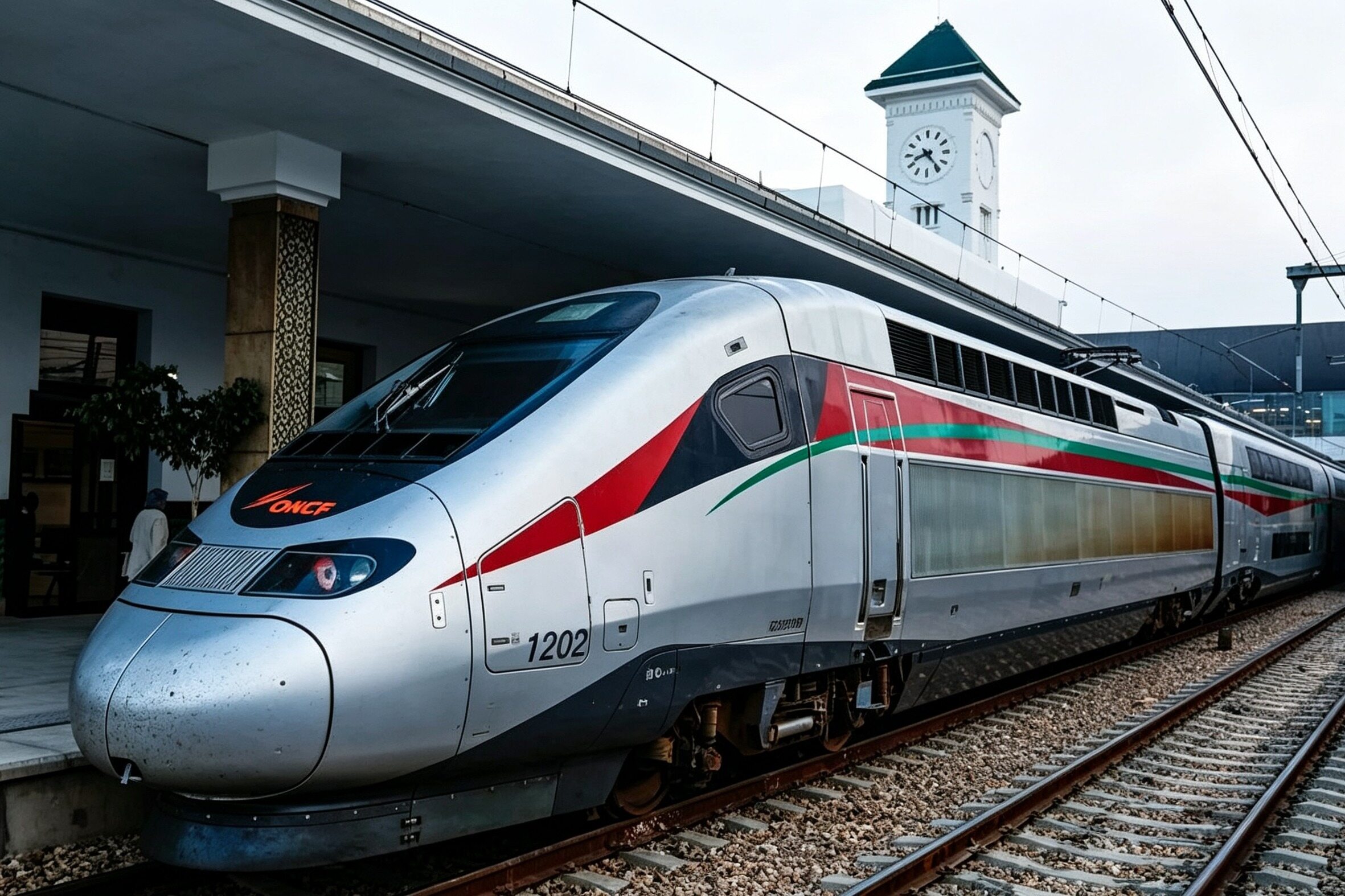
From the azure coast of Tangier to the white city of Casablanca, a steel artery tightly connects the two famous cities of North Africa. The train is speeding, the scenery outside the window is flowing, and the passengers inside the train are calm as usual. This Africa's first high-speed railway not only reshapes Morocco's temporal and spatial map, but also serves as a vivid footnote to the transportation transition of developing countries.
Basic Overview of the Project
The Alborage high-speed railway is the first high-speed railway in Africa. The Tangier to Ganitra section is a newly built dedicated high-speed railway line with a designed maximum speed of 320 kilometers per hour. After Ganitra, it will be connected to Casablanca through the renovated existing railway line. This route has reduced the travel time from Tangier to Casablanca from 4 hours and 45 minutes to 2 hours and 10 minutes. This project is not only a benchmark project for Morocco to promote low-carbon transportation, but also an important infrastructure supporting the 2030 World Cup. The high-speed railway was officially opened in November 2018, with a total investment of approximately 2.3 billion euros. Relying on the local labor cost advantage, the cost per kilometer of the line is less than 9 million euros, significantly lower than the average construction cost of high-speed railways in Europe.
Line operation and train service
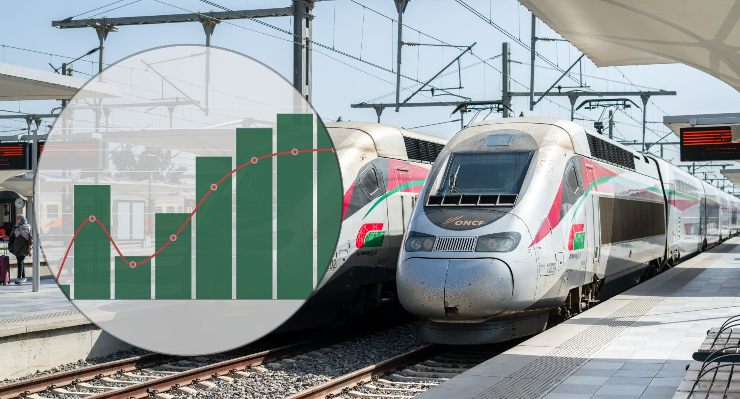
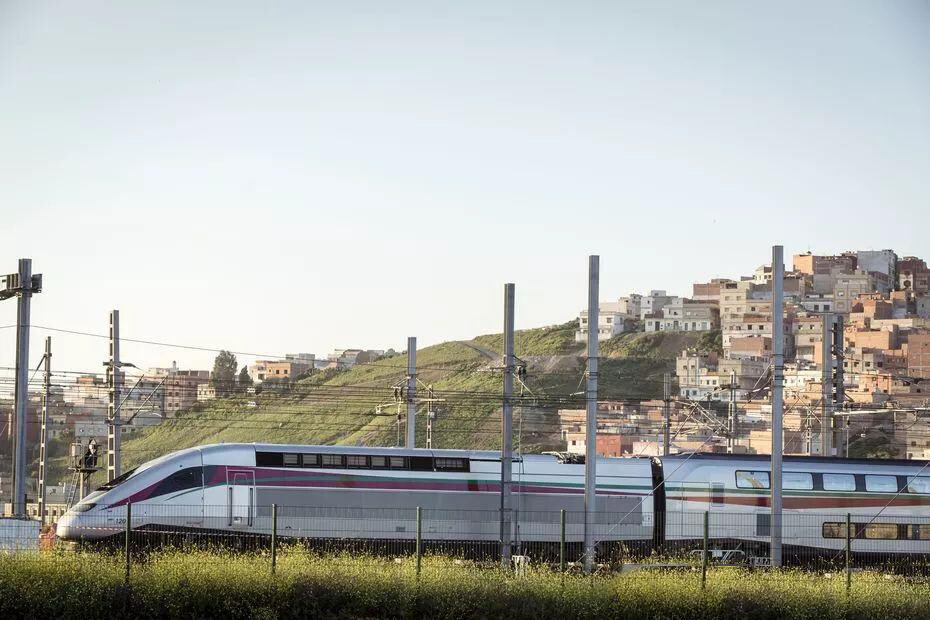
The route adopts a mixed right of way mode, with a maximum operating speed of 320 kilometers per hour for the 186 kilometer new dedicated line from Tangier to Ganitra; The existing line from Ganitra to Casablanca will be renovated, with a running speed of 160-220 kilometers per hour. The scale of passenger transportation is steadily increasing, with 5.5 million passengers completed in 2024 and 5.6 million passengers in 2025, bringing nearly one-third of the passenger revenue to the Moroccan National Railway.
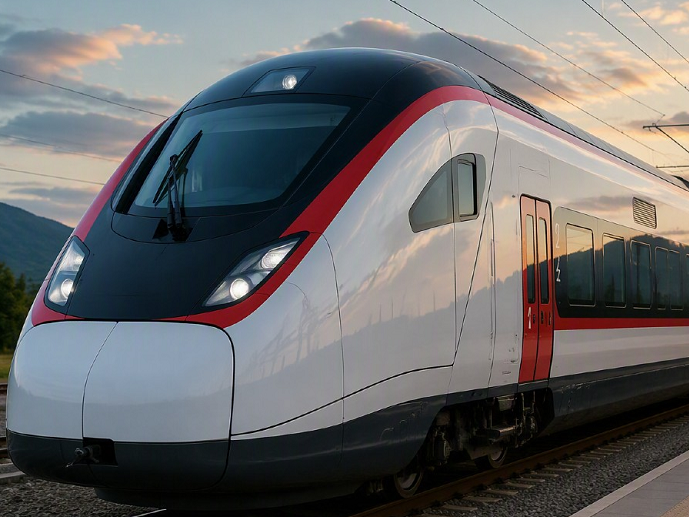
The vehicle is equipped with the French Alstom Avelia Euroduplex double decker multiple unit, which supports dual voltage system and has a capacity of 533 passengers per train. The seating is divided into two layouts, with the second class cabin arranged in a 2+2 configuration and the first class cabin arranged in a 1+2 configuration. The space is more spacious, equipped with power supply interfaces, and the station VIP lounge can also be used. The ticket price is subject to dynamic floating pricing in an airline style, with second class tickets from Tangier to Casablanca costing approximately 149-150 dirhams and first class tickets costing approximately 240-243 dirhams.
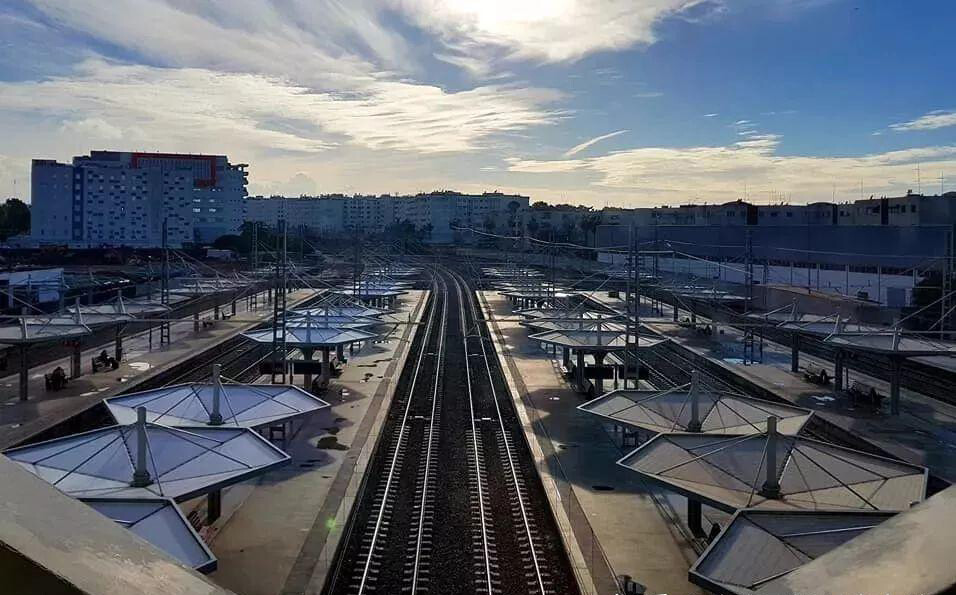
The main stations along the route include Tangirville Station, Ganitra Station, Rabat Agdal Station, and Casablanca Traveler Station, all of which connect to urban transportation. The terminal station provides convenient transfer for intercity express trains to destinations such as Marrakesh.
Passenger transport performance and development potential
The Alborage high-speed railway only undertakes about 10% of the national railway passenger volume, but contributes nearly one-third of the railway passenger revenue, highlighting its high-end attributes. In the first year of operation, the passenger volume was approximately 3 million in 2019; Exceeding 5 million visits in 2023; About 5.5 million people in 2024, a year-on-year increase of 5%; By 2025, the passenger volume will reach 5.6 million, with a revenue of 847 million dirhams, a year-on-year increase of 8%; In the first quarter of 2026, 1.25 million passengers were sent, with a year-on-year increase of 11% in revenue, and the growth trend continues to improve. Keywords: Morocco, Africa, high-speed rail
The current route has not yet fully released its designed operational capacity, and there is considerable room for improvement in the future. Attracting highway passenger flow through ticket pricing strategies such as student tickets, family discounts, and membership systems; Encrypt schedules and improve the multimodal transportation connection between public transportation and tourism hubs; Promote the transition of long-distance travel for the public from highways to railways. The Moroccan National Railway Authority plans to invest 96 billion dirhams by 2030 to extend high-speed rail southward to Marrakesh and in the long term to Agadir and Oujda, while also purchasing 168 new high-speed trains to further expand the high-speed rail network.Editor/Gong Ziwei
Comment


 Praise
 Collect
 Comment

 Share
Share


Write something~