 Search


- Chinese enterprises build a batch of clean energy projects such as wind and solar power in Bangladesh
- Assist in optimizing its power structure and promoting economic development
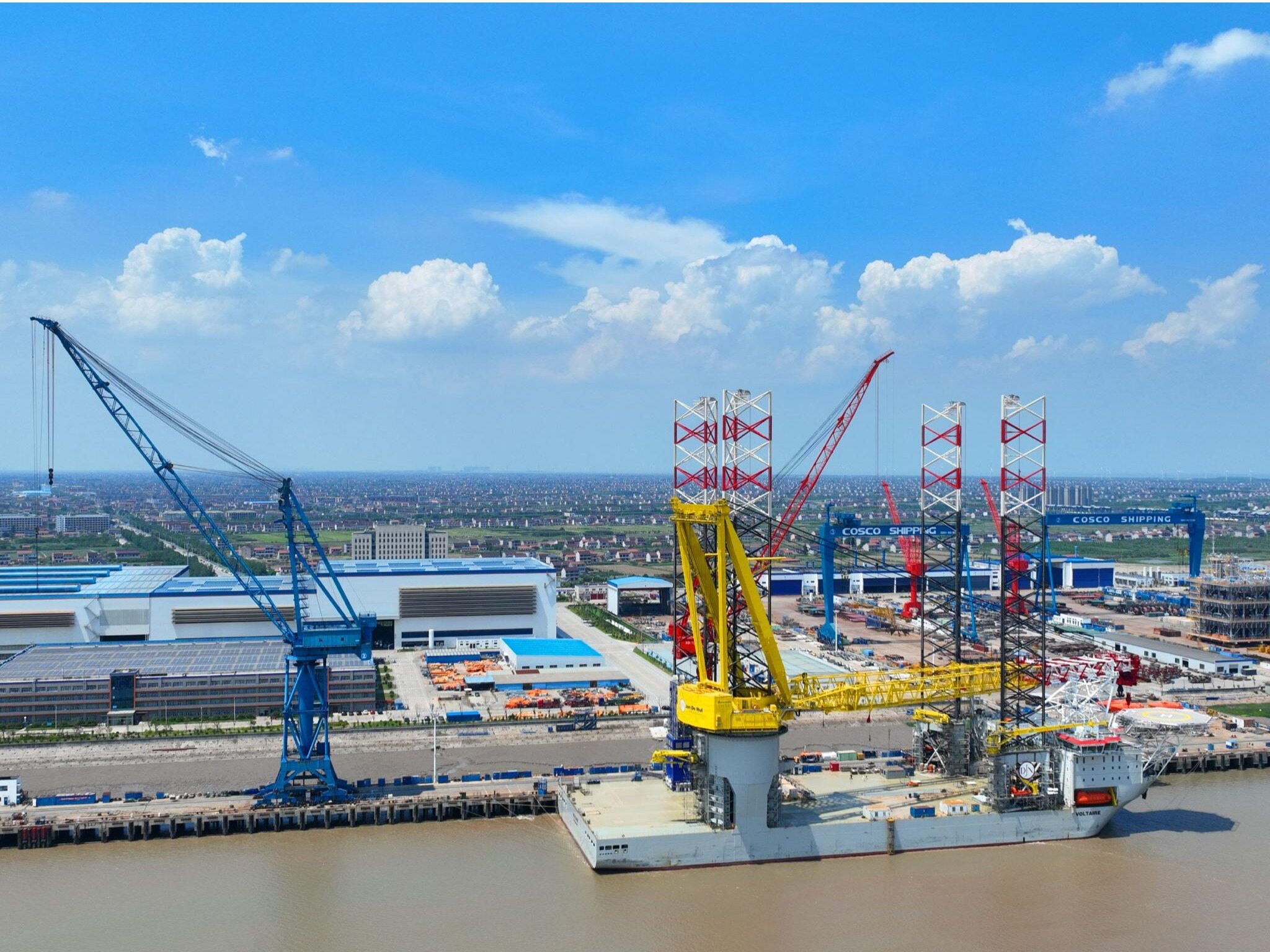
The plane flew past Cox's Bazar on the southeast coast of Bangladesh, with silver white fan blades slowly rotating under the portholes, contrasting with the azure bay and green farmland. 22 wind turbines are sailing against the wind, turning the sea breeze in the Bay of Bengal into a continuous stream of electricity - this is the country's first centralized wind power project and also the starting point for Chinese enterprises to enter the new energy landscape of Bangladesh.
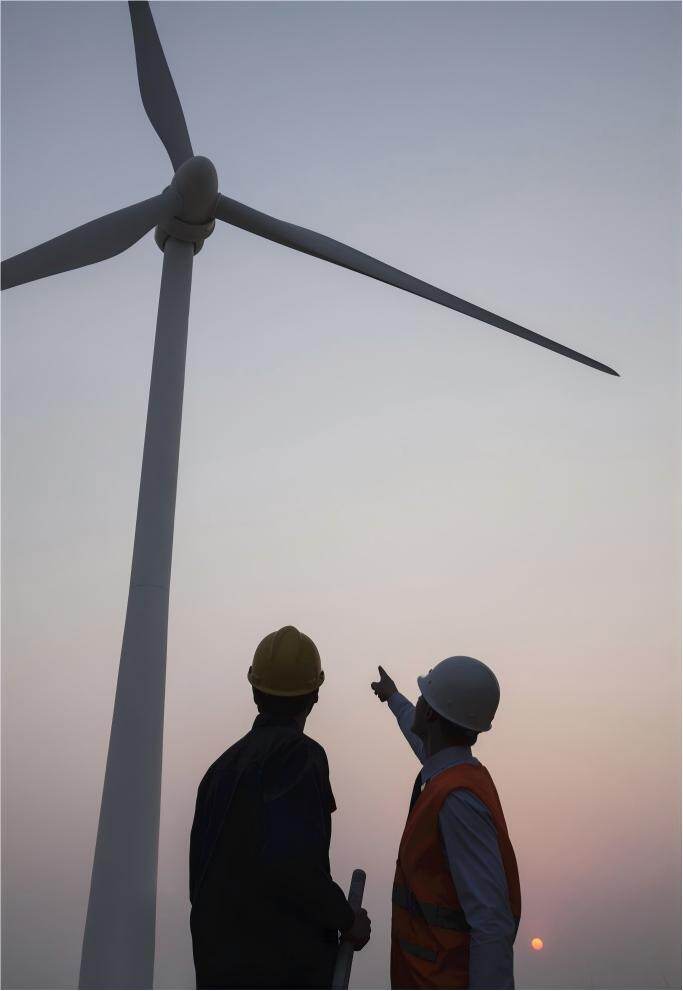
The seaside fan is turning
Cox's Bazar is a well-known tourist city, and in the past, hotels and restaurants were most afraid of power outages, resulting in loss of customers. In October 2023, the Cox's Bazar wind power project was put into operation, with an installed capacity of 66 megawatts and 22 units generating over 145 million kilowatt hours of electricity annually, meeting the electricity needs of 100000 households in the local area. It is regarded as a model of energy cooperation between Bangladesh and China.
In the operation and maintenance center, Arif, who studied electrical engineering in China, is proficient in operating equipment. The project brought Chinese solutions, standards, equipment, and technology, and also trained the first batch of wind power practical talents in Bangladesh. Arif said that participating in the construction and operation of the country's first centralized wind power project allowed him to truly grasp the logic of wind and solar project operation.
The project is also equipped with rooftop photovoltaics and charging piles, creating a comprehensive smart energy park. The investor, State Power Investment Corporation Wuling Power, plans to expand northward and create an integrated wind, solar, and energy storage base, transforming this coastal area from a single type of electricity to a model of smart energy.
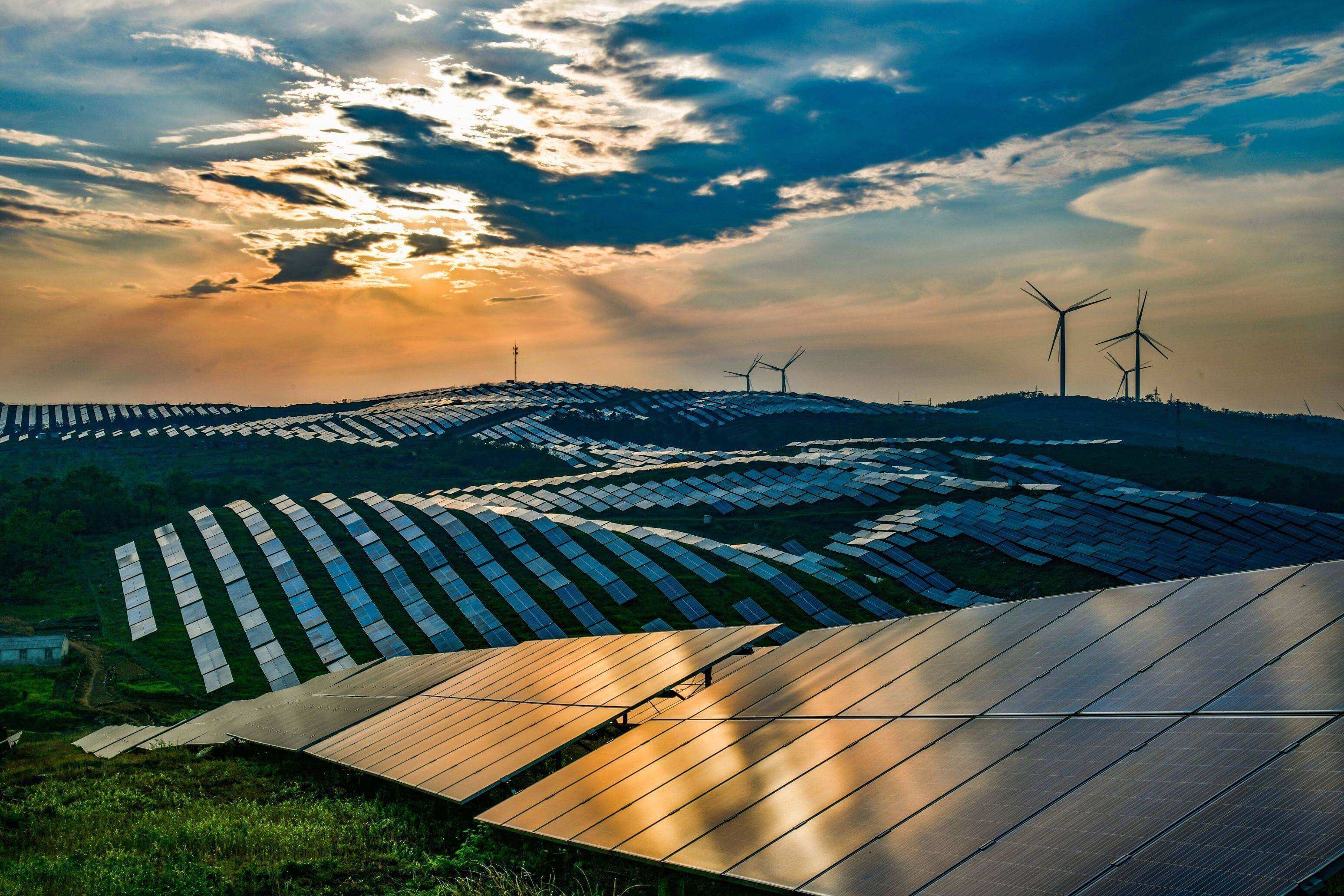
Sunshine lays a new power source
In the central city of Mymensingh, about 170000 Chinese solar panels are neatly arranged. After being put into operation at the end of 2020, they will convert sunlight into electricity to illuminate thousands of households, reducing carbon emissions by over 50000 tons annually.
Local residents said that in the past, there were frequent power outages, but now the power supply is stable and the town is no longer pitch black at night.
In July 2024, the 68 MW photovoltaic power station in Xilaganjie, central China, will be put into operation. 157000 modules will provide clean electricity to 65000 households, saving 43000 tons of standard coal and reducing carbon dioxide emissions by about 110000 tons annually.
By 2025, Pabuna will have 64 megawatts of photovoltaic power connected to the grid, generating approximately 110 million kilowatt hours of green electricity annually, further strengthening the northern power grid.
From Mymensingh to Hiraganj and then to Pabna, Chinese owned photovoltaic matrices are spread out along urban and rural areas, storing hot sunlight into the national power grid.
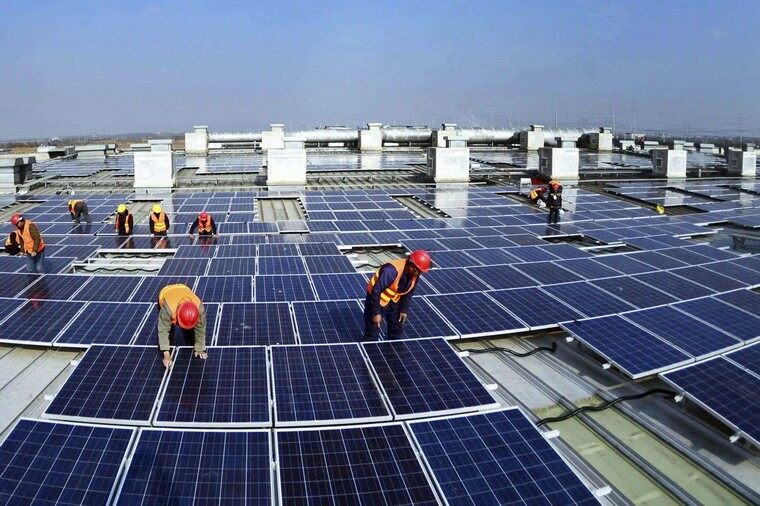
Green electricity supports a new life
Bangladesh's electricity demand is increasing by about 10% annually, and it has long relied on imported natural gas and coal, with renewable energy accounting for only about 5.4%. Chinese investment has accounted for more than one-third of its foreign investment in electricity, with over half of it in the renewable energy sector, becoming a key external force for energy transformation.
Wind and solar power not only fill the gap, but also change the fate of ordinary villages: schools light up, workshops start up, cold storage operates, and many villages grow into towns. Chairman Karim of the Bangladesh Electric Power Development Committee stated that Chinese funded projects are accelerating energy transformation and increasing the proportion of renewable energy; Mustafa, Chairman of the Sustainable and Renewable Energy Association, believes that China is leading in technology industrialization and looks forward to deepening cooperation.keywords:Engineering infrastructure
From the sea breeze in Cox's Bazar to the scorching sun in Mymensingh, Chinese clean energy projects are delivering green energy to factories, homestays, and farmland in Bangladesh, making the power structure lighter and economic growth more stable.Editor/Yang Meiling
Comment



 Praise
 Collect
 Comment

 Share
Share


Write something~