 Search


- Chinese Enterprises Deeply Participate in Dubai Water Treatment $22 Billion Tunnel Project
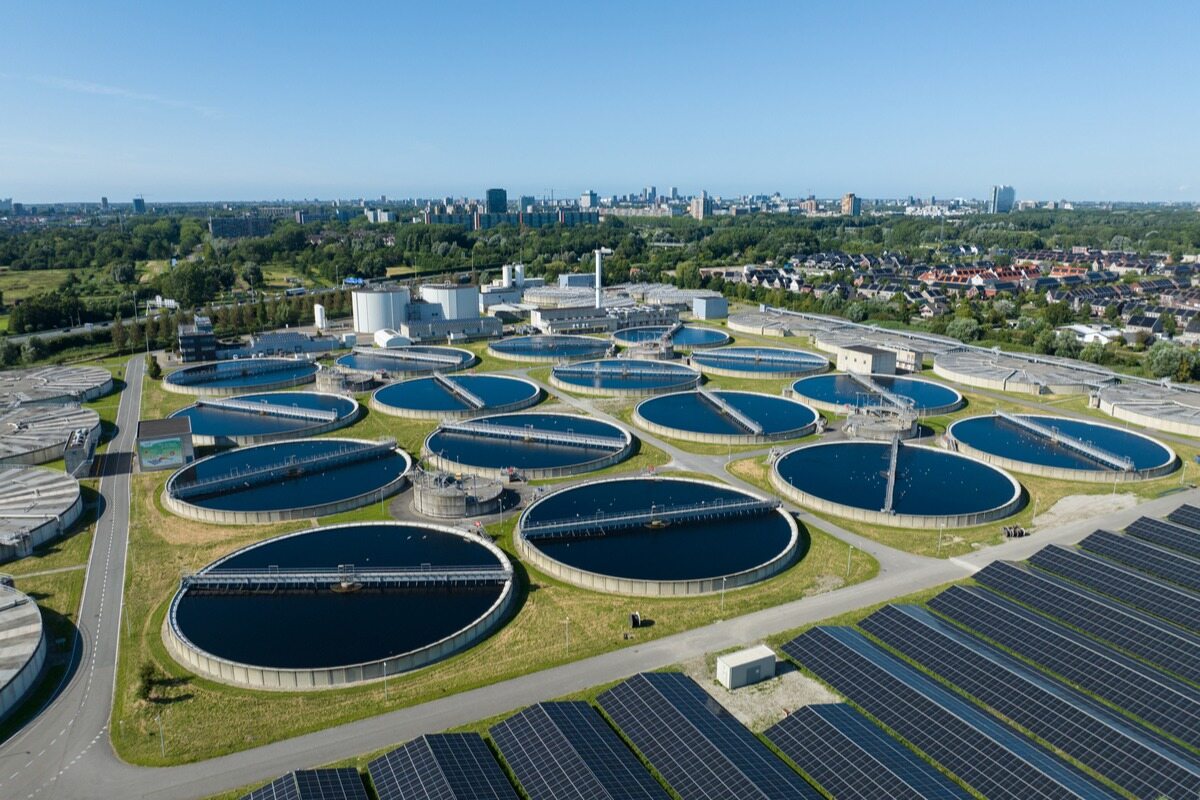
The Dubai water treatment market is entering a historic moment. In the desert city with an average annual rainfall of less than 100 millimeters, 90% of the first phase of the Hassyan seawater desalination plant has been completed, the third phase of the Jebel Ali sewage treatment plant has started PPP qualification pre-approval, and the $22 billion strategic sewage tunnel project has selected an EPC consortium led by Chinese enterprises. From seawater desalination to sewage treatment, from traditional EPC to 30-year franchising, the Dubai water treatment market is undergoing a systematic transformation from meeting demand to defining standards.
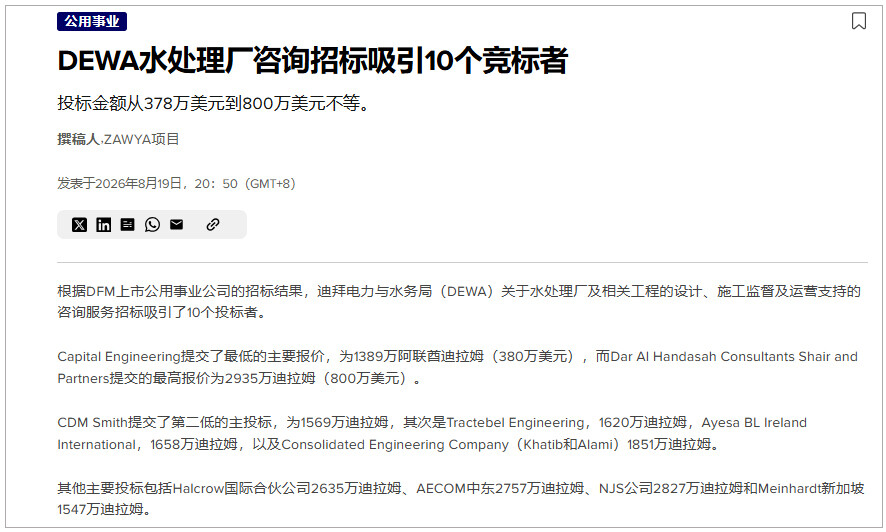
Dual line promotion of seawater desalination
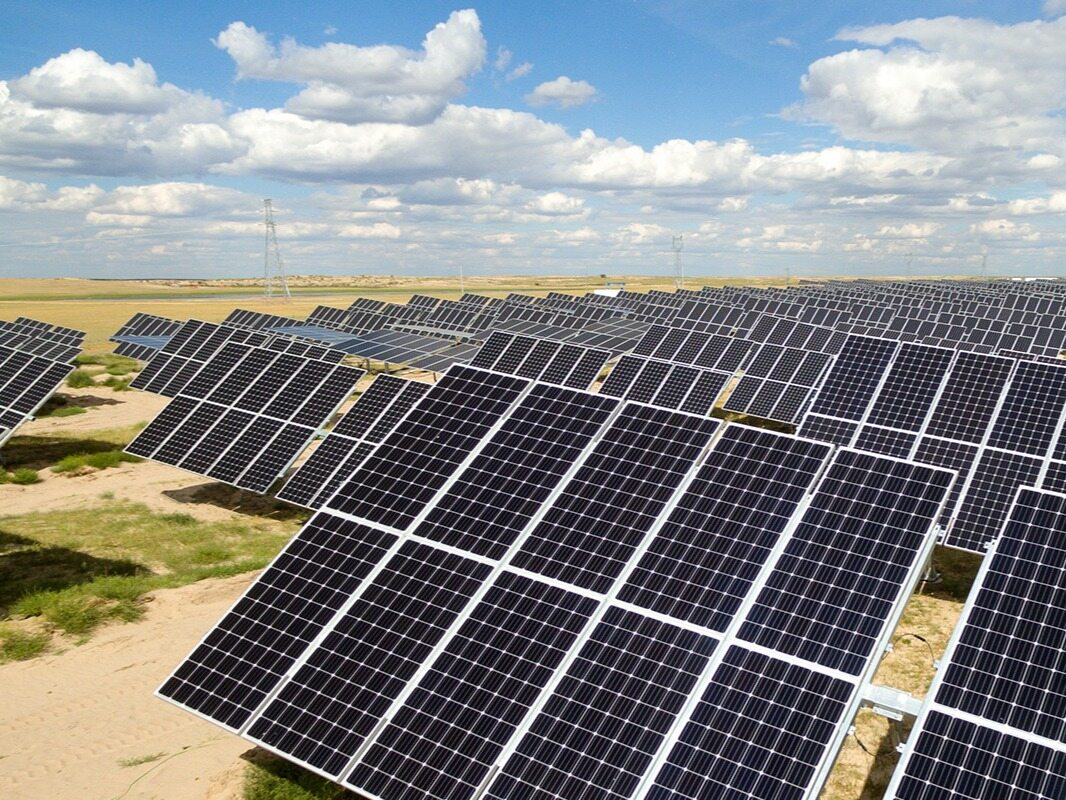
Dubai Electricity and Water Authority will add 60MIGD seawater reverse osmosis desalination capacity in the first quarter of 2026, with a total installed desalination capacity of 555MIGD. SWRO technology already accounts for 23% of DEWA's total desalination capacity. The first phase of the Hassyan seawater desalination plant has a daily output of approximately 818000 cubic meters of 180MIGD, with 90% completed. It is constructed by China Electric Power Construction Shandong Electric Power Construction Third Company and relies 100% on photovoltaic energy to meet the daily freshwater needs of nearly 1.8 million people. DEWA's long-term goal is to achieve a total desalination capacity of 735MIGD by 2030, of which 308MIGD will use renewable energy driven SWRO technology. Dubai's 100% desalinated water will be produced using clean energy and waste heat.
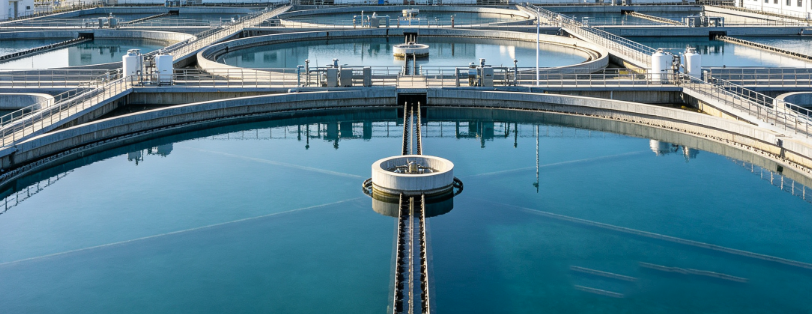
Sewage treatment PPP started
The third phase of the Jebel Ali sewage treatment plant is currently the largest incremental project. In July 2026, the Dubai City Hall launched a pre qualification review, using the PPP model to cover the entire design, construction, financing, ownership, operation, and transfer cycle. The franchise period is 30 years, and the daily treatment capacity will ultimately reach 1 million cubic meters. The Jebel Ali STP Phase II expansion project, constructed by Larsen&Toubro, has been officially put into operation with a processing capacity of 375000 cubic meters per day. The Warsan sewage treatment plant has a processing capacity of approximately 175000 cubic meters per day and is expected to tender for EPC general contracting by the end of 2026.
Super Tunnel led by Chinese enterprises
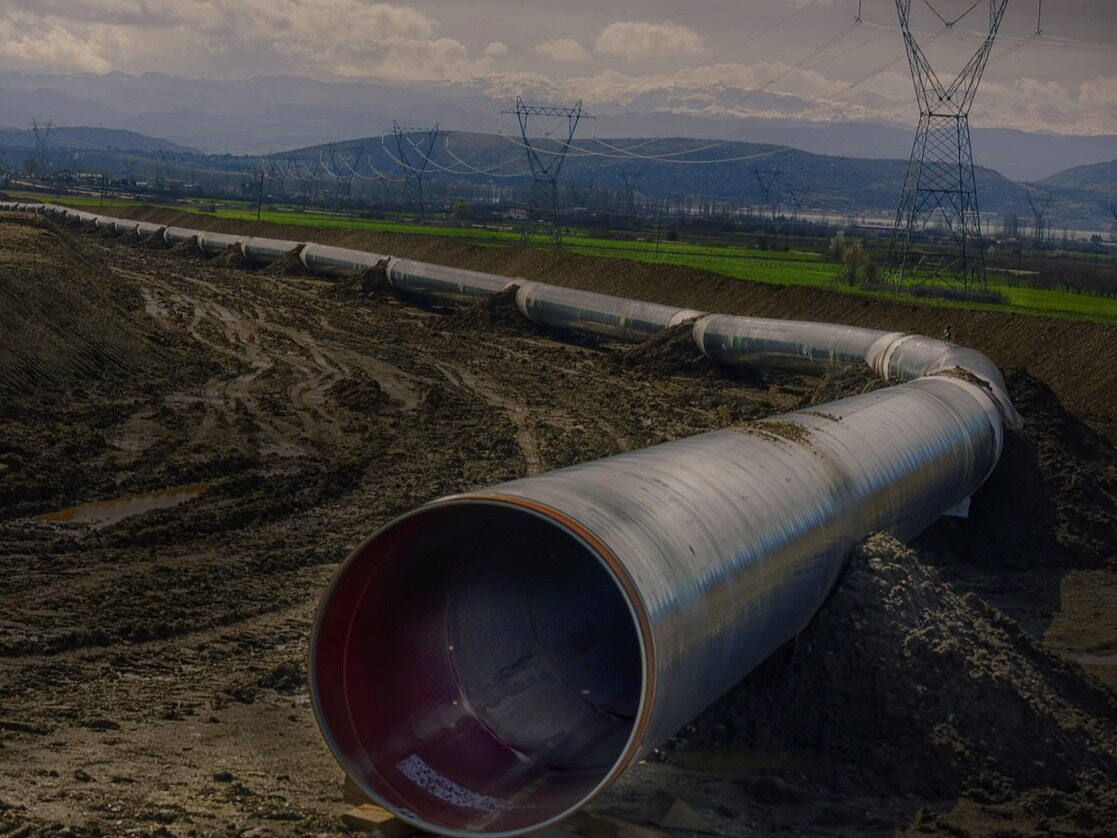
The Dubai Strategic Sewage Tunnel project has a total investment of approximately 80 billion dirhams and 22 billion US dollars, making it the largest water infrastructure project in Dubai's history. The capital expenditure for section W is approximately 3 billion US dollars, and the EPC contractor is a consortium led by China State Construction Engineering Corporation; The capital expenditure for section J is less than 2 billion US dollars, and the EPC contractor is a consortium formed by China Railway Middle East Branch and local Detech Contracting; The Links section was bid by China Civil Engineering Group, China Railway 11th Bureau, and others. This is the first time that Dubai City Hall has implemented a local content plan, requiring contractors to increase the proportion of local procurement and employment. Keywords: Middle East news and information, water treatment, international cooperation
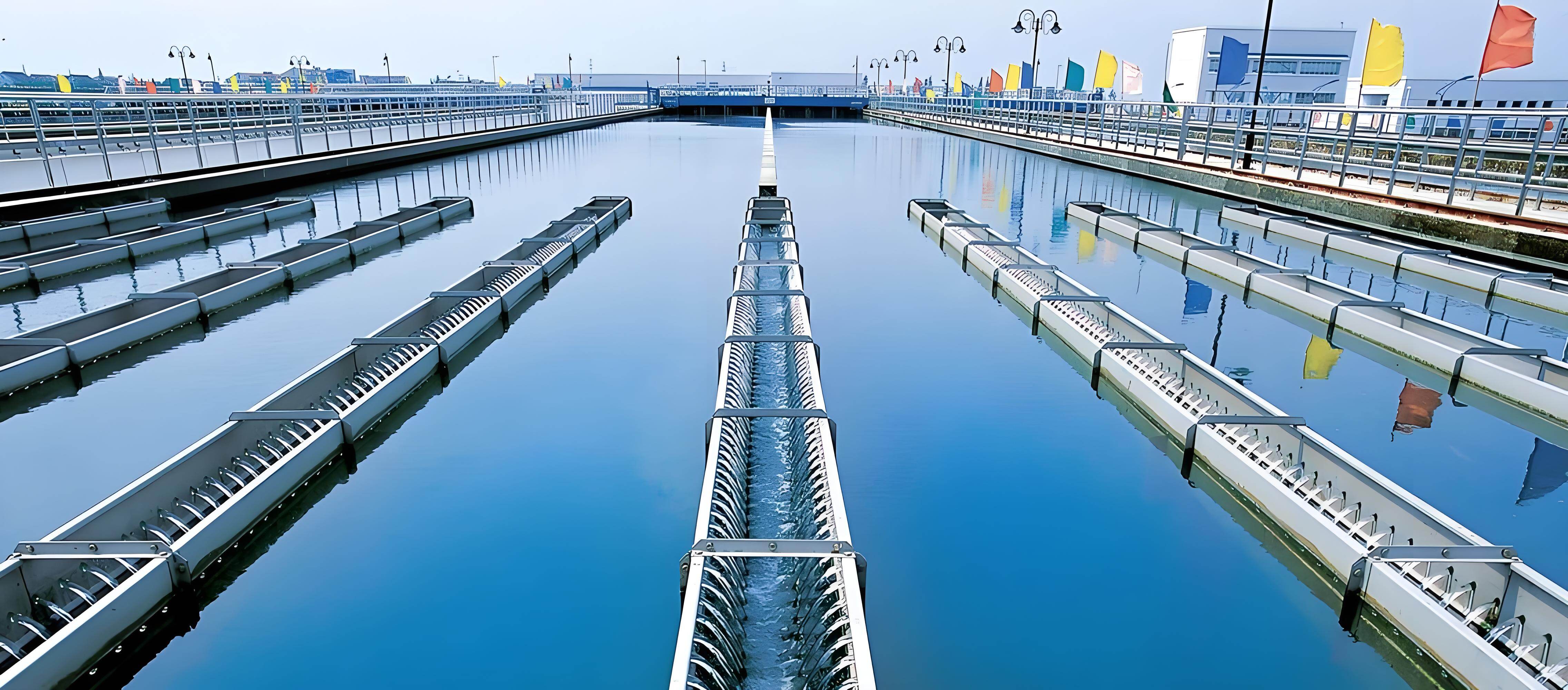
The Zhumeila New City Phase II sewage treatment project, undertaken by China Metallurgical Group Corporation, adopts a combination of ultrafiltration and electrodialysis technology, with 72% reused for green irrigation. It has been officially delivered and provides a landing model for segmented tracks. The Dubai water treatment market is currently experiencing a dual track outbreak of seawater desalination and sewage treatment, with clear structural demands being released in various tracks of water infrastructure from Hassyan to DSST super projects. The new version of Dubai's wastewater reuse regulations imposes a mandatory requirement of 850 milligrams per liter of TDS for recycled water. DEWA has strict fire certification standards for cable trays, and the localization content plan requires contractors to increase the proportion of local procurement. Technical adaptation and localization capabilities are becoming the core competitiveness of Chinese enterprises.Editor/Gao Xue
Comment



 Praise
 Collect
 Comment

 Share
Share


Write something~