 Search


- South African market welcomes large-scale delivery period, benchmark for integrated photovoltaics and energy storage
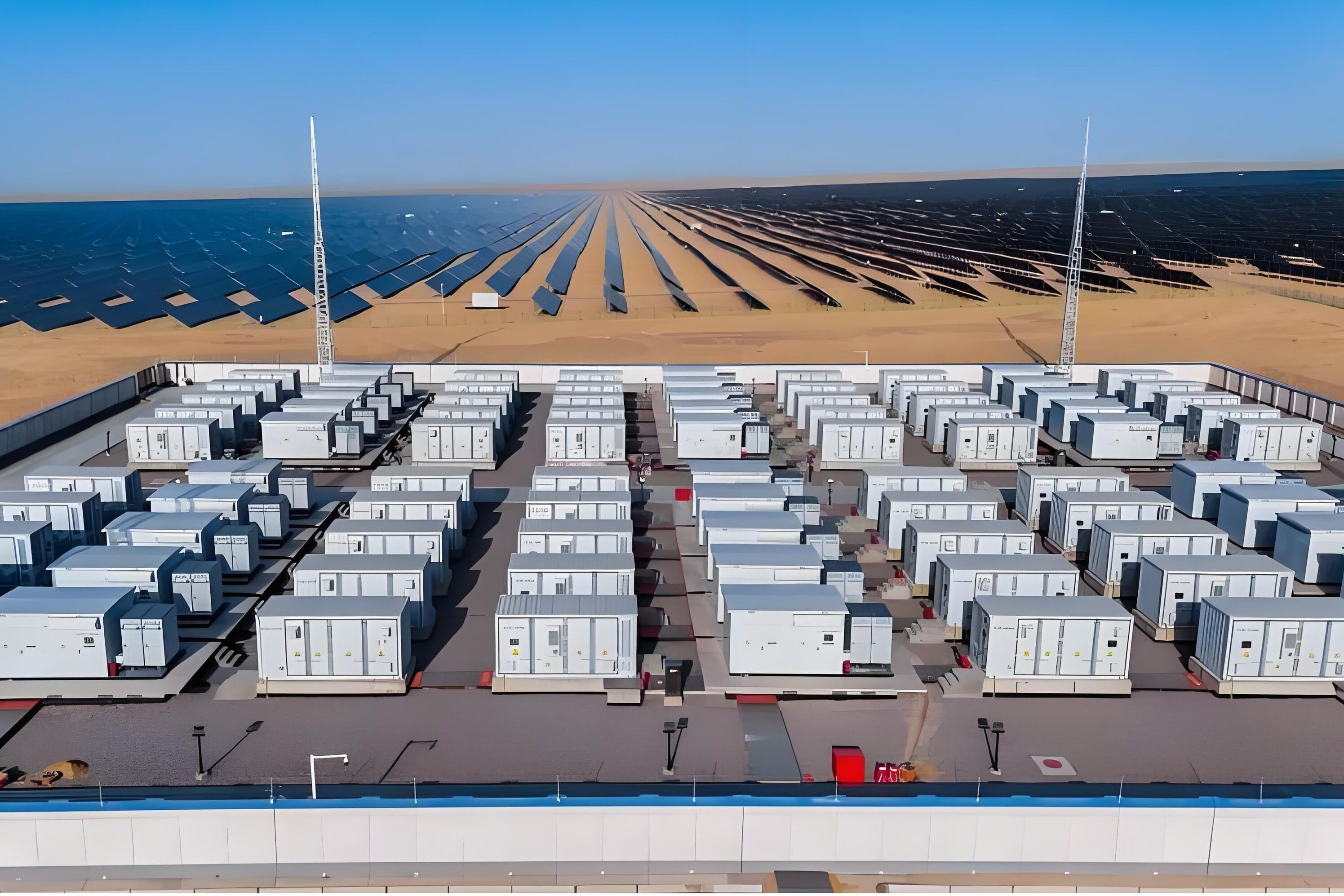
Recently, the South African new energy market has welcomed double happiness. The Ilikuwa 67 MW photovoltaic project and the Haizhuo solar storage project, which China Power Construction participated in the construction, have successively obtained commercial operation certificates and officially put into commercial operation. At the same time, the $122 billion energy investment cooperation framework agreement signed between South Africa and China is opening the door to a 105GW new energy market. From private power purchasing projects in the Free State Province to Africa's largest integrated photovoltaic and storage power station in the Northern Cape Province, China Power Construction is marking new coordinates on the South African new energy map with practical operational projects.
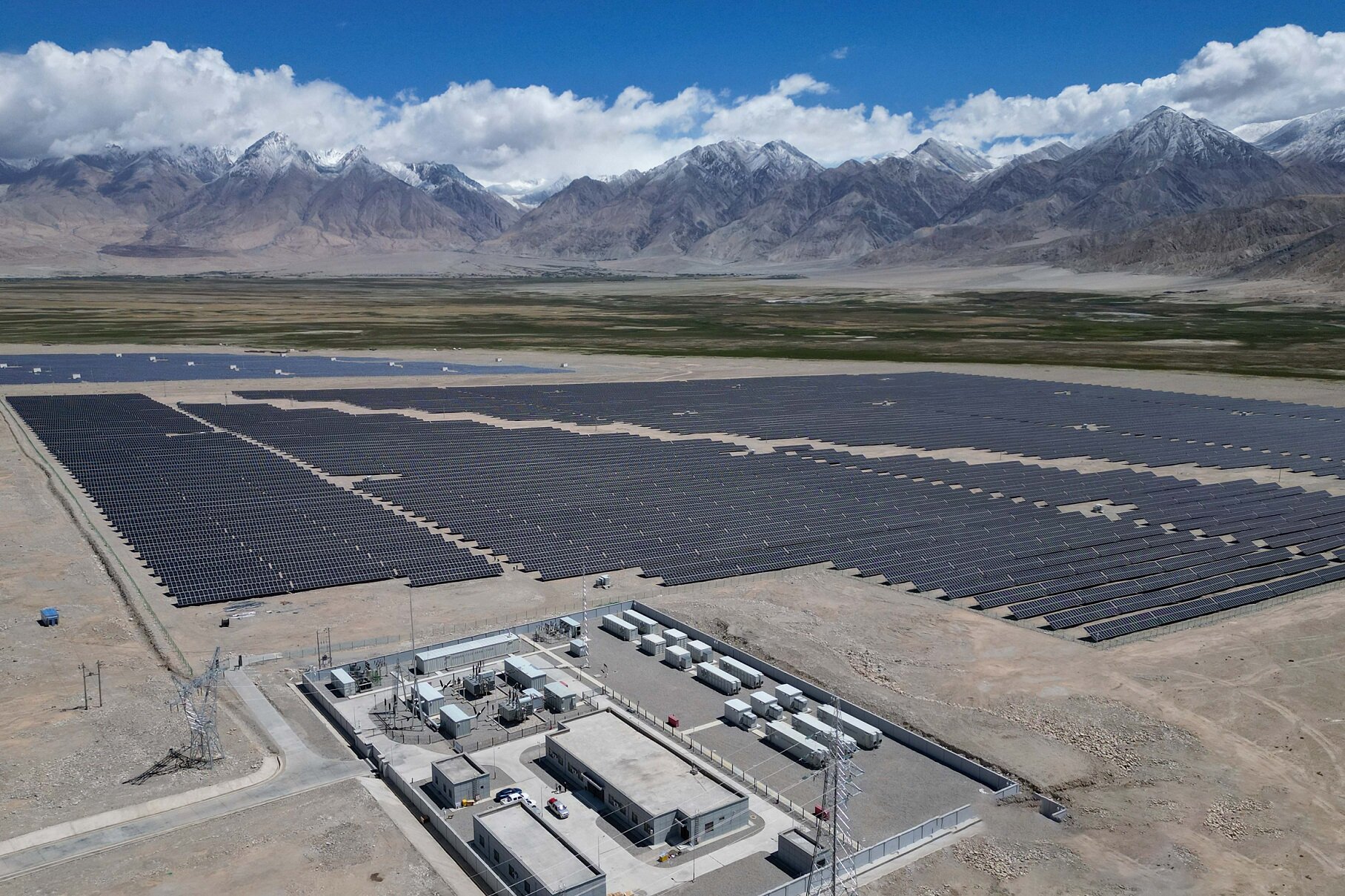
67MW photovoltaic supports industrial electricity consumption
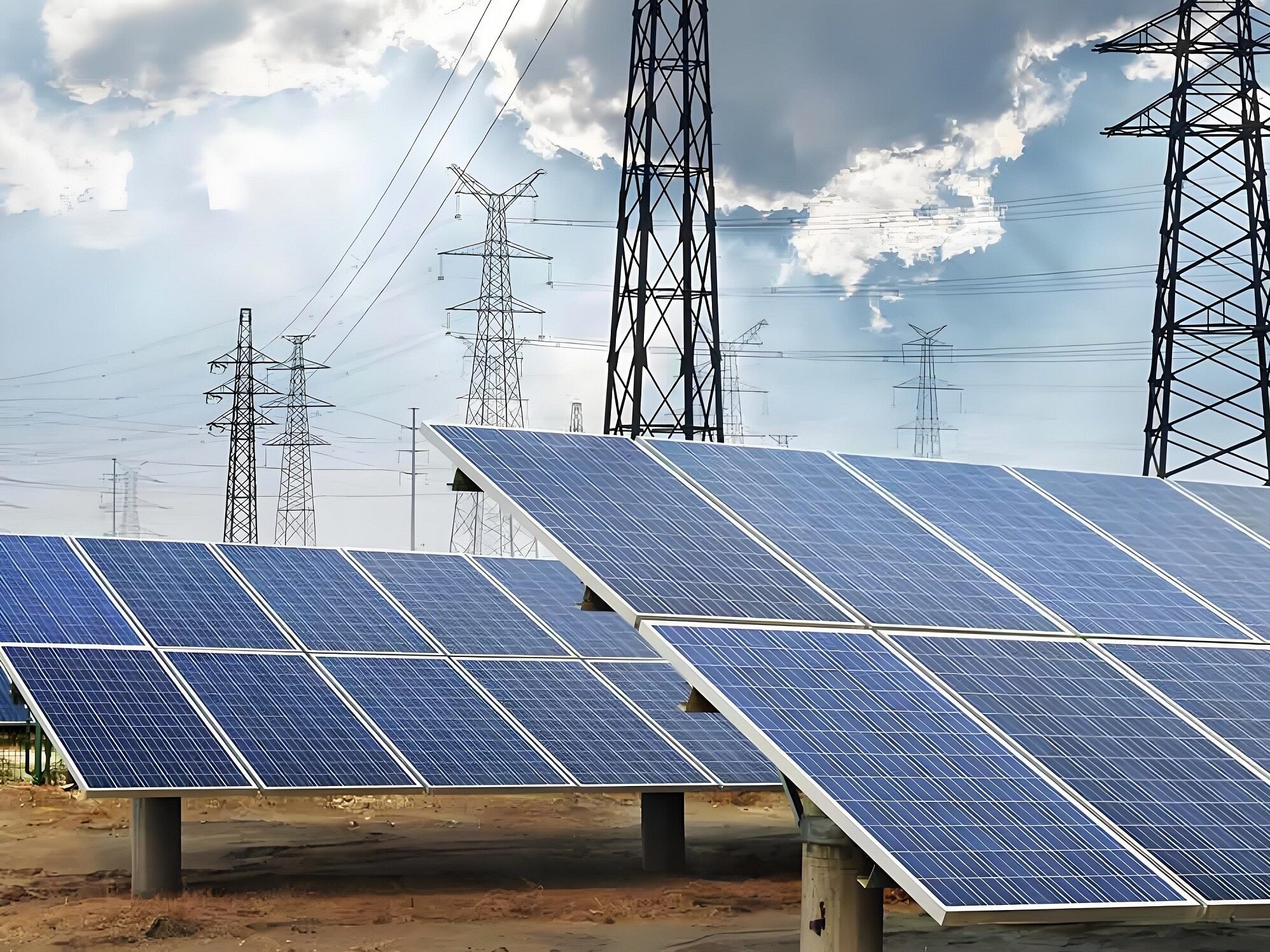
The Irikuba 67 MW photovoltaic project is located in Paris Town, Free State Province, South Africa, and is a key new energy project under the private purchase of electricity system in South Africa. After the project is fully connected to the grid, it can sustainably deliver clean and green electricity, effectively supporting low-carbon production in local industries and assisting in the green upgrading of regional industries. This project is the second phase of the 123.2 MW photovoltaic project being implemented by China Electric Power Construction Corporation in Damragte, South Africa. In January 2025, PowerChina signed the EPC and operation and maintenance contract for the project with Irish developer Mainstream. After the project is put into operation, the annual power generation will be about 279 million kilowatt hours, which can meet the annual electricity demand of about 74700 people.
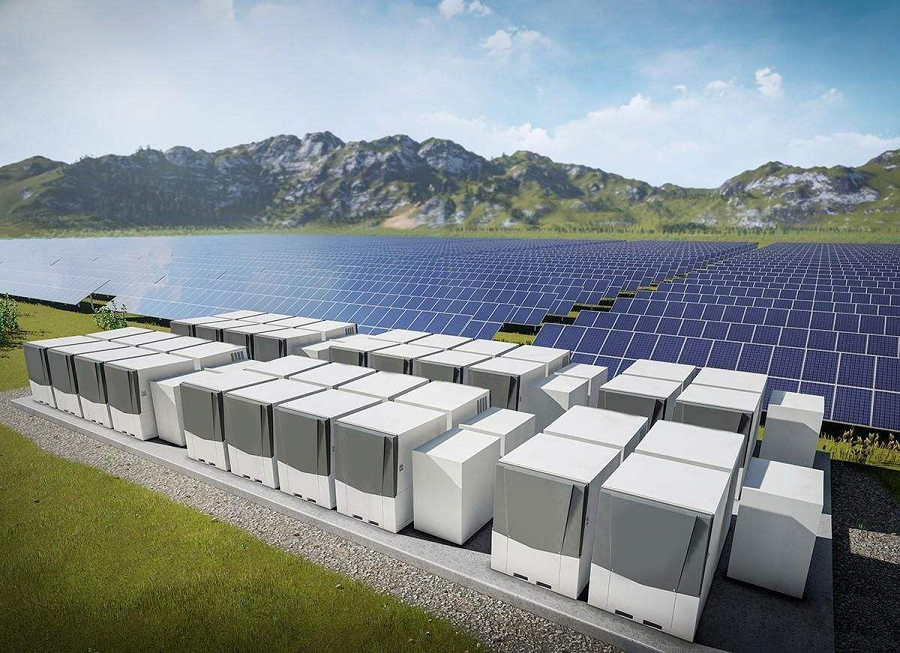
Africa's largest solar energy storage power station put into operation
The Haizhuo Solar Energy Storage Project is located in Dea Town, Northern Cape Province, South Africa. It is equipped with a 216 MW photovoltaic and 588 MWh energy storage system, and is currently the largest integrated solar energy storage power station in Africa that has been put into operation. The project accurately smooths out the intermittent fluctuations of photovoltaic power generation through an energy storage system, greatly improving the local new energy power consumption capacity. It can not only deliver high reliability green electricity to the South African main power grid, but also effectively enhance the resilience of the power grid operation under extreme working conditions. The project is the first key project to complete reverse power transmission under the South African Emergency Energy IPP round and has been awarded the International Security Award for Excellence by the UK Security Council. Keywords: the Belt and Road news, photovoltaic, energy storage, new energy
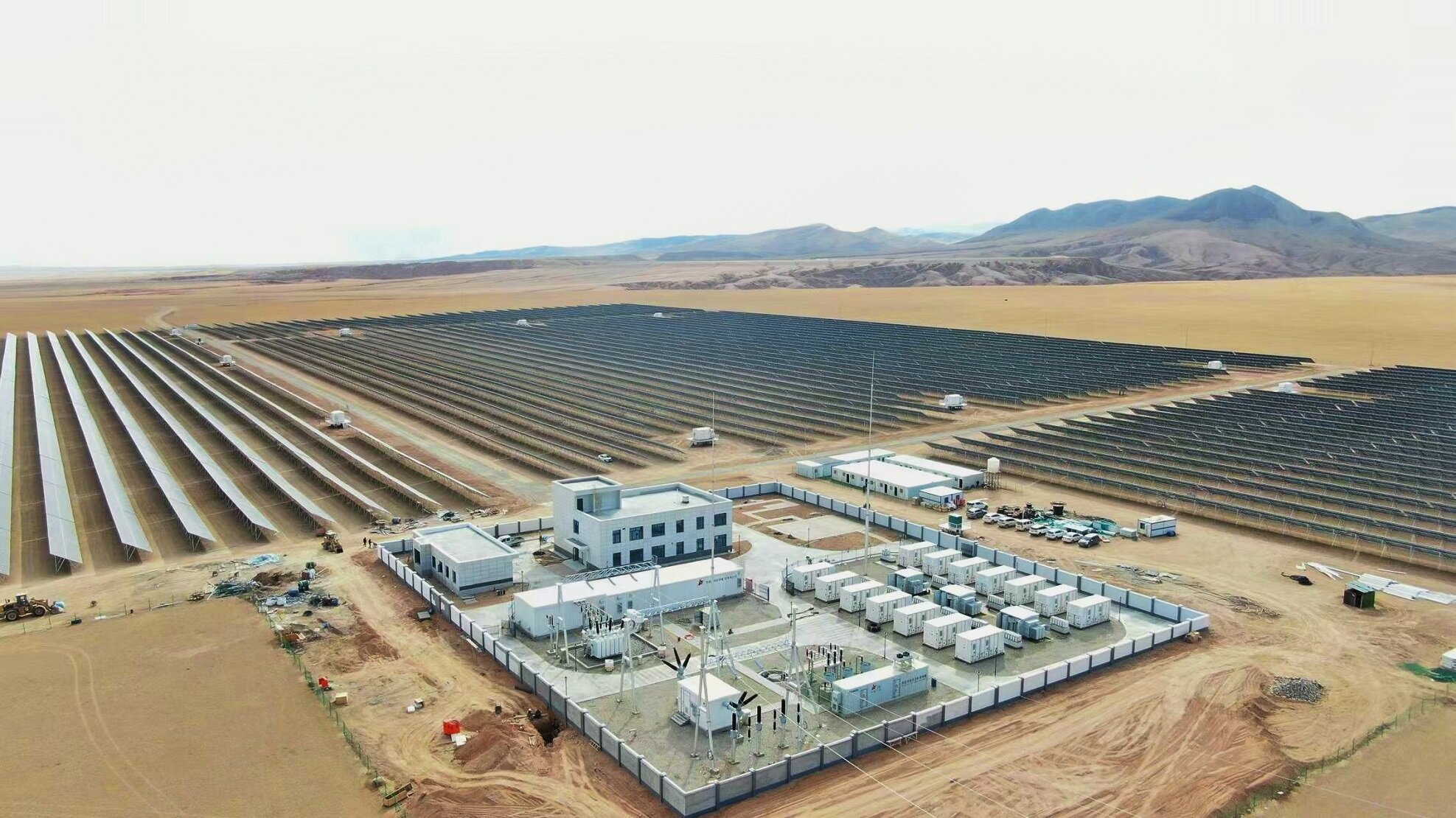
The door to the 105GW market is open
The launch of the dual projects coincides with a critical juncture in the upgrading of energy cooperation between China and South Africa. On August 3-4, South Africa announced the signing of a $122 billion energy investment cooperation framework agreement with China, with the goal of adding 105GW of new power generation capacity, 14500 kilometers of new transmission lines, and opening up 96 reserve projects for investment in the next ten years. The framework scale roughly matches the South African 2025 Integrated Resource Plan's 2.2 trillion rand investment plan. The investment areas listed by South African Minister of Electricity and Energy, Ramohampa, include power transmission and transformation, renewable energy, battery storage, gas, nuclear energy, green hydrogen, and local industrialization. China Power Construction Corporation (PowerChina) is the largest Chinese EPC company in the South African market, with benchmark projects such as Redstone Solar Thermal and Aoya Wind Solar Energy Storage Hybrid Power Station already under construction. The scale of wind solar energy storage under construction exceeds 1.74GW. The South African government encourages local production of inverters, wind turbines, transformers, and cables, and six domestic equipment companies have expressed their intention to invest and build factories in South Africa. The trend of the South African new energy market shifting from planning to orders is clear, and the IPP model is changing the role of Chinese enterprises in South Africa, with localized manufacturing becoming the next focus of competition.Editor/Gao Xue
Comment

 Praise
 Collect
 Comment

 Share
Share


Write something~