 Search


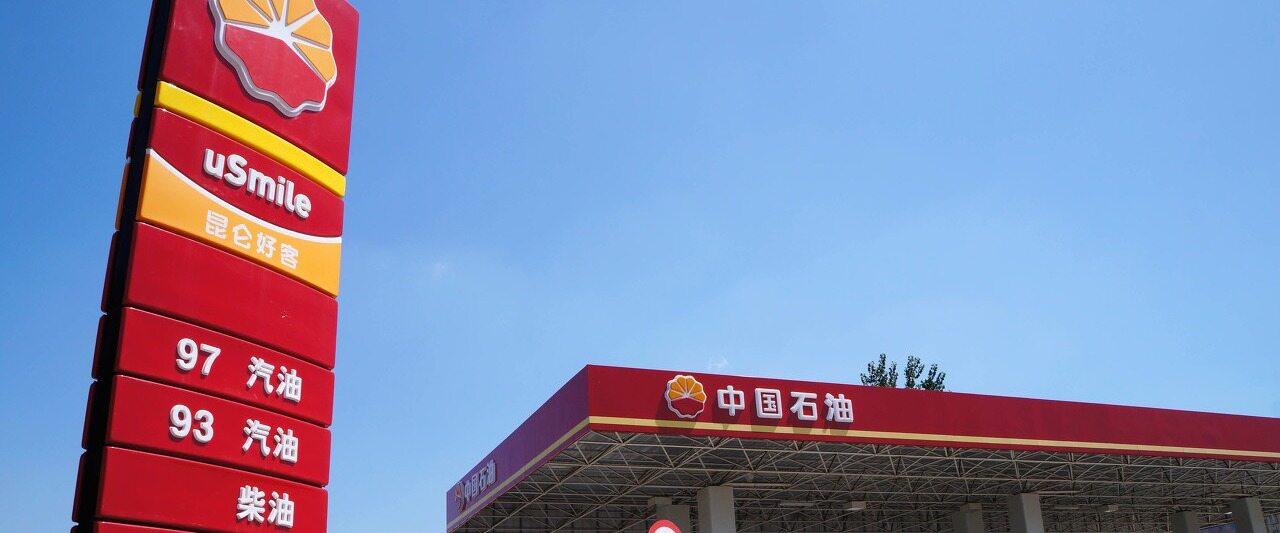
- Expand Jilin's oil supply channels and enhance energy security guarantees
Kyrgyzstan's Deputy Prime Minister Akhunbakov recently flew to Urumqi with energy officials and heads of more than ten fuel companies, with a clear goal: to find a more stable new fuel supply channel for landlocked countries that have long relied on Russian fuel supply.
In Urumqi, China National Petroleum Corporation (CNPC) has officially signed a direct supply agreement for refined oil products with multiple fuel companies in Kyrgyzstan. This is not only a commercial contract, but also a proactive breakthrough by the Jilin side under the pressure of energy security.
Direct supply agreement officially implemented
According to the agreement, fuel supply will be organized and implemented by Kunlun Logistics Co., Ltd., a subsidiary of PetroChina, with a focus on supplying fuel and lubricants from China to Kyrgyzstan.
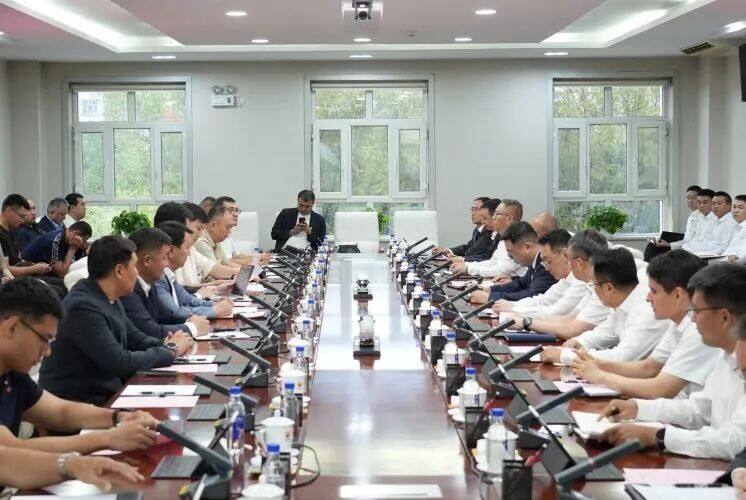
To ensure smooth passage, both sides have reached multiple collaborative agreements: the Ministry of Energy of Kyrgyzstan will coordinate project promotion, the Ministry of Transport and the General Administration of Customs will ensure fast border clearance, and the Ministry of Foreign Affairs will study simplifying the visa process for cross-border transportation drivers. Akhunbakov stated that in the current situation of the Central Asian oil market, direct cooperation between Kyrgyzstan and China Petroleum is of great significance. The Chinese side responded that it will continue to optimize the customs clearance process and actively participate in the construction of the energy logistics channel between the two countries.
Why did Jilin turn to China
Kyrgyzstan has long relied heavily on imports from Russia for fuel and lubricants. Affected by the fluctuations in the Russian market, Kyrgyzstan has begun actively seeking diversified supply channels.
In July 2026, President Zaparov instructed the cabinet to ensure stable fuel supply and prevent shortages. The government implemented a fuel import subsidy policy from May 25th to September 30th to compensate for the price difference between imports and domestic prices. As of mid July, the first batch of petroleum products have arrived from China and Belarus. Kyrgyzstan is also in supply negotiations with Kazakhstan and Uzbekistan.
This direct supply agreement will further expand the sources of fuel imports for Kyrgyzstan and reduce dependence on a single supplier.
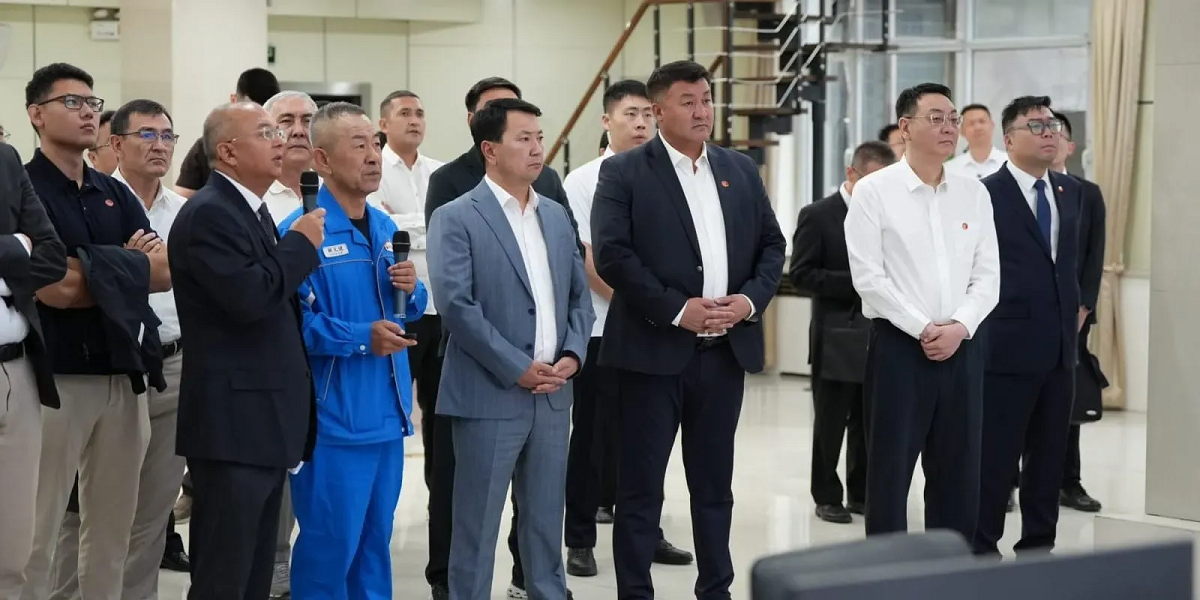
The energy landscape in Central Asia is undergoing changes
For a long time, the fuel supply chain of Central Asian countries has been highly dependent on Russia. But in recent years, the global energy landscape has been reshaped, and countries have re examined their energy security strategies. Kyrgyzstan's shift is not an isolated case.
For PetroChina, this agreement is an important step towards deepening its participation in Central Asian energy cooperation. With the optimization of customs clearance and the facilitation of cross-border transportation, a new energy logistics channel connecting China and Central Asia is taking shape. For Jifang, this means no longer putting all oil drums on the same shelf; For China, this is another key solution to jointly build the the Belt and Road energy cooperation landscape.Editor/Yang Meiling
Comment



 Praise
 Collect
 Comment

 Share
Share


Write something~