 Search


- On August 23, 2026, CRBC signed a contract to assist Cambodia in the third phase of the rural water supply project
- More than a thousand wells and water purification facilities will be built in 8 provinces within 24 months to provide clean water for rural areas in the north
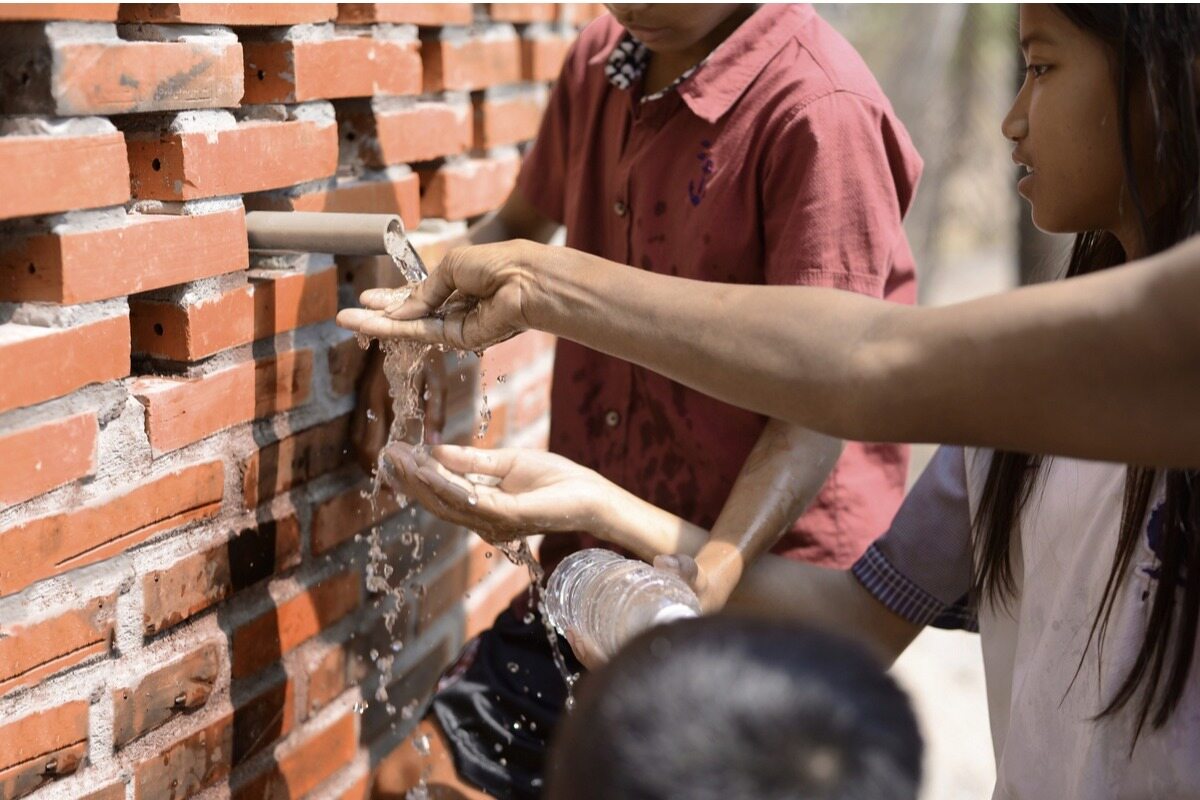
On the outskirts of Siem Reap in the early morning, a farmer woman walked to the old banyan tree at the village entrance with an empty pottery jar, staring blankly at the half withered pond. At this time in previous years, she always had to ride her motorcycle for half an hour to buy water in town. A 200 liter can of water would be enough for the whole family to last for two days. This kind of scene is not uncommon in rural areas in northern Cambodia - until CRBC's engineering team walked into the village again with drawings and drilling rigs. This is not the first time Chinese companies have dug wells in rural Cambodia, but it is a new departure to expand the scope and equip facilities more comprehensively.
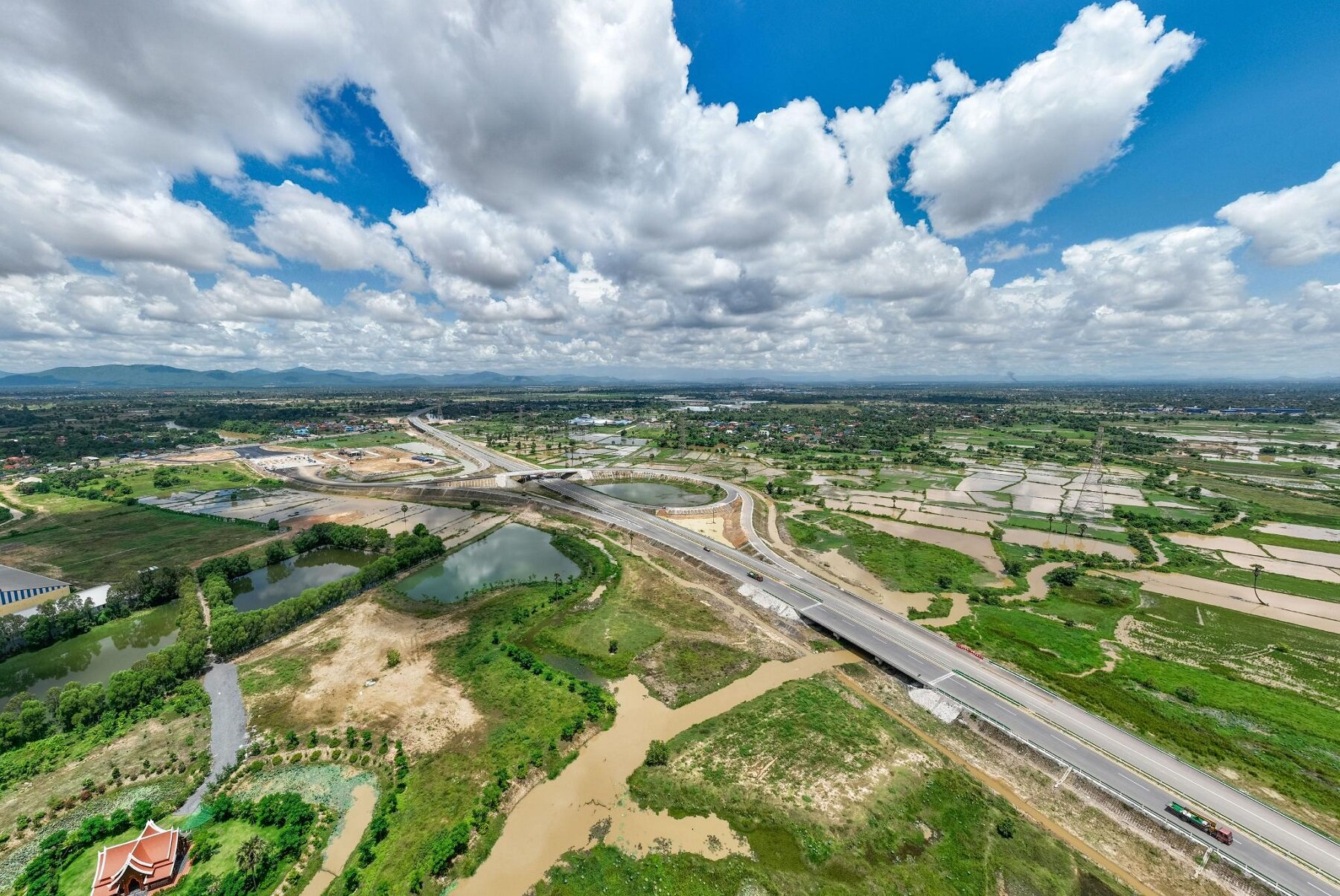
Eight year water supply relay
The earliest Chinese aid project for rural water supply in Cambodia can be traced back to 2017. The first phase of the project involves the construction of over 1800 deepwater wells and nearly 130 community ponds in 16 provinces. The second phase of the project started in November 2019 and was handed over in 2021, with an additional 964 pipe wells and 54 ponds added in 10 provinces.
Mingsun, a villager from Baribu District in Kampong Chhnang Province, once calculated that buying water during the dry season costs 3000 riels per 200 liter can, which is about 0.75 US dollars. After the second phase water well is put into use, she can receive clean water at her doorstep. Village chief Bulun Zhanpeng said that the villagers no longer drink muddy water and there are fewer waterborne diseases.
The third phase is a continuation of this relay. CRBC received the winning bid on August 4, 2026 and completed the contract on August 23. The project adopts the EPC general contracting mode and has a construction period of 24 months. It is a localized implementation project organized by the Cambodian Ministry of Rural Development for free assistance from the Chinese government.
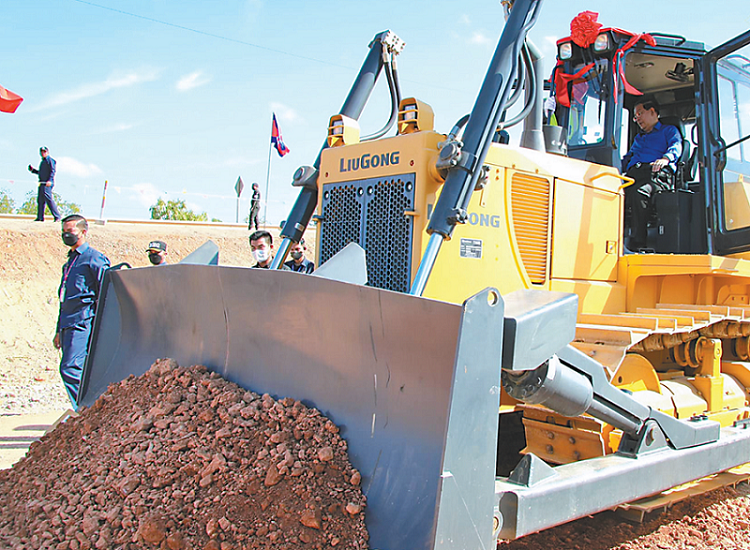
Layout of Thousand Wells in Eight Provinces
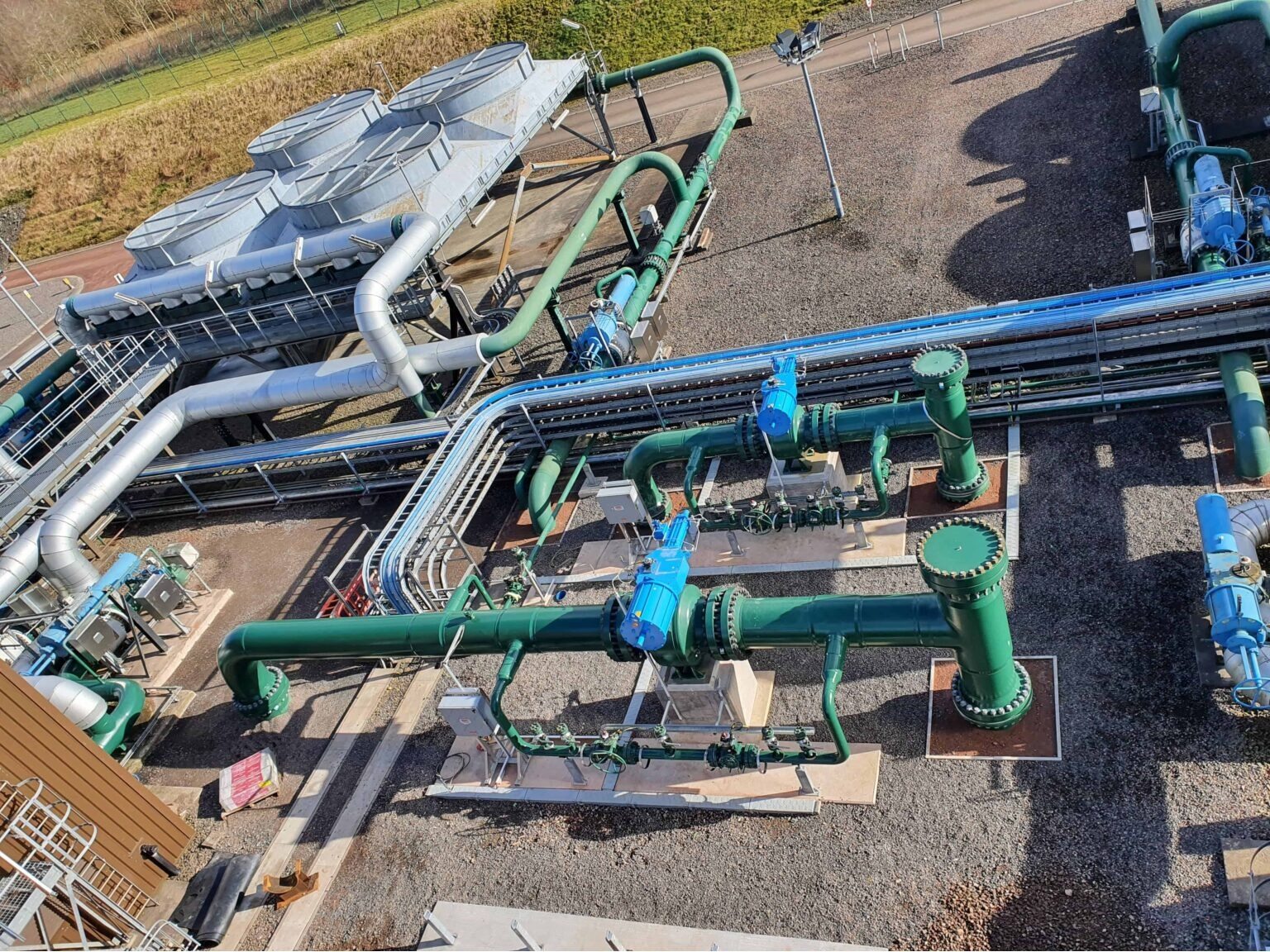
The Phase III project covers 8 provinces including Siem Reap, Bailin, Oud Mianzhi, Preah Vihear, Upper Dinh, Ratanakiri, Mondulkiri, and Kratie. The main construction includes 1174 pumping wells, 24 ponds, and 8 supporting water purification rooms.
Compared with the first and second phases, the third phase has increased the number of pumping well locations in remote northern provinces and built water ponds around each water purification plant, forming a well pond house linkage: pumping wells supply the pond during the dry season, and the water purification plant performs sedimentation and filtration on the raw water, allowing villagers to access standard clean water nearby. There are many mountainous tribes in areas such as Shangding and Ladanakiri, and water sources are severely depleted during the dry season. This type of combined water supply is particularly critical for the local area.
According to data from the Cambodian Ministry of Rural Development, approximately 58% of the rural population currently lacks safe water supply, and over 84% of communities lack basic sanitation facilities. The government aims to achieve full coverage of rural water supply and sanitation by 2030. After the completion of the third phase, it will significantly improve the clean water supply situation in northern Cambodia.
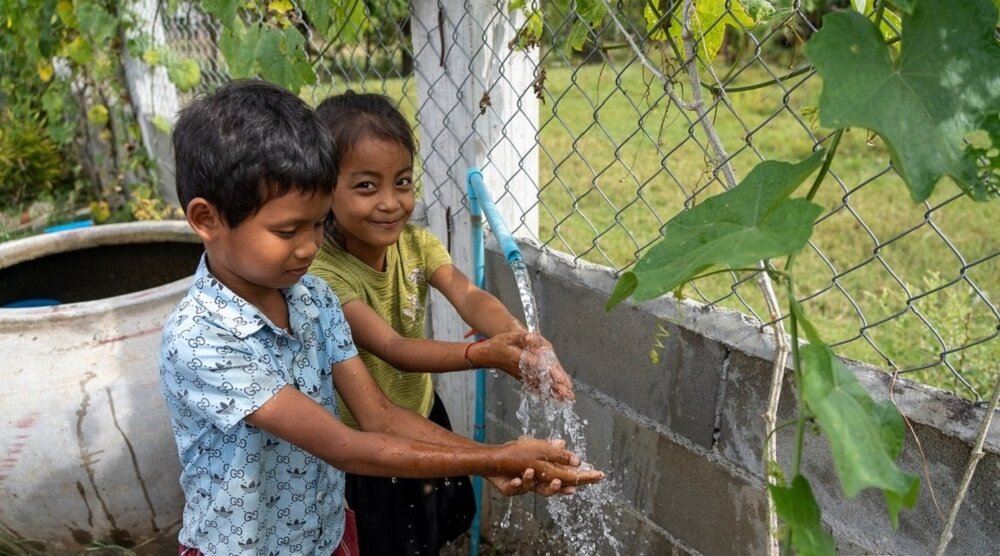
From road construction to water management
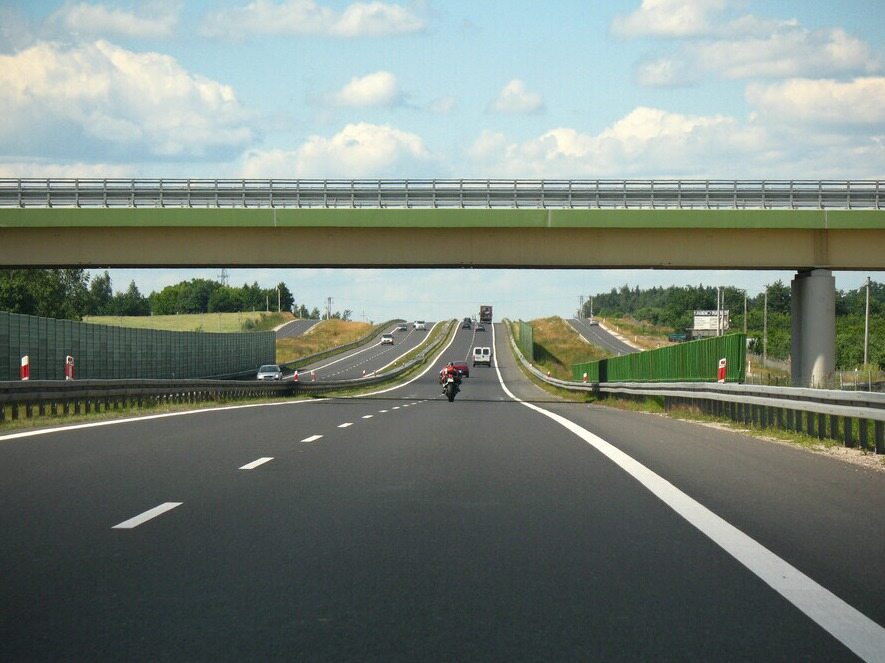
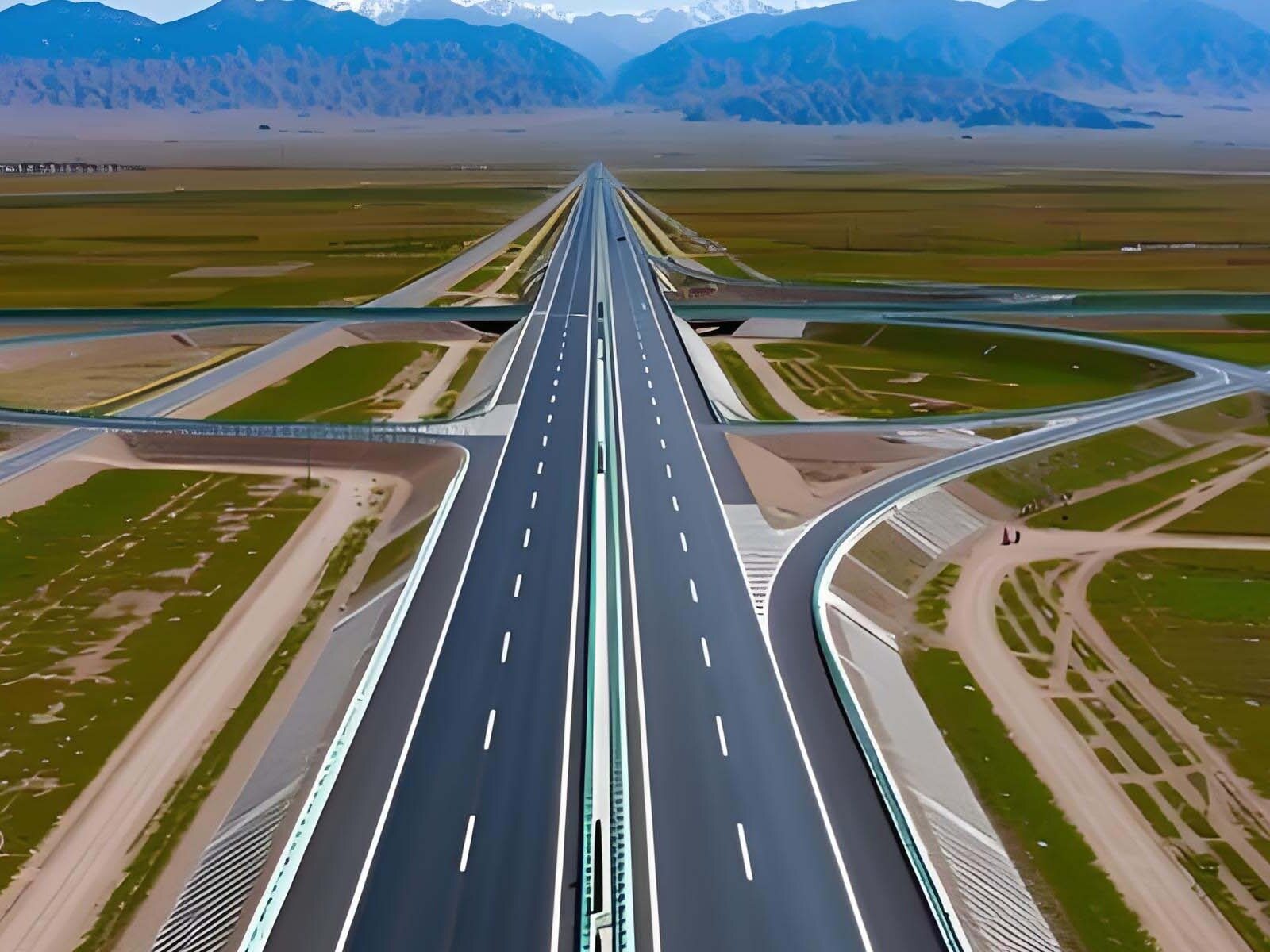
CRBC entered Cambodia in 2001 and has built over 2100 kilometers of roads, completed 17 livelihood infrastructure projects, and participated in the investment and construction of the Phnom Penh West Port Expressway in more than 20 years. But water management is another track: after the consortium won the bid for the Pobe sewage treatment plant in early 2026, the third phase of rural water supply is another substantial breakthrough for CRBC in the Cambodian water management field.
The Cambodia office regards this bid as a concrete achievement in implementing the company's three stability, three transformation, and six improvement strategies. From highway bridges to sewage treatment plants to rural water wells, the business boundaries are gradually pushed aside in local demand. For subsequent bidding, the third phase will leave a set of replicable performance samples - open bidding, EPC general contracting, 24 month delivery, and dispersed construction in multiple provinces, with each label corresponding to the next door opener.keywords:Engineering infrastructure
The drilling rig will be delivered to villages around Siem Reap in the coming weeks. After 24 months have passed, when Ming Sa and his companions walk to the village entrance, what they see is not a dry pond, but the white walls and blue roofs of the water purification room, and the steady flow of clean water from the faucet.Editor/Yang Meiling
Comment

 Praise
 Collect
 Comment

 Share
Share


Write something~