 Search


- Three countries work together to promote projects and create a major channel for interconnectivity in Central Asia
- Tackling complex technologies in high-altitude environments and ensuring project implementation through technological innovation
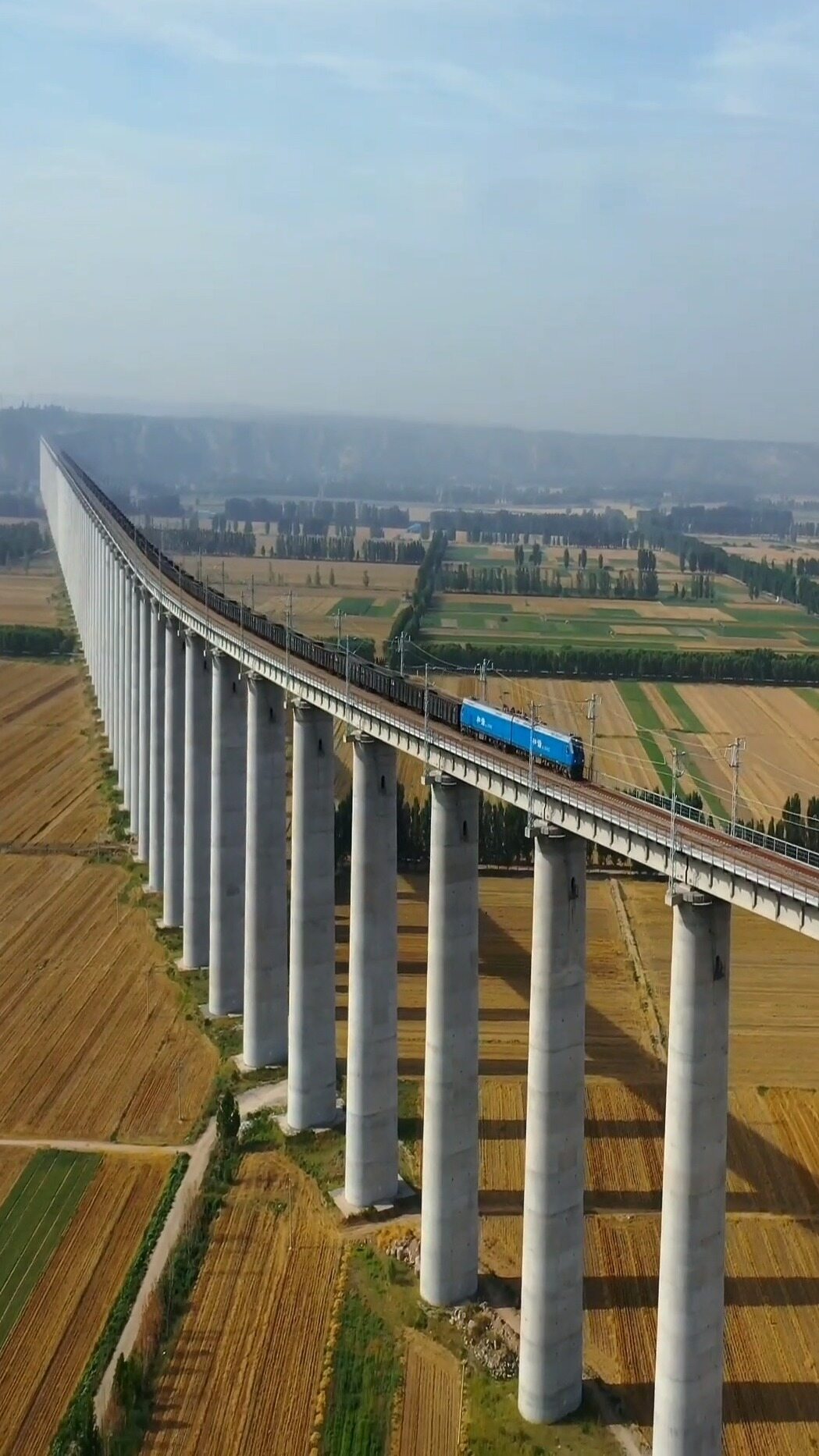
Under the snow and wind of Pamir, an ancient Silk Road that had been dormant for thousands of years is being awakened by steel. The China Kyrgyzstan Uzbekistan Railway spans the mountains and rivers of the Three Kingdoms, passes through high-altitude polar regions and complex geology, and tightly connects western China with the hinterland of Central Asia. The three countries are working together to break the natural danger. This landmark artery of the the Belt and Road is cutting into the mountains from the blueprint inch by inch.
Project Overview and Division of Labor
On August 24, 2026 in Bishkek, the China Kyrgyzstan Uzbekistan Railway is a landmark cooperation project under the the Belt and Road framework, promoted by the three heads of state, and a key connectivity project for China to connect with Central Asia. The representative of China Railway International Limited introduced the latest progress of the project to the outside world during the visit of the joint interview team of China Jilin News Media to Manas. The route starts from Kashgar, Xinjiang, enters Kyrgyzstan through the Turgat Pass, passes through Jalalabad, and ends in Andijan, Uzbekistan.
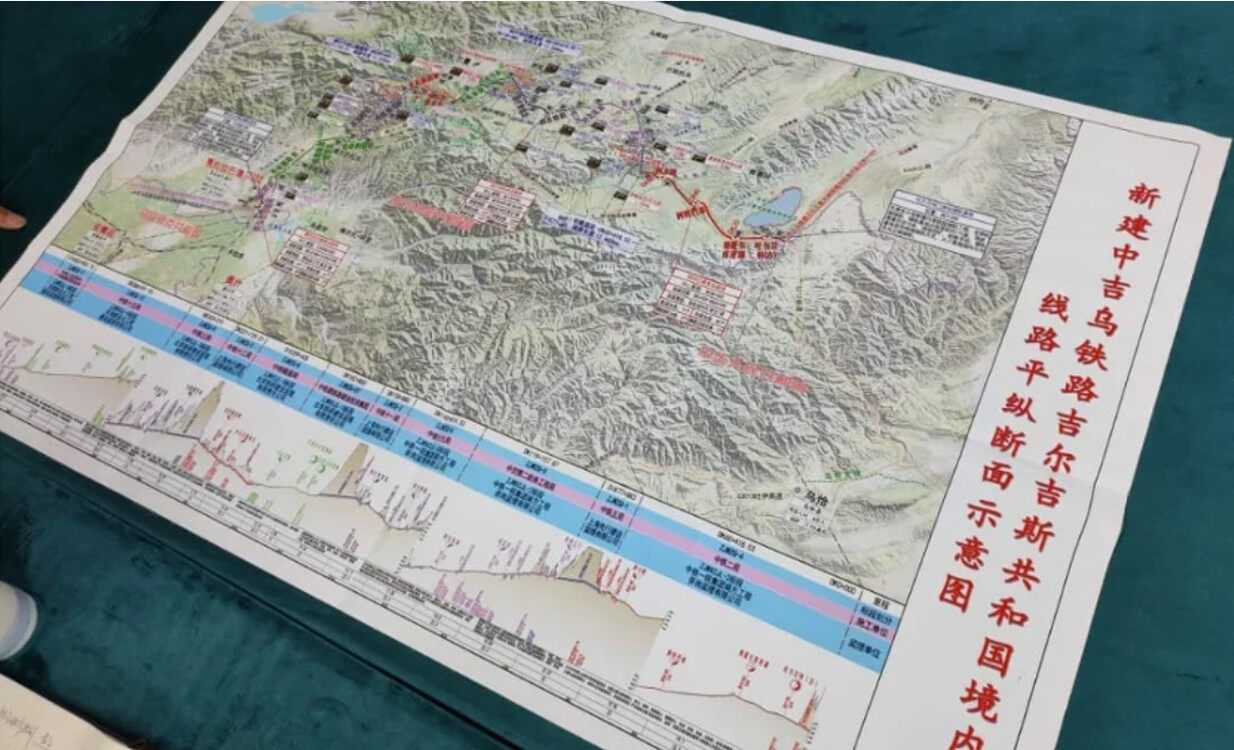
The three parties divide the construction tasks, with the Chinese side undertaking the construction of the domestic section and the Ukrainian side completing the upgrading and renovation of the domestic section; A joint venture company jointly established by authorized enterprises from three countries, fully responsible for the investment, financing, construction, and operation of railway lines within Kyrgyzstan. The specific implementing unit on the Chinese side is China Railway International Co., Ltd., a subsidiary of China Railway Group.
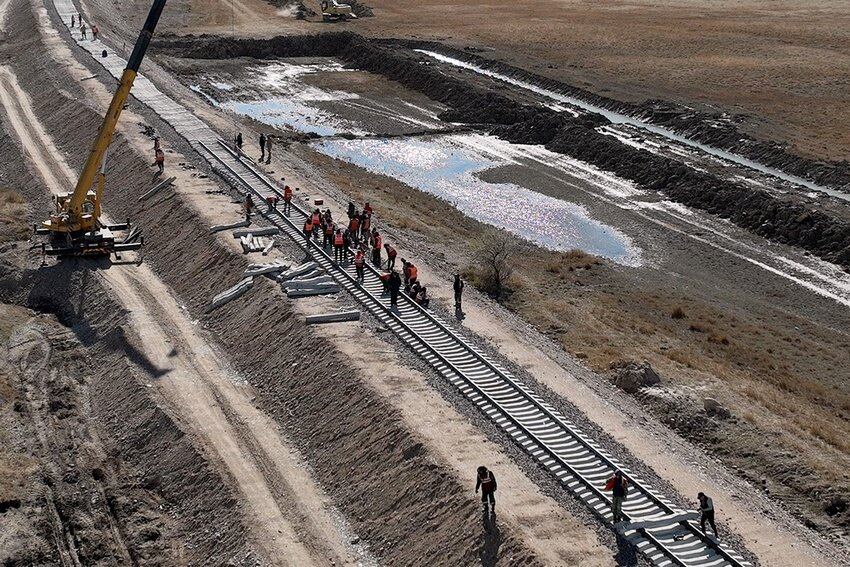
The total length of the railway line in Kyrgyzstan is 304.84 kilometers, designed as a single track internal combustion railway with reserved space for electrification transformation. The designed speed is 120 kilometers per hour, and the entire line is planned to have 20 stations, including three key stations in Turgat, Markmar, and Jalalabad. The route crosses multiple large mountain ranges and rivers, with an overall terrain that is high in the east and low in the west, resulting in significant height differences along the route.
Difficulties in engineering construction
The natural environment of the project construction area is harsh, with climates such as high altitude, severe cold, strong winds, and drought. At the same time, it is located in a high seismic intensity zone and faces complex geological hazards such as high ground stress and permafrost. The local external transportation is inconvenient, the supply of building materials is limited, and the winter is long. The combination of multiple factors greatly increases the difficulty of construction, making it a highly challenging cross-border infrastructure project.
Construction progress and technological breakthroughs
At present, all temporary access roads and power supply facilities in Kyrgyzstan have been put into use. In terms of the main project, 26 out of 29 new tunnels have started construction, and 1 has been completed; Out of 50 bridges, 40 have started construction; 83 sections of the 107 section roadbed have already started construction work. Keywords: China Kyrgyzstan Uzbekistan Railway, the Belt and Road News, Connectivity
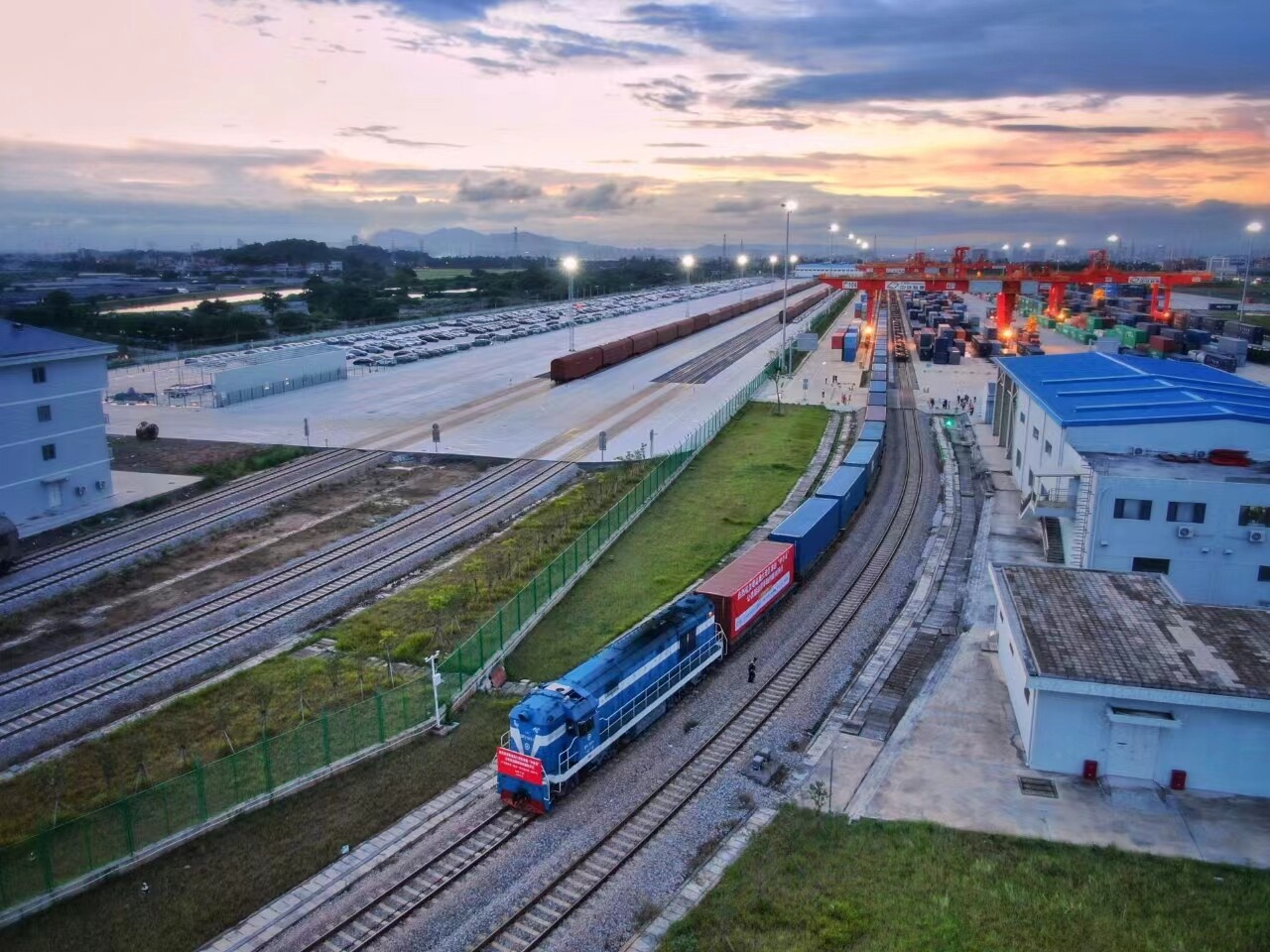
The construction team is facing the four high construction conditions of high altitude, low temperature, high ground stress, and high seismic intensity, while also taking into account the connection problem between the 1435mm and 1520mm track gauges. The focus is on tackling technical difficulties such as frozen soil, unstable surrounding rock, and cold concrete curing. Related technical research and process optimization continue to be carried out, and a complete set of construction plans for tunnels, drainage, roadbeds, and bridges that are suitable for high-altitude and cold environments have been formed to reduce construction risks, improve construction efficiency and engineering quality, and ensure the steady implementation of the project.Editor/Gong Ziwei
Comment




 Praise
 Collect
 Comment

 Share
Share


Write something~