 Search


- Synchronous strengthening of the power grid in northern and southern Xinjiang
- The 750 kV main grid in Xinjiang extends further to key nodes
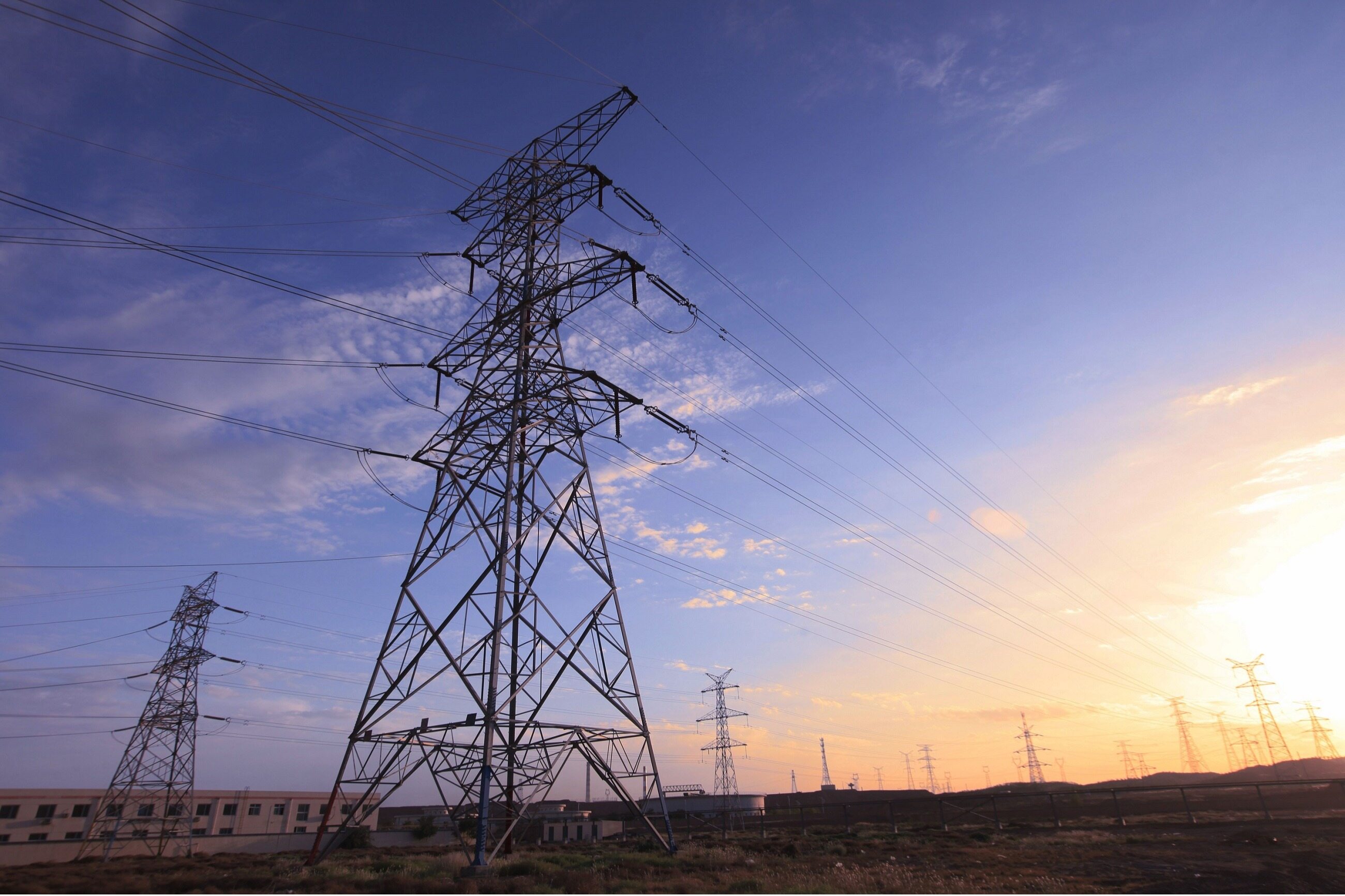
When the Gobi wind blows, the two power grid blueprints are launched almost in the same week at the western edge of the the Junggar Basin and the foot of the Pamir Plateau. China Energy Engineering Xinjiang Institute stood out from the third service bidding of State Grid Xinjiang Electric Power in 2026, and included the feasibility study and design integration tasks of Fuyun 750 kV transmission and transformation project (system led, substation part) and Kezhou 750 kV transmission and transformation project (Kashgar to Kezhou substation line I circuit) together.
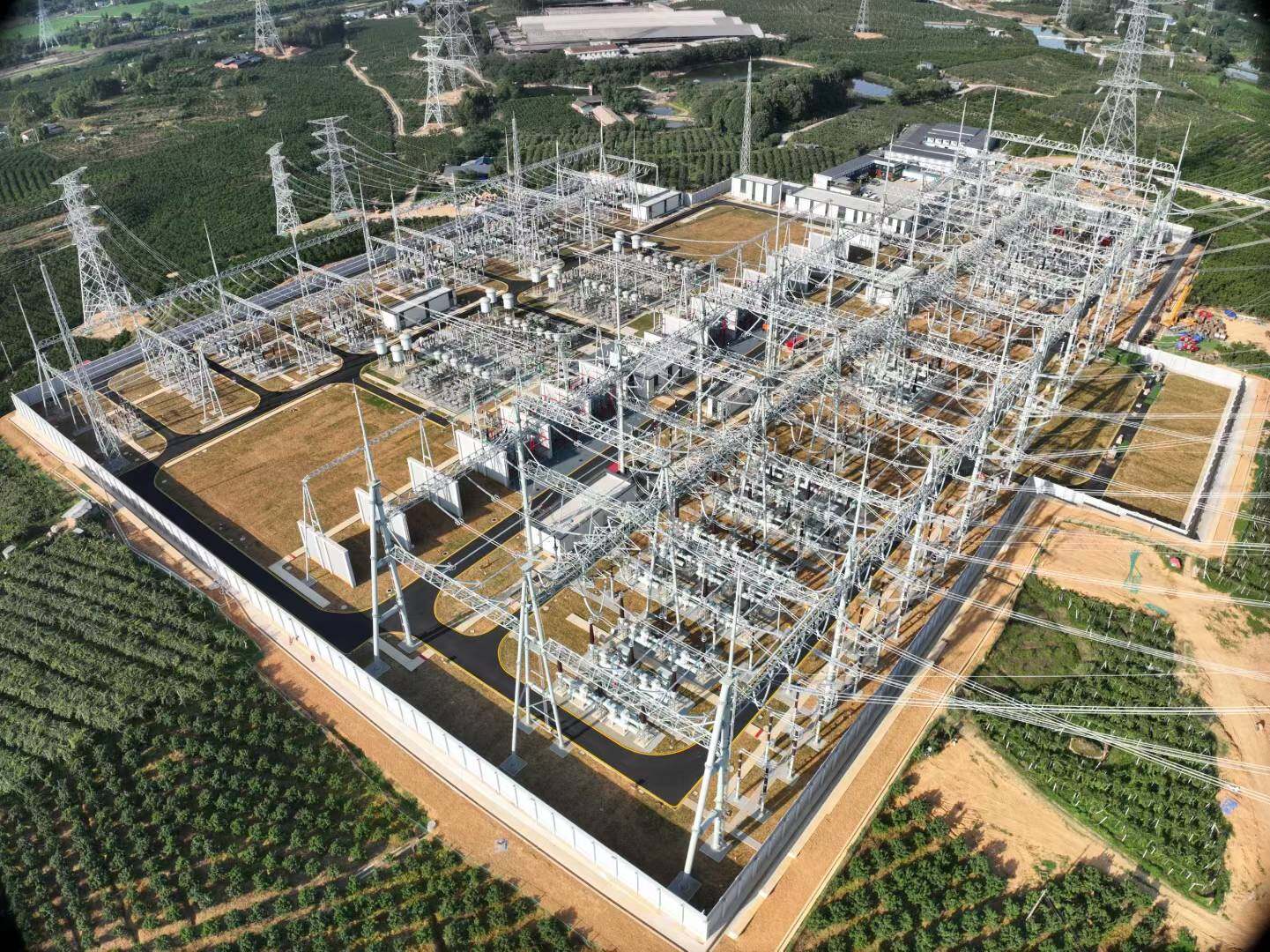
Northern Xinjiang Luozi Ring Network
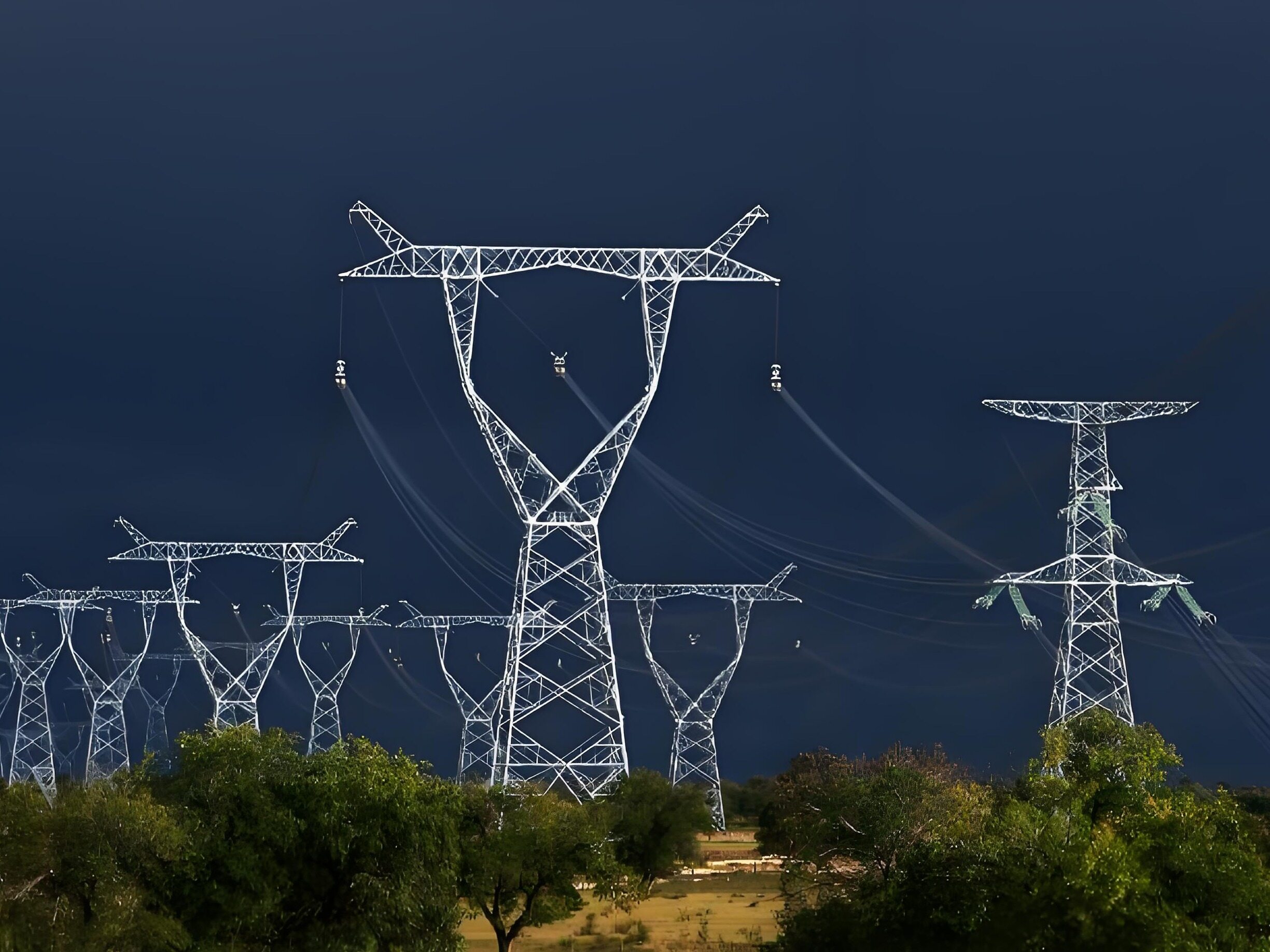
Fuyun 750 kV power transmission and transformation project anchor the important node of the western ring network of the Junggar Basin, which is the backbone channel of the clean energy base in northern Xinjiang. After the project is implemented, the mutual assistance ability between the power grids in northern and eastern Xinjiang will be significantly enhanced. Altay and Zhundong, which are rich in wind and solar resources, will have more stable export routes, and the construction of a clean energy highland in northern Xinjiang will receive a key ticket.
Southern Xinjiang fills in the gaps
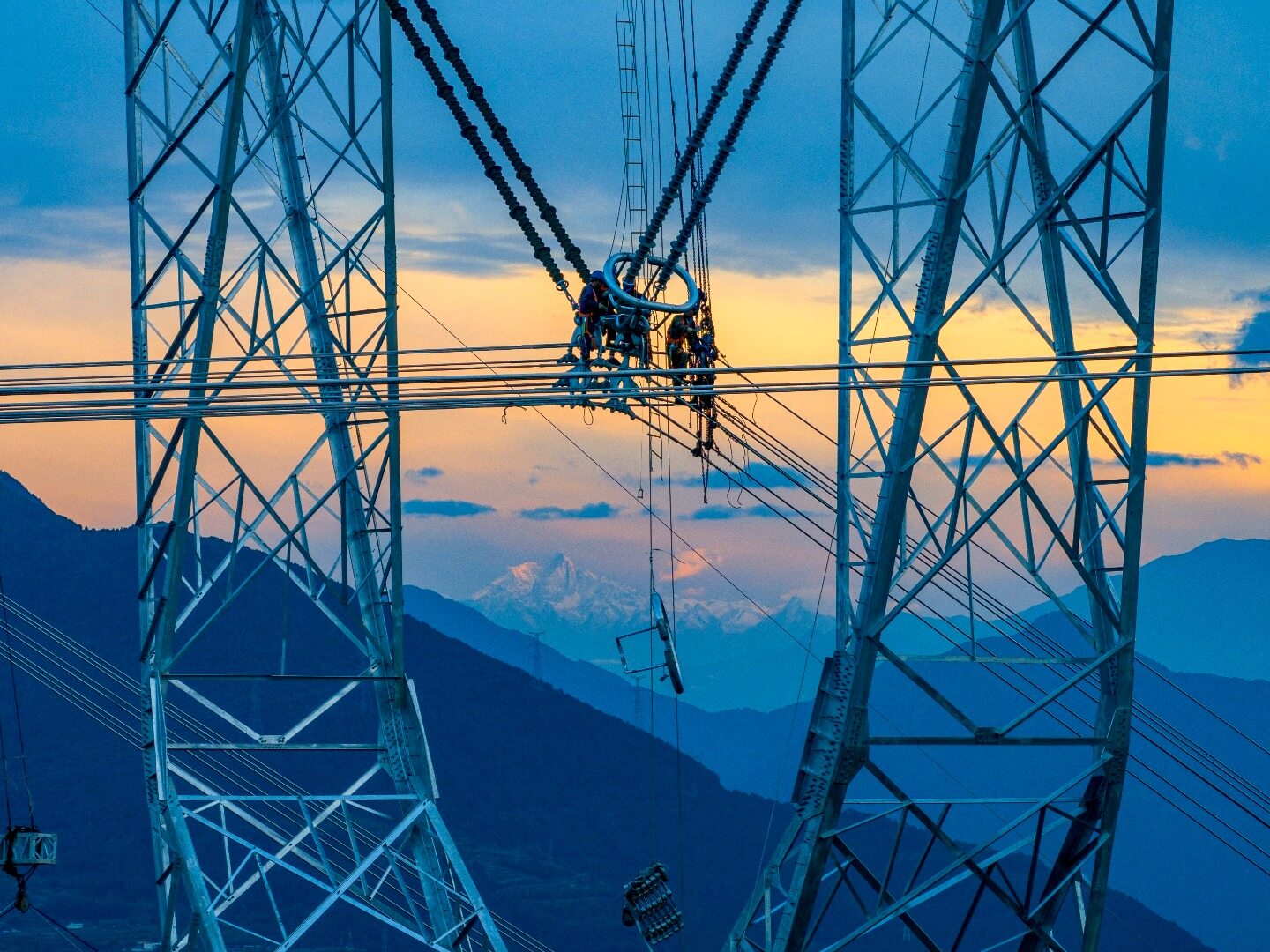
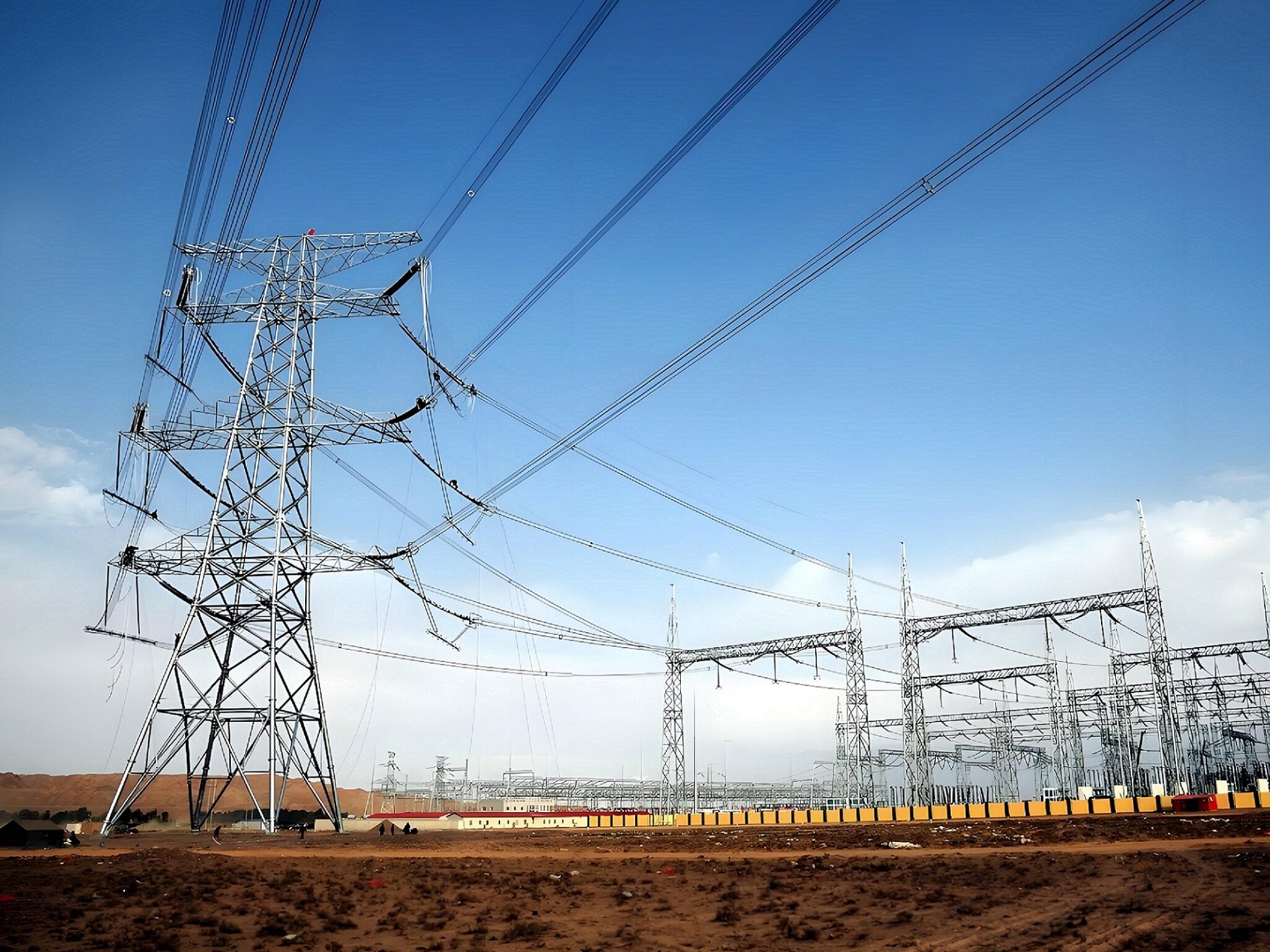
The 750 kV transmission and transformation project in Kezhou connects the Kashgar to Kezhou transmission lines in a straight line, creating a high-voltage transmission corridor from Kashgar to Kezhou. In the past, Kezhou mainly relied on a 220 kV grid to supply power to Kashgar and Aksu, and the pressure on winter electric heating load became obvious. After the addition of 750 kV channels, the shortcomings of the western ring network in southern Xinjiang have been filled, and the reliability of regional industrial electricity and residential power supply has been synchronously improved.
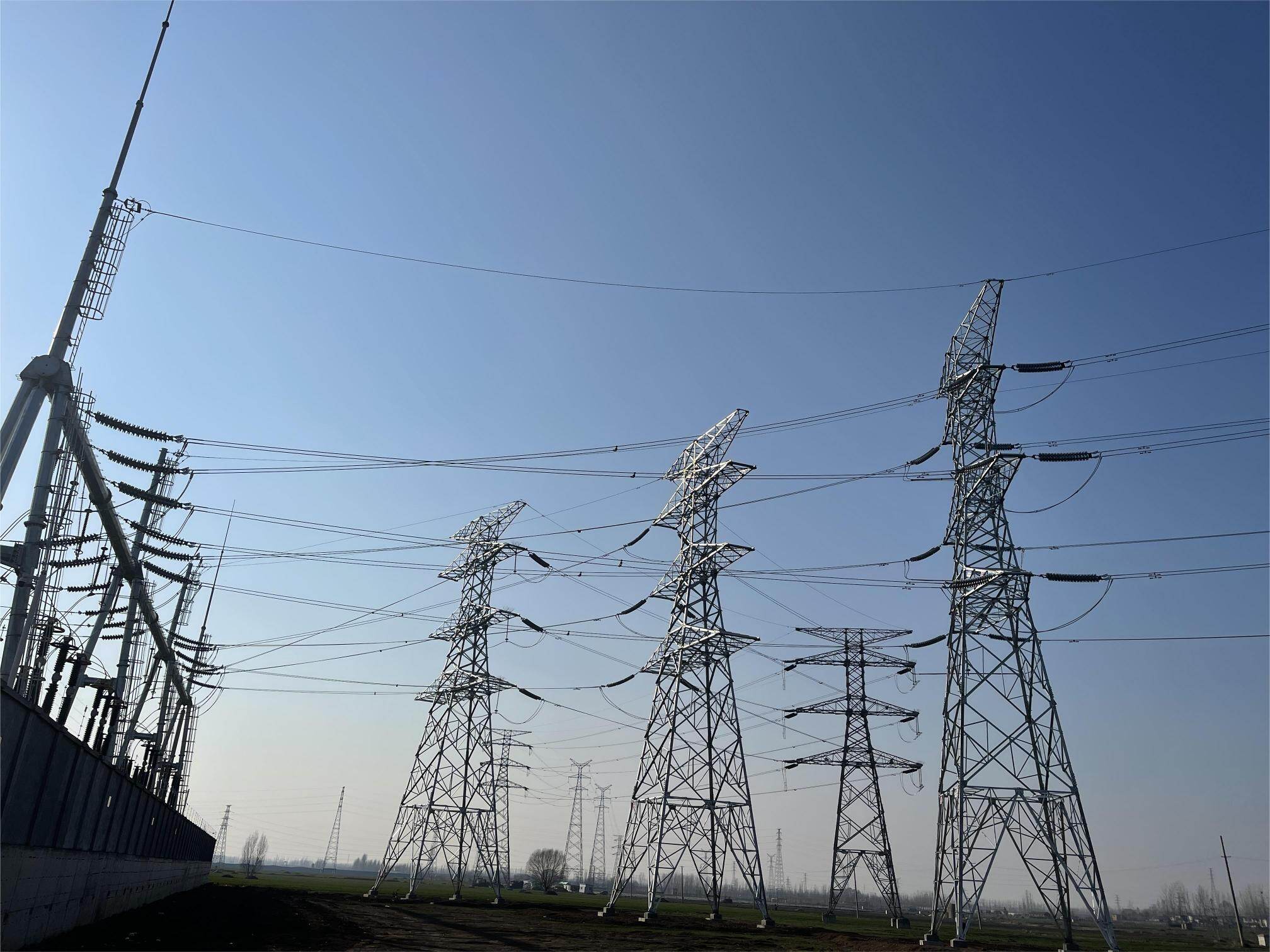
The two projects are located at key nodes in northern and southern Xinjiang, jointly serving the backbone pattern of Xinjiang's internal supply seven ring network and external multi-channel transmission.keywords:Engineering infrastructure
At present, there are 28 750 kV substations in Xinjiang, with over 10000 kilometers of transmission lines. With each additional ring added to this network, there is an extra layer of confidence in new energy consumption and load support. From the western edge of Junggar to the mountains of Kezhou, two 750 kV lines are still on the blueprint, but their endpoints are clear: to allow the wind of northern Xinjiang and the light of southern Xinjiang to enter factories and villages more smoothly.Editor/Yang Meiling
Comment


 Praise
 Collect
 Comment

 Share
Share


Write something~