 Search


- The export scale of 28.5 million kilowatts is just a new starting point for China's wind power to go global
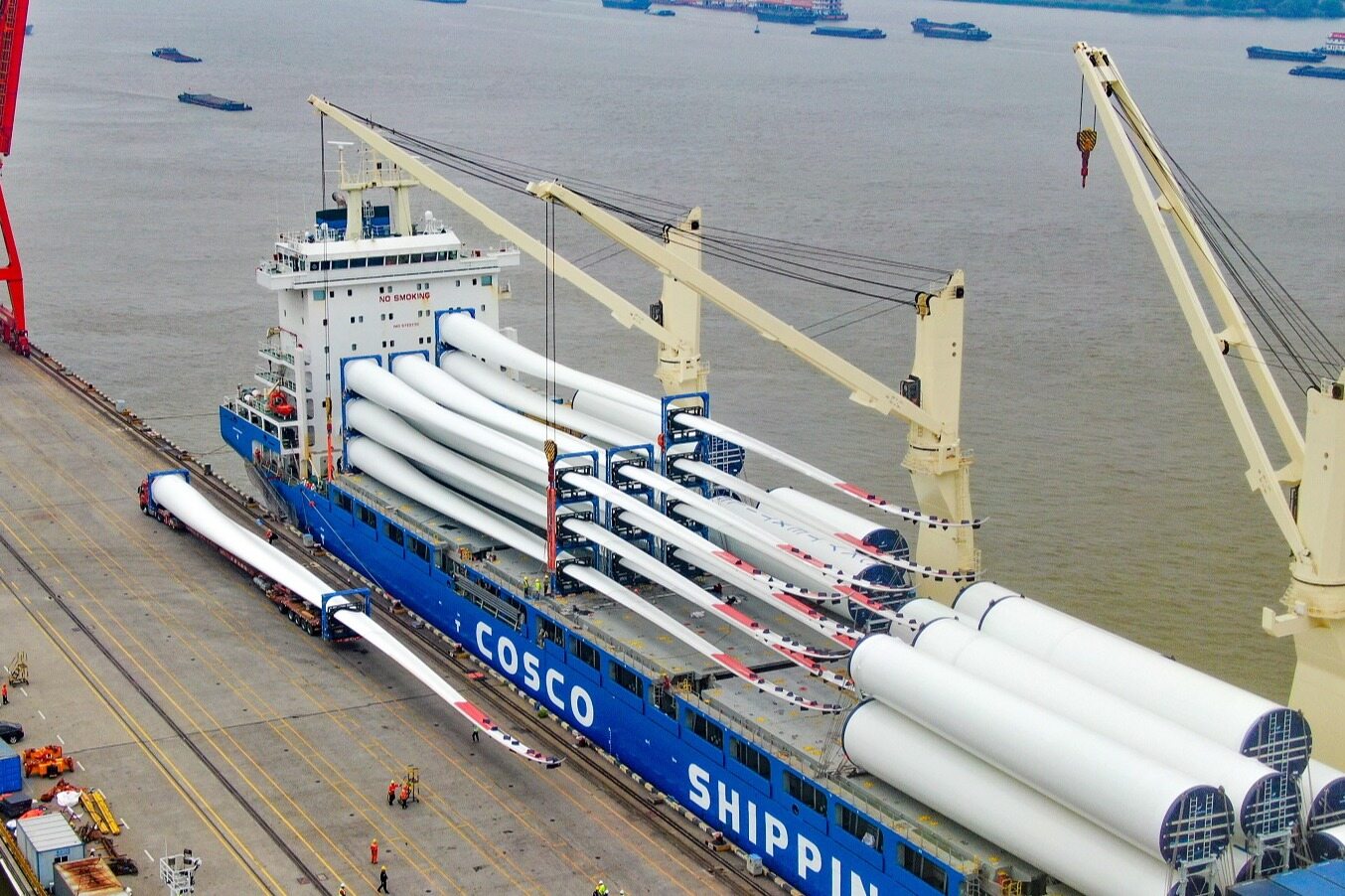
In the summer of 2026, a cargo ship from Hamburg Port honked its whistle and docked, while a Chinese made megawatt wind turbine slowly unloaded from the dock. This is the 17th batch of Chinese wind power equipment to be delivered to the European Union this year. According to customs data, the annual export growth rate was 48.7%, the EU market growth rate was 65.9%, and the annual export volume was 28.5 million kilowatts, which became tangible metal weight in the sea breeze at the port.
The overseas project manager of a Chinese complete machine manufacturer standing at the dock receiving goods, holding the just printed equipment customs clearance documents in his hand, knew in his heart that behind the lively numbers, an invisible trust test had just begun.
20 year operation certificate that cannot be obtained
He just had a pre bid meeting with a local European developer last week, and their question was like a slow knife: "Your fan parameters are very beautiful, but who can prove that it can operate steadily for 20 years in the salt fog of the North Sea
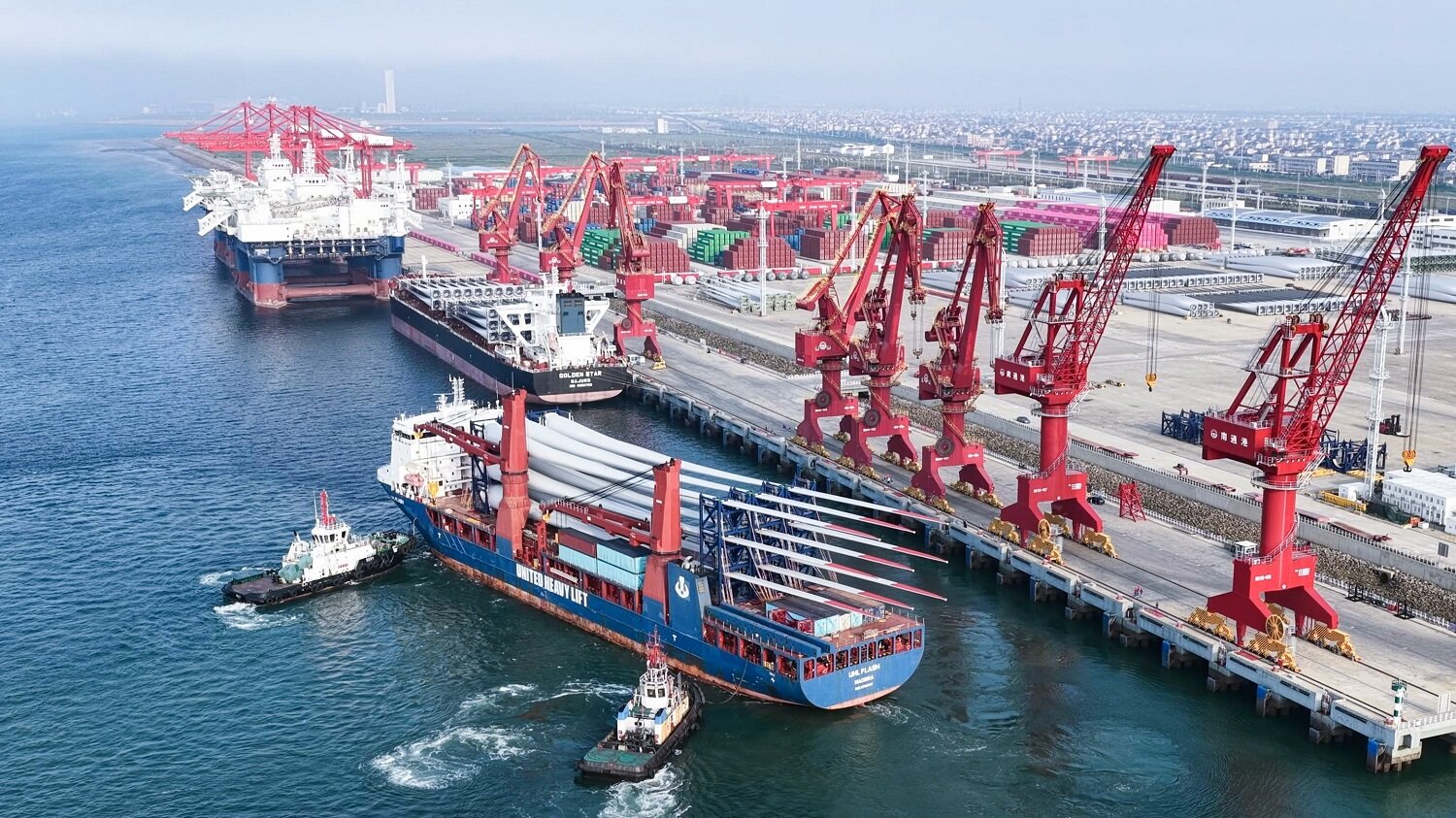
The top six newly installed wind turbine manufacturers worldwide are all Chinese funded enterprises. When this unprecedented list appeared on the front page of industry media, almost all overseas players were stuck in the same vicious cycle: large megawatt wind turbines have only been exported on a large scale for a few years, and no one can provide a complete set of overseas full lifecycle operation data.
Without a 20-year operating record, one cannot be shortlisted for high-end projects; Without obtaining high-end projects, one cannot accumulate long-term data that can convince financial institutions. Even if the quotation is 15% lower than that of competitors, there will always be a prominent question mark in the "financiability" column in the evaluation reports of overseas owners and banks.
The password for breaking the game hidden in the lubricating oil
The entire industry is relentlessly pursuing prominent hard technologies such as blade materials, spindle bearings, and overall machine design. No one pays attention to the oil testing reports stored in the equipment maintenance room, which hold a key to opening the door of trust.
In the first half of 2026, over 12GW of overseas wind turbines in operation across the industry have been connected to online oil monitoring systems. The wear trend of the gearbox, the fatigue level of the bearings, and the subtle changes in the oil film thickness are all clear numerical evidence in the oil samples taken regularly.
You can't prove to the owner in advance that this typhoon has been running smoothly for 20 years, but you can put the monthly oil testing report on the table and clearly tell them that every core component of it is now operating within the healthy range, and all potential risks are being tracked in real time.
The White Paper on High Quality Overseas Development of China's Advanced Manufacturing Industry in 2026 straightforwardly states that industrial lubrication, an invisible system that everyone treats as consumables, is precisely the key link that connects manufacturers, owners, certification agencies, and insurance companies. A globally recognized OEM lubrication certification is itself a trusted passport that does not require repeated explanation.
From selling equipment to selling for 20 years with certainty
Last year in Brazil, a Chinese wind turbine experienced unnecessary component wear and tear due to the temporary purchase of lubricating oil that did not meet certification standards. The cross-border operation and maintenance travel expenses and power purchase contract fines alone consumed nearly 3% of the project's profits.
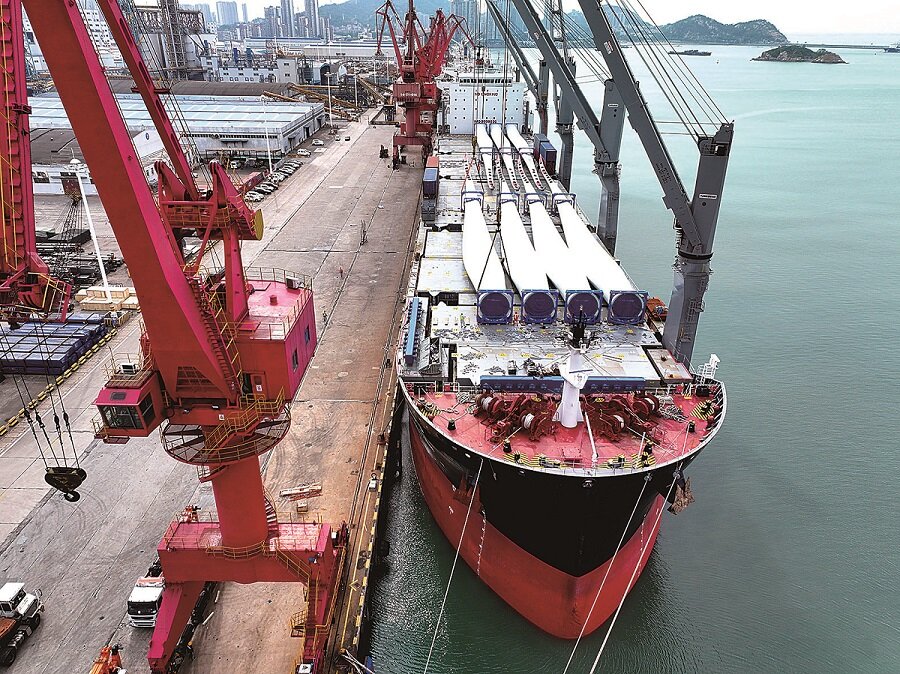
No one dares to directly copy domestic operation and maintenance plans overseas anymore. The high-temperature sand and dust in the Middle East, the extreme cold of minus 20 degrees in Northern Europe, and the high salt spray in Latin America all require simulation and matching tests before leaving the factory. Among the newly signed overseas projects in the first half of 2026, the proportion of orders with full lifecycle operation and maintenance clauses has directly increased to 60%, compared to less than 30% two years ago.
From the Gobi Desert in South America to the grasslands of Central Asia, Chinese wind power professionals have finally come to understand one thing: what overseas customers buy is never blades that are tens of meters long or towers that weigh hundreds of tons, but the certainty of the power generation revenue per kilowatt hour in the next 20 years.
The export figure of 28.5 million kilowatts is just the prologue to the story. What truly determines whether Chinese wind power can stand firm in the global market is never the piles of new wind turbines in ports, but the solid trust foundation hidden in every oil product testing report, every pre construction simulation verification, and every globally unified certification.Editor/Cheng Liting
Comment


 Praise
 Collect
 Comment

 Share
Share


Write something~