 Search


- Johor relies on various advantages to grow into a core growth pole of Asia Pacific super large scale computing power
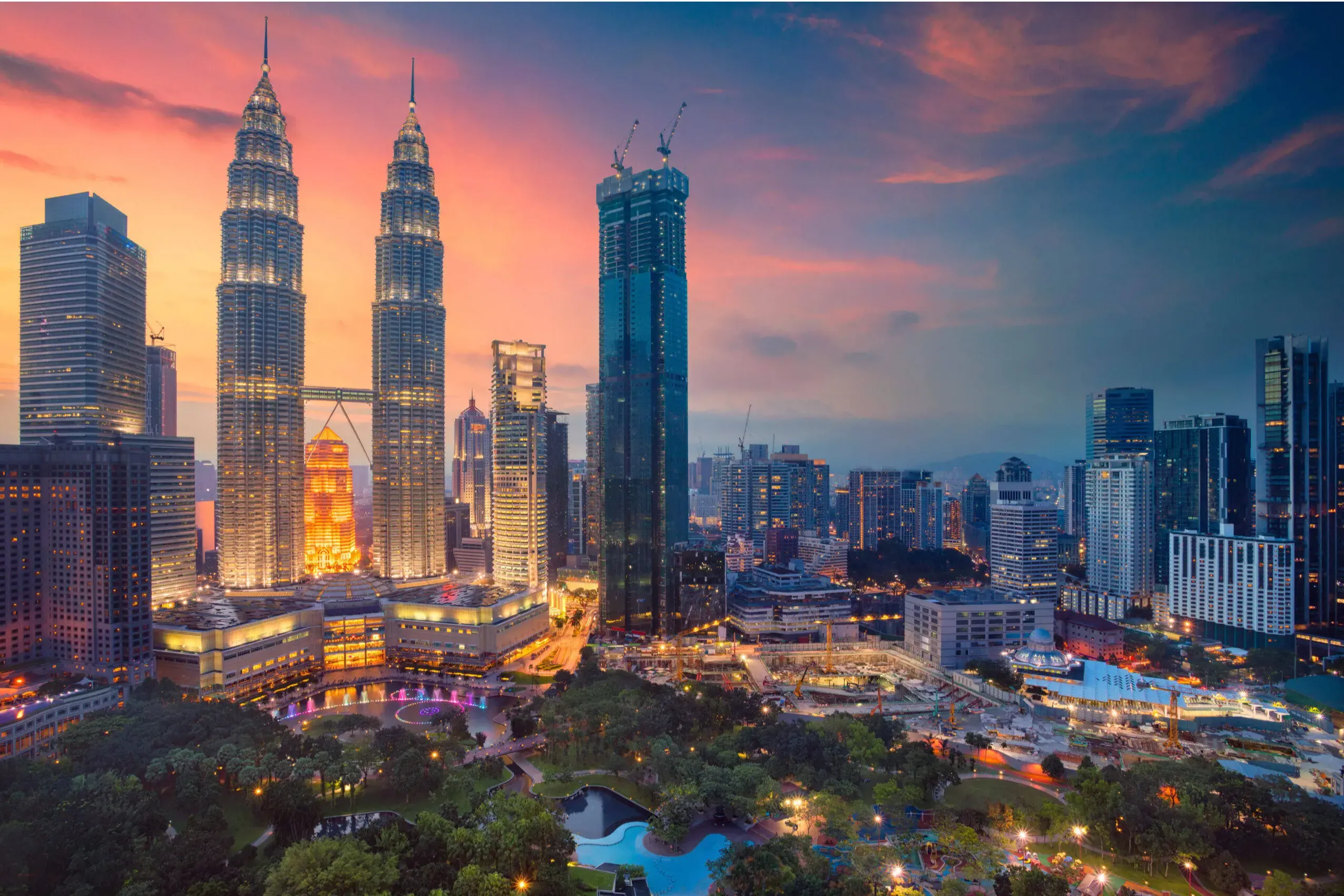
Driving south through the New Johor Bahru Causeway from Singapore for half an hour, large data centers with simple appearances are gradually connected to the power grid next to the contiguous industrial land. In the past three years, Johor has completely jumped out of its position as a recipient of Singapore's computing power spillover and grown into the fastest-growing large-scale computing industry cluster in the Asia Pacific region, rewriting the industrial map of Southeast Asia's digital infrastructure.
The turning point of the industry from project grabbing to project screening
The national data center market in Malaysia is expected to undergo a significant structural shift in 2026. In the first half of 2026, the approved investment in the field of information and communication in China exceeded 103.3 billion ringgit, of which data centers and cloud computing projects contributed 95.8 billion ringgit, accounting for 44% of all approved investments in the country. Since 2021, the cumulative investment in computing power related to the country has reached nearly 385.7 billion ringgit, and global technology giants such as Microsoft, Google, and Oracle have all landed large-scale layouts here.

While the market is expanding, the government's entry barriers are rapidly tightening. Starting from 2026, Malaysia will no longer unconditionally undertake traditional hosted data center projects. Only computing infrastructure that directly serves AI research and development and has high added value attributes can receive priority approval. Electricity supply, water resource security, green operation indicators, and local industrial chain driving effects have become the four core assessment criteria for whether projects can be implemented, and the entire industry has officially bid farewell to the stage of extensive expansion in the past.
Four major conditions jointly support the computing power cluster in Johor
Johor's ability to stand out among the candidate regions in Southeast Asia lies in the synergy of four key conditions. The geographical advantage of being adjacent to Singapore enables the two places to form a seamless dual node architecture. The network latency of most cross-border computing projects is controlled within 2 milliseconds, which retains Singapore's network hub attributes while also releasing large-scale computing deployment space externally.
The industrial land price in Johor is only 30% of that in Singapore, which can provide hundreds of acres of contiguous land, perfectly adapting to the construction needs of super large computing power parks with a capacity of 100 MW or even GW in the AI era. The power access green channel launched by the National Energy Corporation of Malaysia compresses the traditional 36 to 48 month grid access cycle to as fast as 12 months, providing a first mover advantage of nearly two years for global cloud providers compared to the 24 to 36 month queuing cycle commonly seen in markets such as Australia. Combined with the comprehensive operating costs lower than Singapore and the special industrial incentive policies of the New Johor Special Economic Zone, Johor's core competitiveness is no longer low prices, but a composite value that can simultaneously meet the needs of neighboring hubs, sufficient land, rapid power access, and policy friendliness.
Electricity and water become the core competitive points in the next stage
As of 2026, Johor's operational IT capacity has reached 1110MW, ranking third in the Asia Pacific region, and its planned reserve capacity of 8542MW ranks first in the Asia Pacific region. The vacancy rate of co located data centers is only 0.7%. The core standard for determining the true implementation of a project in the industry is no longer the publicly available planning figures, but whether a formal power supply agreement has been signed, the high-voltage power grid has been connected, and the corresponding capacity has been locked in. Keywords: data center, computing power
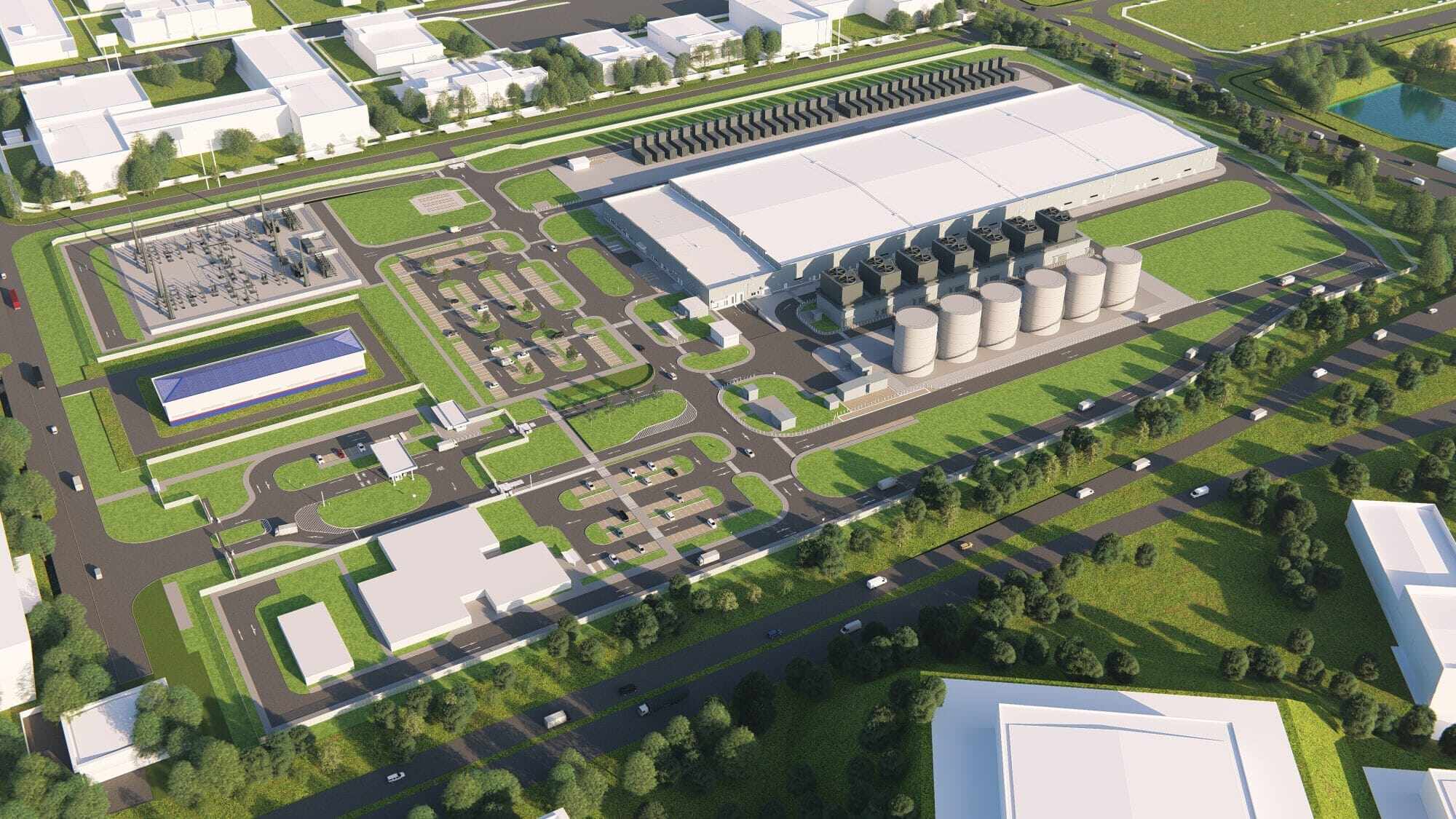
The era of unconditional low-cost operation in the past has come to an end. After the electricity price increase in Peninsular Malaysia in 2025, ultra-high voltage large users will be included in the highest electricity price range, and the overall electricity cost of large data centers will increase by 10% to 14%. Water resource constraints have also emerged simultaneously. Johor has set up a special high water price, suspended the approval of high water consuming traditional data centers, and required all newly built computing power projects to prioritize the use of recycled water cooling, air cooling, and water circulation technologies for upgrading speed, which will directly determine the boundary of future industrial expansionEditor/Cheng Liting
Comment


 Praise
 Collect
 Comment

 Share
Share


Write something~