 Search


- The total value of foreign trade is 520 billion yuan, and Xinjiang's Eurasian hinterland has become an open frontier
- New three types of imports for export to improve quality, Xinjiang's foreign trade moves towards high-end leap
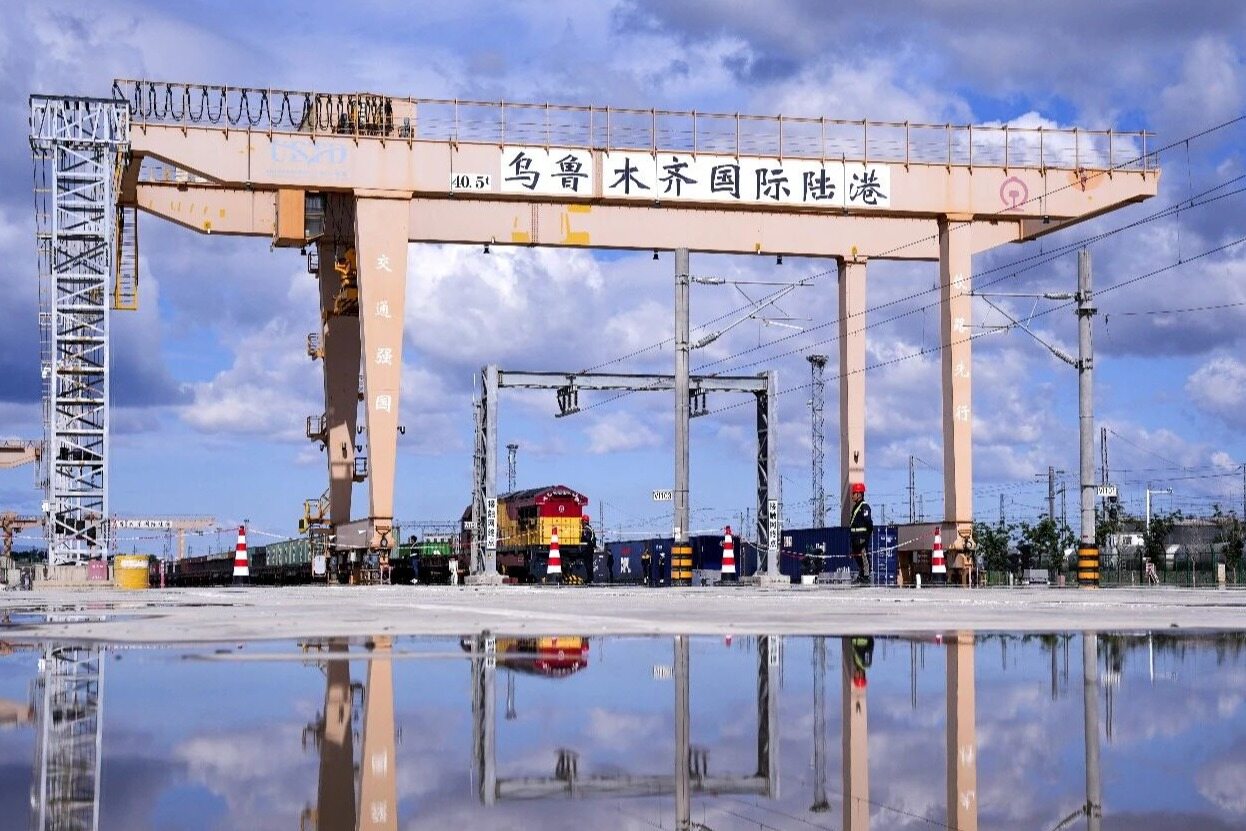
The autumn wind swept over the Tianshan Mountains, blowing camel bells and sirens into the depths of Asia and Europe. Xinjiang, a land that does not rely on the sea or the river, is the core area of the Silk Road Economic Belt and its pivotal position in opening up to the west is increasingly prominent. On the occasion of the 13th anniversary of the the Belt and Road Initiative, in September 2026, the research team of the China Belt and Road Network went deep into the north and south of Tianshan, walked through ports, platforms and workshops, collected a group of three in-depth observation papers, and recorded a qualitative change road with both scale and quality.
Asia Europe hinterland becomes a global circle of friends
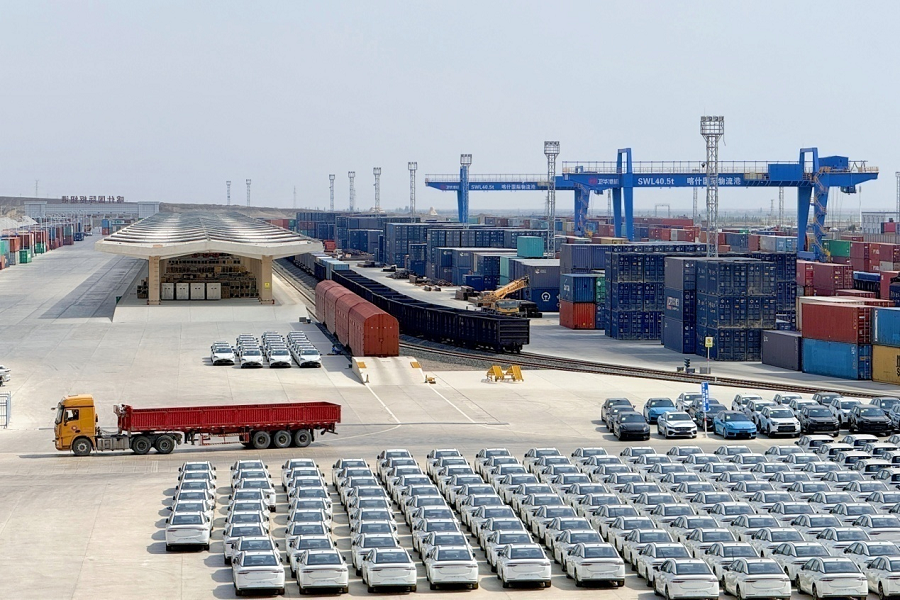
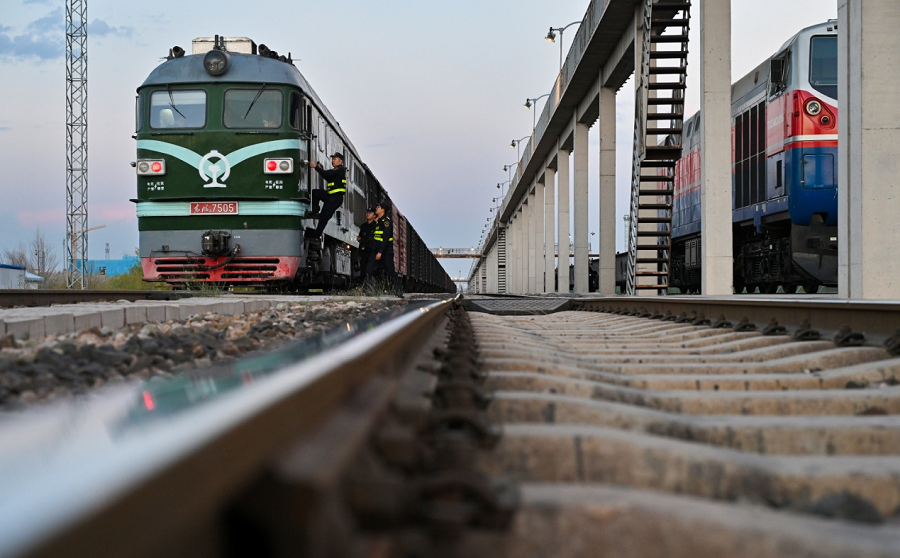
During the 14th Five Year Plan period, the total import and export value of Xinjiang's foreign trade has continuously crossed four hundred billion yuan steps, reaching 520.37 billion yuan by 2025, with amounts of 200 billion yuan, 300 billion yuan, 400 billion yuan, and 500 billion yuan. According to Urumqi Customs statistics, the total import and export value of Xinjiang in the first eight months of this year reached 394.7 billion yuan. The Alashankou Railway Port currently has more than 20 daily China Europe freight trains, connecting 21 countries including Kazakhstan, Germany, and Poland. The cargo categories have expanded to over 200 types, including automotive parts and electromechanical equipment. Xinjiang's 19 open ports operate efficiently and establish trade relations with over 200 countries and regions. In the past three years, Xinjiang's total foreign trade value with the five Central Asian countries has remained above 270 billion yuan, accounting for more than half of the total foreign trade value. About 90% of the cars in Kashgar International Hub Port are sold to Central Asian countries and Europe. Steel is exported to Kyrgyzstan for the construction of the China Kyrgyzstan Uzbekistan railway. Khorgos Road Port has become an important channel for the import and export of fruits with Central Asian characteristics. In the first eight months of 2026, Xinjiang's imports and exports to ASEAN and Africa increased by 53.5% and 134.4% respectively year-on-year.
Big in, big out, turning into excellent in, excellent out
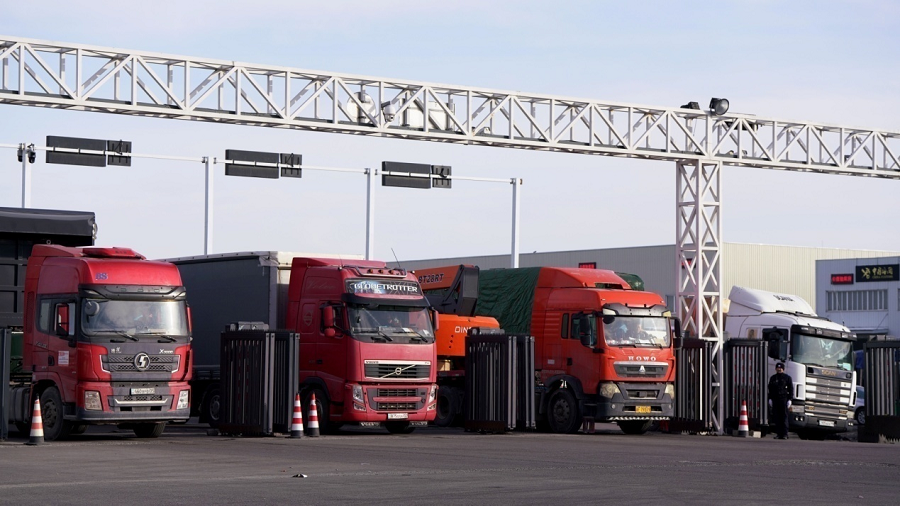
At the Karasu Port, located at an altitude of over 4000 meters, rows of brand new domestic cars, trucks, and excavators are ready to be shipped to Tajikistan and various Central Asian countries. Domestic new energy vehicles are particularly popular among Central Asian people. In the first eight months of 2026, the export value of electromechanical products and electric vehicles in Xinjiang increased by 15.6% and 44.7% year-on-year, respectively. The export growth rate of new energy vehicles, lithium batteries, and photovoltaic products in Yili Prefecture once exceeded 100%. In the first half of 2026, 1709 vehicles of wind power equipment will be exported at Khorgos Highway Port, with a year-on-year growth of 44.3%, a record high. The import structure has also been upgraded. In the first 8 months, the import value of bulk commodities, agricultural products, and mechanical and electrical products increased by 31.1%, 50.4%, and 222.9% year-on-year, respectively. Alashankou Xinbo Oil and Gas Pipeline Company imports steel raw materials from Central Asia to produce welded steel pipes, and overseas trucks can directly enter the factory for loading and export. The channel economy is transforming into an industrial economy, from delivering goods to retaining goods.
Mode innovation promotes the integration of business models
The Kashgar area of China's Xinjiang Pilot Free Trade Zone has implemented a road port plus territorial direct access model for more than two years. Container trucks travel directly from Kashgar Comprehensive Bonded Zone to the country's borders, exit through Hongqilafu Port, and go directly to Sust Port in Pakistan, with customs clearance time reduced to hours. This model has been implemented in 13 highway ports in Xinjiang, and the proportion of cargo passing through highway ports has increased from 13% before implementation to 20.5% by 2025. The combination of smart railway ports and local fast customs clearance has reduced the cost of local inspection logistics by 67% and increased efficiency by 20%. In January 2026, the first batch of TIR and cross-border e-commerce services in Xinjiang will be launched in Kashgar, providing direct access to the ports of Haohan in Uzbekistan and Sust in Pakistan. Leveraging the cross-border trade and processing model, Tacheng will connect the participation of border residents, cooperative linkage, and enterprise processing industry chain, achieving prosperous ports, thriving industries, and enriching the people. Keywords: Xinjiang foreign trade, China Europe freight trains, Silk Road Economic Belt
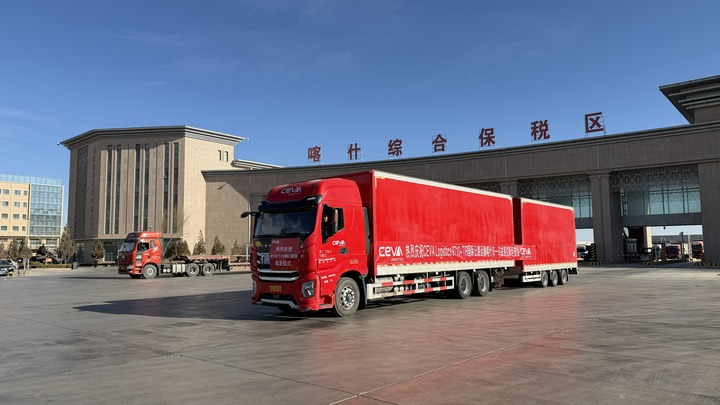
From quantitative accumulation to qualitative leap, Xinjiang's foreign trade is not only a digital climb, but also a structural optimization, kinetic energy transformation, and pattern reshaping. Starting from the 500 billion yuan step, we are accelerating towards higher quality, deeper levels, and wider fields, and writing a new chapter of opening up to the outside world on the Eurasian continent.Editor/Min Jing
Comment


 Praise
 Collect
 Comment

 Share
Share


Write something~