 Search


- Digital empowerment of the Yangtze River waterway, solving the dilemma of traditional logistics information silos
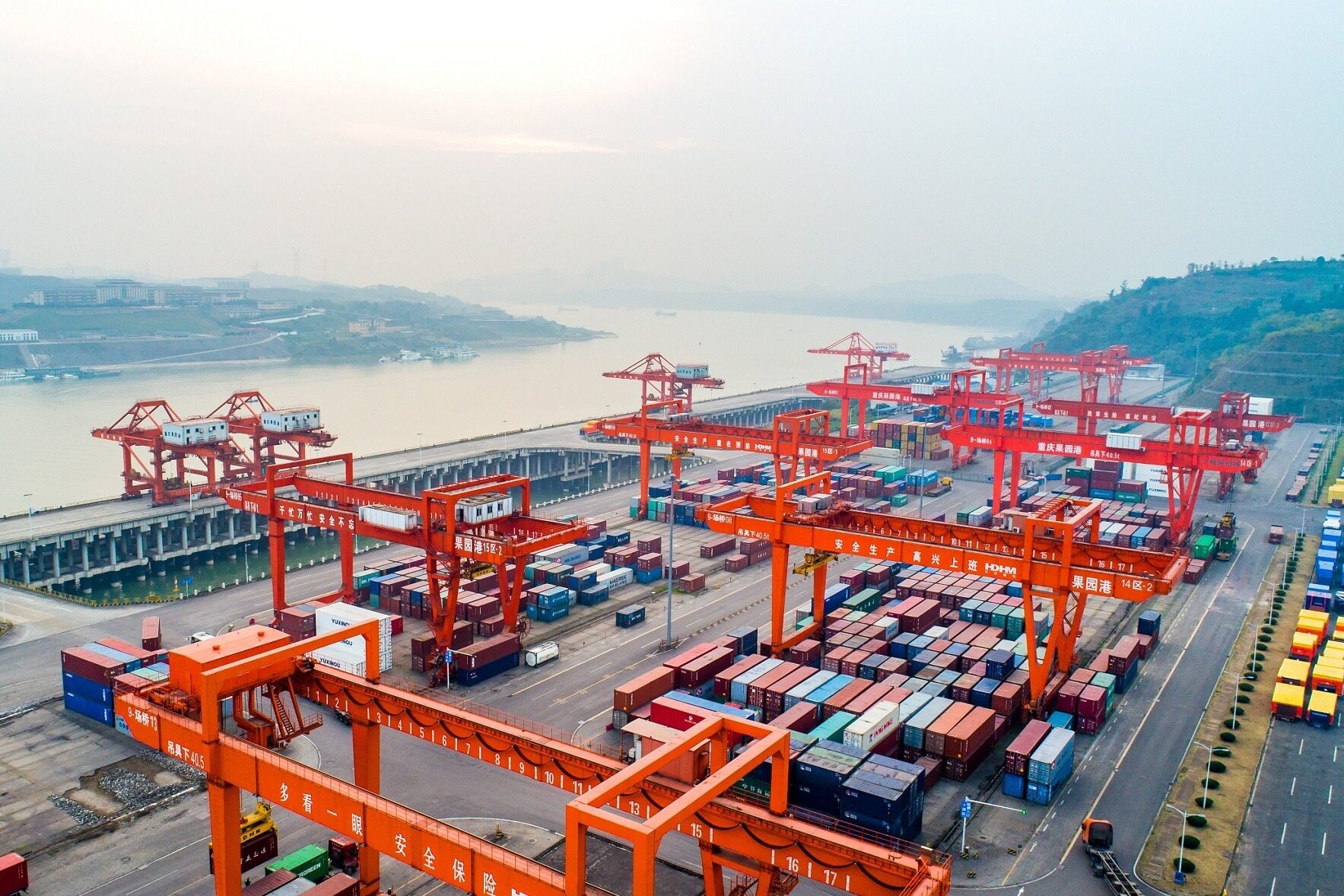
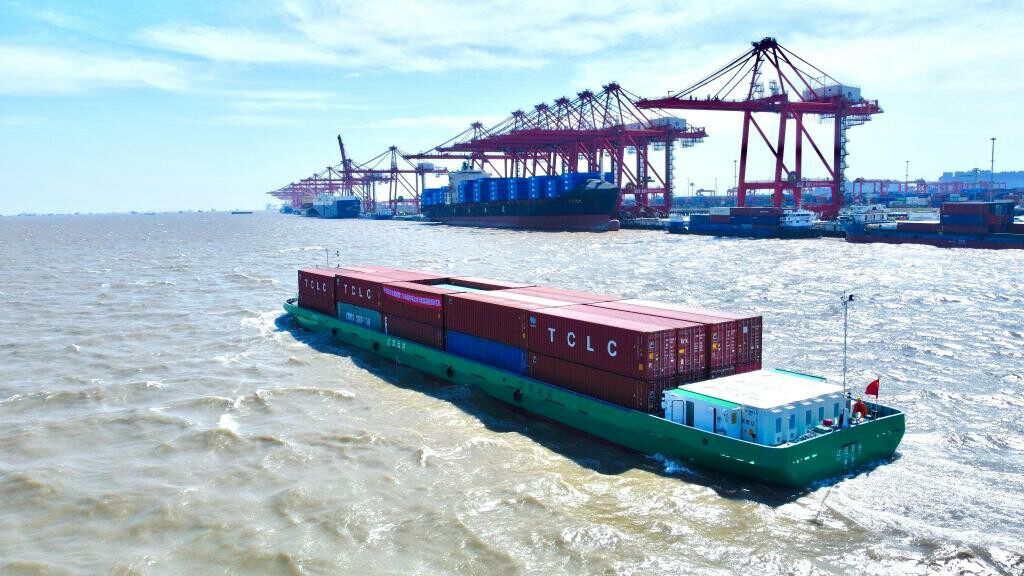
A container ship loaded with expansion agent set sail from Yibin, Sichuan, and sailed downstream along the Yangtze River, passing through Chongqing and Taicang, all the way to the sea, and finally arrived at Hakata Port in Japan. This multimodal transportation link, spanning over 3000 kilometers, is now fully traceable like express delivery - the Yangtze River Smart Logistics Corridor is quietly rewriting the narrative of inland transportation.
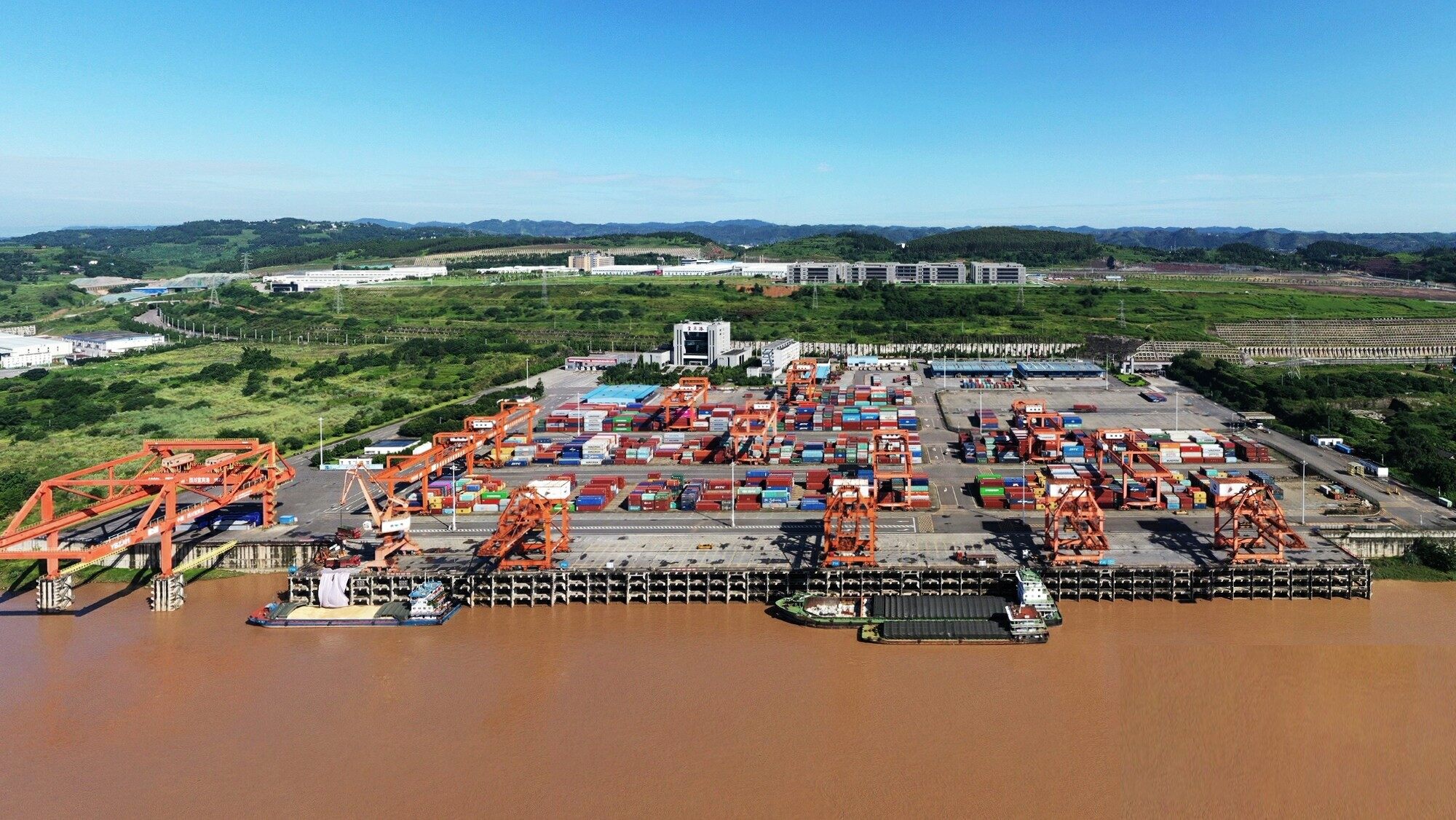
Break down data barriers
For a long time, multimodal transport has faced an intangible barrier. Once the goods leave the port, they seem to enter an information black box, and the shipper can only passively wait, relying on phone calls to repeatedly verify the progress of transit and customs clearance. This kind of data fragmentation, where railways do not know the shipping schedule and ports do not know the demand of cargo owners, is a chronic problem that restricts the efficiency of Yangtze River logistics. The Yangtze River multimodal transport distributed collaborative data chain jointly built by Shanghai and Su Yuchuan transportation departments aims to overcome this stubborn problem. Relying on the linkage between the four major hub ports and customs, a smart port digital corridor will be built, allowing data to replace goods for running errands, and promoting the transformation of Yangtze River logistics from being able to travel to being fast and clear.
From single point interoperability to full chain connectivity
The core of this transformation lies in achieving a qualitative change from single point interoperability to full chain connectivity. In the past, informatization was often limited to a certain port or link, but this collaborative innovation fully integrates data from Sichuan Chongqing ports into the platform, achieving real-time synchronization of transit dynamics and smooth transit connection. The implementation of the MaaS platform for consolidated shipping not only implements the "one box to the end" model, but also enables customs clearance, port loading and other businesses to form a fast closed loop online. Behind this full process tracking capability is the strategic vision of Shanghai Port Group to upgrade data from single point interoperability to full chain connectivity, effectively alleviating the pain points of foreign trade logistics information barriers and complicated documents.
Release the golden benefits of the Golden Waterway
The effectiveness of digital empowerment ultimately lies in reducing costs and improving quality. From contactless blockchain delivery in the Shanghai port area in 2020, to now with over 300000 registered users and more than 40000 service companies on the MaaS platform, electronic delivery accounts for 41%. These figures reflect a tangible improvement in logistics efficiency. The continuous implementation of cross regional data sharing has effectively lowered the overall logistics costs, allowing the Golden Waterway to truly unleash its golden benefits.
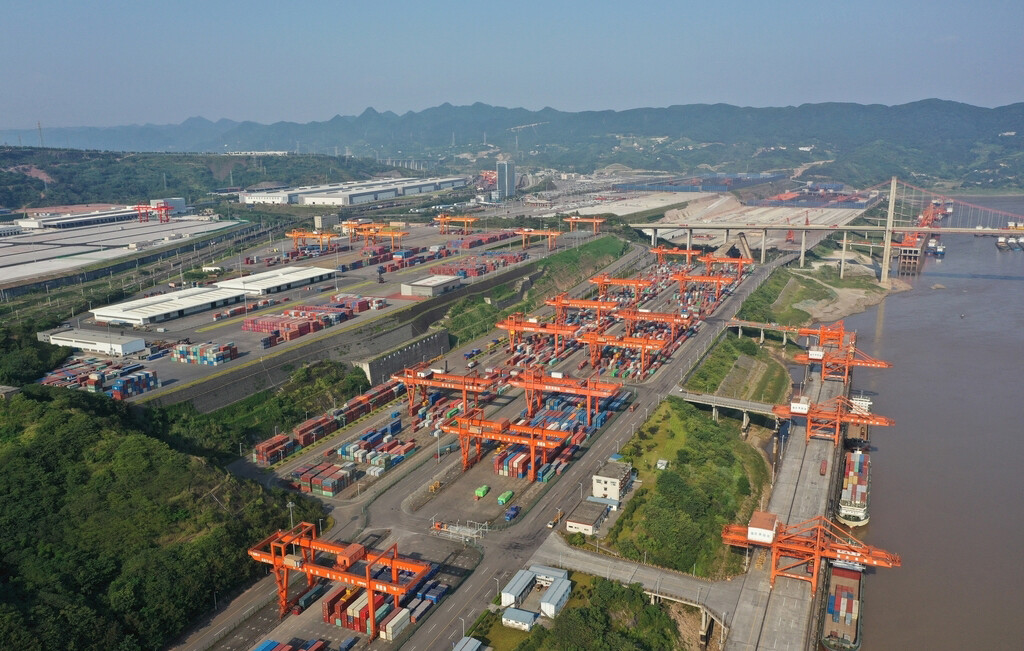
The digital transformation of Yangtze River multimodal transportation is not only about the connectivity of one link. It heralds a broad prospect for the data exchange and scenario implementation of multimodal transportation in the 11 provinces and cities along the Yangtze River. When data flows smoothly throughout the entire basin, the high-quality development of the Yangtze River Economic Belt will have a more solid foundation. This is not only a self innovation in the field of logistics, but also a reshaping of the ability of inland hinterland to connect to the global market under the the Belt and Road Initiative. In the future, as more provinces join this digital collaboration, the Yangtze River, as a logistics artery connecting the east and west, will surely burst out with even stronger pulses.Editor/Gong Ziwei
Comment



 Praise
 Collect
 Comment

 Share
Share


Write something~