 Search


- Multiple forces rushed to assist Jilong, with military and civilian coordinated rescue efforts
Never give up any hope - The relevant person in charge of the Emergency Management Department's front work group introduces the current rescue and disposal work of the Jilong mudslide disaster
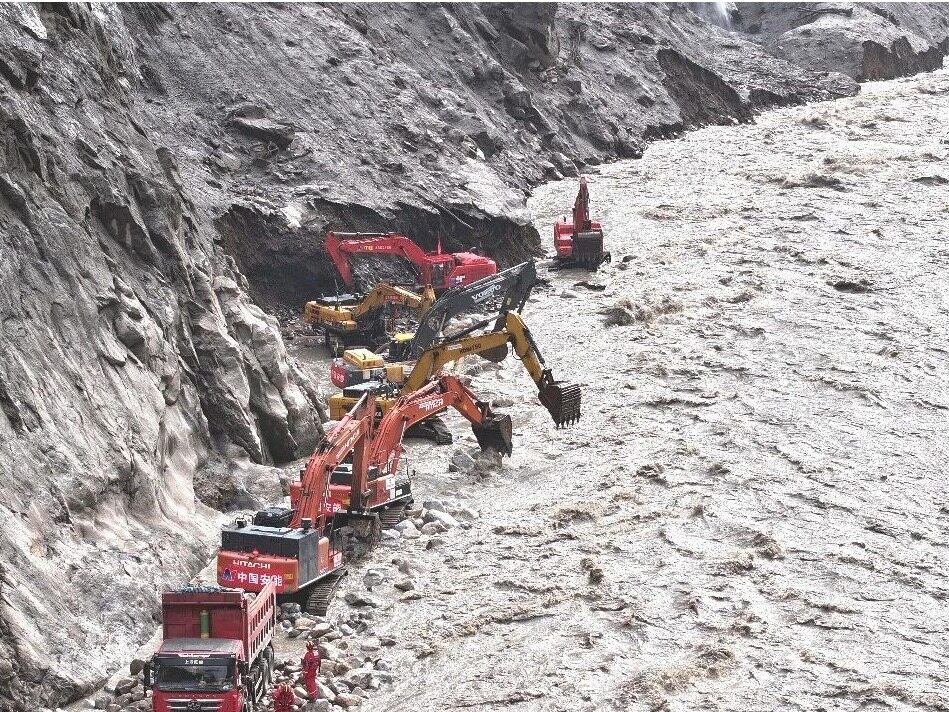
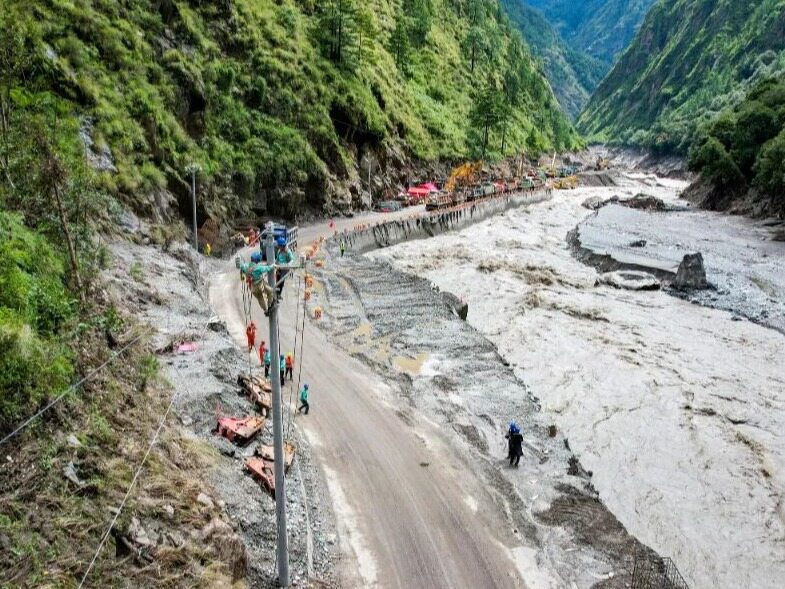
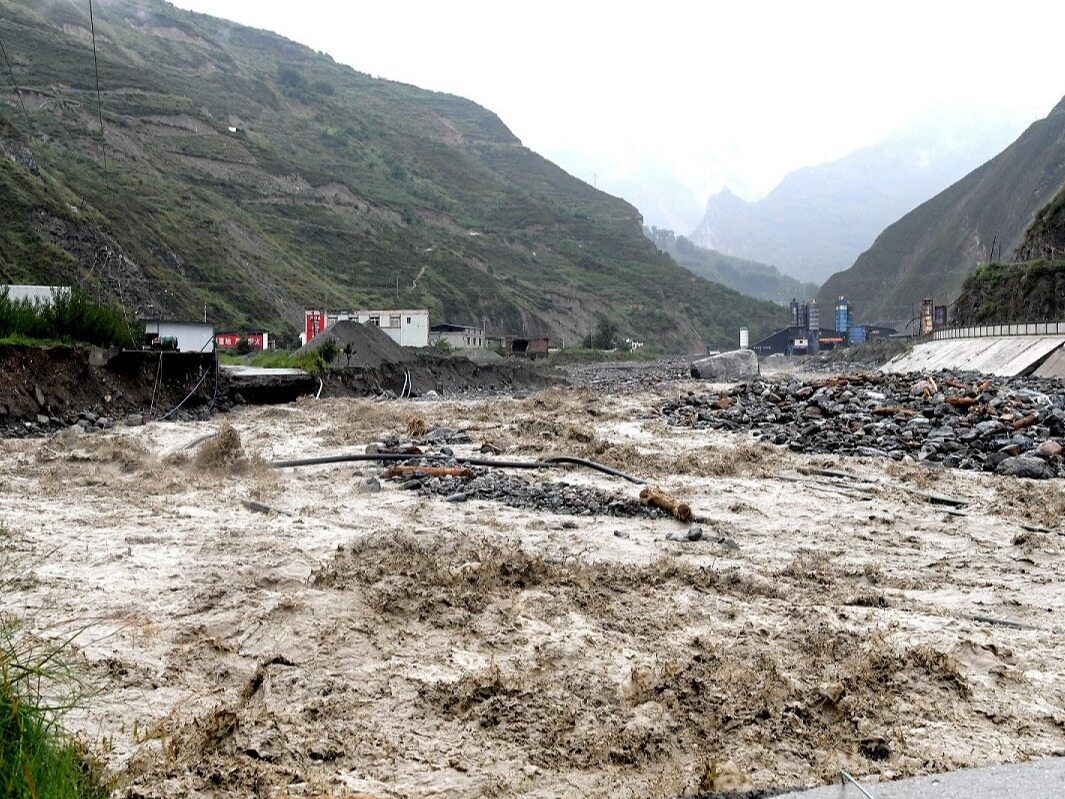
After the debris flow disaster in Jilong, Xizang, all parties stepped up their rescue efforts on the spot. The relevant person in charge of the front work group of the Emergency Management Department gave an exclusive interview to Xinhua News Agency on August 29th, introducing the current disaster rescue and disposal work.
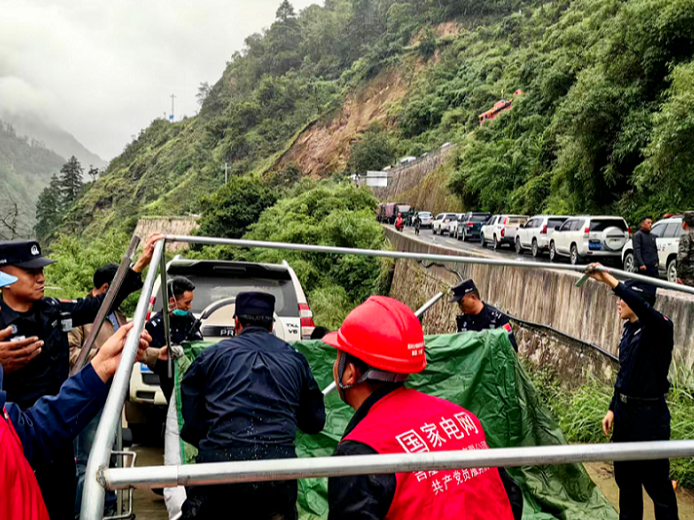
To ensure efficient work, the front work group of the Emergency Management Department has established a temporary party organization to fully guide and support local rescue and disposal work; The firefighting and rescue team formed a party member assault team to conduct continuous search and rescue operations in the disaster stricken core area, fully leveraging the exemplary role of party members and allowing the party flag to fly high on the front line of rescue and disaster relief.
Effective prevention of secondary disasters and communication support are important aspects of rescue and disposal work.
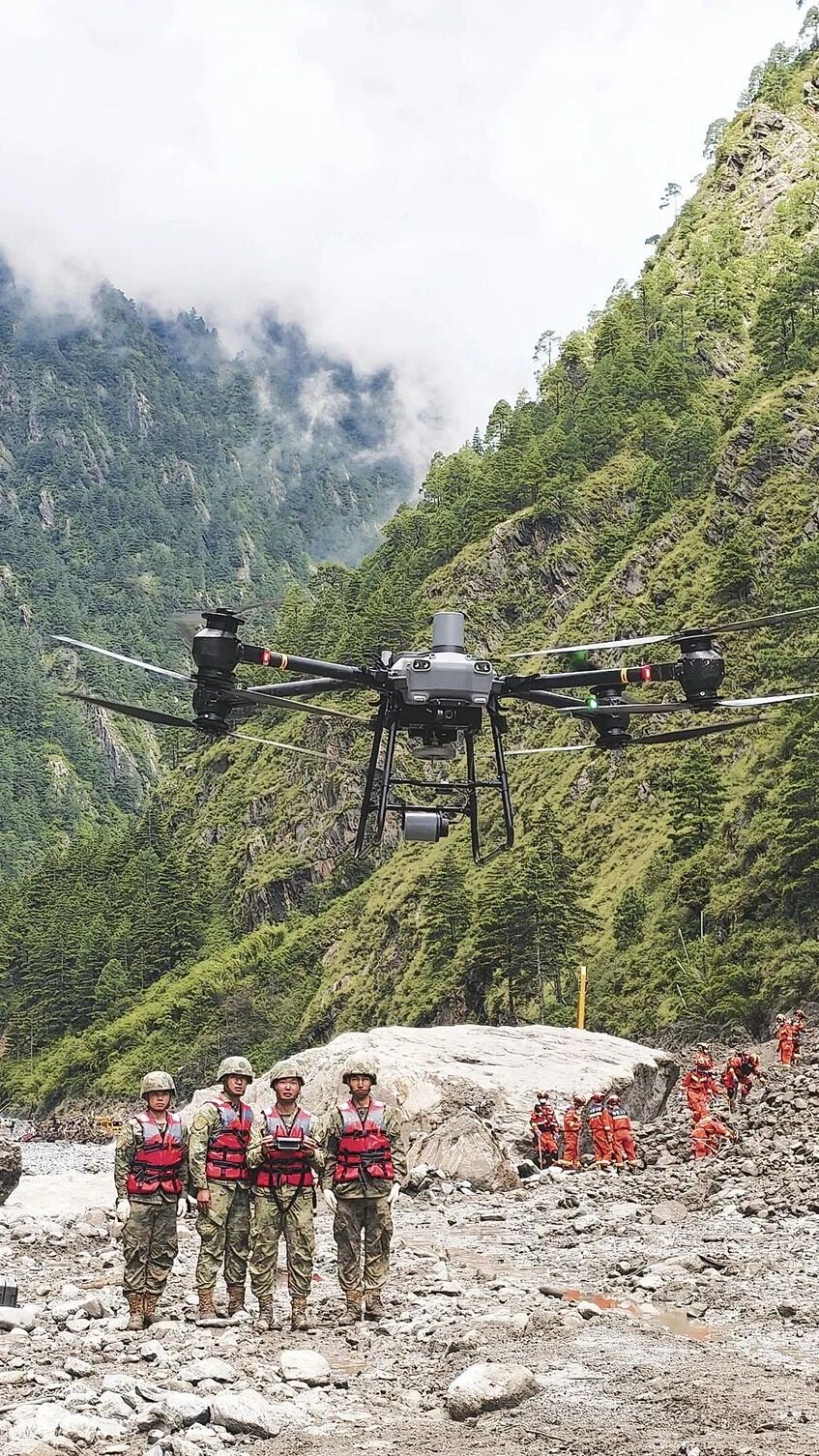
The Office of the National Disaster Prevention, Reduction and Relief Commission and the Ministry of Emergency Management organized relevant departments to hold rolling consultations, dynamically monitor and judge the risk of secondary disasters, and guide rescue and disposal work. The working group dispatched two pterosaur drones to work continuously to ensure emergency communication, coordinated with the Ministry of Industry and Information Technology to carry out line investigation, fault repair, network optimization and other communication work. One base station has been successfully connected and three new base stations have been added. "The person in charge of the front working group of the Ministry of Emergency Management told reporters that the working group urgently mobilized military civilian commercial satellite resources to conduct remote sensing monitoring of the disaster site and surrounding areas upstream and downstream. At the same time, the Ministry of Natural Resources, the Ministry of Water Resources, the China Earthquake Administration, and relevant scientific research institutions are also organized to continuously monitor and warn of risks such as ice rock avalanches, secondary debris flows, and landslides.
How to rescue on site when the road is blocked?
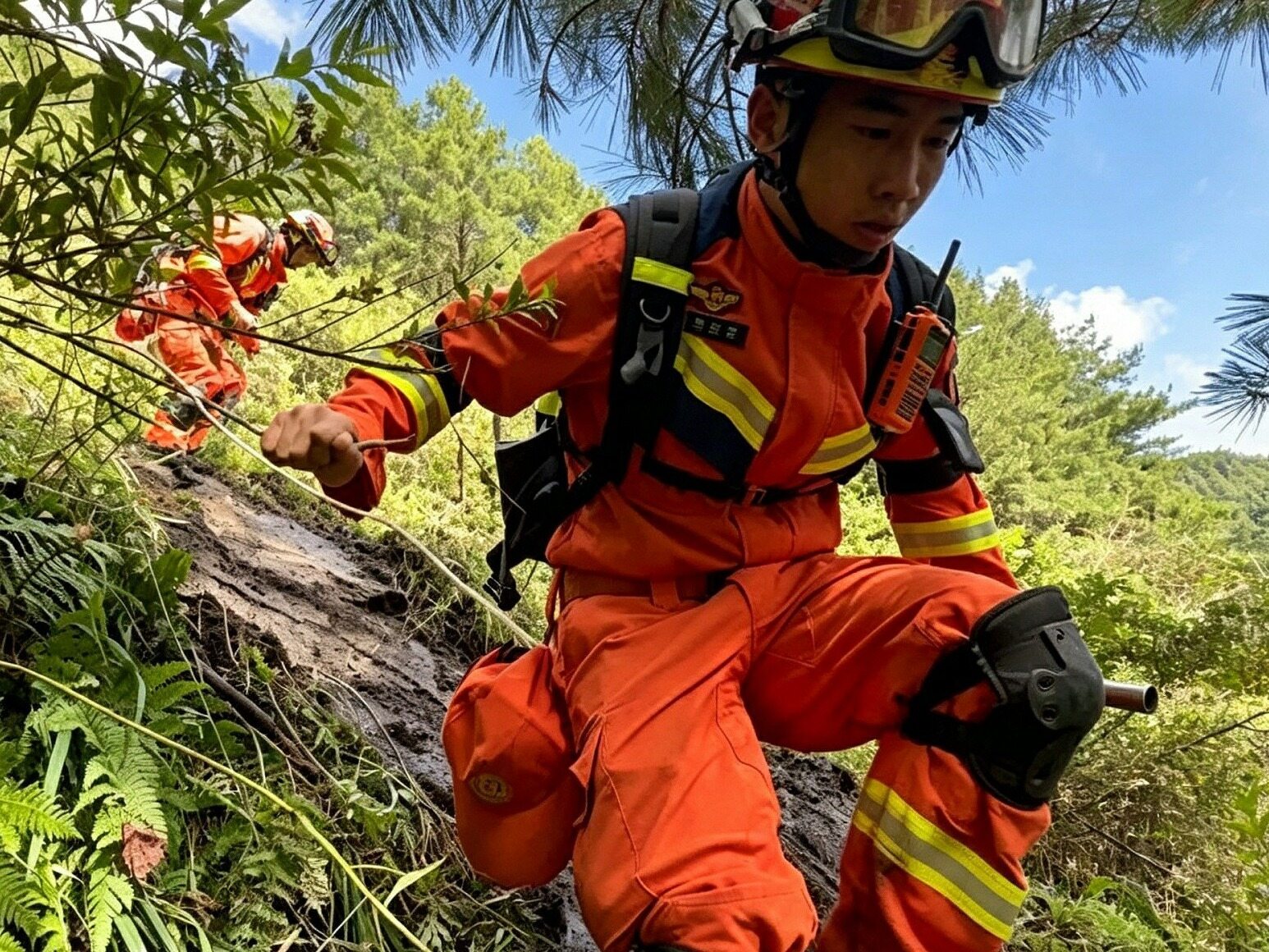
The person in charge introduced that the fire rescue team used drone swarms to investigate the disaster situation in the disaster area and sent 2 teams of 17 commanders to participate in setting up monitoring checkpoints. At the same time, precise, professional, and safe rescue is ensured through unmanned aerial vehicle front reconnaissance, team follow-up, and walking into key disaster stricken areas.
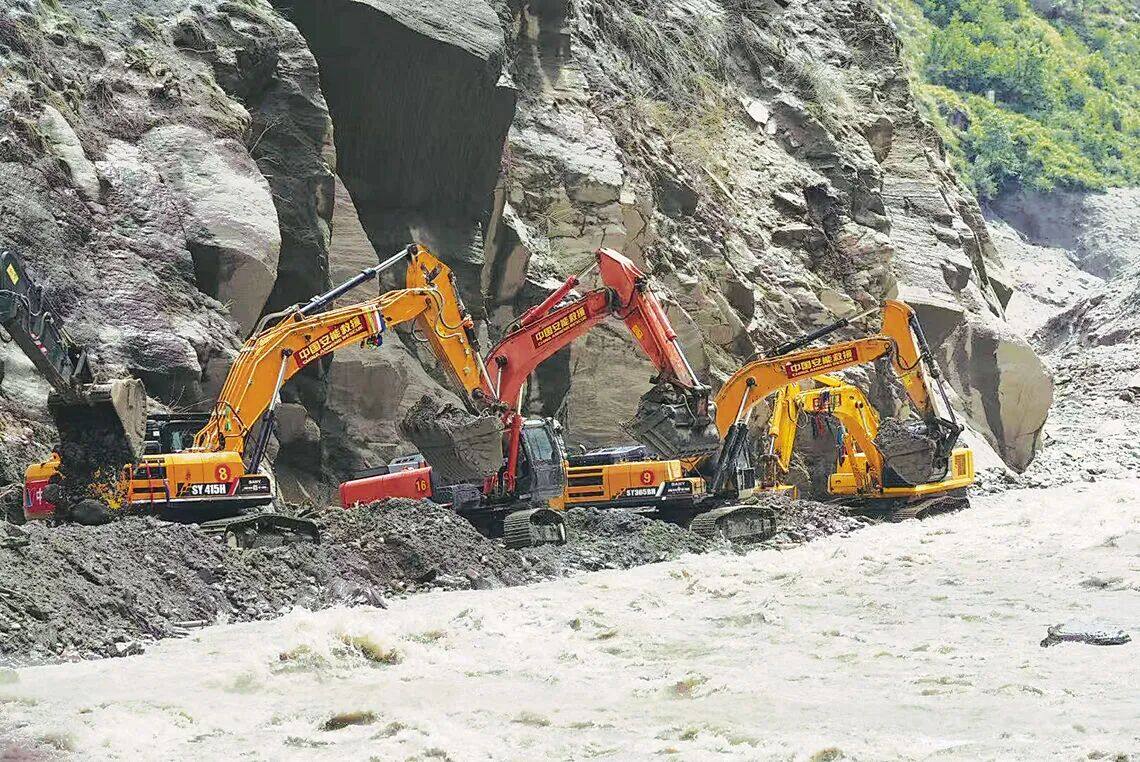
It is reported that the National Fire and Rescue Bureau dispatched a national comprehensive fire and rescue team of 681 people, 13 dogs, 113 vehicles, and 47 drones, carrying various professional equipment and devices to the scene to carry out emergency rescue work. The front-line team was organized to use a combination of land, water, and heavy-duty drone delivery to break into the core area. Currently, 21 people have arrived at the gate of Jilong Port. The Emergency Management Department dispatched 60 personnel and 28 equipment from the Natural Disaster Engineering Emergency Rescue Center (China Aneng) to the scene.
This disaster has resulted in a large number of missing persons, heavy rescue tasks, and high difficulty in rescue efforts. What will the working group focus on doing next?
The person in charge stated that firstly, scientific organizations are responsible for emergency rescue, racing against time to search and rescue every missing person, and never giving up any hope. According to the needs of search and rescue missions, timely increase the number of professional rescue teams and equipment.
The second is to strengthen the monitoring and prevention of secondary disasters. Install slope radar and other monitoring equipment at the search and rescue site, continue to use satellite remote sensing, drones, on-site monitoring and other means, closely track and monitor secondary disaster risks in real time, and do a good job in early warning and safety control.
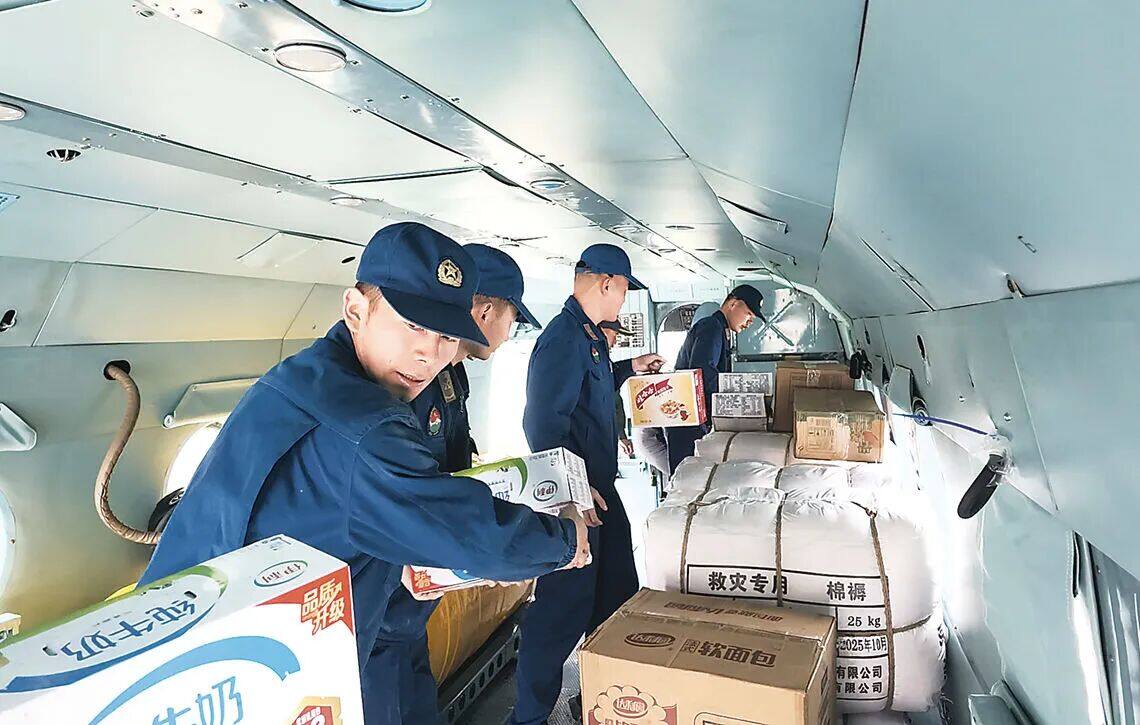
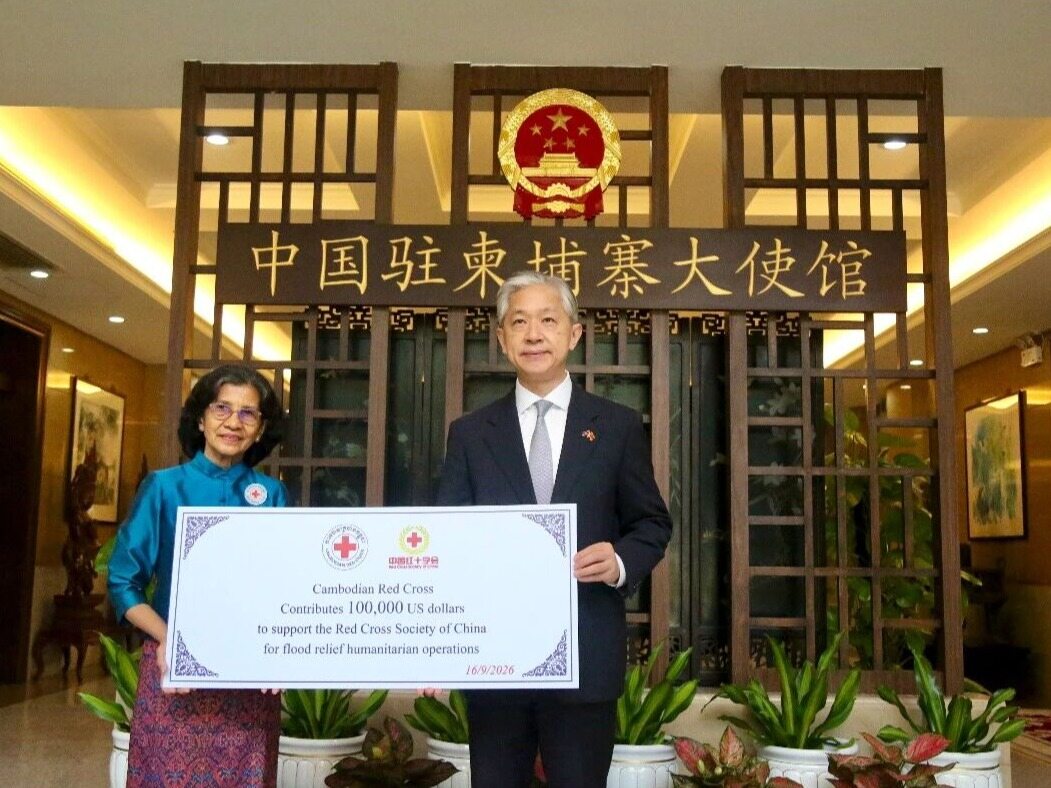
The third is to guide and do a good job in disaster relief work. The working group, together with the National Grain and Material Reserve Bureau, allocated 30000 pieces of central disaster relief supplies such as tents, heating stoves, clothes and blankets, folding beds, and moisture-proof mats, coordinated the donation of more than 50000 pieces of emergency supplies such as food and drinking water, and coordinated with the Chinese Red Cross Society to allocate 2500 pieces of tents, quilts, and other supplies. In the future, the working group will continue to make every effort to ensure the livelihood of the disaster stricken people.
This article was reprinted from: Ministry of National Defense Release Editor/Gao Xue
Comment

 Praise
 Collect
 Comment

 Share
Share


Write something~