 Search


- Russian self-developed high-speed train landing, refreshing regional rail transit pattern
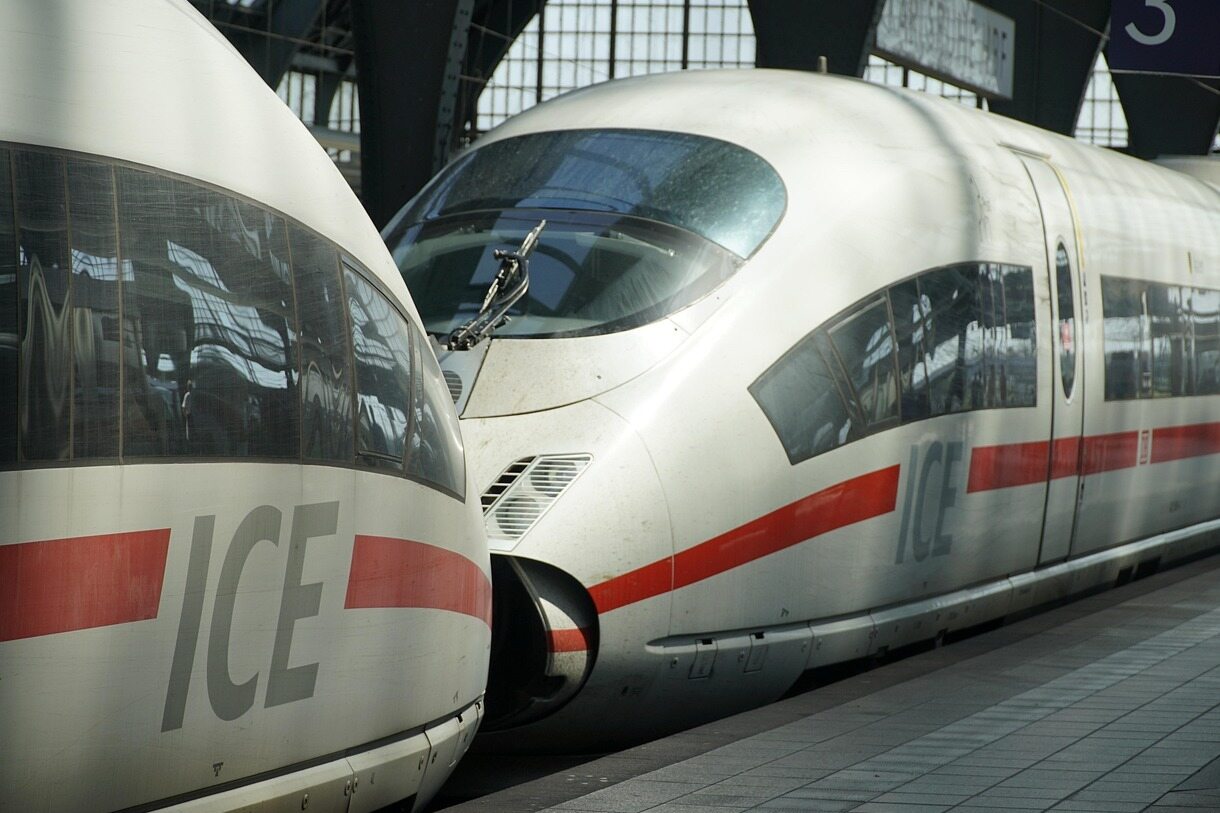
The manufacturing process of high-speed trains in Russia continues to accelerate, and Ural Locomotive Works is fully committed to promoting the assembly of new high-speed train bodies. Multiple self-developed technologies have been implemented and applied, helping Russia's transportation network to usher in a new upgrade.

Production is steadily advancing
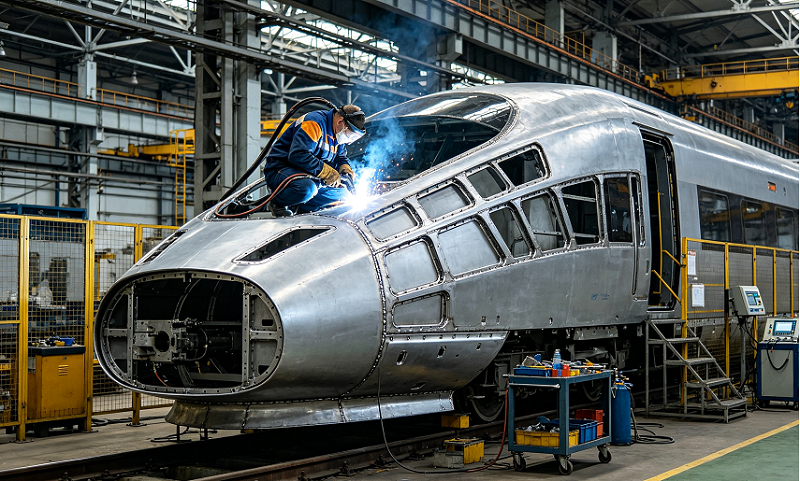
Recently, Ural Locomotive Works officially launched the assembly work of high-speed trains from Moscow to St. Petersburg. The trains developed and manufactured this time can reach a maximum speed of 400 kilometers per hour. Currently, 14 of the 16 body welding works for the first two trains have been completed, and 9 of the bodies have successfully entered the interior and equipment installation stage. The construction personnel carried out insulation and sound insulation treatment, cable laying, interior panels, doors and windows, and installation of power receiving devices in an orderly manner, and the overall construction progress of the project was smooth.
Hardcore technology empowers
This high-speed train is equipped with multiple locally developed innovative technologies, and the side windows are fixed to the aluminum body using adhesive technology, effectively reducing the noise and vibration inside the train. The outer doors of the train are equipped with reinforced sealing structures, which can stably maintain the airtightness of the carriage at a speed of 400 kilometers per hour and in tunnel passing scenarios. The supporting control system can eliminate safety hazards caused by the doors not closing and starting. Customized aerodynamic pantograph achieves dual optimization of weight reduction and noise reduction, and can operate stably in a wide temperature range of minus 50 degrees Celsius to 75 degrees Celsius. Keywords: high-speed rail transit, Russian domestic train manufacturing
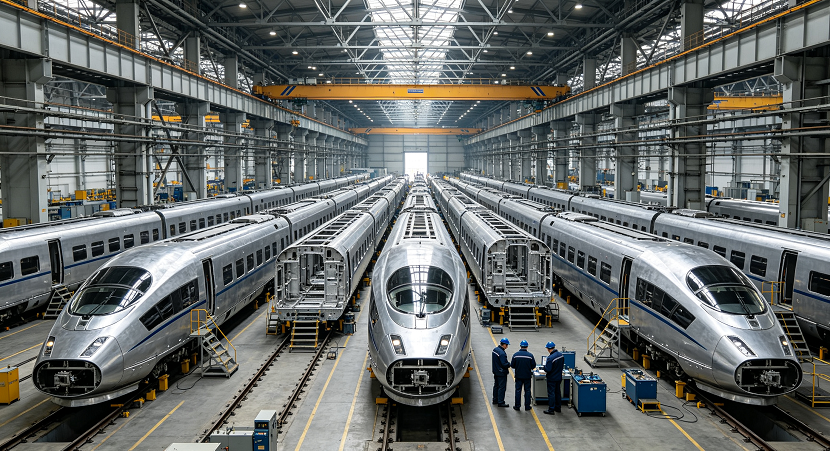
This train manufacturing project brings together 150 local enterprises in Russia to participate in collaboration, and a new high-speed railway line will run through six regions of Russia. The overall project is expected to be officially put into operation in 2028. After the opening of the line, the travel time from Moscow to St. Petersburg will be shortened to 2 hours and 15 minutes, greatly improving regional commuting efficiency and perfecting Russia's high-end rail transit system.Editor/Min Jing
Comment



 Praise
 Collect
 Comment

 Share
Share


Write something~