 Search


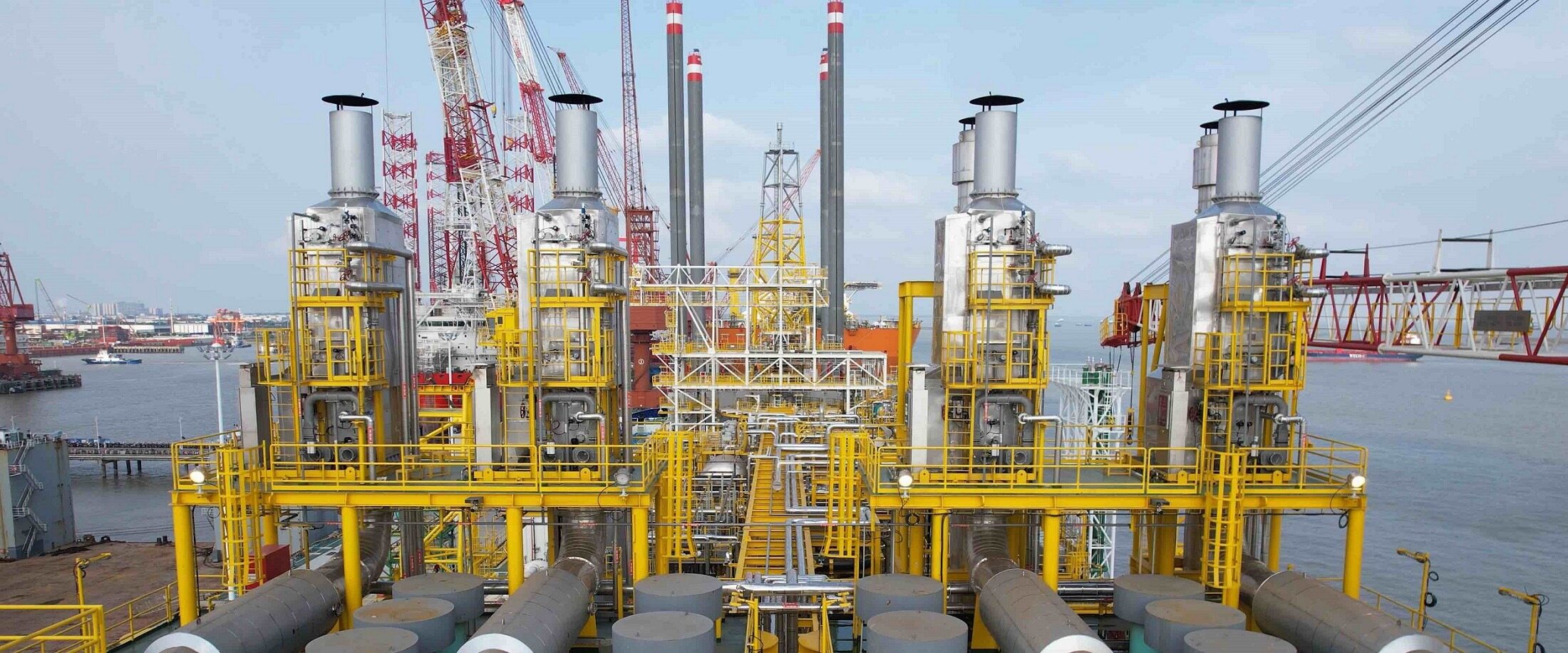
- After the project is fully put into operation, all natural gas from Cote d'Ivoire will be reserved for domestic power generation
- The daily crude oil production will increase to 150000 barrels, helping the country achieve energy self-sufficiency
On August 30, 2026, in a shipyard workshop in Jiangsu, a cutting flame illuminated the edge of the steel plate - the first steel plate of the Baleine Phase III FPSO ship in Cote d'Ivoire was rolled off the assembly line. Chinese offshore enterprise Wison New Energies pushed the story of deep-sea oil and gas development in West Africa from drawings to a practical shipbuilding platform.
This is not only a crucial step for Wison New Energies to move from pre design to full ship contracting, but also brings Ivory Coast, a West African country, one step closer to energy self-sufficiency: after the third phase is fully put into operation, the daily production of crude oil in the oil field will jump from 60000 barrels to 150000 barrels, and all natural gas will be kept in the country for power generation, no longer just a passive seller of exported raw materials.
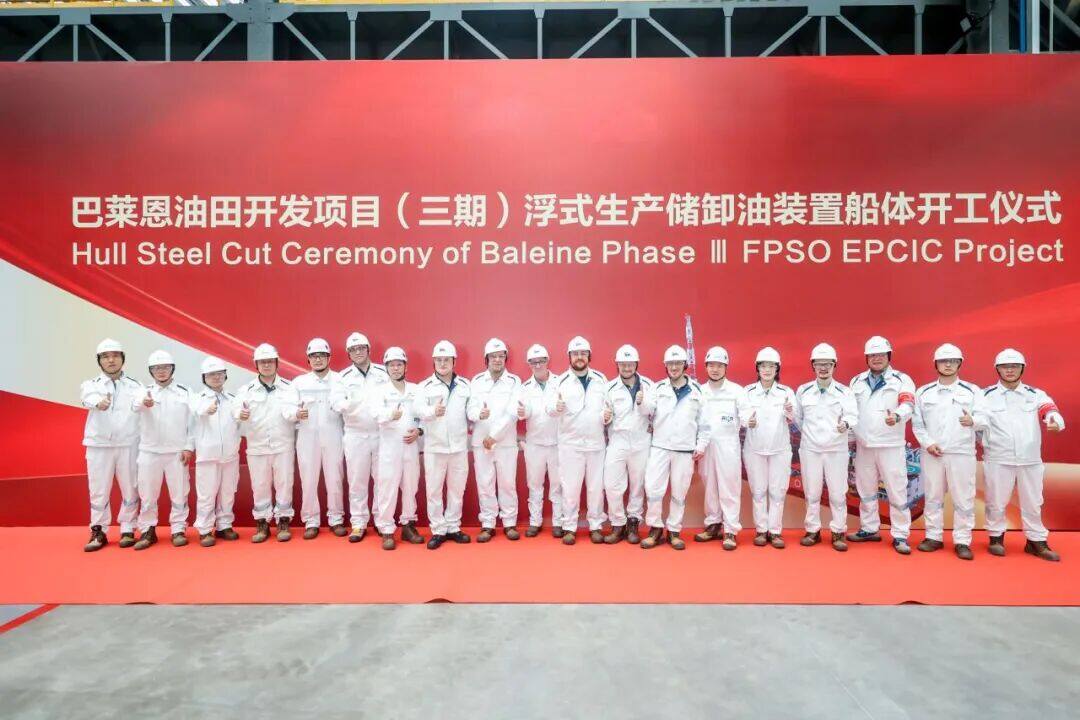
Shougang Landing Platform
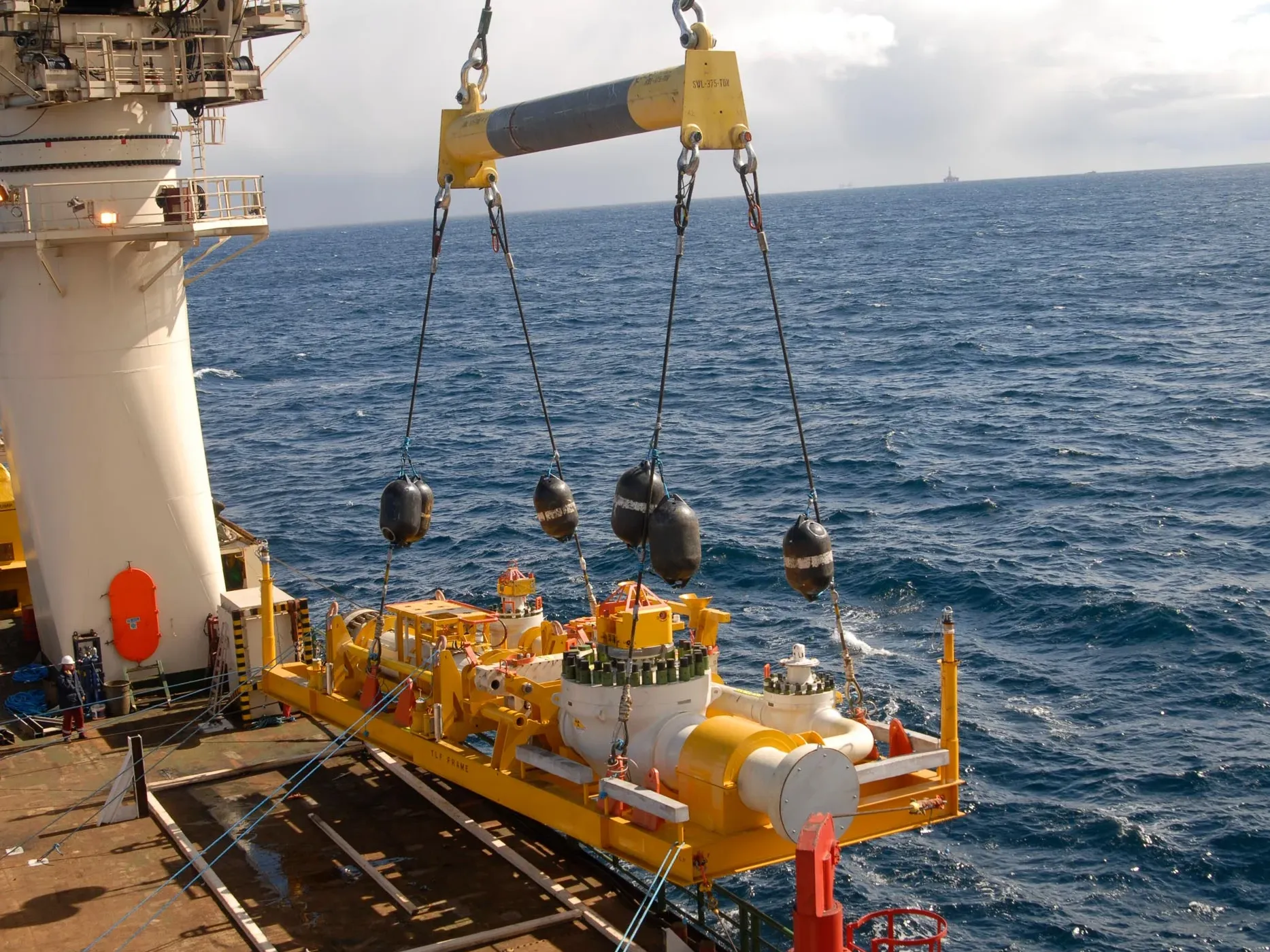
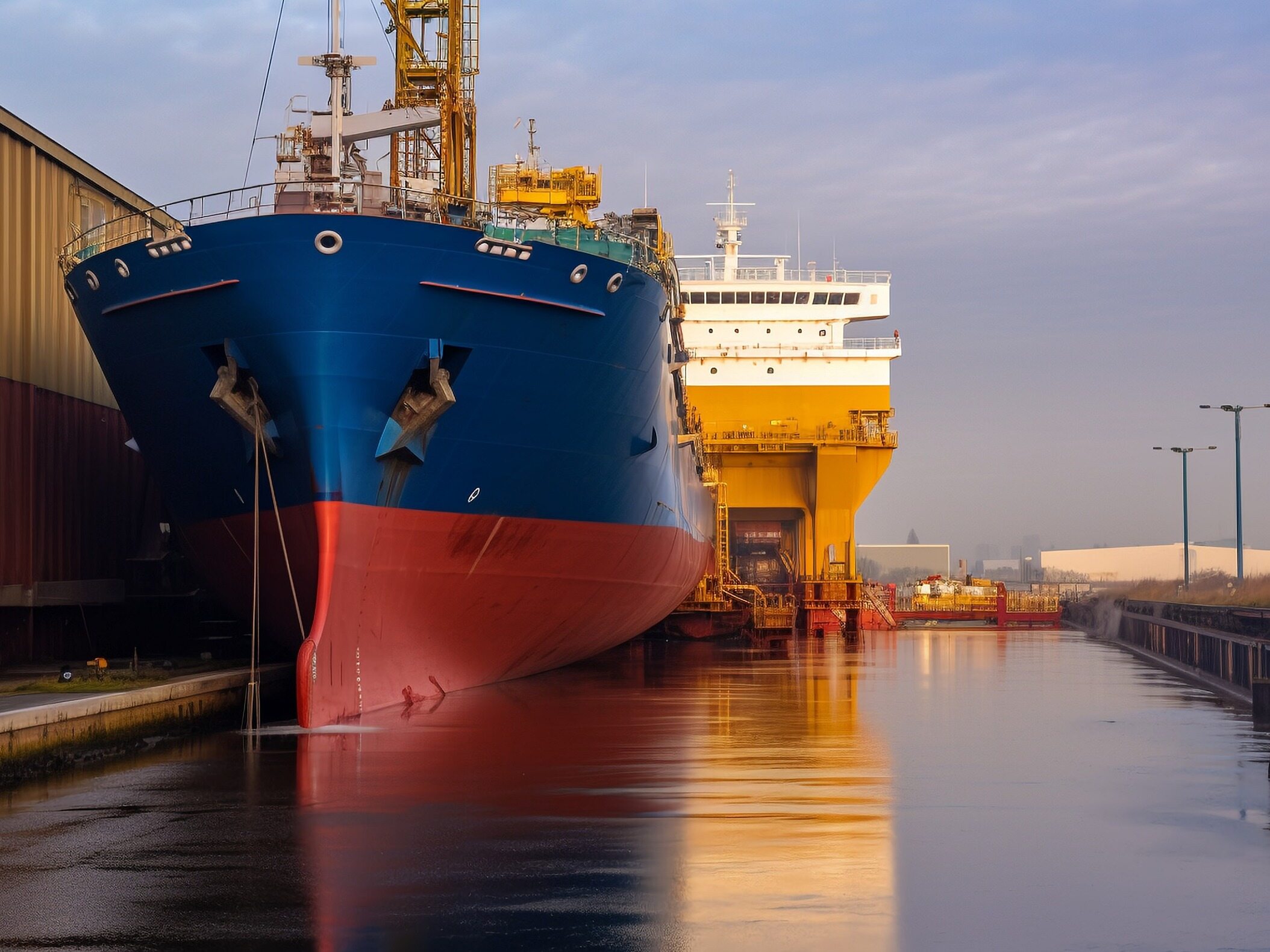
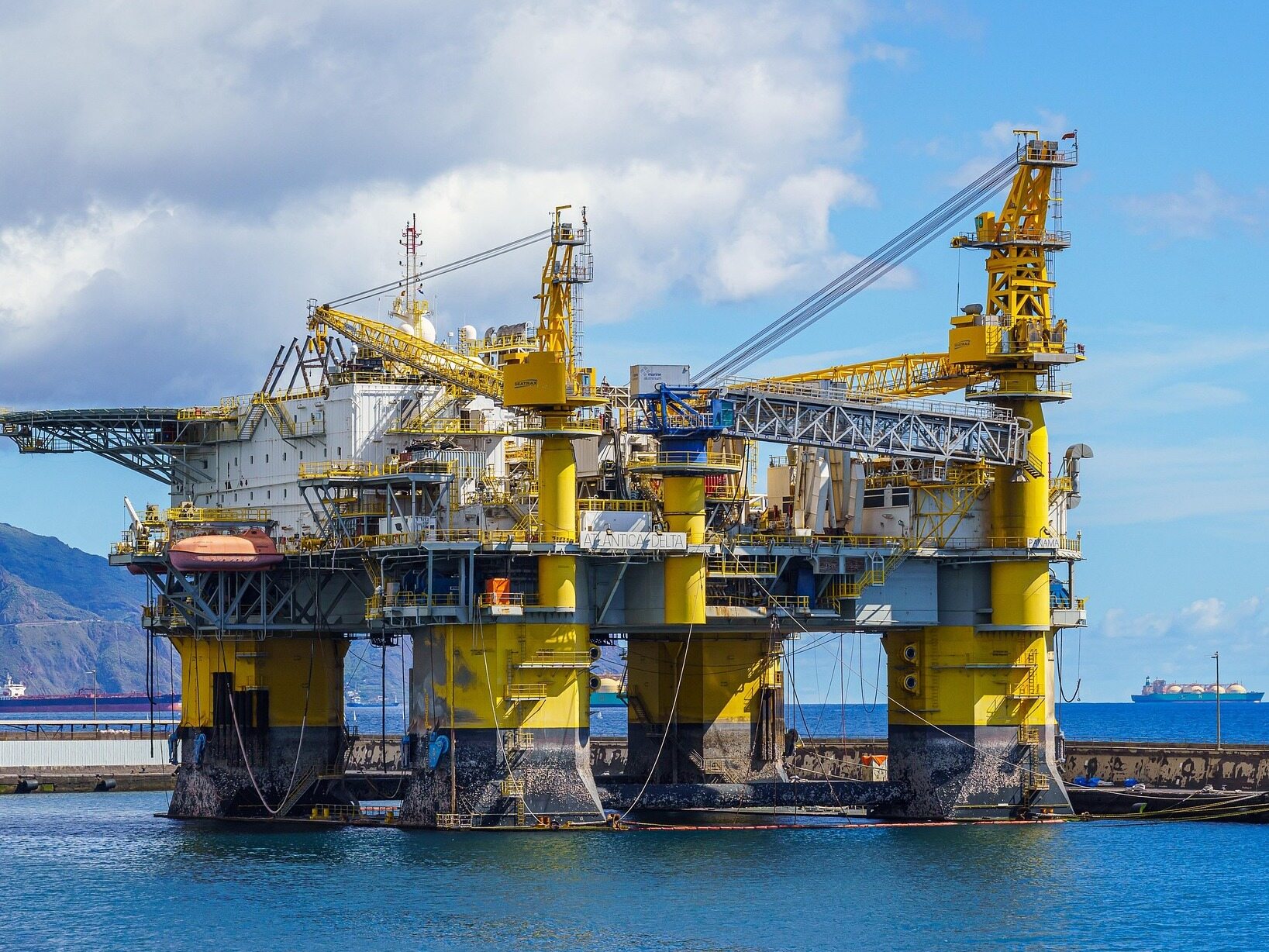
On that day, the ship construction was initiated, and the next level was the cutting of the upper module head steel. This newly built FPSO has a total length of 308 meters, a width of 57 meters, and a depth of 29.8 meters. It can operate at depths of 800 to 1200 meters and has a designed lifespan of over 20 years; Processing 90000 barrels of crude oil, 80000 barrels of production water, 160 million cubic feet of natural gas per day, and storing 1.4 million barrels of crude oil. Wison New Energies won not segmented work, but EPCIC general contracting - design, procurement, construction, installation, and commissioning. Wison New Energies entered the site as early as the FEED stage. On May 25, 2026, Eni teamed up with Petroci and Vitol to make a FID decision. On July 3, Wison signed a general contract with Eni and Altera. Three months later, the steel plates were ignited, and the Chinese plan was embedded into Eni's West African fast track.
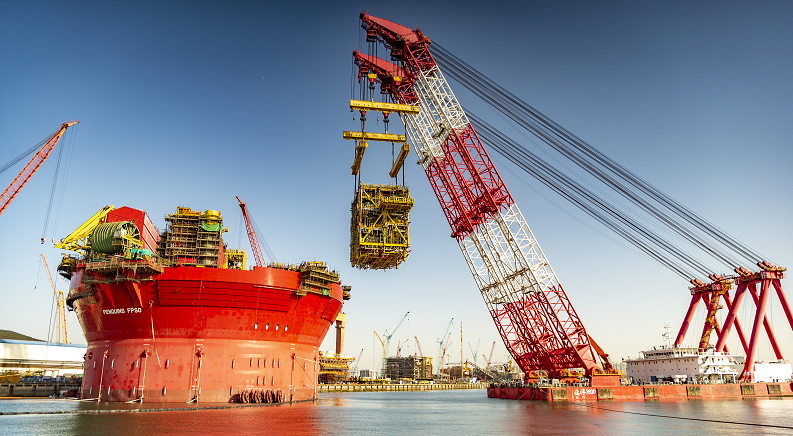
Three steps to reach the deep sea
The Baleine oil field, which was discovered in 2021, is the largest discovery in the history of Cote d'Ivoire. Eni uses a phased approach to seize time: the first phase will be put into production in August 2023, relying on the renovation of old FPSOs to run early production; The second phase will be launched in December 2024, bringing in two modified ships, Petrojarl Kong and Yamoussoukro, with a production capacity of 60000 barrels of oil and 80 million cubic feet of gas; The first two phases followed the path of renovating old ships, connecting old management, and fast repayment.
The third phase is different, just board the new ship directly. Altera, as the shipowner, signs a 15 year bareboat charter and operation agreement, with long-term custody after delivery; The underwater system will be handed over to SLB OneSubsea for the construction of 13 wells. Saipem will lay 50 kilometers of rigid pipes and flexible risers, and the Santorini drilling vessel will enter the site in early 2027- FPSO, subsea, pipeline, and drilling multiple lines will be integrated. The total investment for the third phase is about 4 billion US dollars.
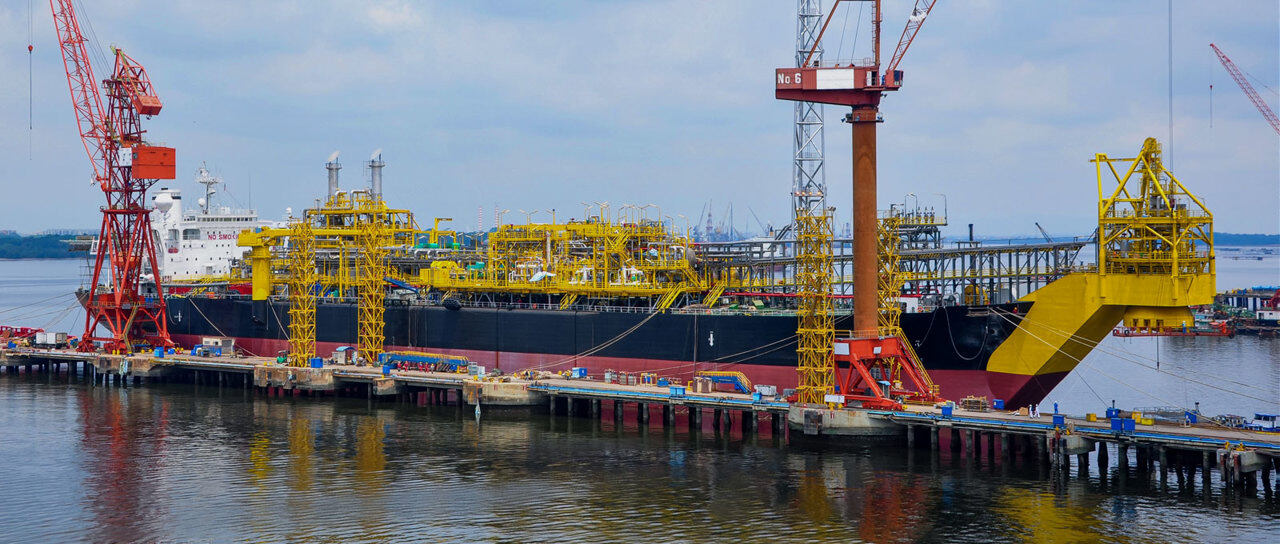
Returning gas to domestic electricity
The true weight of this FPSO lies not in its price, but in where it goes. Eni explicitly states that all natural gas in Phase III will enter the domestic pipeline network of Cote d'Ivoire for power plants and industrial use, and will not be sold in stock. After full production, the daily gas production of the entire oilfield will reach 200 million cubic feet, which is equivalent to doubling the country's gas supply by two and a half times. Baleine is also the first Scope 1 and 2 net zero upstream project in Africa, equipped with improved stoves and forest protection to offset carbon emissions. The Wison ship is a hard asset in the low-carbon framework.keywords:Engineering infrastructure
For Wison New Energies, this is the first time they have entered the Eni main contract layer as an EPCIC for the entire ship; For West Africa, it is a new node that replaces underground resources with lighting and factory power. The first piece of steel plate has just been cut, and the lights on the West African coast have already lit up a section in advance.Editor/Yang Meiling
Comment

 Praise
 Collect
 Comment

 Share
Share


Write something~