 Search


- Energy transition heating up, global demand for key minerals continues to rise
- Argentina and Chile restart Old Testament, activating decades long dormant mining cooperation
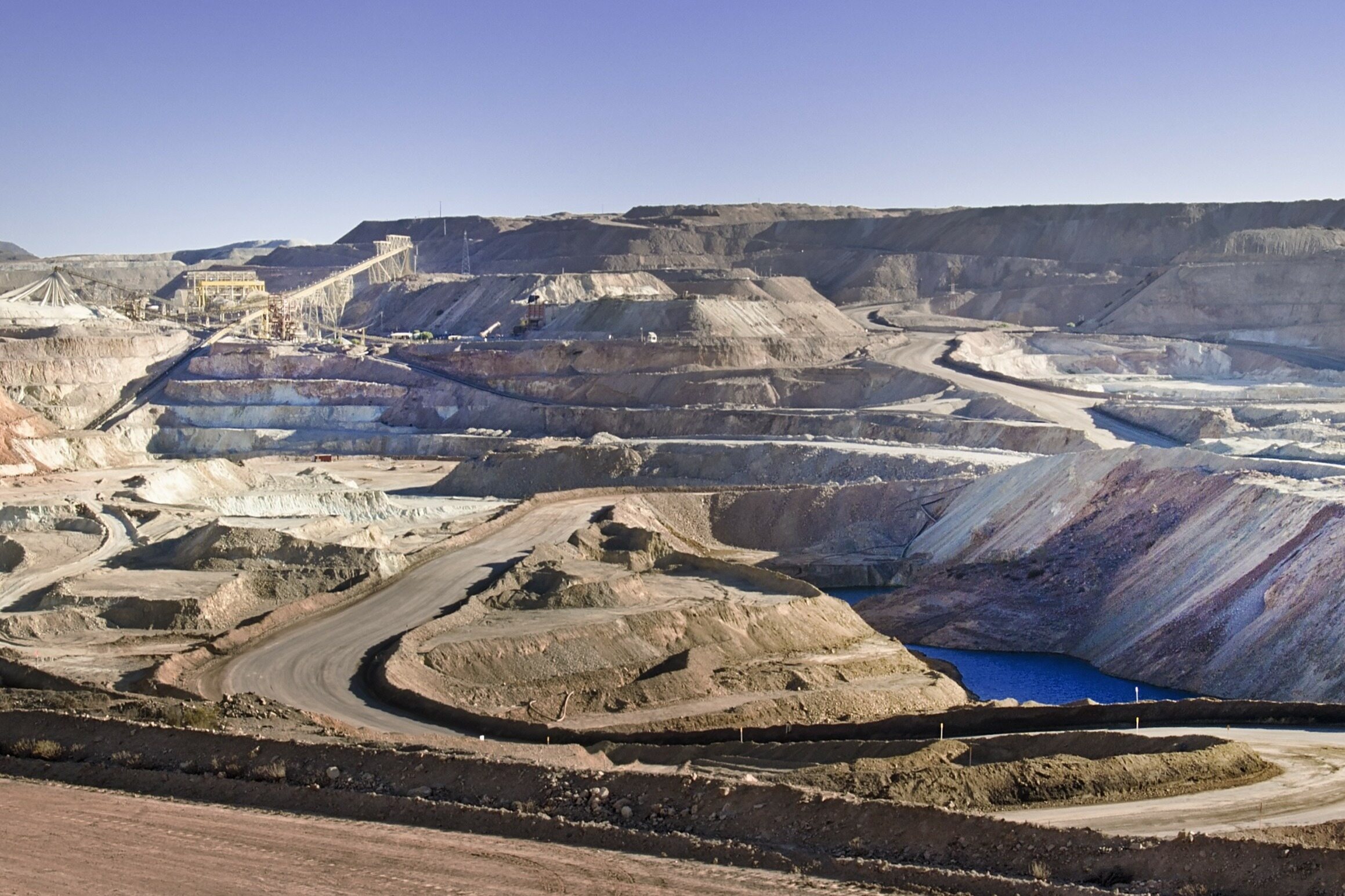
The Andean mountain wind brushes over the barren mineral veins, awakening the dormant copper mines. Argentina and Chile have crossed national borders, pushing the long-standing mining agreement from paper to reality, connecting resources and infrastructure at both ends of the mountain range, and working together to build a new corridor for copper mines in South America in the wave of energy transformation.
Finalize the cooperation details
The global energy transition has led to an increase in demand for key minerals such as copper. Argentina and Chile have restarted cross-border mining cooperation that has been on hold for many years, connecting resources and infrastructure in the Andes Mountains and attracting large amounts of private capital to enter. The two countries will hold further consultations to implement the long-standing stalled Mining Integration and Complementarity Treaty, which was signed in 1997 and officially restarted in July 2026. This round of meetings has approved the operational rules for three major cross-border projects: Vicu ñ a, NexoAndino, and Filo Sur. The mining area spans across the province of San Juan and the Zhiatacama region, and no further details have been disclosed yet.
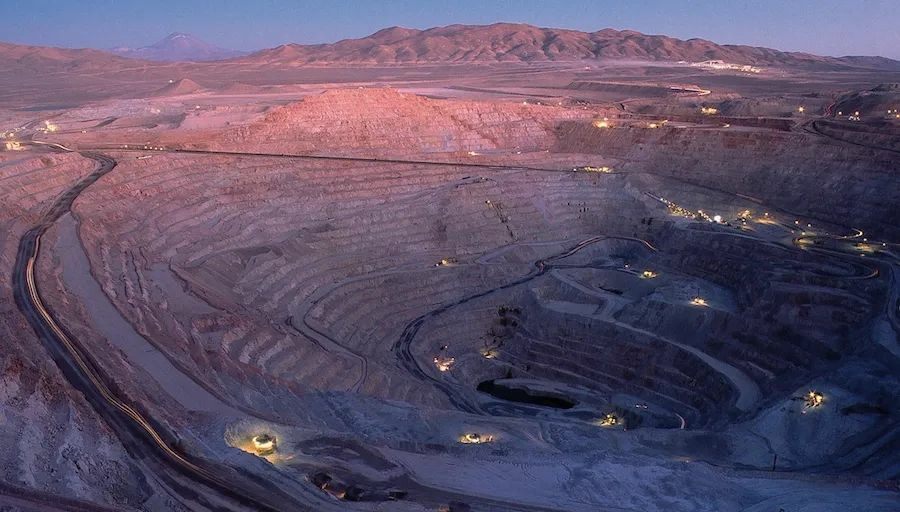
This cooperation is jointly promoted by the newly appointed Chilean President Castell and Argentine President Millet, both of which focus on introducing private investment as their policy priority. According to the Chilean Minister of Mines, this cooperation framework can leverage over 20.7 billion US dollars in investment and increase annual copper production by 540000 tons. Chilean officials have stated that there is currently no clear timeline for the implementation of the project, and the mining industry is optimistic about the supply chain development opportunities brought about by this cooperation.
The Rise of Argentine Copper Mines
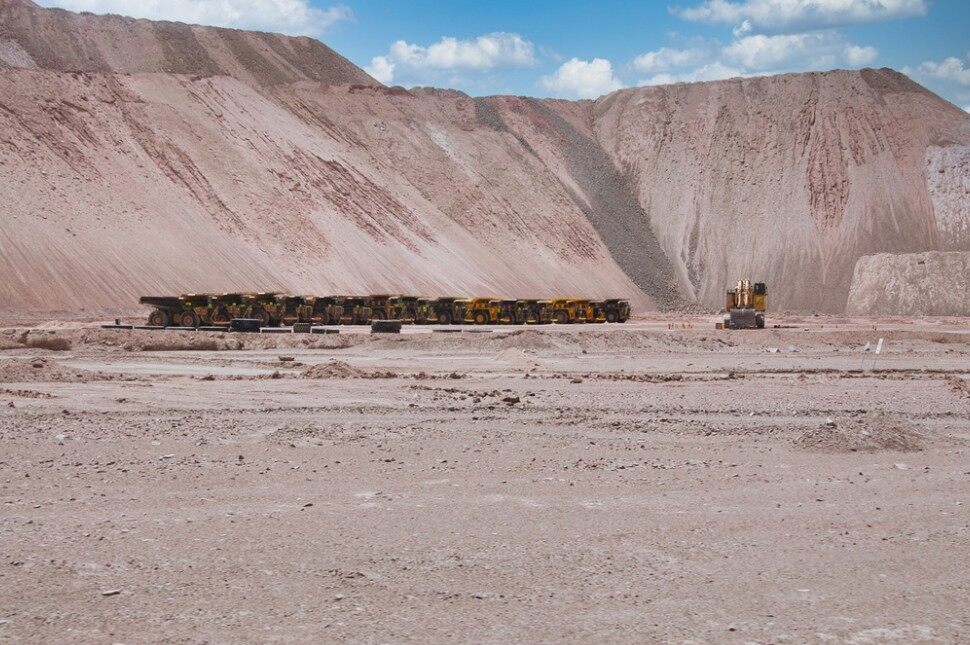
Copper is a core mineral for energy transition, with outstanding copper resources in the Andes Mountains. Argentina has had no copper production since the closure of copper mines in 2018, and its economy has long relied on agricultural exports. With the advancement of new construction projects, the market expects Argentina to become one of the top ten copper producing countries in the world by 2030, and to jointly build a key mineral supply hub with Chile. The biggest benefit of this cooperation is that the Afonso mining area can connect with mature ports and mining infrastructure in Chile, reduce costs and increase efficiency, and accelerate production. The progress of project implementation depends on the efficiency of bilateral regulatory coordination. Keywords: Chile, Argentina, minerals
Project implementation is delayed
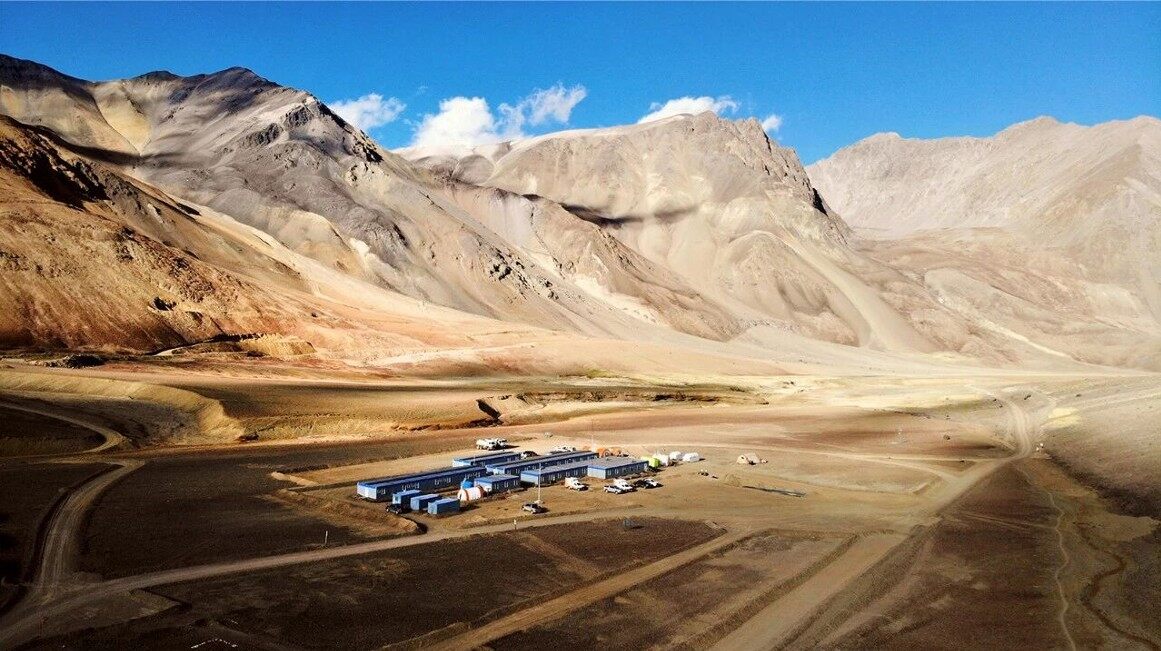
The current key projects to be promoted include multiple cross-border copper mining projects under McEwan, Glencore, and Lundin Mining. The Vicu ñ a project plans to use seawater desalination, but it has not yet been determined whether to use Chilean infrastructure; The Los Azules project currently has no plans for cross-border exports or desalinated water, and will only continue to monitor the progress of cooperation. BHP has not yet clarified its infrastructure reuse plan, and major multinational mining companies are currently in a wait-and-see state of evaluation.Editor/Gong Ziwei
Comment


 Praise
 Collect
 Comment

 Share
Share


Write something~