 Search


- Deeply cultivating grassroots practice and solidifying the China ASEAN community with a shared future
- Innovate the South South cooperation model and solve the common problems of rural development in the south
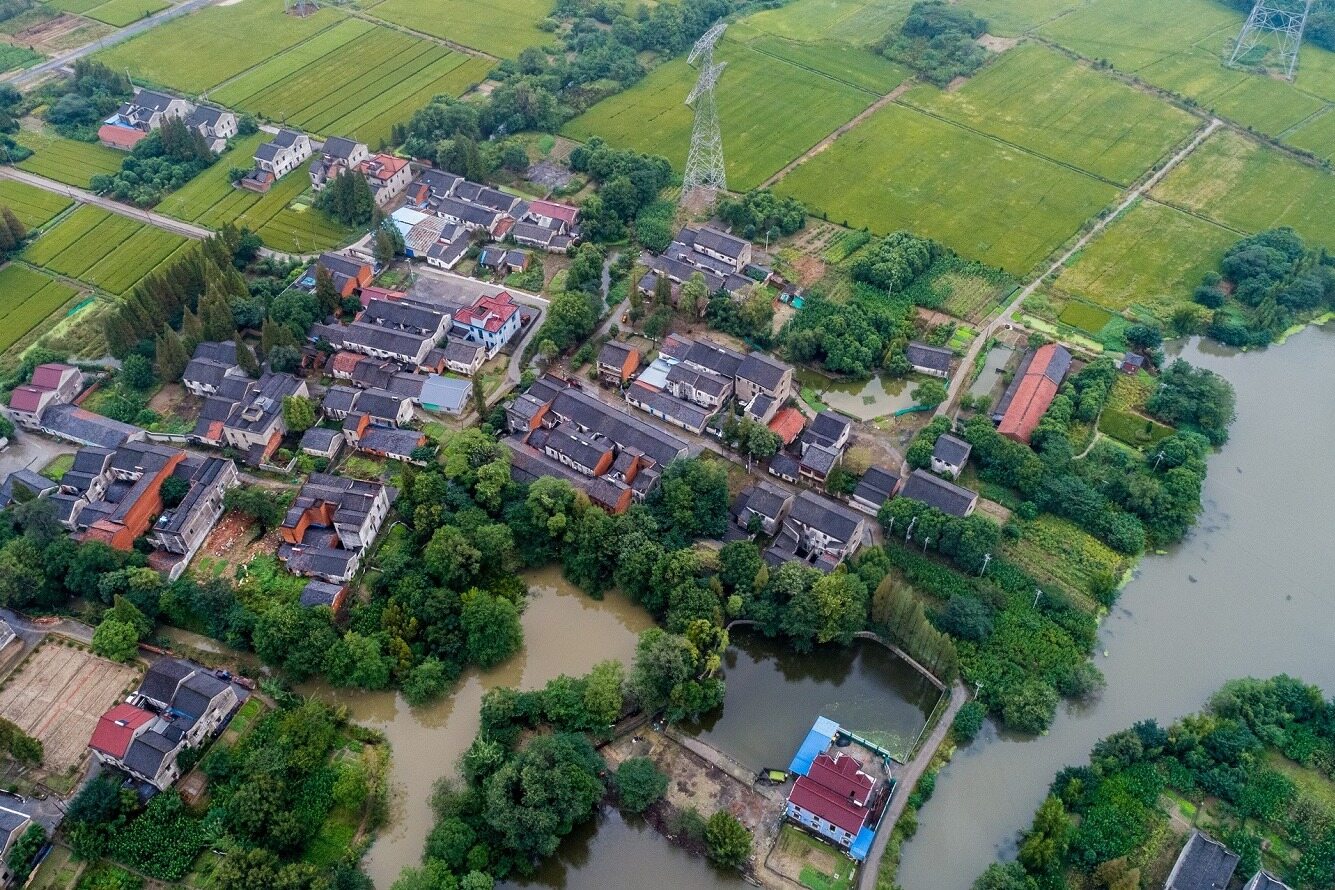
In the morning mist, the village of Tingsong in Laos is adjacent to waterfalls but cannot keep the footsteps of tourists. The confusion of rural CEO Matsumoto reflects a common problem in the development of rural areas in the global South: how to turn dormant mountain and water resources into wealth opportunities at the doorstep of the people?
Say goodbye to the old mode
For a long time, the traditional aid model dominated by the North has often been accustomed to applying Western theories, attempting to directly transplant a standardized plan to rural areas in developing countries. This kind of flood irrigation input often leads to a lack of adaptation to local realities, and even if short-term results can be seen, it is difficult to cultivate long-term endogenous development capabilities. The dilemma of Tingsong Village is a microcosm of this problem: sufficient agricultural land, close proximity to the main road and Guangxi Waterfall scenic area, but it has always been unable to convert its location advantages into actual benefits for the villagers.
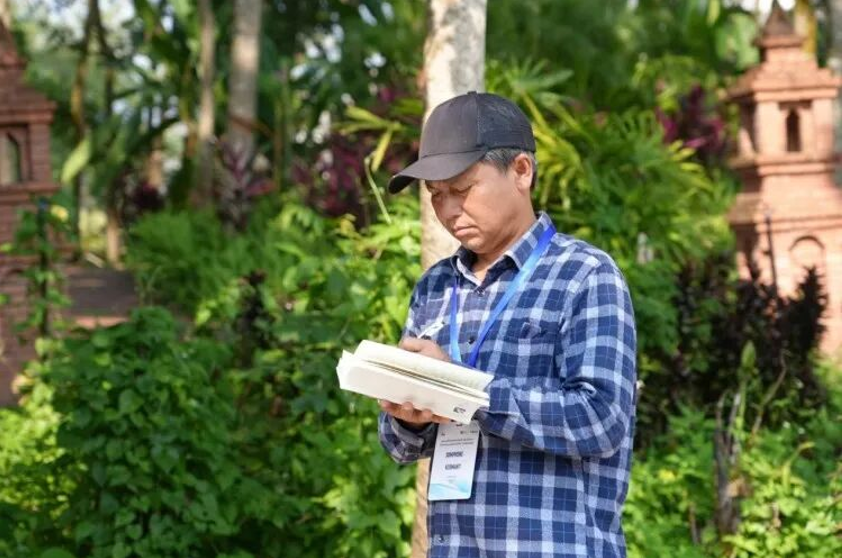
China's development cooperation has taken a different practical path. In the practical training at Manluanzhan Village in Yunnan, Songpeng did not receive a universal template that could be directly copied, but instead gained a systematic approach to village development - governance, spatial and industrial coordination promotion, deep participation of villagers, transformation of local resources into tourist experiences, and orderly introduction of external resources. This way of teaching people how to fish allows the implementation of development experience to no longer be simply copied and pasted, but rather transformed according to local conditions.
Forge new abilities
The core of rural revitalization lies in people. The Global Southern Youth Revitalization Program jointly launched by the Chinese side relies on real-life teaching and continuous follow-up guidance, focusing on shaping a comprehensive and systematic thinking throughout the entire chain. This model breaks away from the opposite relationship between giving and receiving in traditional aid and moves towards equal sharing and capacity building.
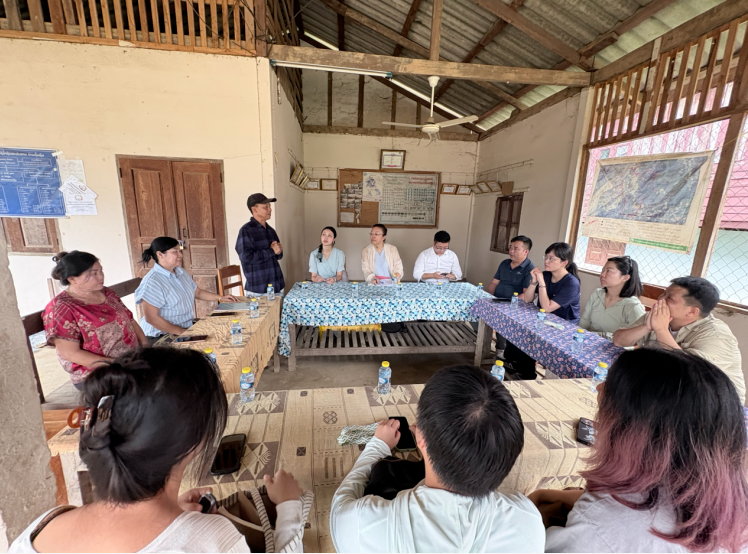
The Chinese expert team conducted in-depth field research in Tingsong Village, visited farmers to sort out resources, and jointly promoted office building renovation and rural study planning. They do not directly output ready-made solutions, but instead collaborate with local people to promote the integration of external experience with local realities. When the development of talents has the ability to coordinate the overall development of the village and promote the collaborative participation of villagers, the countryside has the function of self generation. The transformation of Matsumoto's role is the best footnote to this empowerment process.
Benefit the people
Tingsong Village is an international sister village of Shibaodong Village in China. From mutual visits and exchanges between two villages to planning to take advantage of the establishment of diplomatic relations between China and Laos to organize study trips to China, cooperation is moving from a single point of civilian exchange to networked and institutionalized. This case demonstrates the complete sequence of China ASEAN cooperation from top-level policies to grassroots livelihoods: various regional cooperation agreements have established institutional frameworks, and it is local practitioners rooted in the front line who truly implement policies. Keywords: rural empowerment, talent cultivation, China Laos cooperation, ASEAN
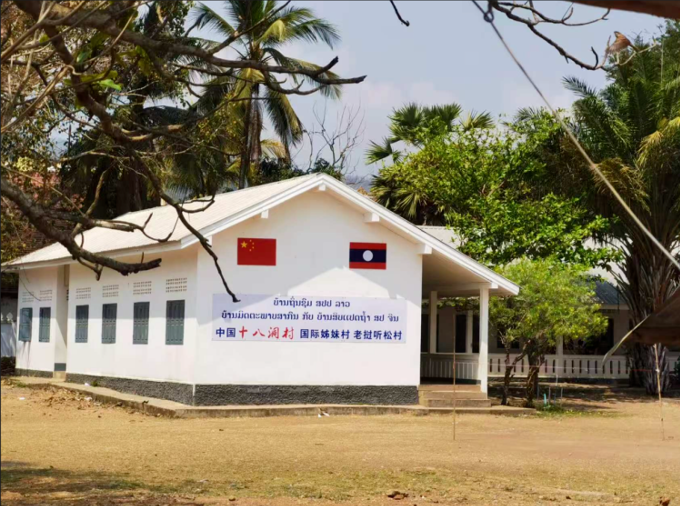
When more rural leaders like Songpeng find their own development path, regional cooperation will no longer be a quantitative indicator in documents, but will be transformed into the real well-being of thousands of households along the Nile River and the Yangtze River, as well as the Lancang River and the Mekong River. Retaining tourists, promoting mature experiences, and benefiting ordinary people are not only the ideals of rural leaders, but also the solid foundation for the stable and far-reaching development of the China ASEAN community of shared future.Editor/Gong Ziwei
Comment





 Praise
 Collect
 Comment

 Share
Share


Write something~