 Search


- Facing the shortcomings of traditional batteries, emergency equipment proposes new standards for power systems
- Drones are widely used in emergency rescue and disaster relief, and battery performance has become a key limiting factor

Above the thick smoke billowing ruins, drones break through the darkness and lock onto life signals - behind this, there is a strong driving heart supporting it. From high temperatures in the fire scene to severe cold in the earthquake zone, high-performance batteries are becoming the silent guardians that determine life and death in emergency rescue.
Endurance test under high temperature
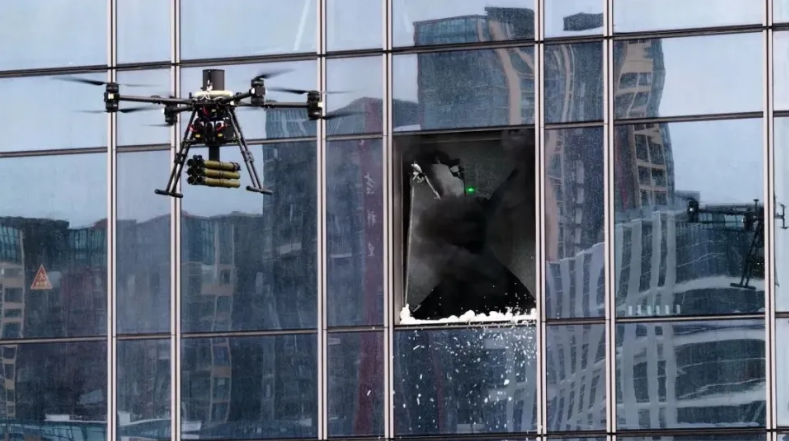
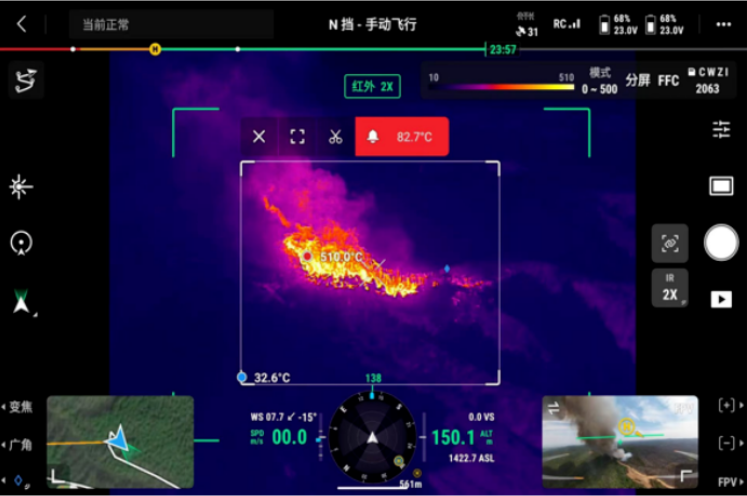
A high-rise building in the city caught fire, and the operating height of conventional high-altitude fire trucks is limited, making the golden time for rescue extremely short. The drone is equipped with infrared thermal imaging to penetrate thick smoke and lock the fire source. In actual combat, a fire broke out in a 30 story building. It takes 15 minutes to conduct reconnaissance on foot, and only 2 minutes for the drone to locate the fire point by sticking to the roof. But all of this is based on the stable output of the battery at high temperatures - ordinary lithium batteries experience a performance decline of over 30% when the temperature exceeds 40 ℃, and the temperature at the fire scene is much higher than this. Only wide temperature range power batteries can ensure continuous operation. In firefighting operations, a vertical twin rotor unmanned helicopter carrying a fire hose flies to a height of over 100 meters to spray fire extinguishing agents, which requires extremely high instantaneous high-power output and stability of the battery.
Protection challenges in rainstorm
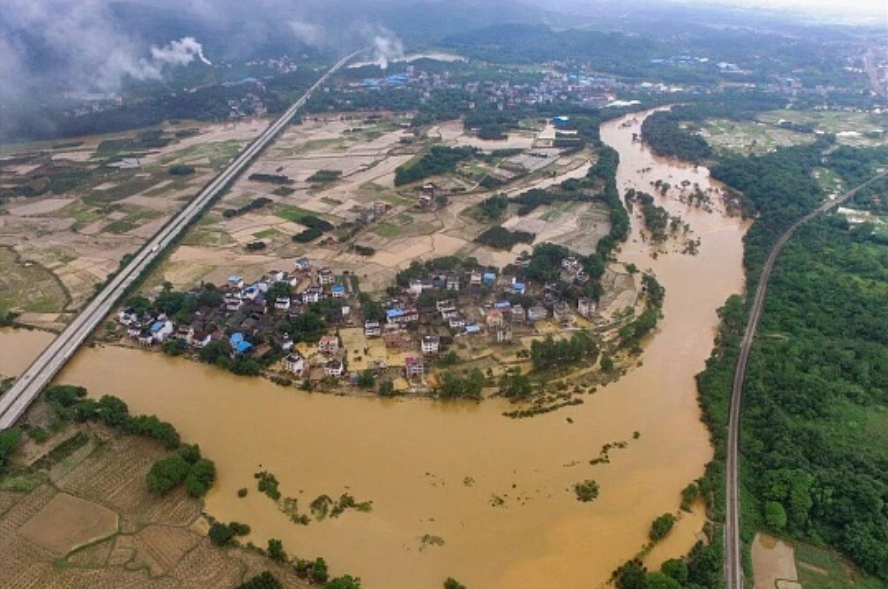
Floods and mudslides caused damage to roads and bridges, and drones became the first air force to arrive in the disaster area, continuously monitoring the overflow of barrier lakes and road damage, relying on 3D modeling to provide a basis for emergency rescue. However, due to the continuous rainstorm and extremely high humidity, ordinary batteries are vulnerable to short circuit in humid environment. Only the power battery with high protection level can support UAV reconnaissance for a long time in rainstorm. The synchronized operation of drone clusters has further improved efficiency and raised higher standards for battery consistency and rapid battery replacement and replenishment.
A reliable defense line on the ruins
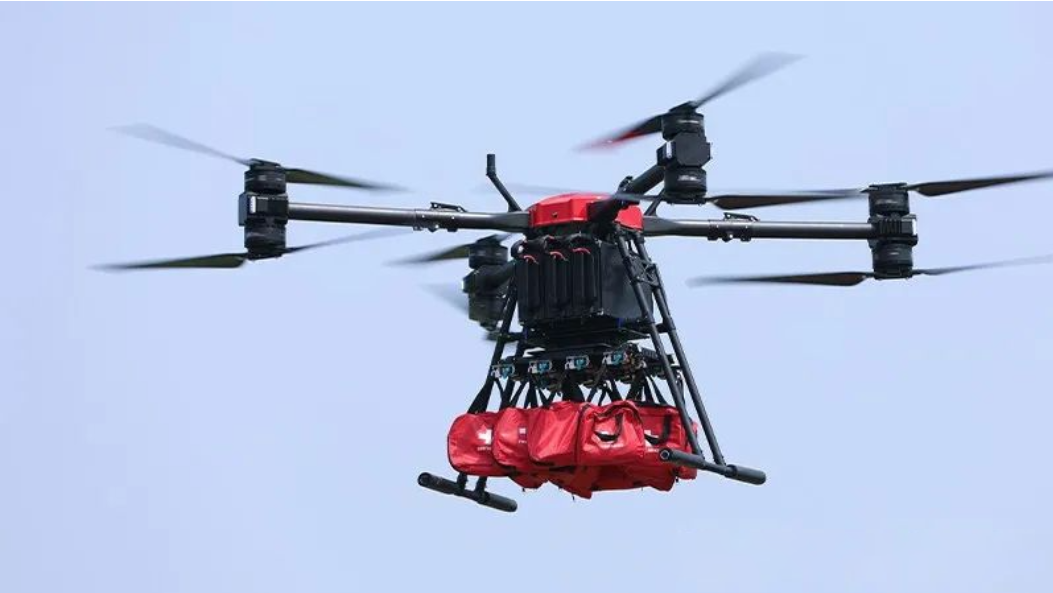
After the earthquake, the ruins were scattered everywhere, and drones avoided the risk of secondary collapse. Infrared detection penetrated through smoke and night to identify human heat sources and locate trapped people. Large load aircraft were used to deliver emergency supplies, and communication relay drones were used to build an aerial network to solve the problem of power outages and disconnections. However, frequent aftershocks occur above the ruins, and if the battery is affected by low temperature, dust, or severe vibrations, it may experience attenuation or short circuit, leading to drone crashes, communication interruptions, and forced search and rescue operations to come to a halt. Every stable power supply from the battery is a life rescue race against time.
Fire scenes need to withstand high temperatures, floods need to be waterproof and corrosion-resistant, and earthquake zones need to be impact resistant and low-temperature resistant. High load conditions such as rapid takeoff and landing, rapid climb, and heavy load hovering require the battery to instantly release amplified current - which is the value of high rate performance. Traditional lithium batteries have three major shortcomings: weak environmental adaptability, insufficient safety, and insufficient rate, which further exacerbate the problem in disaster relief scenarios. The national emergency management department has put forward stricter requirements, and the three indicators of wide temperature range, high safety, and high magnification are indispensable. This is not a multiple-choice question about technical routes, but a necessary question for safeguarding life. Keywords: emergency rescue, drones, power batteries, disaster search and rescue
From fire reconnaissance to earthquake search and rescue, drones continuously expand the boundaries of emergency rescue capabilities. High performance batteries safeguard the hope of life with stable electrical energy. When disaster strikes, every second is a matter of life and death. Pay attention to this invisible driving heart, which is where the confidence lies in every rescue operation.Editor/Gong Ziwei
Comment





 Praise
 Collect
 Comment

 Share
Share


Write something~