 Search


- Learn from urban construction experience and use systematic planning to support the development of immigrant areas
- On site observation of agricultural research achievements and exploration of grain production increase plans suitable for immigrant areas
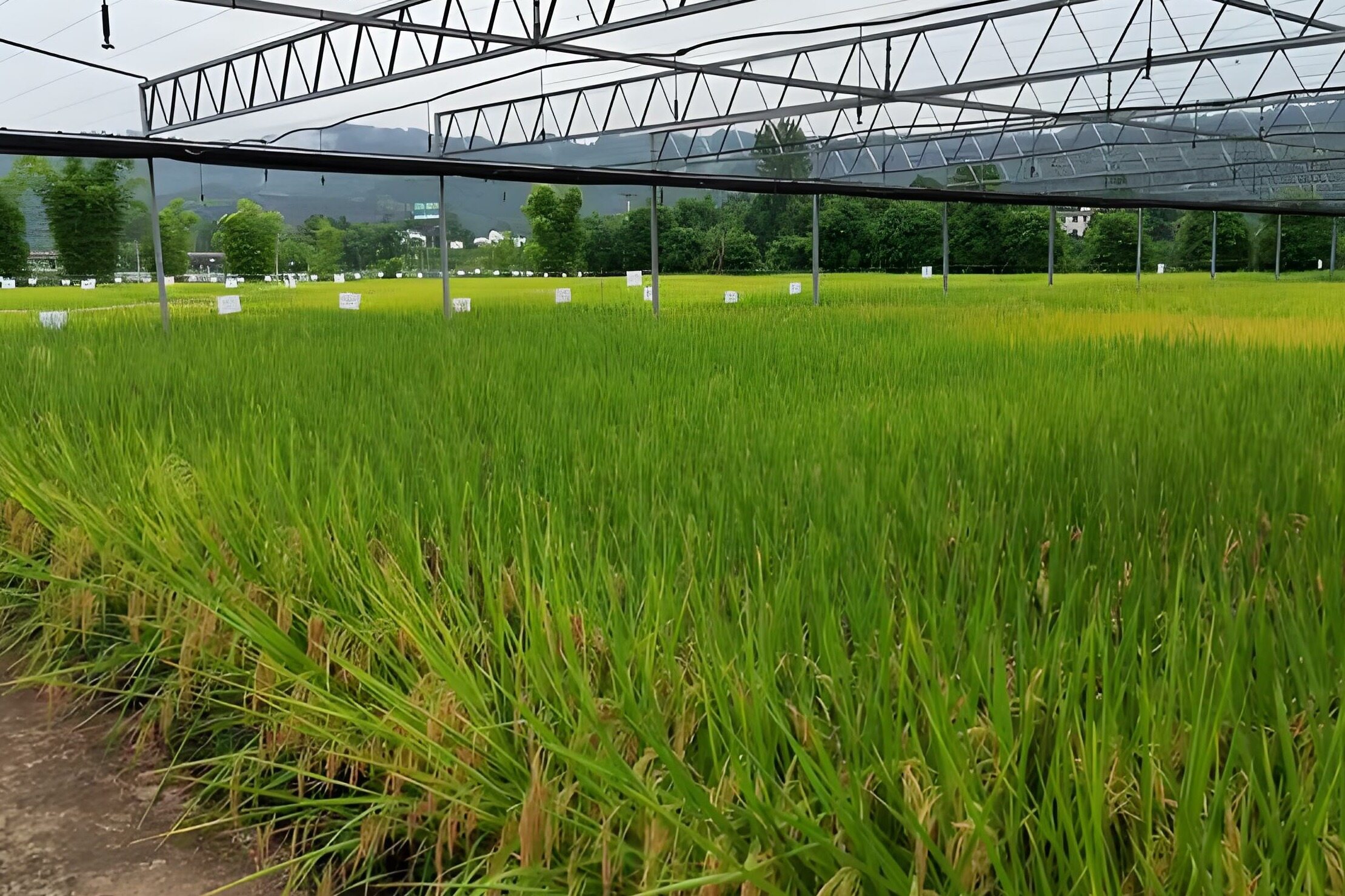
From the immigrant settlement area in the Indonesian archipelago to the hybrid rice experimental field in Hangzhou, Lahore Qiao came all the way with questions about land and people's livelihoods. This expedition spanning mountains and seas reflects Indonesia's pragmatic approach of leveraging China's experience to solve the dual challenges of food security and regional development.
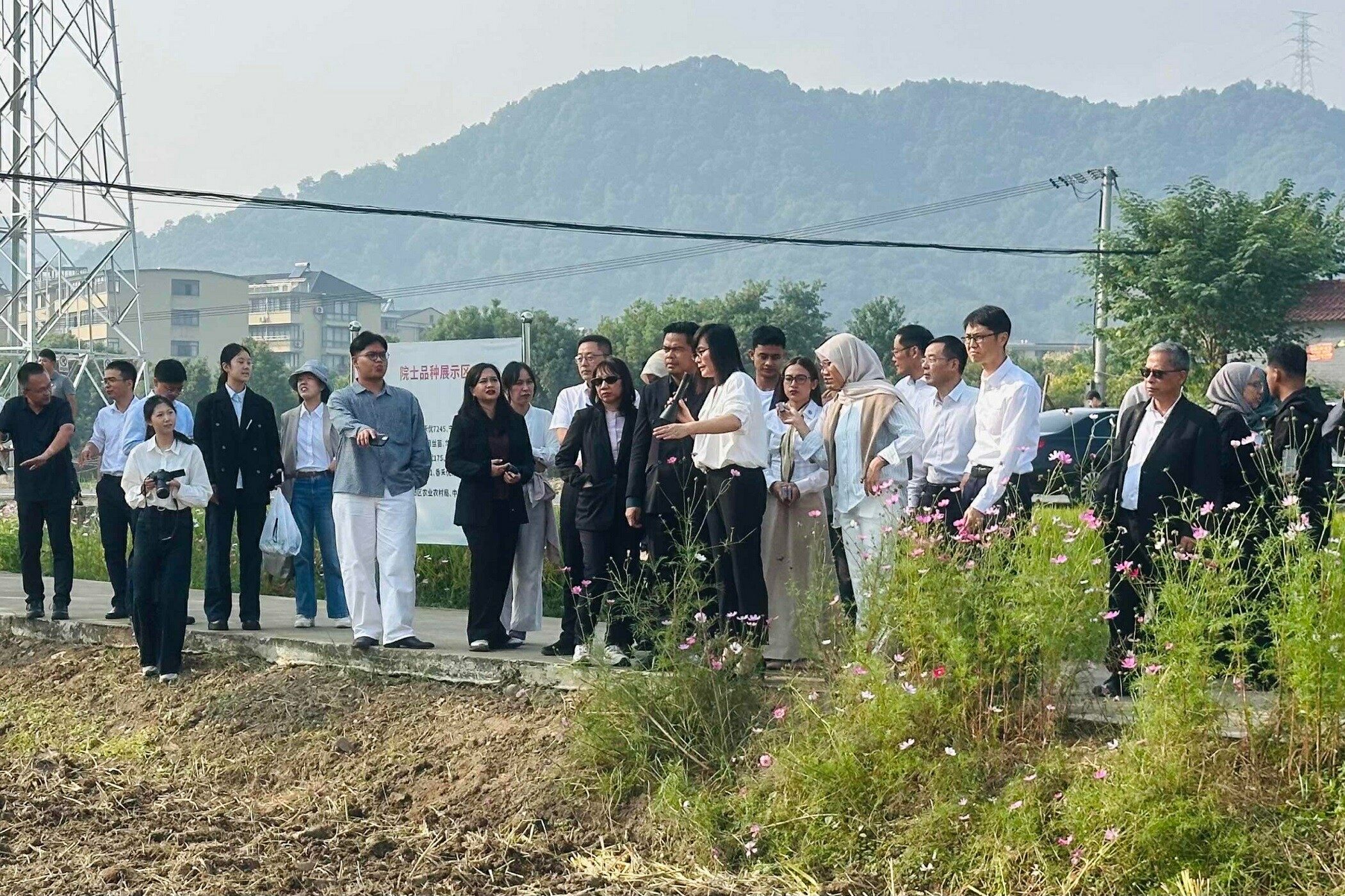
On October 16, 2026, Lahore Qiao, the development manager of Indonesian immigrant areas, inspected hybrid rice breeding technology at the China Rice Research Institute in Hangzhou to explore the feasibility and implementation path of using this technology in Indonesian immigrant resettlement areas. Previously, he participated in the second training program for Indonesian immigration officials in Beijing and Chongqing, learning Chinese experience in urban planning, industry, and ecological governance. A clear clue emerged: Indonesia is no longer seeking a single project, but a set of transferable, implementable, and sustainable development methods.
The Grain Security Code in Rice Seeds
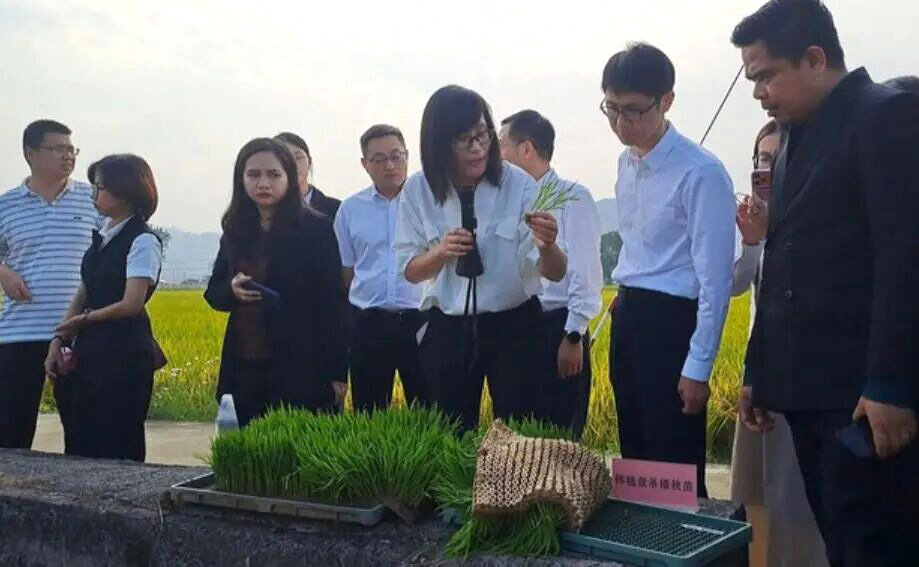
Rice is crucial for Indonesia's livelihoods and the future of resettlement areas. Lahore Qiao focuses on the breeding of three line hybrid rice, hoping to explore applicable conditions and promote technological cooperation. Indonesia is developing multiple resettlement areas for immigrants, with significant differences in soil, climate, and infrastructure conditions. Choosing the right agricultural technology and building an industrial system are key factors. The China Rice Research Institute has conducted research in Papua, Indonesia, and the cooperation between the two sides has a practical foundation. Rahaljo repeatedly emphasized adaptation - technology needs to adapt to land, industry needs to adapt to talent, and investment needs to adapt to financial capabilities. Technological cooperation can not only increase production, but also cultivate sustainable agricultural industries, making the relocated population truly stable.
Smart Placement in Planning
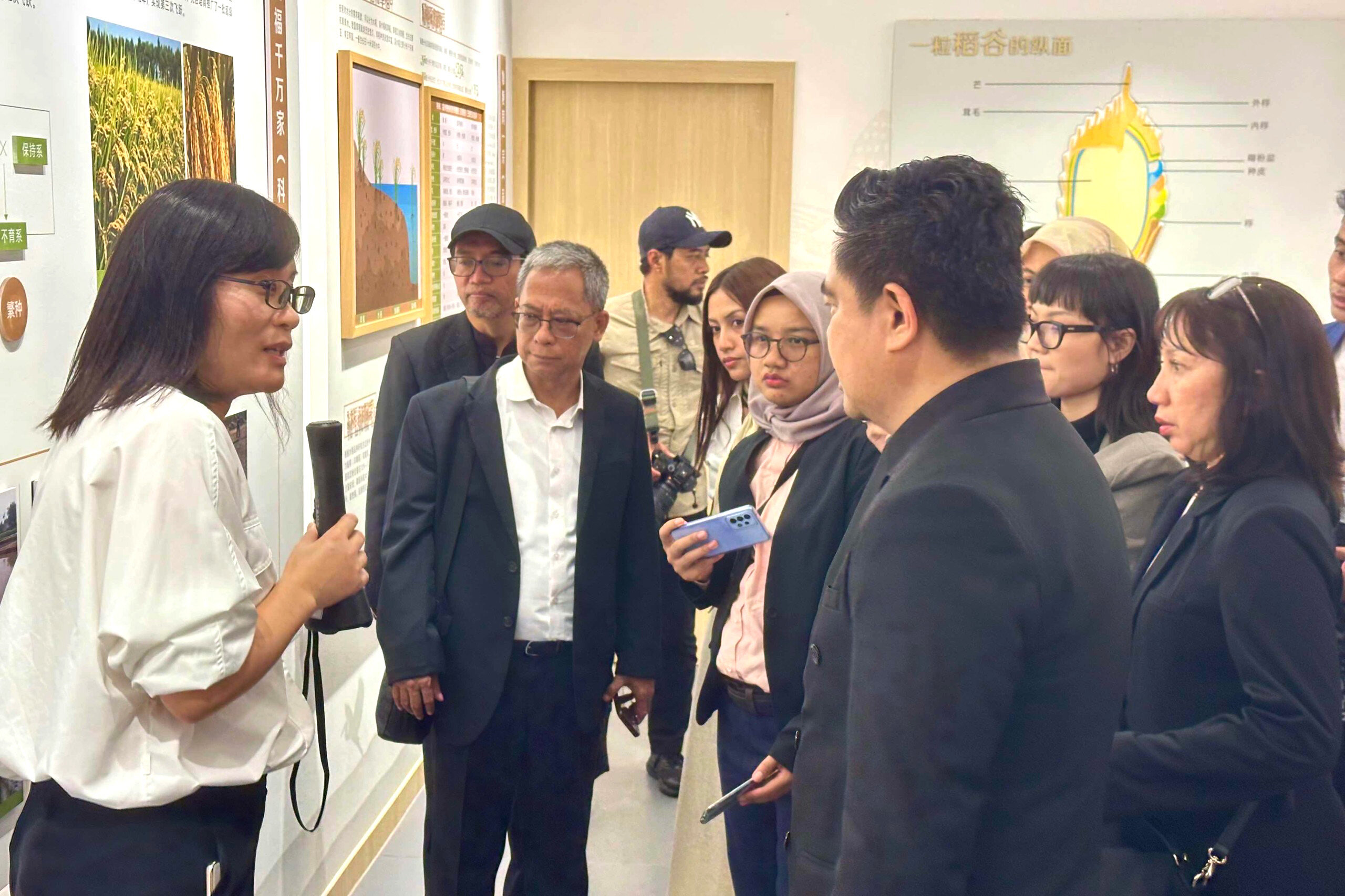
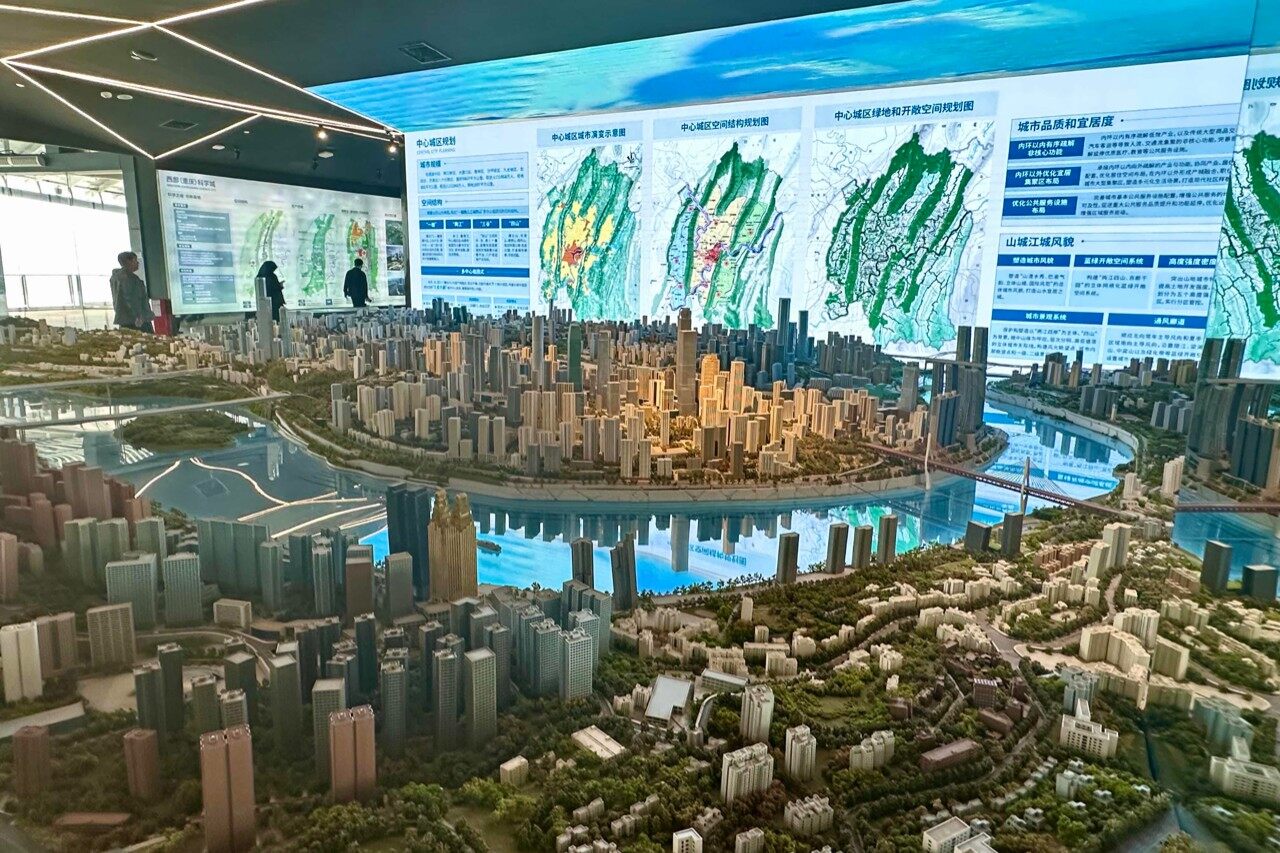
Hangzhou provides agricultural research answers, while Chongqing offers spatial governance models. After visiting the Chongqing Planning Exhibition Hall, the Indonesian side hopes to learn from Chongqing's experience in coordinating relocation and urban construction. Resettlement is not a simple population migration, but a systematic project that promotes population adjustment, development of underdeveloped areas, employment cultivation, and public service support. Chongqing's mountain city governance, industry city integration, and ecological governance provide Indonesia with comparable samples, helping it transform resettlement areas from "transitional zones" to "growth nodes".
Institutional protection, investment attraction, and talent introduction
On a deeper level, the true theme of this visit to China is investment attraction+talent attraction+system attraction. Lahore Qiao actively promotes enterprises to invest in Indonesian resettlement areas. The resettlement area has land, labor, and agricultural potential, but resources will not automatically turn into income. The middle requires technological transformation, industrial chain design, and institutional guarantees to connect. Enterprises value policy stability and clear rules the most when going global. Indonesia is improving its immigration investment system and aligning with national regulations, which is a crucial step. For Chinese enterprises, it not only brings capital, but also a package of capabilities such as park operation, agricultural machinery promotion, and processing logistics.
A hybrid rice seed is behind food security; A new immigrant district with regional balance behind it; Behind an official training is the accumulation of governance ability. When Indonesian officials in Hangzhou asked how this technology was implemented in our area, and in Chongqing asked why relocation and urban growth did not conflict, development cooperation has moved from the project level to the institutional level. This may be the harvest that should be seen most in this experimental field.Editor/Gong Ziwei
Comment



 Praise
 Collect
 Comment

 Share


Write something~