 Search


- Egypt officially signs 1GW wind power 25 year power purchase agreement, steadily advancing towards 45% renewable energy target by 2028
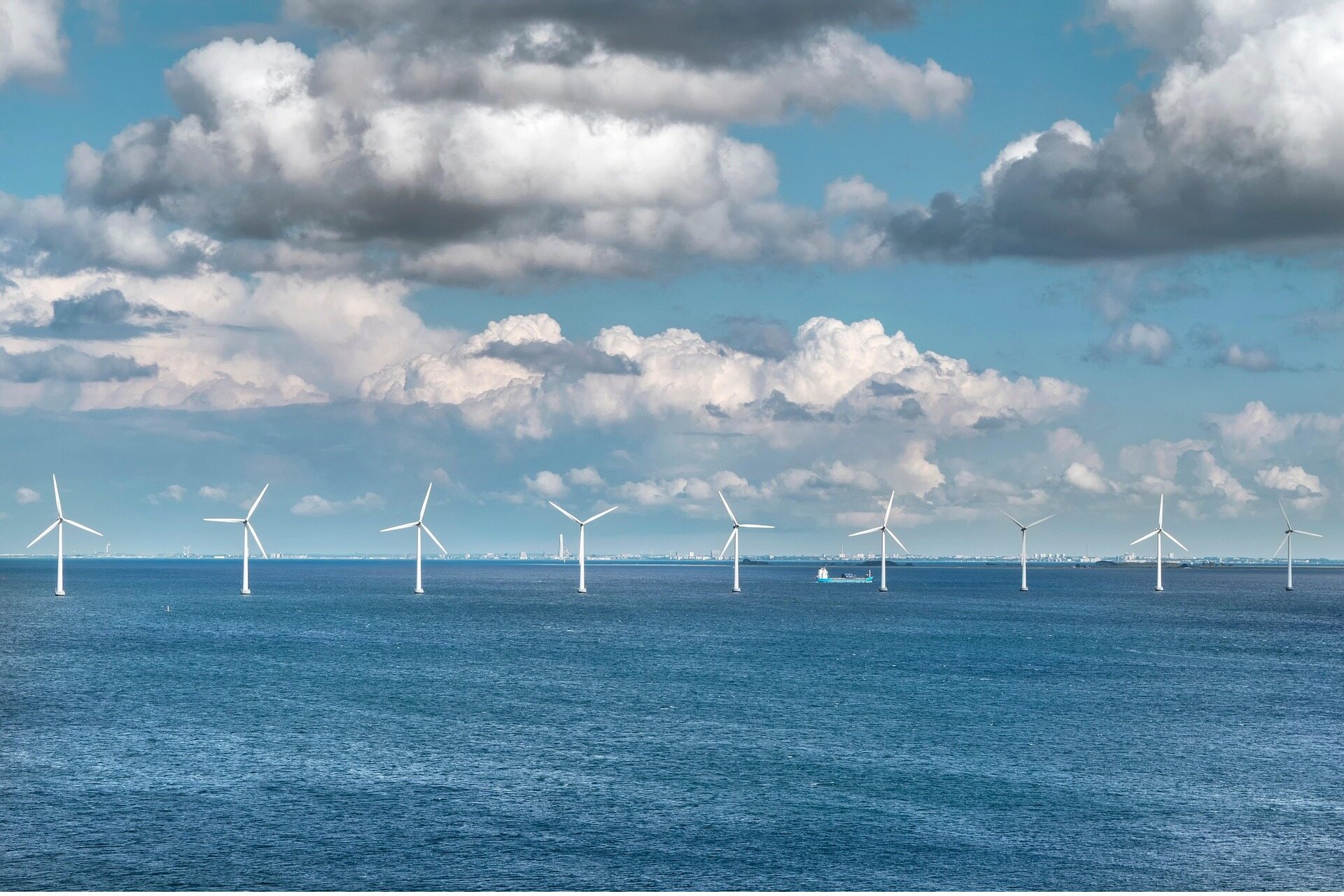
In the Ras Shokeir wind energy corridor along the coast of the Gulf of Suez, the stable northeast trade wind is ushering in a new window of value release.
The consortium formed by Infinity Power and HAU Energy has officially signed a 25 year power purchase agreement with Egyptian Transmission Company. A large-scale wind farm with a total installed capacity of 1GW is about to land in this 143 square kilometer high-quality wind resource area. Egypt has taken a crucial step towards its goal of 45% renewable energy by 2028. In the first half of 2026, the total installed capacity of wind power in Egypt increased by 41% year-on-year, and the wind energy corridor along the Red Sea coast has become the most promising wind power development cluster in North Africa.
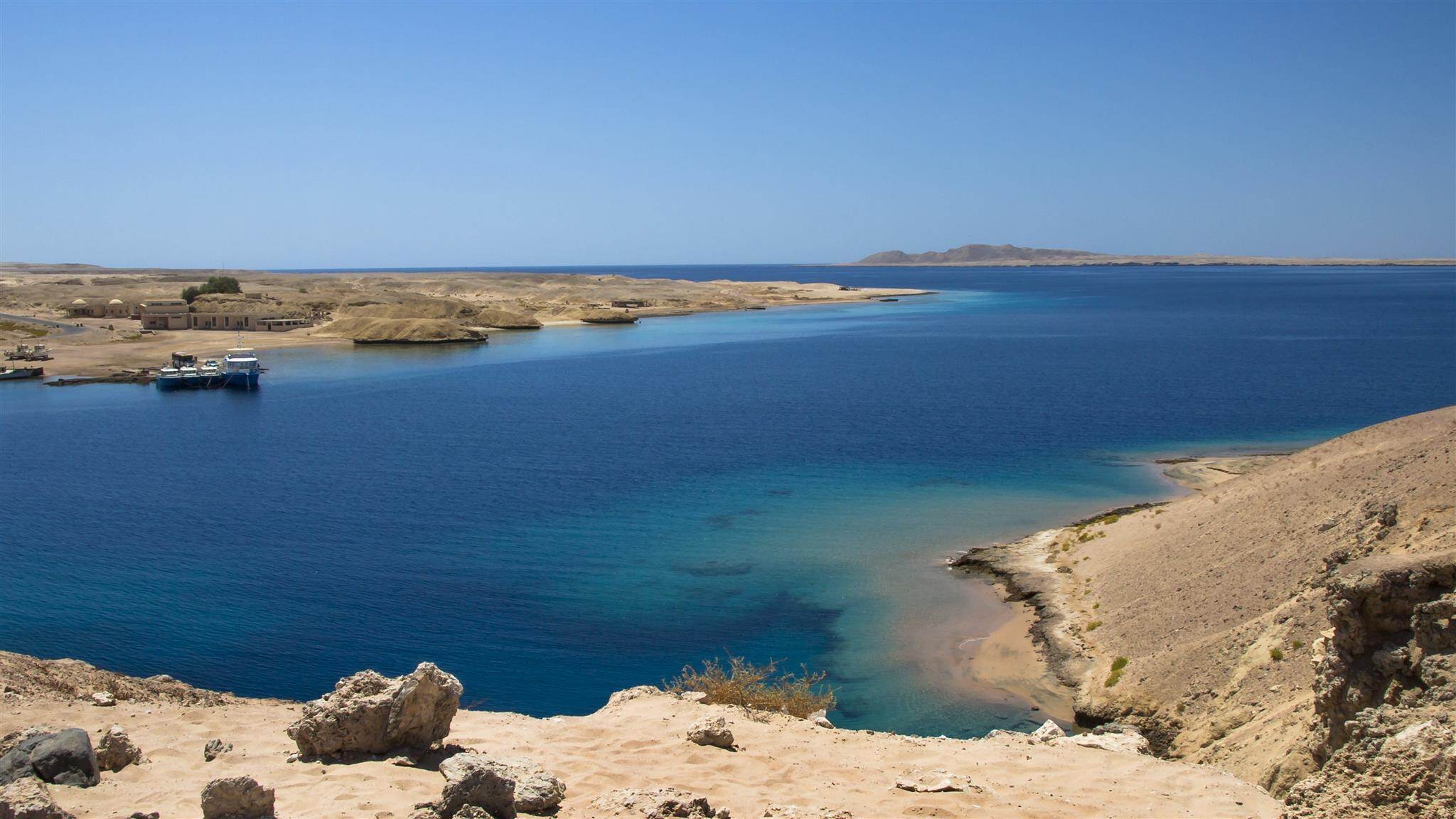
Double giants join forces to land
The 1GW Ras Shokeir wind farm signed this time is jointly developed by Infinity Power, the largest pure renewable energy company in Africa, and HAU Energy. Infinity Power is a joint venture between a local Egyptian company and Masdar in the United Arab Emirates, with the goal of achieving 10GW of operational installed capacity by 2032; HAU Energy is jointly owned by the European Bank for Reconstruction and Development and Meridia, with an investment portfolio size exceeding $3.5 billion and a total development capacity of 3.3 GW.
After completion, the project will be able to output approximately 3.2 terawatt hours of clean electricity annually, meeting the electricity needs of over 1.2 million Egyptian households and reducing carbon dioxide emissions by over 1.36 million tons annually. It will be directly connected to the Egyptian national grid.
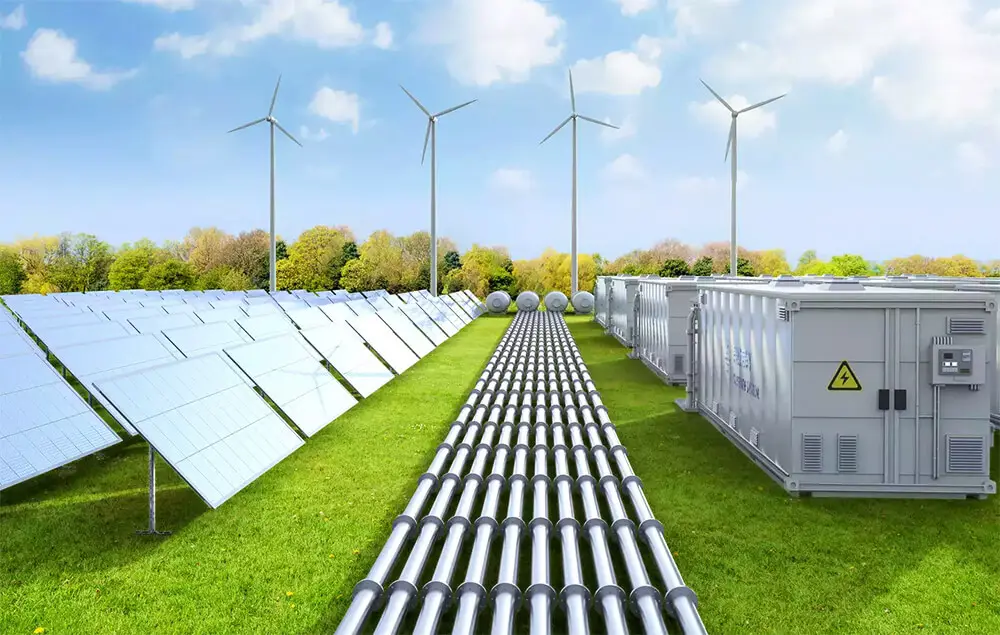
Collaborative layout of wind, solar and energy storage
Currently, Egypt's power supply still heavily relies on natural gas, accounting for 78% of the country's total electricity generation. In order to achieve the national goal of renewable energy generation accounting for 45% by 2028, large-scale integrated wind, solar, and storage projects are being intensively implemented locally.
Previously, two consortium companies had won a total of 1.2GW of solar energy and 720MWh of energy storage projects in November 2025. HAU Energy's 1GW photovoltaic with 600MWh of energy storage project in West Minya and 200MW photovoltaic with 120MWh of energy storage project in Benban are steadily under construction.
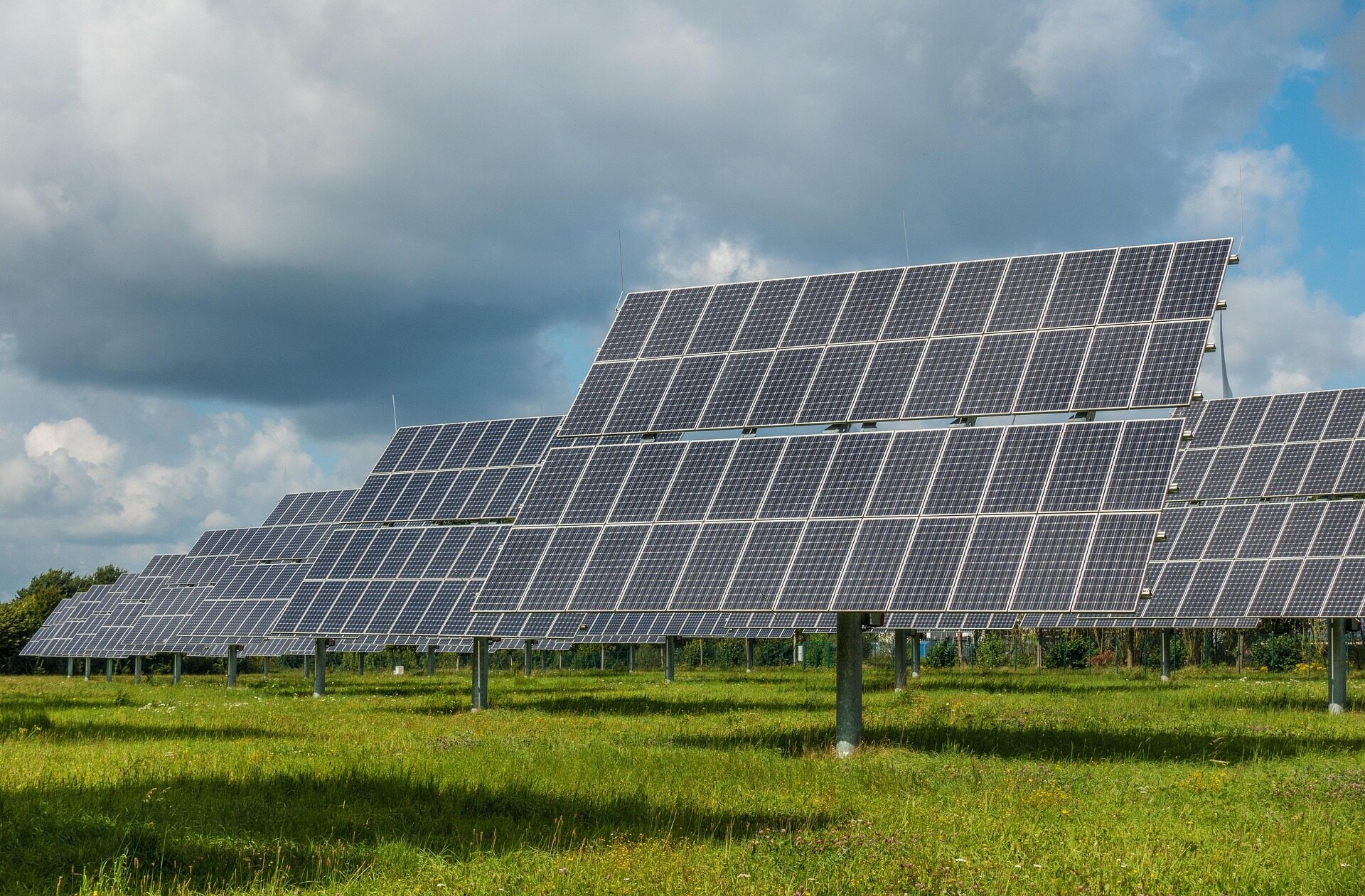
By combining large-scale wind power bases with supporting energy storage facilities, Egypt is rapidly reducing its dependence on natural gas power generation and building a more stable clean power system. Keywords: New Energy, Middle East News
From wind farms in the Gulf of Suez to photovoltaic bases in Minya Province, the deserts and coastlines of North Africa, a clean energy map covering the entire wind, solar, and energy storage chain is rapidly taking shape.Editor/Cheng Liting
Comment



 Praise
 Collect
 Comment

 Share
Share


Write something~