 Search


- The continuous updating of foreign trade products reflects the steady rise of China's industrial strength
- The iteration and upgrading of overseas product categories are forcing the international logistics system to accelerate innovation
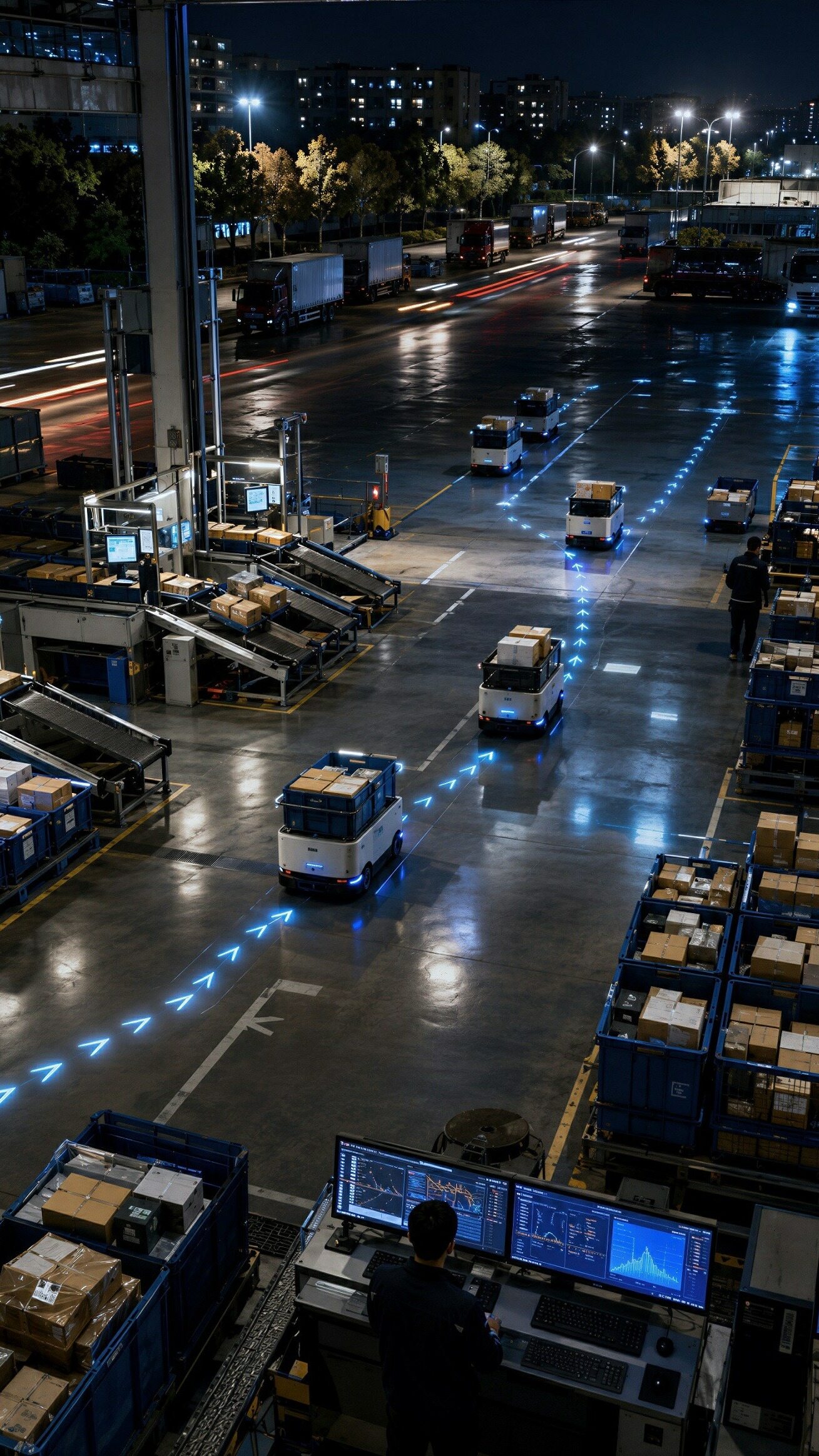
A giant ship loaded with industrial robots set sail from Chongqing, heading towards Thailand. This is not an ordinary delivery of goods, but a vivid epitome of China's industrial iteration. As robots, artificial intelligence, and innovative drugs become the forefront of overseas development, China's foreign trade is undergoing a profound transformation from the old three to the new three. The upgrading of the form of goods is forcing the logistics system to shift from simple spatial displacement to full chain value empowerment.
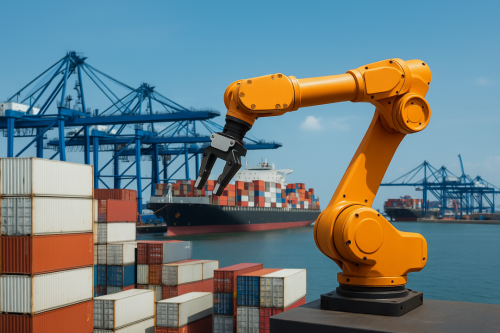
Logistics changes reflect industrial iteration
Logistics has always been a barometer of industrial changes. In the era of the old three, LCL bulk cargo pursues cost and scale; The rise of the new three types has defined professional standards for roll on/roll off ships and hazardous chemical transportation. Now, the new three are reshaping the rules. Industrial robots are exported overseas, producing not only robotic arms but also control systems and maintenance solutions; Innovative drugs going abroad test the entire cold chain temperature control and traceability system. This requires international logistics channels not only to be accessible, but also to be fast and stable, in order to match the industry cluster's ultimate pursuit of timeliness after compressing the supply chain distance.
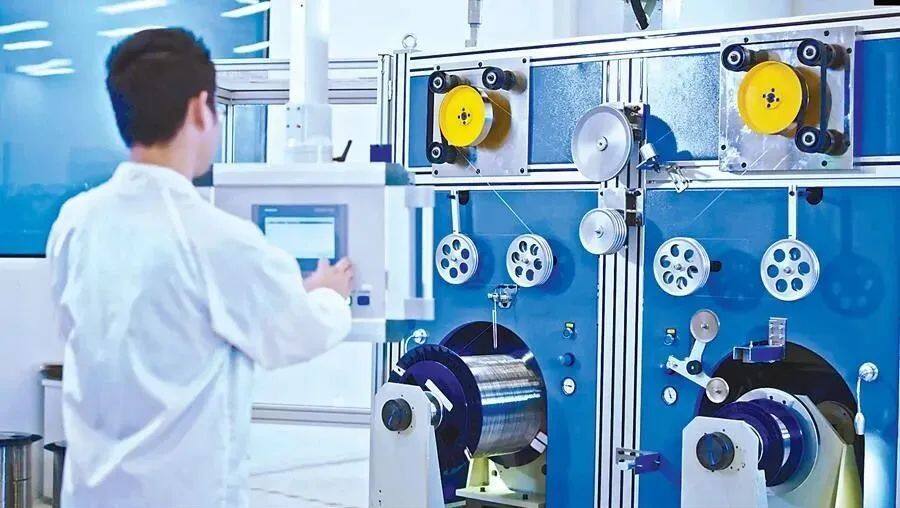
Empowering Technology to Reshape Circulation Models
The essence of this transformation is the leap of China's foreign trade from manufacturing capability to a complete innovation ecosystem capability. Shanghai, Chongqing and other places are building logistics and customs clearance systems that are suitable for high-tech products, creating a major artery to support new quality productivity. More importantly, emerging industries are empowering the logistics industry in reverse: AI optimizes port scheduling, robots transform warehousing operations, and big models assist supply chain management. Logistics is no longer just a passive carrier, but actively defines the efficiency boundary for industries to go global. Keywords: logistics, artificial intelligence, foreign trade

When China deeply integrates into the global industrial chain, it exports not only products, but also technology, systems, and standards. The upgrading of modern international logistics networks, from transporting goods to empowering industries, is a solid footnote for China's economy to move towards the source of global innovation.Editor/Gong Ziwei
Comment

 Praise
 Collect
 Comment

 Share
Share


Write something~