 Search


- Capital continues to flock to the AI track, and there is a growing demand for expansion in computing infrastructure

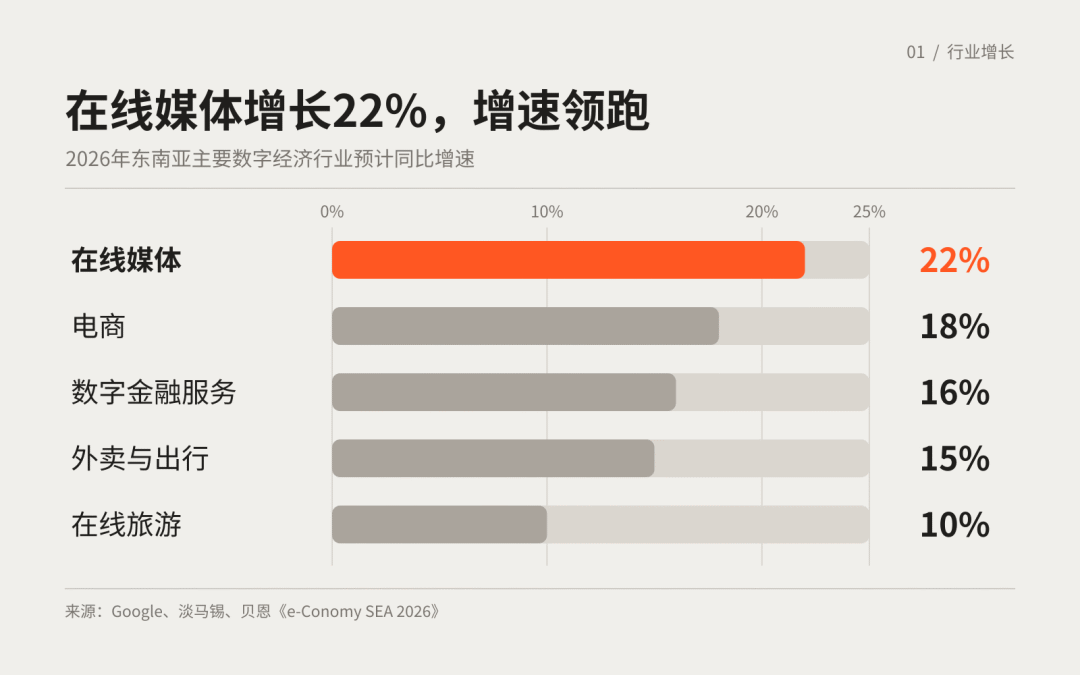
Bangkok night market vendors use AI to generate posters, while Singaporean investors closely monitor the computing power consumption curve. When the latest annual report pushes Southeast Asia's digital economy to the forefront, a turning point is already clear: the digital narrative of this hot land is shifting from user growth to a tough battle for commercial monetization.
The hidden worries under the glory
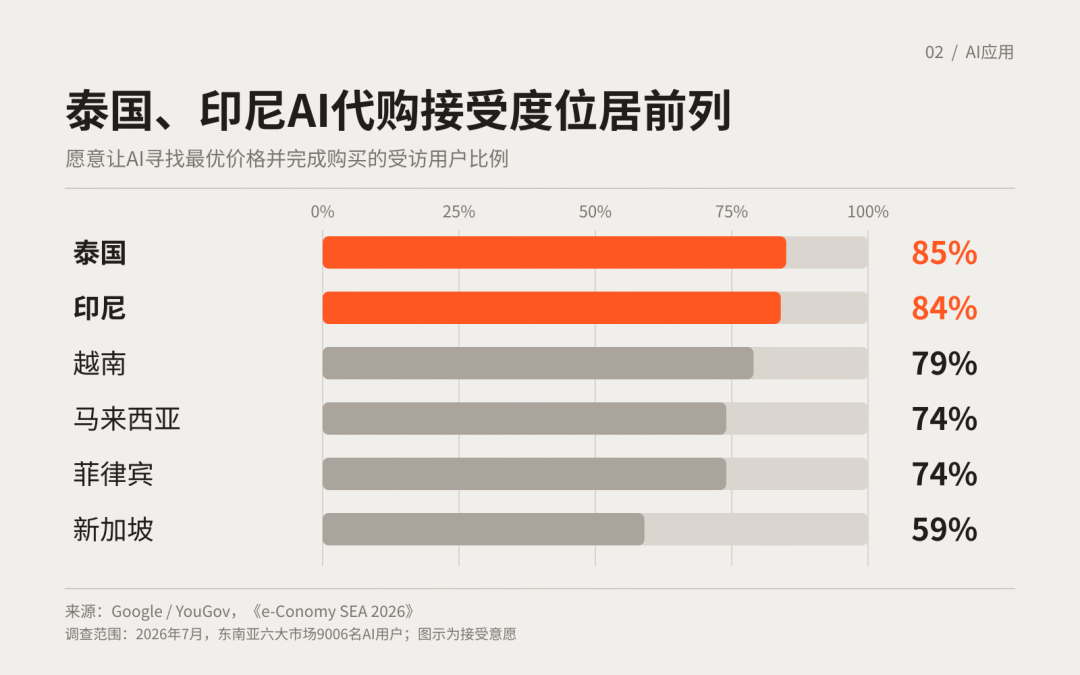
The total transaction volume and user scale both increased, with e-commerce supporting the basic market and online media leading the growth rate. However, among the 243 million users of generative AI, the payment ratio is relatively low and the per capita usage intensity is far inferior to that of the United States. What's even more embarrassing is that consumers are willing to let AI compare prices, but return them to manual payment - privacy concerns and trust deficits are like a glass wall, blocking AI from the last mile. There is traffic, but the closed loop has not been achieved.
High computing power gambling and return risk
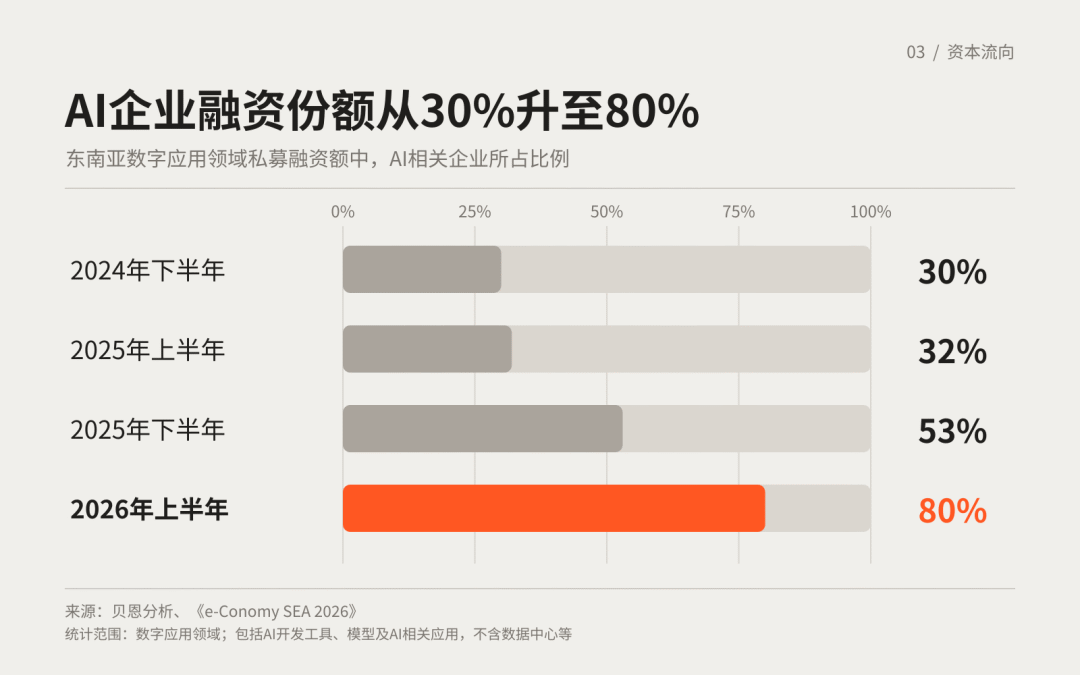
On the capital side, it's a different story. The financing flood is pouring towards AI and computing power. The report predicts that regional AI demand will expand 60 times by 2030, and data center scale will need to double in the next five years. But computing power is not building blocks - it requires electricity, land, and cooling systems. Thailand is accelerating the establishment of a regulatory framework for data centers, and investors are waiting for the standards to be implemented. The supply speed may not keep up with capital expectations. If the downstream application layer still cannot make money, the upstream infrastructure investment becomes a castle in the air.
Three strategies to break the deadlock
Breaking the game is not about technology transplantation, but about deepening the scene. Firstly, trust building is more urgent than algorithms - transparency reporting and data sovereignty commitments are the keys to unlocking the payment gate. Secondly, the enterprise side is a more realistic channel for monetization, and the data indicating a higher proportion of AI applications in enterprises in Singapore and Malaysia has pointed the way. Thirdly, computing infrastructure must be coordinated with energy planning, otherwise electricity prices and power supply will consume returns.
From the explosion of e-commerce to the penetration of AI, Southeast Asia took ten years to walk the same path as others in twenty years. But speed is not a moat. Whether the trillion dollar forecast can be realized depends on whether all parties can upgrade their traffic thinking to value thinking. The script for the Southeast Asian smart economy is being written, but the climax has not yet arrived.Editor/Gong Ziwei
Comment




 Praise
 Collect
 Comment

 Share


Write something~