 Search


- Intended to address railway shortcomings, reduce logistics costs, and connect ports with each other
- Paving the way for manufacturing and net zero goals
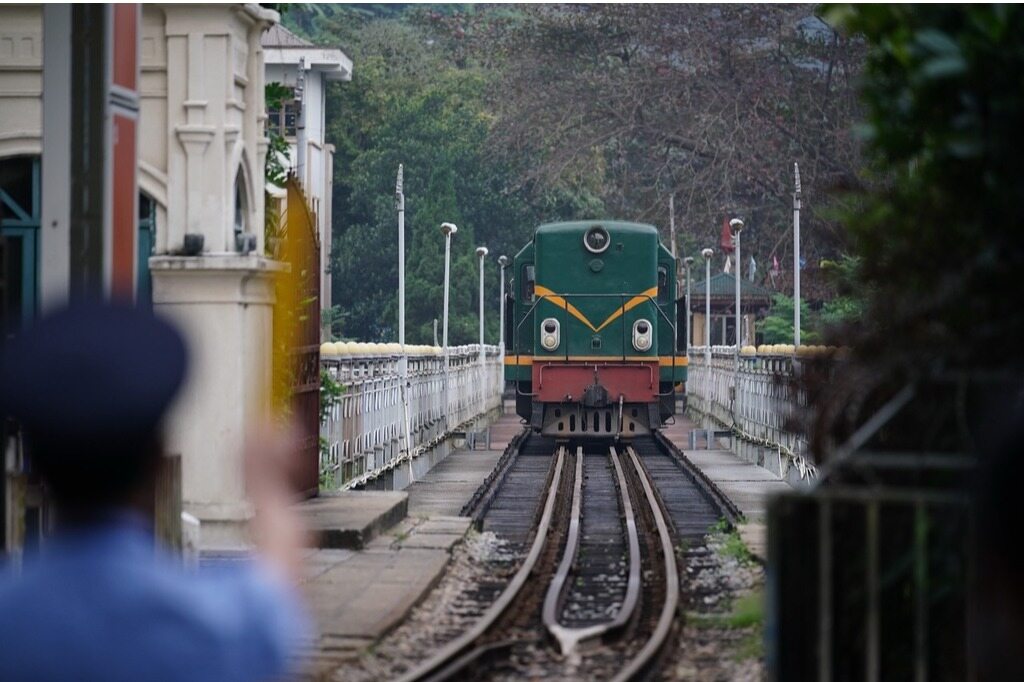
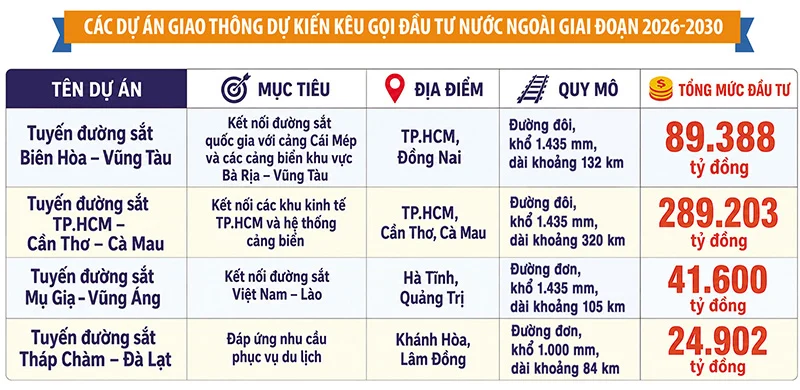
In the conference room of the Ministry of Construction in Hanoi, a list of investment proposals was placed on the table. There are no roads or airports, and the four key projects recommended to foreign investors are all railways, with each project costing over 958 million US dollars, totaling over 17 billion US dollars. Vietnam wants to use this list to tell the outside world that the railway has become the main battlefield of national infrastructure from a supporting role.
Four routes have been terminated
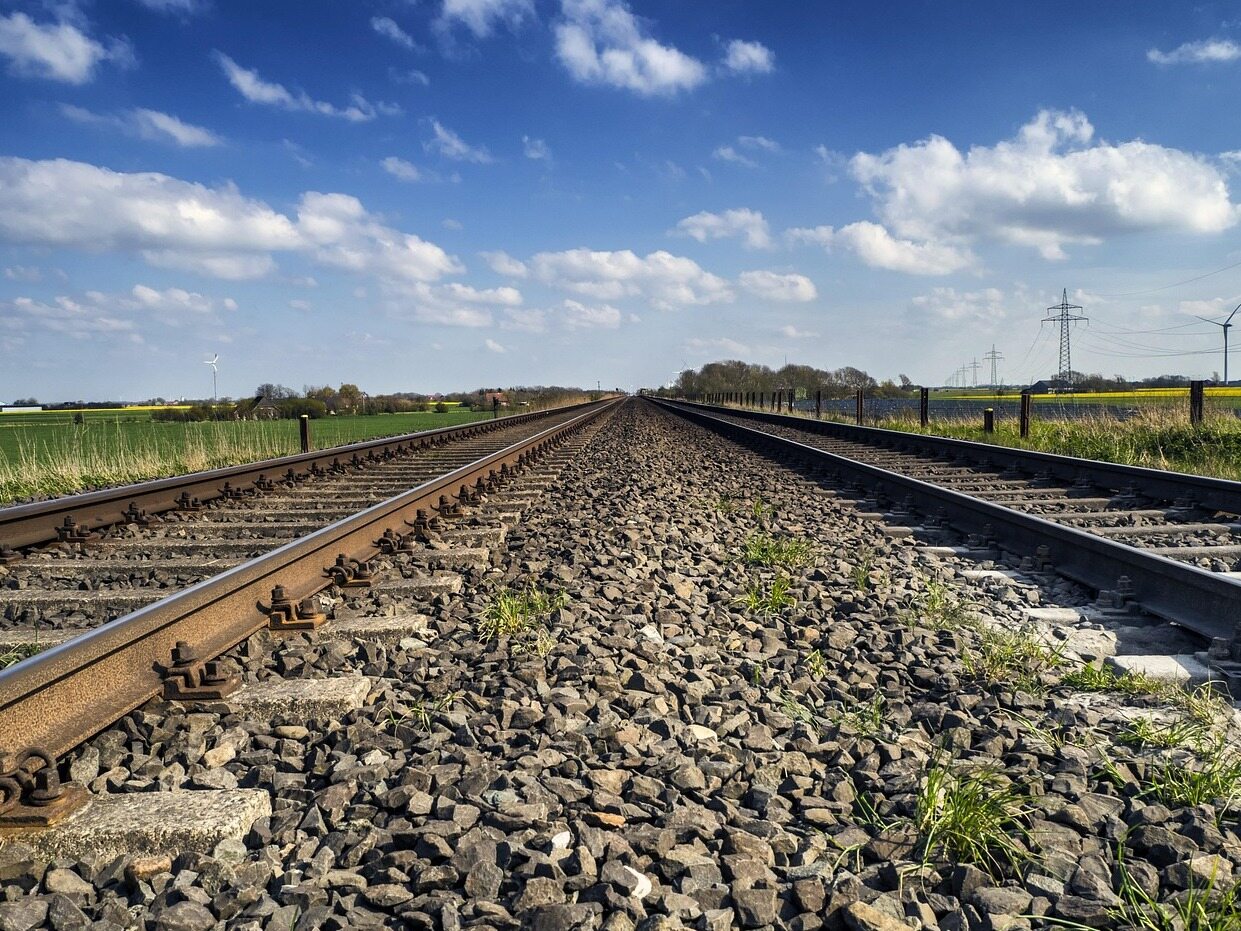
These four lines are embedded in the 10 standard gauge railway diagrams launched in Vietnam around 2030. In the south, the 132 kilometer Bianhe Toudun railway runs straight into the Gaimei Shiwei Port group; The 320 kilometer Ho Chi Minh City Can Tho Jin'ou railway crosses the Mekong Delta, connecting the southern economic center with the sea outlet. In the central region, the 105 kilometer Mujia Yong'ang Port railway serves the heavy industry coastline; The 84 kilometer Tazhan Dalat railway climbs up the Xiyuan Plateau to catch the flow of agricultural products and tourism.
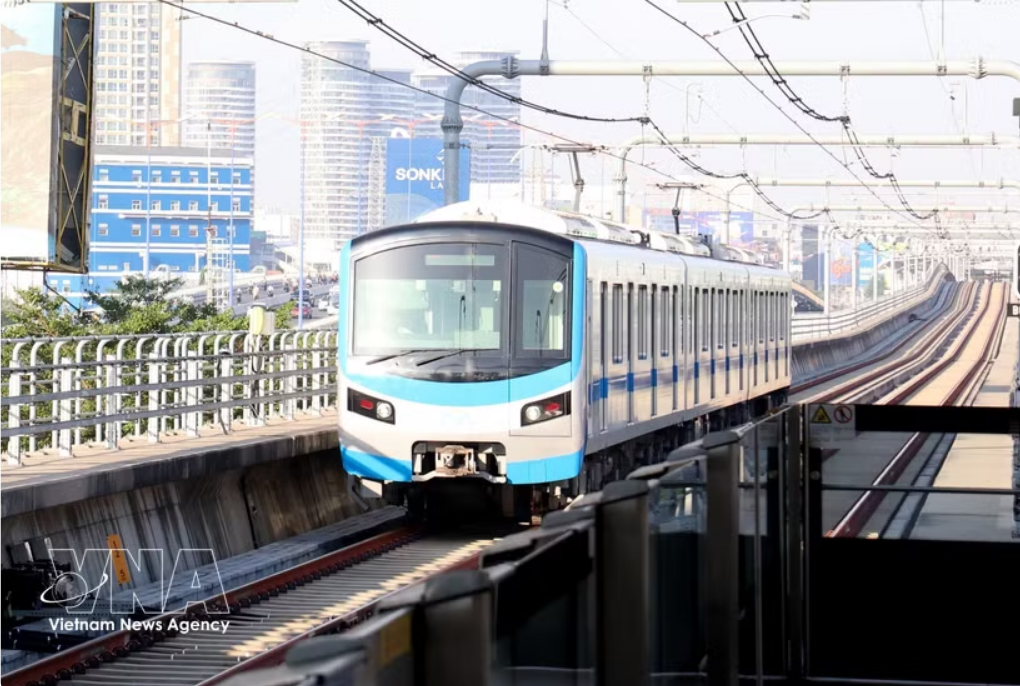
They all plan to adopt the PPP model, activate off budget funds, and introduce foreign capital, technology, and project management experience. For Vietnam, railways are not just about steel and cement, but also a tool to lower logistics costs from 16% to 20% of GDP. According to academic calculations, if they are reduced to the global average of 11%, the country can save about 45 billion US dollars annually.
Big money, long cycle
But when foreign capital comes in with real money and silver, it's not so smooth. The 2021-2025 list of key foreign investment projects included 9 large-scale projects, with varying outcomes: some found investors, some returned public investment, and some fell on paper due to lack of attractiveness. The pain points of railways are very hard - large investment scale, long payback period, and limited financial return rate.
Even more challenging is the system. The current PPP and risk sharing mechanism in Vietnam is not convincing enough for international investors. Although a consortium of investors has conducted pre feasibility studies on the Mujia Yongang line, most foreign investment is still in the research stage, coming and going. In addition, the proportion of railway freight transportation in Vietnam is only about 1%, and 80% of the goods are transported by road. The operating side's imagination space cannot sustain high premiums in the short term.
How to change investment promotion
The chairman of the Road Traffic Engineering Investors Association gave a prescription: first, make the PPP policy more reasonable, and clearly state government support and risk sharing; Pin feasible plans and financing arrangements before attracting investment, don't use semi-finished products to make money. The target audience should be strategic investors, investment funds, and international financial institutions with large-scale infrastructure capabilities, rather than general foreign investment.
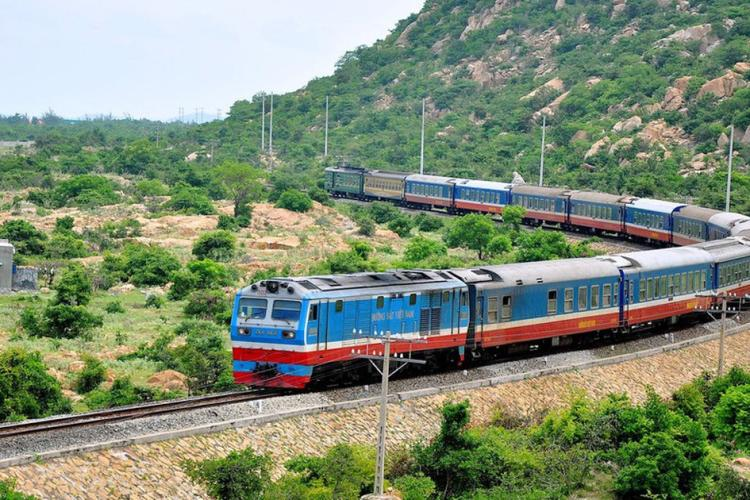
The chessboard in Vietnam is actually bigger. The North Old Street Hanoi Haiphong Railway has added investment to connect with Chinese standard gauge, while the West Central East Third Line is attempting to connect with the Pan Asian Railway network; These four lines to the south supplement the domestic arteries. Once the standard rail is connected, it is expected that the goods will not be transferred from the mouth of Yunnan River to Haiphong, providing Vietnam's manufacturing industry with an additional land insurance option.keywords:Southeast Asia engineering information network
When the $17 billion investment proposal is unfolded, Vietnam is not betting on the opening of railways one by one, but on increasing the share of railways in comprehensive transportation, reducing pressure on highways, emissions, and placing utensils in advance for itself in the logistics hub of the Indochina Peninsula.Editor/Yang Meiling
Comment


 Praise
 Collect
 Comment

 Share
Share


Write something~