 Search


- Innovate diversified financing models to attract various types of capital to participate in railway construction
- Vietnam promotes the reform of state-owned railway enterprises and reshapes the development pattern of rail transit
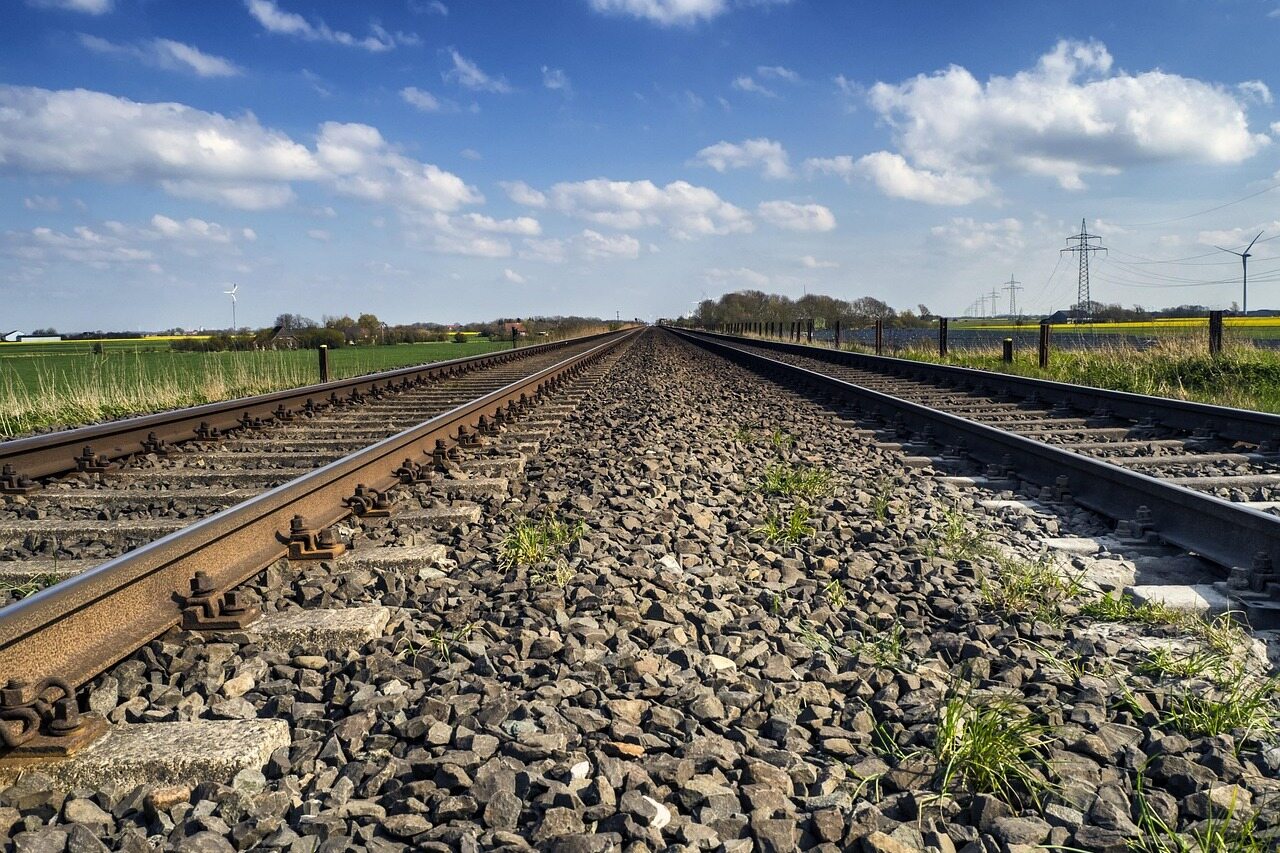
Vietnam's railway has weathered a century of storms and now marks a historic turning point. With the completion of the business model restructuring, Vietnam Railway Corporation has officially changed its name to Vietnam National Railway Group, opening up a new operating structure for its parent and subsidiary companies and injecting strong momentum into the expansion of the railway network.
The reform has been completed and the main body has been renamed
Vietnam Railway Corporation recently completed its business model restructuring and renamed as Vietnam National Railway Group, obtaining a business license issued by the Hanoi Ministry of Finance. Vietnam Railway has completed its restructuring and become a wholly-owned state-owned Vietnam State Railway Group, implementing a parent subsidiary operation model to support the expansion and development of the railway network.
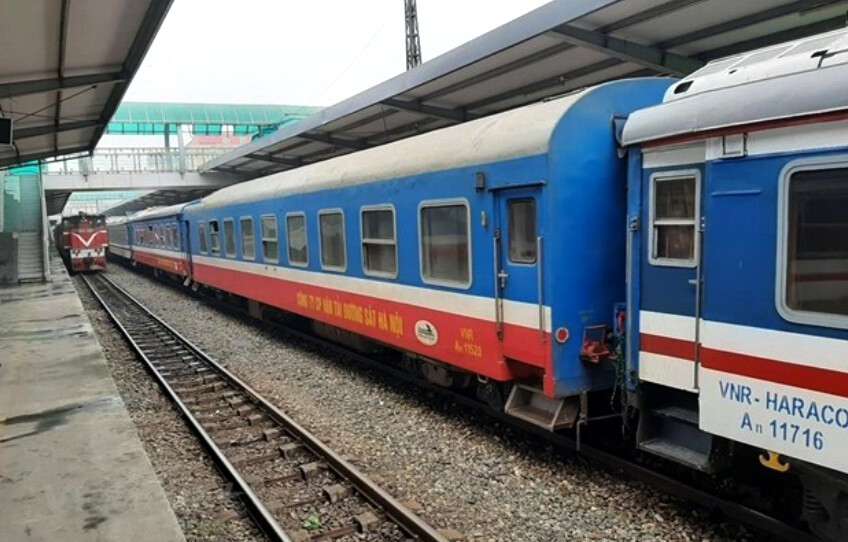
Restructuring entity and structure
The parent company of VNR after restructuring is a 100% state-owned limited liability company, which undertakes all the rights, responsibilities, and contracts of the original unit. Reform and divest traditional management models, separate infrastructure management from train operation, allow social capital to participate in vehicle, station, and service construction, and keep the main railway under national supervision. The business has expanded from single transportation to railway infrastructure management, operation and maintenance, while also being able to undertake investment in national budget projects.
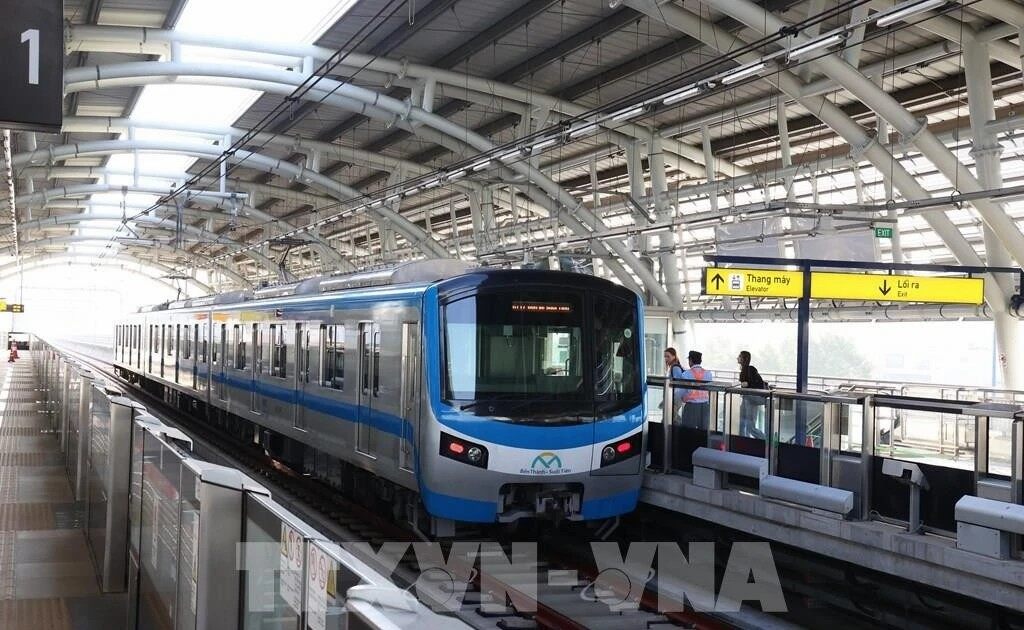
The North South high-speed railway connects Hanoi and Ho Chi Minh City, with a total length of 1541 kilometers. It is electrified with double standard tracks and compatible with international signal standards. The total investment of the project is approximately 67.3 billion US dollars, accounting for about 1% of Vietnam's annual GDP during the construction period. It will be approved by the end of 2024. After completion, the travel time between the two places will be reduced from 30 hours to 5-6 hours. The existing 1726 kilometer single track line is preserved, undertaking freight and conventional passenger transportation, running parallel to high-speed rail.
Funding and Development Layout
Implement mixed financing, with the central government providing funds and guaranteed loans, and introducing the PPP model through the restructuring platform. By relying on track usage fees and real estate revenue around the station, attract institutional investors with long-term franchise rights. Opening up the market to the outside world, international suppliers can provide signal, communication, train and other equipment. The goal is to build 1541 kilometers of north-south high-speed railway by 2035. Keywords: Vietnam Railway, North South High Speed Railway, Multimodal Transport
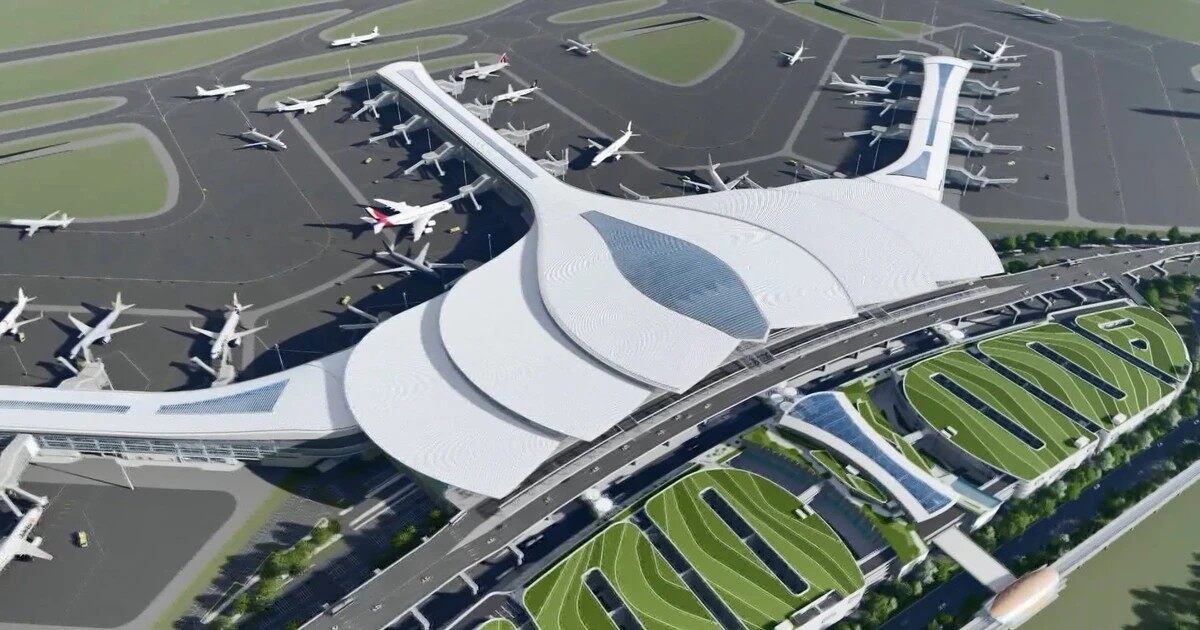
VNR is positioned as the core entity of the entire railway chain, driving the industrial chain and tackling core technologies. Build a comprehensive group based on the 2026-2030 strategy; By 2030, implement the OECD governance standards, and by 2035, become the leading domestic railway and core of multimodal transport. After the restructuring, the expected annual growth rate of railway revenue is over 10%, and the financing channels for major projects are further expanded. The Vietnamese Prime Minister has issued a decree to promote projects such as the Ho Chi Minh City Long Cheng Airport railway, implement VNR restructuring and railway industry planning, introduce technology, and develop domestic railway equipment.Editor/Gong Ziwei
Comment




 Praise
 Collect
 Comment

 Share
Share


Write something~