 Search


- Improve the layout of the southern road network to help Thailand consolidate its position as a hub in the ASEAN region
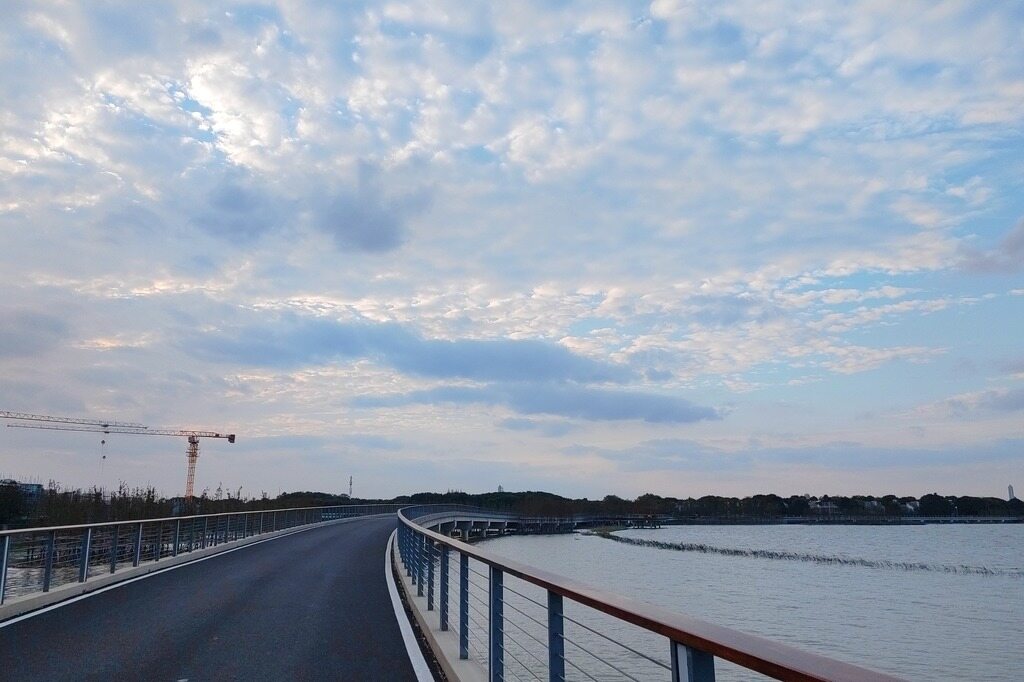
For thousands of years, the blue waves in southern Thailand have blocked the fireworks on both sides of the strait, and the sound of ferry whistles hides the travel difficulties of several generations. Now, with the signing of the two bridges between Songkhu Lake and Lanta Island, a steel rainbow spanning the water is about to be erected. It not only connects the naturally fragmented territory, but also raises new expectations for green development among local people.
Two major bridges officially signed a contract
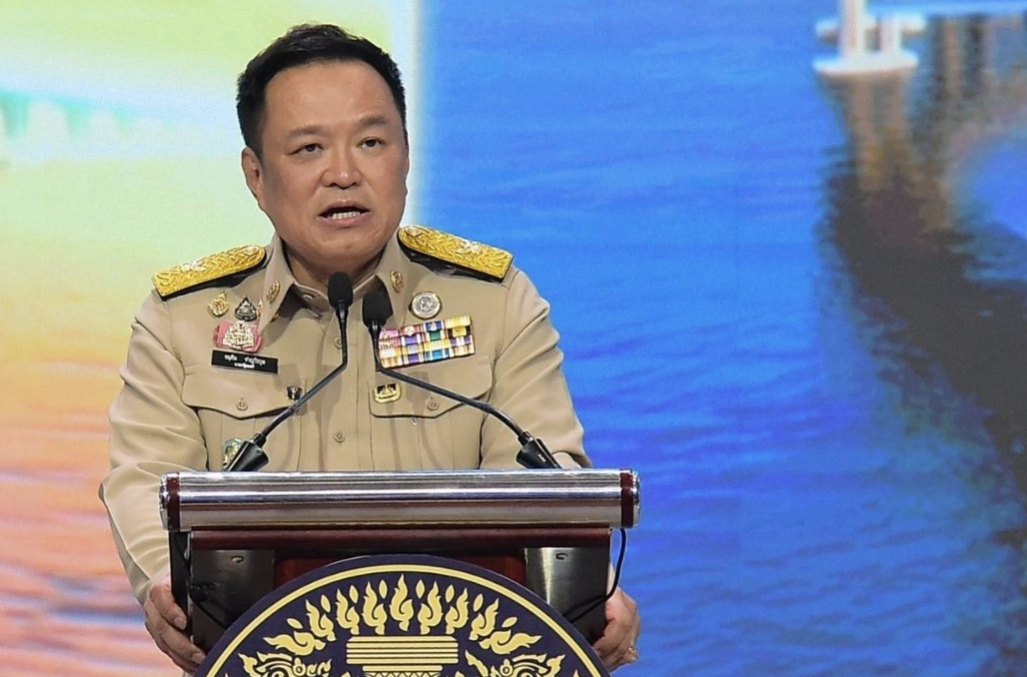
Southern Thailand welcomes significant development opportunities. Prime Minister and Minister of Interior Anutin presided over the signing ceremony of construction contracts for two key projects, the Songkhu Lake Bridge and the Lanta Island Bridge. Two major projects have been included in the national green transportation strategy, with a total investment of over 6.6 billion Thai baht, filling the transportation gap in southern Thailand, shortening cross provincial travel time, and driving tourism and local economy. The project implements strict environmental standards, balancing infrastructure construction and ecological protection, and helps Thailand consolidate its position as an ASEAN transportation hub.
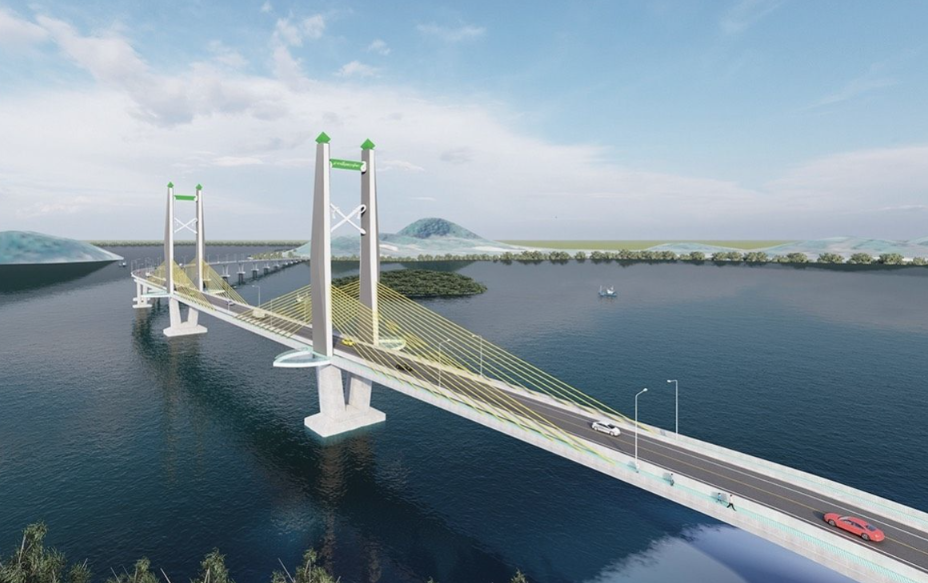
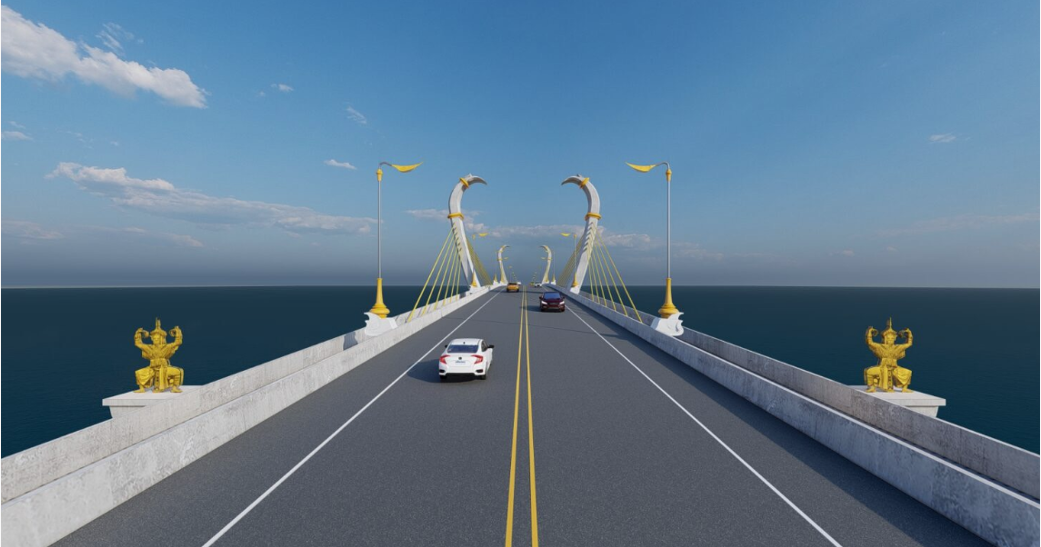
The project adopts high standard construction, balancing safety and practicality with local cultural characteristics. The funding source is clear, and the World Bank provides loan support. The Songkahu Cross Lake Bridge has a total length of 7 kilometers and a total investment of 4.841 billion Thai baht, including a construction cost of 4.7 billion Thai baht and a supervision cost of 141 million Thai baht. The bridge is a two lane cable-stayed bridge with a stable box girder structure, and the design incorporates cultural elements from southern Thailand. Subsequent supporting rural roads, connecting with regional main roads, and improving the local road network. The Lanta Island Bridge has a total length of 2240 meters, with a total investment of 1.854 billion Thai baht, a construction investment of 1.8 billion Thai baht, and a supervision fee of 54 million Thai baht. The bridge connects to the existing highway in Jiami Prefecture, with dual lane traffic and a combination of cable-stayed and cantilever structures, providing stronger traffic reliability.
Release multiple benefits for people's livelihoods
The implementation of the project will significantly improve people's travel. The travel time from Songka Prefecture to Botalun Prefecture has been reduced from 2 hours to 15-30 minutes, reducing travel and logistics costs, improving freight efficiency, and activating coastal commerce and small and micro economy. Lanta Island will break free from ferry restrictions, making tourism travel more convenient, attracting foreign tourists, driving employment and income growth, and strengthening the security level of southern border transportation. The project incorporates the concept of green slow-moving, specifically sets up bike lanes, creates a sightseeing and leisure corridor, adapts to the development needs of health tourism and outdoor leisure, and enriches the local tourism industry.
Green Bridge protects the ecology
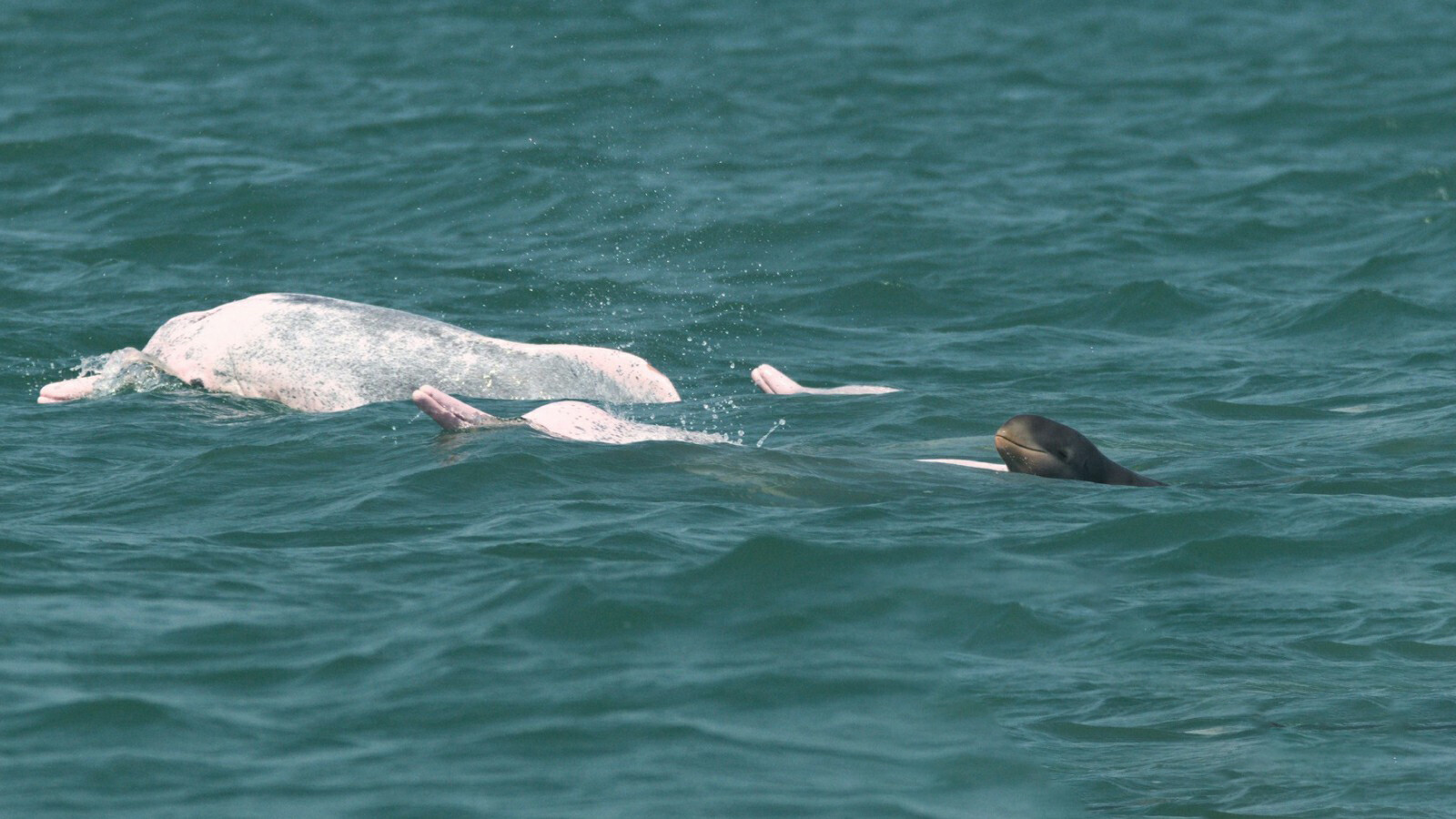
Songka Lake is one of the last habitats of the Irrawaddy finless porpoise. The project refuses to follow the old path of "build first, treat later" and is designed and constructed in accordance with strict environmental standards both domestically and internationally. It is equipped with monitoring of finless porpoises and water quality management, as well as bicycle lanes and sightseeing corridors. The thermal and electric vehicles are separated from the habitats of mangroves and porpoises, making it a model for green infrastructure. Two major bridges will fill the gaps in the road network of Tainan Duofu and improve regional connectivity. Relying on project construction, Thailand has opened up cross-border tourism and trade channels, serving its own country while linking with the vast population market of ASEAN. Keywords: Songkahu Cross Lake Bridge, Lanta Island Bridge, Tainan Infrastructure
The project connects the tourism resources of the Andaman Sea and the Gulf of Thailand, creating a golden tourism economic belt in the south, strengthening Thailand's advantages as a transportation, trade, and tourism hub in ASEAN, and laying a solid foundation for Thailand's long-term economic growth in the south.Editor/Gong Ziwei
Comment



 Praise
 Collect
 Comment

 Share
Share


Write something~