 Search


- Laos lists digital technology and renewable energy as new investment priorities
- Expected to attract high-end industries, create skilled employment, promote economic diversification and sustainable development

At an investment promotion and management conference in Vientiane, the capital of Laos, Deputy Minister of Finance and Vice Chairman of the Investment Promotion and Management Committee, Phomvan Utafong outlined the country's investment blueprint for the next five years to the attendees. She stated that the investment plan from 2026 to 2030 lists digital technology, data centers, artificial intelligence, information technology, and fintech as key potential areas. This shift is not only a measure to attract high-quality capital, but also marks Laos' attempt to break away from its dependence on natural resource development and move towards a technology driven growth model.

Digital technology becomes a new focus
According to the new plan, Laos hopes to attract investments that can introduce modern technology, create skilled employment opportunities, and help local enterprises integrate into regional and international production chains. Among them, data centers are considered one of the most promising fields. With the continuous growth of global demand for digital services, cloud computing, and data storage, the data center market is constantly expanding. The Global Investment Trends Monitor report released by the United Nations Conference on Trade and Development shows that by 2025, announced investments in data centers worldwide will exceed $270 billion. Driven by the rapid growth in demand for artificial intelligence infrastructure and proprietary digital networks, the data center sector alone accounted for over 20% of the value of all global greenfield investment projects that year. Laos has the potential to develop renewable energy, which provides crucial support for energy intensive data centers.

Green energy supports transformation
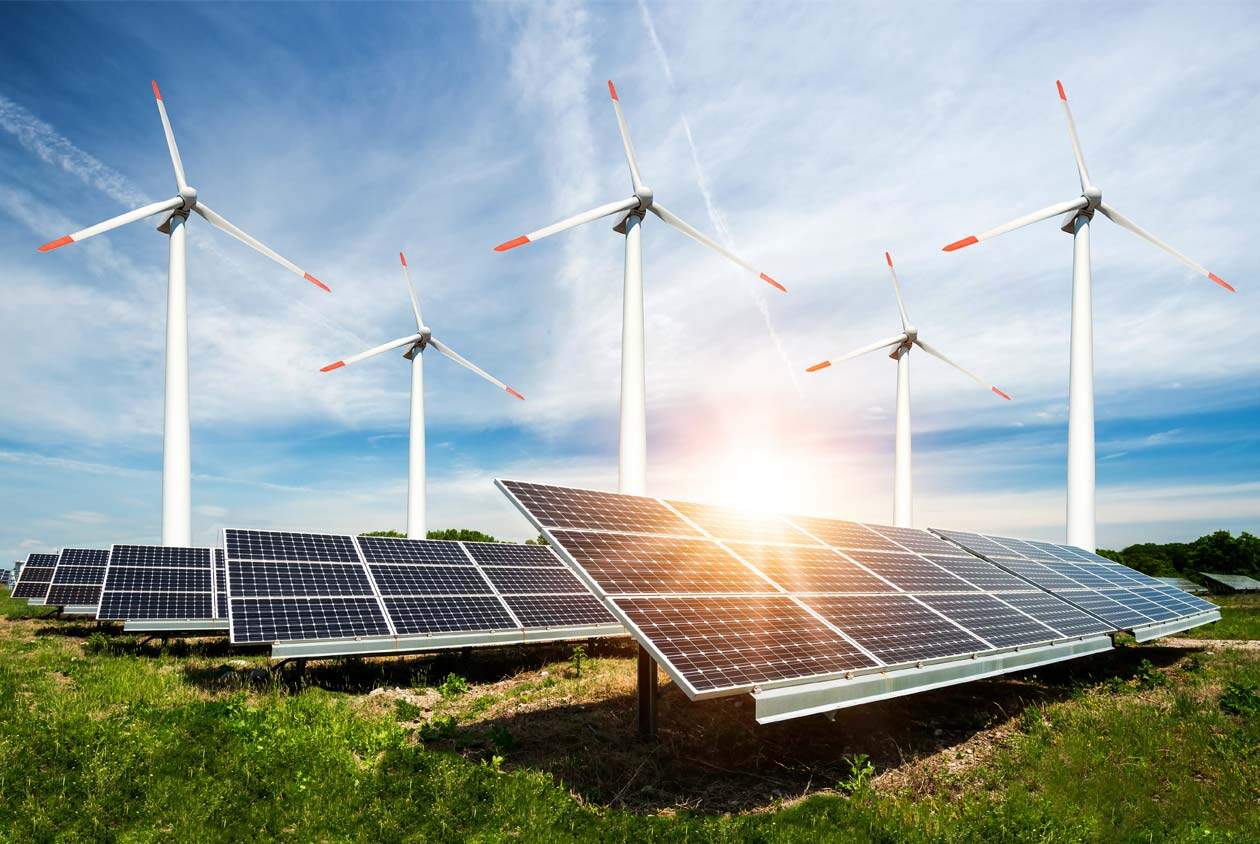
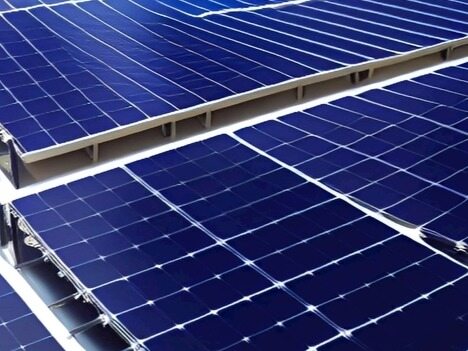
The investment plan of the Laotian government prioritizes the development of renewable energy such as solar and wind power along with digital technology, creating opportunities for the integration of energy resources and new technology industries. For data centers, reliable and competitive power supply is crucial, and Laos' abundant hydropower resources, coupled with growing investments in solar and wind energy, are expected to provide stable power for these digital infrastructures. At the same time, Laos also plans to attract investment in clean energy, clean agriculture, ecotourism, and circular economy to promote green and sustainable growth.
Optimizing the environment to attract investment
As Laos expands into the digital industry, the government is seeking to build a more autonomous economic system by strengthening domestic production and increasing added value. Future investments should help Laos reduce imports, increase foreign exchange earnings, and strengthen the connection between foreign investment and local enterprises. The report also points out the need to further strengthen technology transfer and skill development, which means that technology investment brings not only capital, but investors should also help cultivate Laos' labor force and enhance domestic production capacity. To this end, Laos plans to improve the investment environment and make the approval process faster, more modern, and transparent. In terms of investor selection, stricter conditions will be considered, with a focus on capital, technological capabilities, and relevant experience.
The data shows that this strategy is taking effect. In the first seven months of 2026, the Laotian government approved 34 franchise and regulatory activity projects with a total value of 8.5 billion US dollars, an increase of 68% compared to the same period in 2025. The actual capital inflow increased to 1.06 billion US dollars. From 2026 to 2030, Laos requires a total investment of 6361.78 trillion kip to support its development plan, with domestic and foreign private investment expected to account for 4094.7 trillion kip, or 64.4% of the total. From this plan, it can be seen that Laos' investment focus is gradually expanding to areas such as digital technology, artificial intelligence, financial technology, and renewable energy. The goal is not only to attract more projects, but also to introduce investments that can create lasting value, cultivate skilled labor, and help build a more diversified and resilient economy.Editor/Yang Meiling
Comment



 Praise
 Collect
 Comment

 Share
Share


Write something~