 Search


- The snow covered sky road is moving from clear to fast, green, and stable
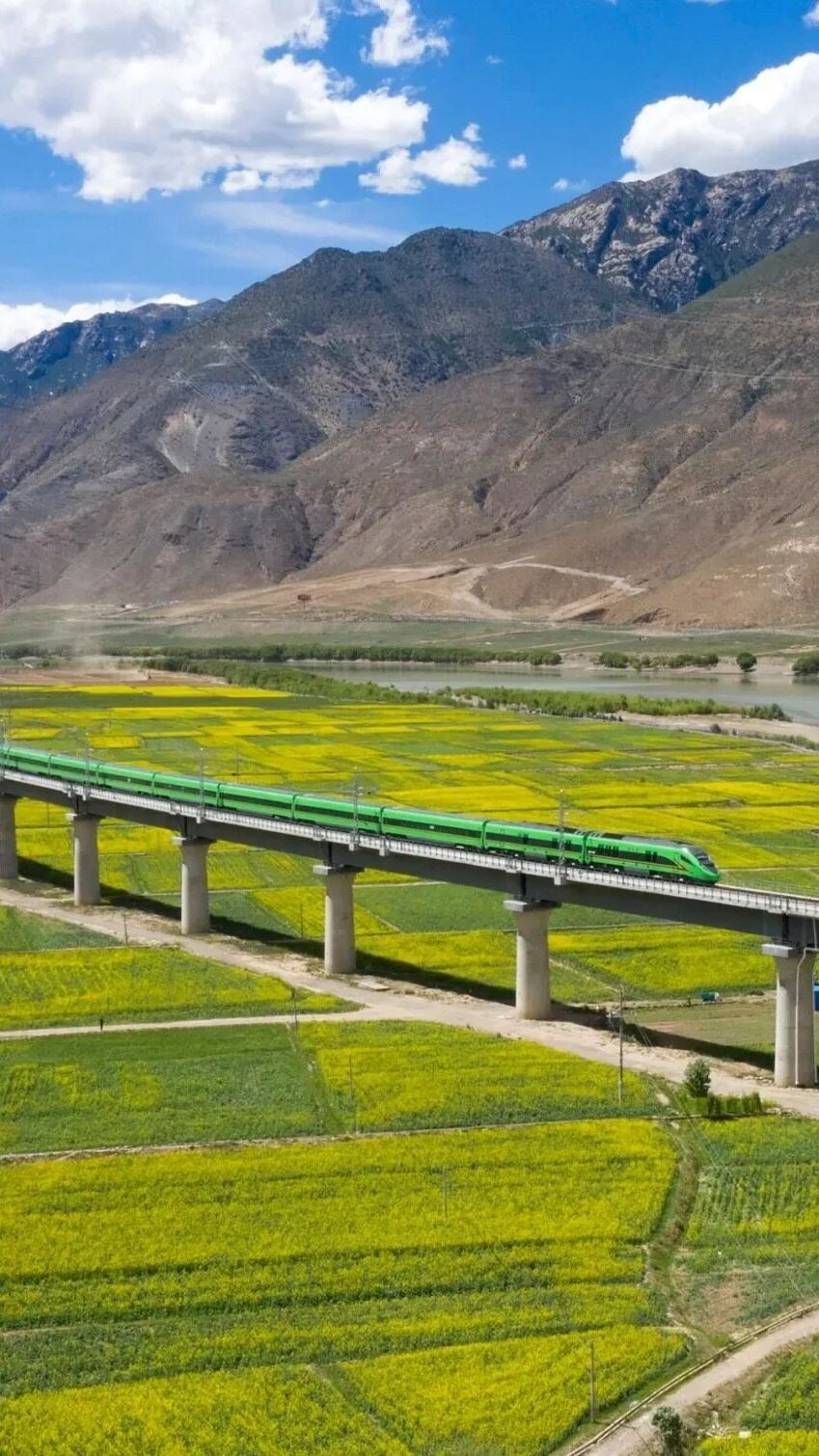
At Golmud Station in the early morning, the wind still carries the coldness of the Gobi Desert. The platform staff habitually looked at the front of the train - for the past twenty years, trains entering Tibet have always been equipped with internal combustion engines here, and then plunged into Fenghuoshan, Tuotuo River, and Tanggula. But in September 2026, a bidding announcement pushed many people's memories forward: the world's highest railway from Golmud to Lhasa will finally bid farewell to pure internal combustion traction and wait for the era of electricity.
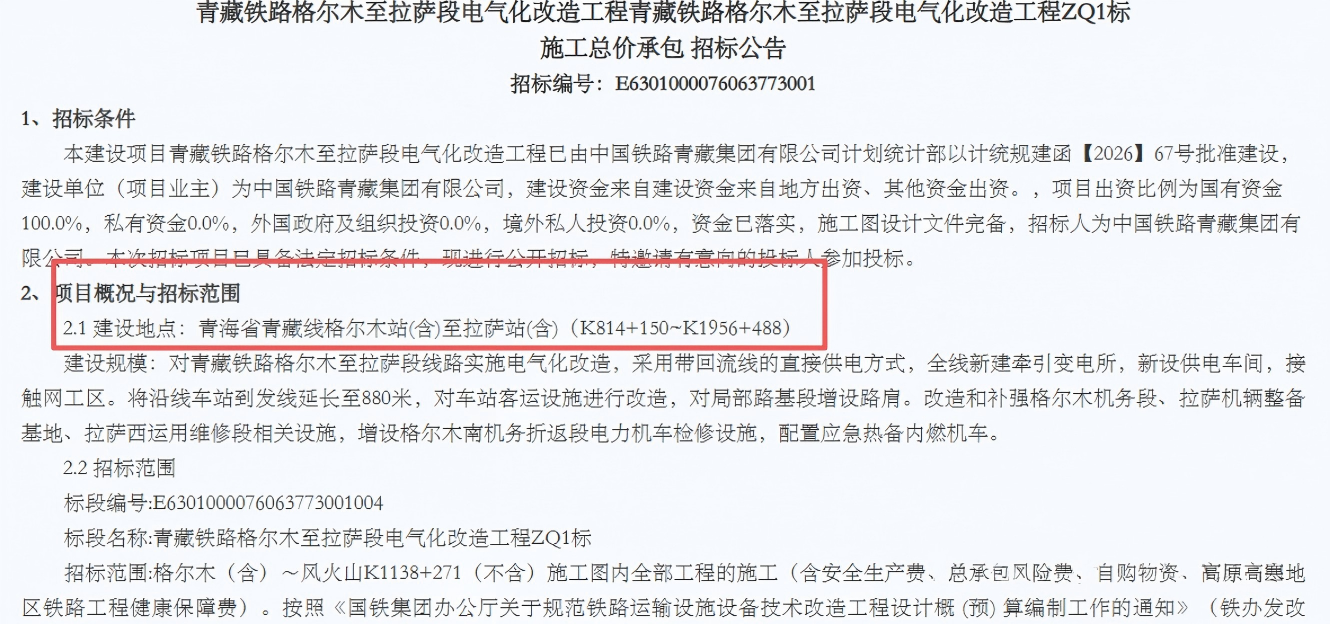
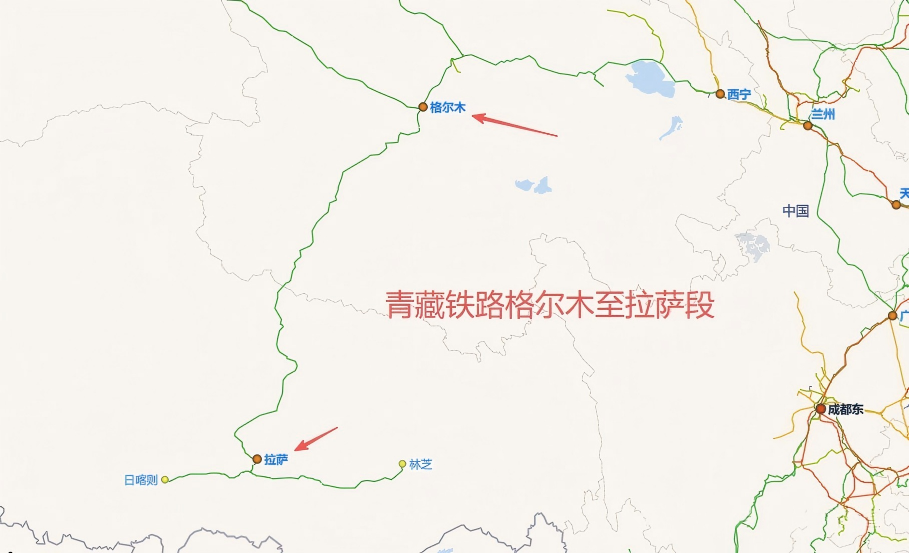
The bidding announcement for the total price contracting of the main construction project will be officially released on the 9th, and the project is scheduled to start on November 1st. Based on a 2.5-year construction period, it is expected to be completed and opened by the end of June 2029. The renovation covers a distance of approximately 1142 kilometers from Golmud Station to Lhasa Station, divided into 9 sections: 3 in front of the station, Golmud Fenghuoshan, Fenghuoshan Nagqu, Nagqu Lhasa; Building 2 houses; Three high-voltage devices; One weak current.
Twenty year old line encounters bottleneck
The Gela section of the Qinghai Tibet Railway was opened in 2006. The highest point of Tanggula Mountain is 5072 meters above sea level, making it the highest plateau railway in the world. It has been running single line internal combustion engines for decades, and the utilization rate of line capacity is close to saturation. The existing NJ2 diesel locomotive experiences power attenuation in high-altitude oxygen deficient, low-temperature, and frozen soil environments, with a traction rating of only 3000 tons. It has high energy consumption, amplified emissions, and is highly dependent on imported parts. Now there are 7 trains from Golmud to Lhasa every day, taking 13 to 15 hours. The fastest train Z223 takes 13 hours and 4 minutes, running from 18:20 to 07:24 the next day.
After replacing the battery, the transportation capacity has greatly increased
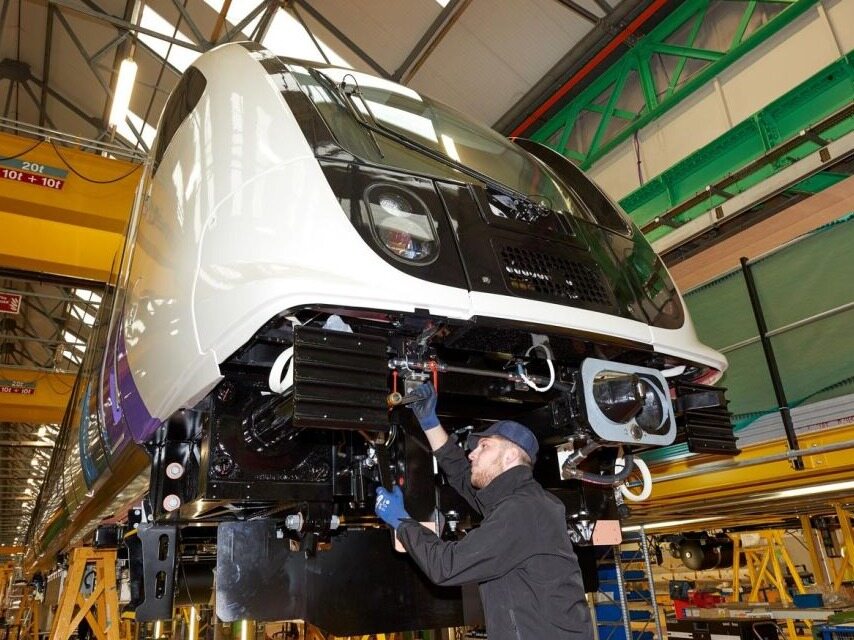
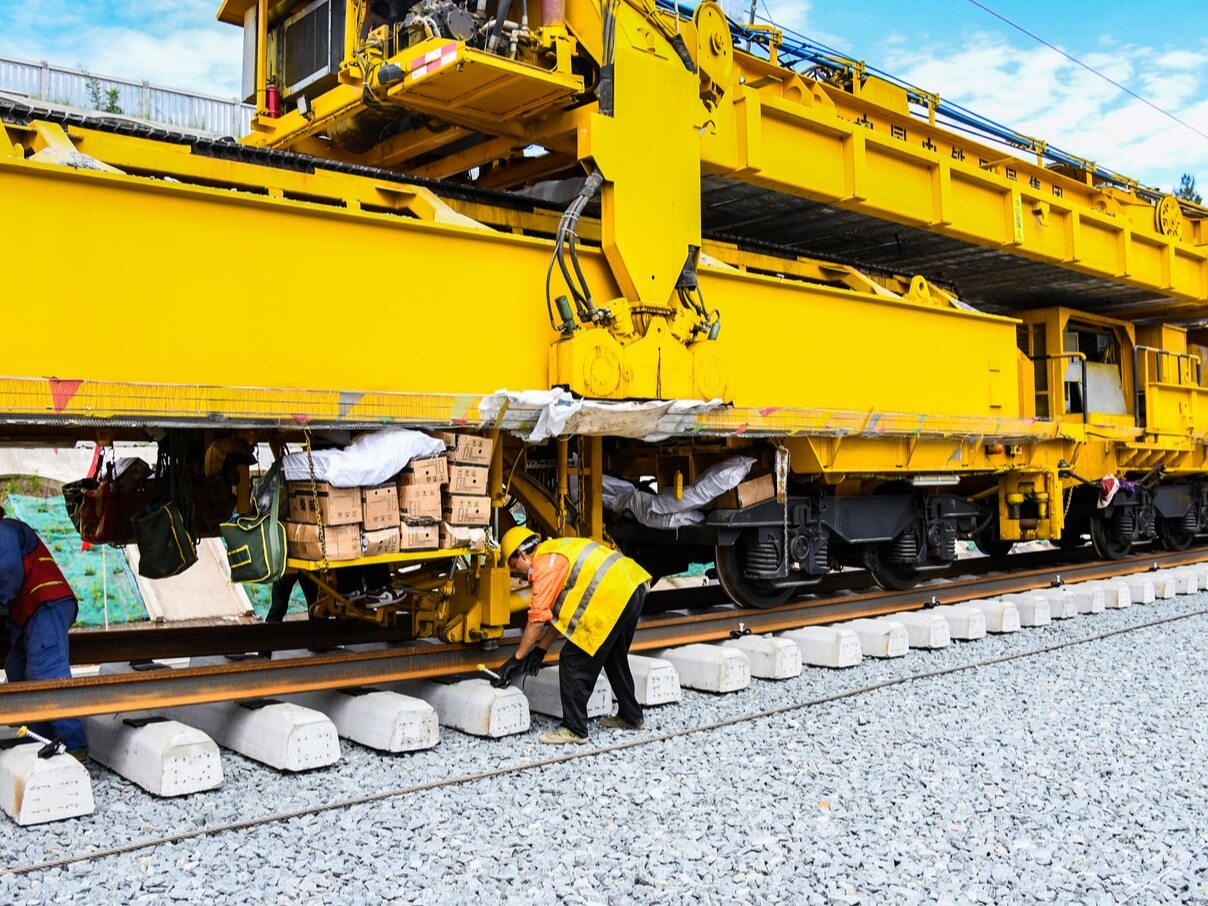
This time it's not a paint job renovation, but a complete replacement of the traction power. The project adopts a direct power supply method with a return line, and a new traction substation, power supply workshop, and contact network work area will be built. Domestic electric locomotives will replace imported diesel locomotives. The traction capacity has increased from 3000 tons to over 4000 tons, and the freight throughput capacity has significantly increased. The annual transportation capacity is also expected to jump from tens of millions of tons to 30 million tons. The passenger facilities at stations such as Anduo, Nagqu, and Dangxiong have been synchronously renovated, and the arrival and departure lines of stations along the line have been extended, making it no longer a problem for high-speed trains to stop at stations.
The Fuxing Express arrives directly in Lhasa
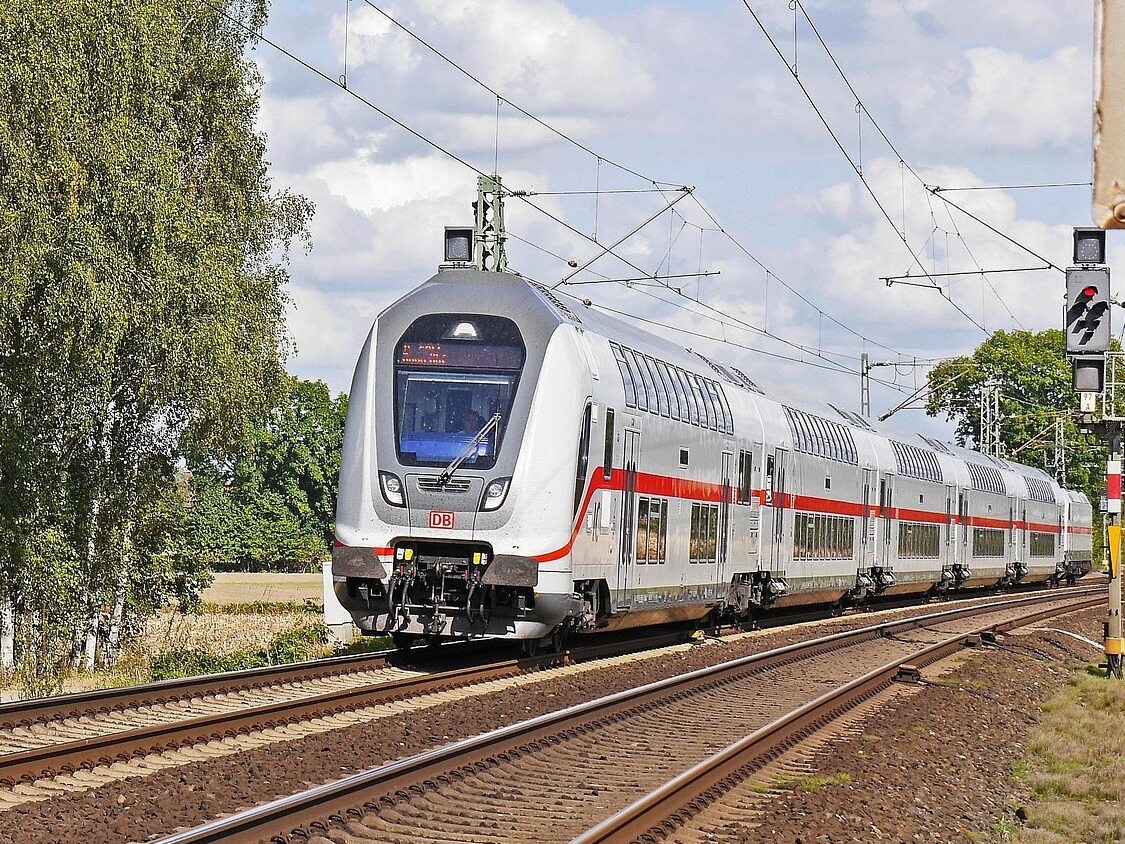
The Sig section has already been connected to the Fuxing ship, but as soon as it arrives in Golmud, it will have to change the aircraft head. After the renovation is completed, there is a possibility of a direct train from Xining to Lhasa, with the cancellation of the Golmud switching link. The 100 kilometer per hour internal combustion commuter will be upgraded to a 160 kilometer class Fuxing train entering Tibet. The entire journey from Xining to Lhasa will be compressed from about 20 hours to about 14 hours. Entering Tibet is no longer just about enduring a night, but truly taking a high-speed train to see the sea of clouds, grasslands, and snow peaks.
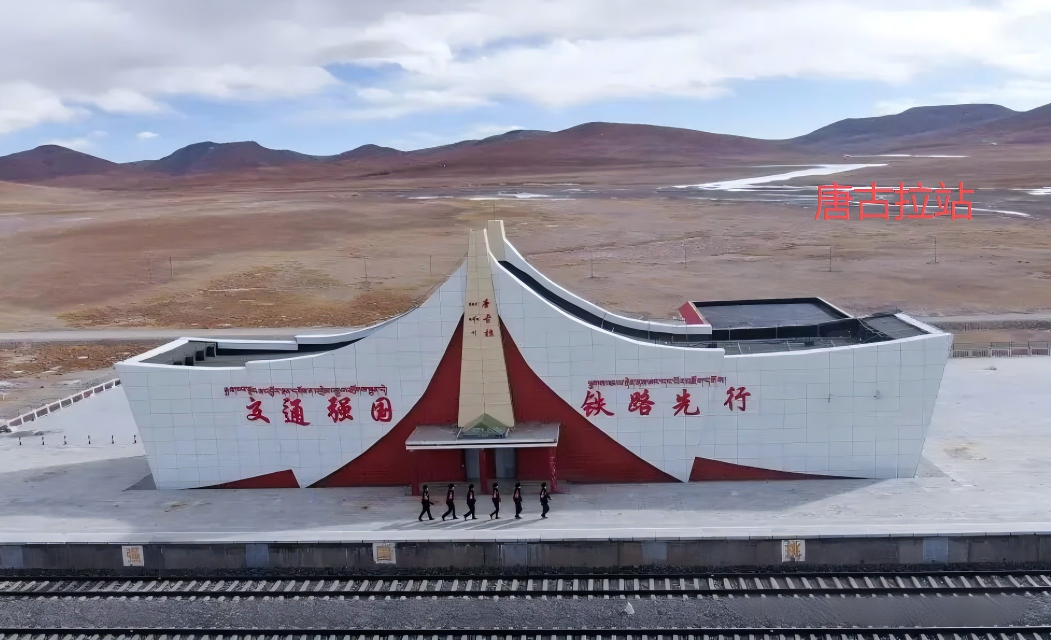
More importantly, the ecological account. Electric traction reduces fuel emissions and oil leakage, and minimizes disturbance to frozen soil, grasslands, rivers, and lakes. It can reduce carbon dioxide emissions by hundreds of thousands of tons annually, which is in line with the dual carbon goals and high-altitude protection. Replacing imported locomotives with domestic ones also takes back the initiative in operation and maintenance.keywords:Engineering infrastructure
From the astonishment of 'the eagle cannot fly over Tanggula' in 2006, to the ascent of 5072 meters by the Fuxing in 2029, the story of Tianlu has changed: it used to be about cultivation, now it is about improvement; Previously, people carried machines across snow capped mountains, but now it's green powered turning Tanggula. The countdown to the high-speed train entering Tibet has already sounded in the wind of Golmud.Editor/Yang Meiling
Comment


 Praise
 Collect
 Comment

 Share
Share


Write something~