 Search


- Romania's advanced layout of energy storage and innovative new energy development model
- The development of photovoltaics in Europe is facing bottlenecks, and the energy storage gap is restricting the process of energy transformation
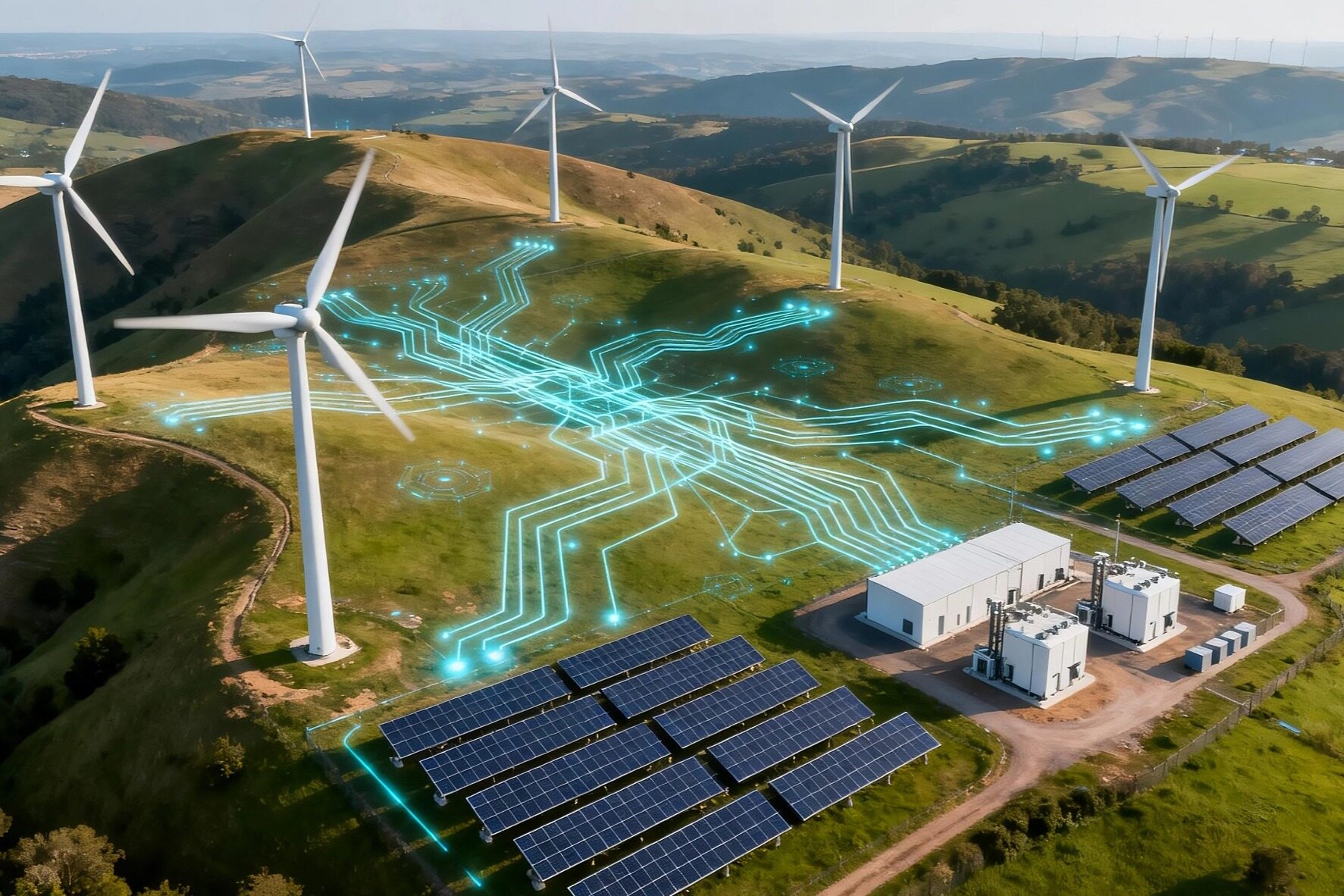
As European photovoltaic installations surge, the power grid struggles to digest the excess green electricity at noon, and negative electricity prices become a painful transition. When most countries were passively responding, Romania chose to take the initiative to break through the situation by adopting a forward-looking layout of photovoltaic and energy storage, paving a new path for Europe's energy transformation.
Energy storage gap sounding alarm
With the continuous promotion of green energy transformation in Europe and the widespread adoption of photovoltaic power generation, the problem of power grid supply-demand imbalance has become increasingly prominent. The contradiction between the current development of new energy in Europe and the carrying capacity of the power grid is becoming increasingly prominent. During peak periods of photovoltaic power generation, the amount of electricity generated often exceeds the upper limit of power grid transmission and consumption, forcing power plants to operate at reduced power levels. The frequent occurrence of excess electricity leads to negative electricity prices in the electricity market.
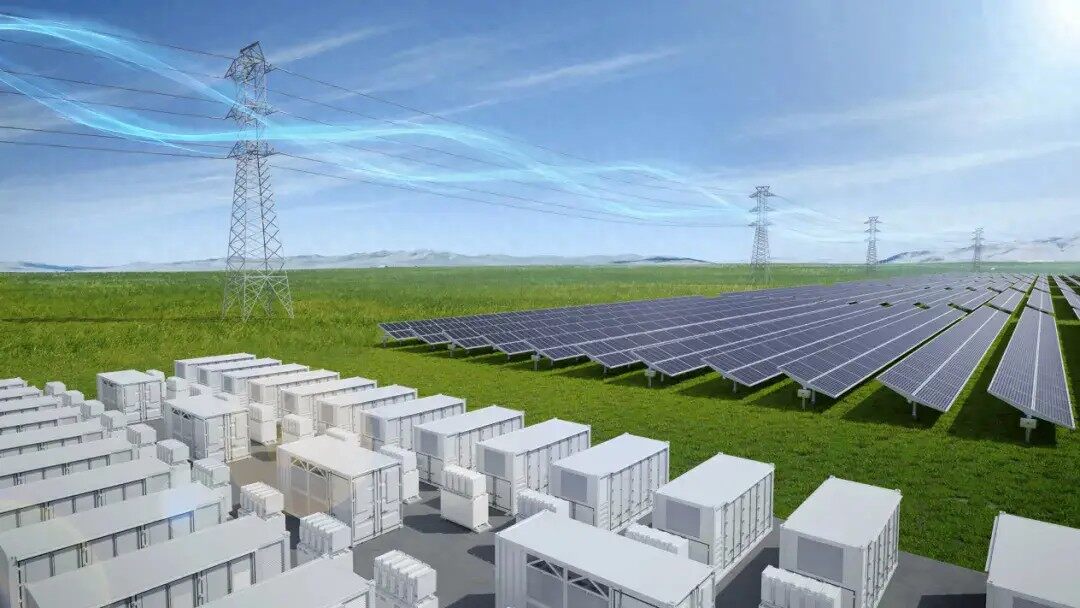
The significant increase in negative electricity prices in countries such as Germany and Spain reflects a huge gap in energy storage capacity across Europe. The EU plans to achieve a 150GW installed capacity of energy storage by 2030, but the actual progress is far behind the target, and there is a huge gap between supply and demand. In the context of the overall slowdown in the growth rate of photovoltaic installed capacity in the European Union, how to fill the gap in energy storage has become an urgent issue that cannot be avoided in Europe's energy transformation.
Romania's Countercurrent Rise
Faced with the hidden dangers of photovoltaic consumption, most European countries are still passively responding to the power overload crisis, but Romania has taken a differentiated path. The local government anticipates risks in advance, actively tilts policies and financial resources towards the energy storage field, and long-term introduces incentive policies to encourage large enterprises, households, and small industrial and commercial producers and sellers to install energy storage equipment.
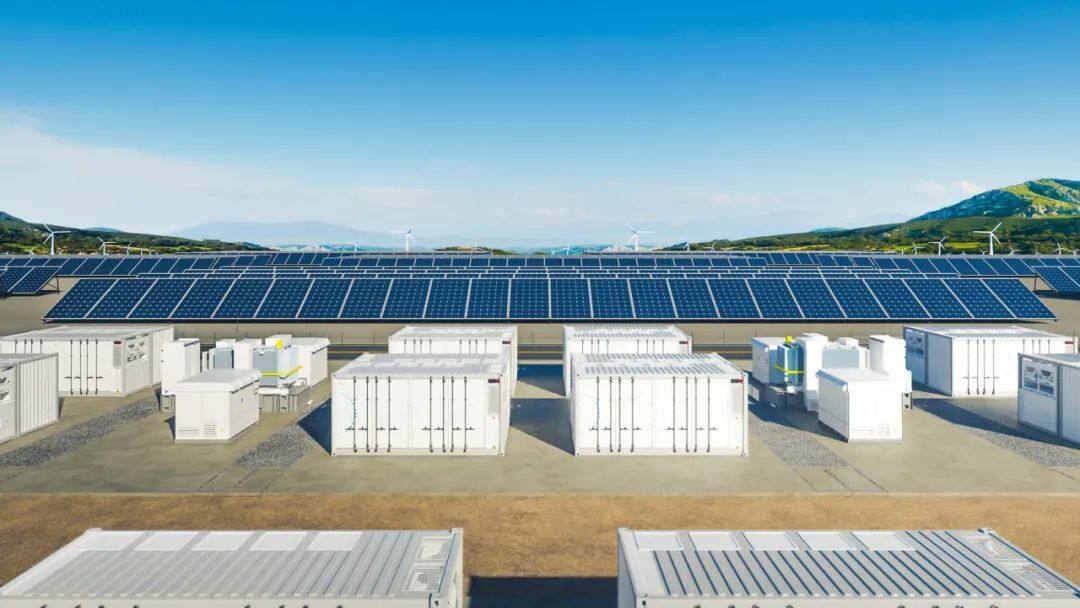
While adjusting the direction of financial support, Romania has explicitly included energy storage facilities in the rigid requirements for new photovoltaic projects, and raised the grid access guarantee deposit for large-scale photovoltaic projects, effectively curbing the chaos of blind occupation and delayed construction of projects. Under the policy combination, large-scale photovoltaic and energy storage projects in the local area are accelerating their implementation, and benchmark projects are planned to support sizable energy storage systems. Romania has become one of the fastest-growing regional markets for the energy storage industry in Europe, and its advanced development model provides important reference for overseas investment.
Energy storage from supporting role to rigid demand
Romania's practice has profoundly changed the underlying logic of the European new energy industry. At the project development level, energy storage facilities have been upgraded from optional configurations to a mandatory threshold for grid access, and the construction and approval threshold for pure photovoltaic projects has been significantly raised. At the level of power operation, the layout of pre installed energy storage effectively alleviates the problem of abandoned solar power, avoids economic losses caused by negative electricity prices, optimizes the allocation of power resources through off peak discharge, and stabilizes the revenue of new energy projects. Keywords: photovoltaic, energy storage gap, integrated photovoltaic and storage, energy
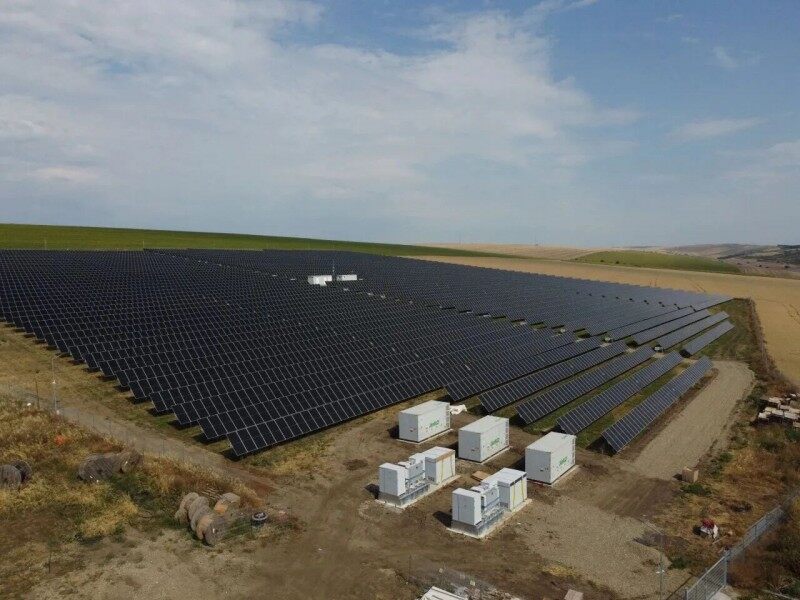
At the level of the industrial chain, the high penetration rate of household energy storage and the concentrated implementation of large-scale energy storage projects have significantly driven the demand for core equipment such as battery cells, battery management systems, energy management systems, and inverters, providing direction for new energy supply chain enterprises to deeply cultivate the Southeast European market. This series of innovative practices not only ensures the efficient consumption of local new energy, but also provides a high-quality model for the upgrading and green transformation of the new energy industry in Southeast Europe as a whole.Editor/Gong Ziwei
Comment




 Praise
 Collect
 Comment

 Share
Share


Write something~