 Search


- Multi country cloud giants' heavy warehouse layout drives Thailand to become a computing power highland in Southeast Asia
- Thailand's computing power investment continues to explode, with insufficient resource carrying capacity constraining industry development
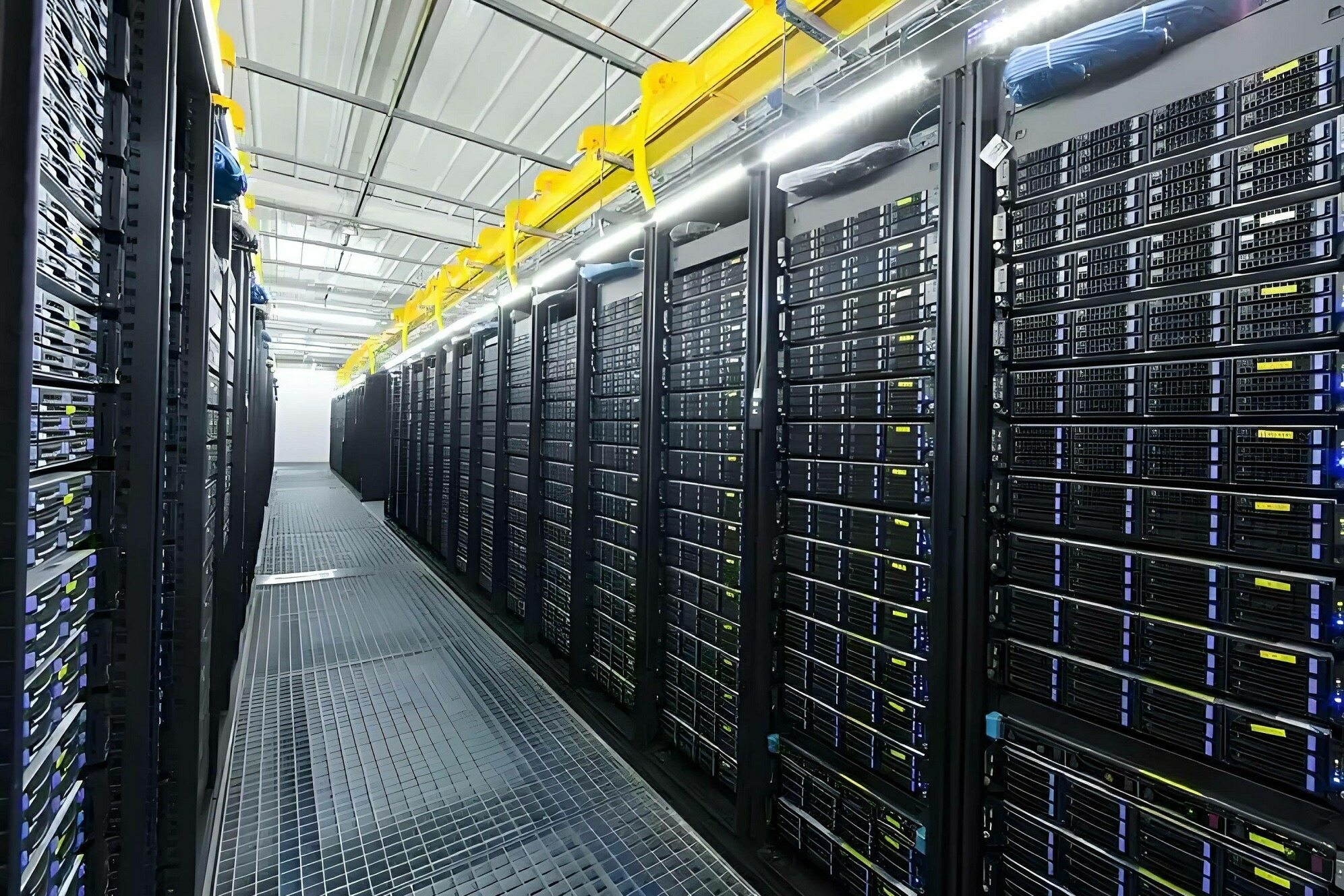
In the tropical monsoon, server fans roar day and night. When the lights of computing power lit up on both sides of the Chao Phraya River, Thailand suddenly realized that the real obstacle to the digital future was not who dared to invest, but whether water, electricity, and land could withstand this frenzy.

In recent years, the investment in data centers in Thailand has been on the rise, and rapidly expanding computing power projects have encountered bottlenecks in electricity, water resources, and infrastructure carrying capacity. Recently, 166 data center projects have been temporarily suspended in the local area, including 49 ongoing projects and 117 pending approval projects. Insufficient resource carrying capacity has become a core constraint for industry expansion.
In the first half of 2026, the total investment application amount in Thailand reached 1.47 trillion Thai baht, of which 1.12 trillion Thai baht was for the digital industry, accounting for over 75%, with data centers and cloud services as the core growth drivers. In 2025, Thailand's BOI received 36 investment applications for data centers, with a total investment of over 728 billion Thai baht. Major cloud giants continue to increase their investment, AWS、 Google and Microsoft have both invested heavily to accelerate the layout of Thailand's computing infrastructure.

As of the first half of 2026, Bangkok has a data center capacity of 134MW in operation, 859MW under construction, a year-on-year increase of 148%, and an overall planned capacity of 2084MW. Thailand's under construction computing power scale ranks among the top in Southeast Asia, and regional computing power construction is booming, but the under construction and planned scale far exceeds the existing operating scale. Centralized production will force the simultaneous upgrading of supporting facilities.
Electric pressure
In response to the problem of disorderly expansion of computing power projects, Thailand has introduced new regulations requiring data center projects to coordinate clean energy, water resources, environmental benefits, and economic benefits. Large scale projects are required to pay electricity capacity guarantees and regulate the use of electricity indicators. According to BOI data in March 2026, the total power demand of 55 approved data center projects exceeds 4.5GW, and stable power supply has become a key prerequisite for project implementation, operation, and expansion.

Water resources are tight
High density computing equipment relies on continuous water cooling for cooling, and a large number of data centers are clustered in Bangkok and surrounding areas, leading to increasingly tight water, power grid, and land resources in the region. The core challenge in the current industry is no longer insufficient investment, but whether infrastructure such as water conservancy and electricity can match the high-speed construction pace and ensure the stable operation of computing power projects.
Supporting test
Data centers are capital intensive industries that rely heavily on imports for equipment and technology, resulting in limited industry driven benefits. Thailand has a solid foundation in industries such as electronic manufacturing and auto parts, and possesses the ability to provide basic engineering support. Whether local enterprises can enter the industrial chain links such as power equipment, cooling systems, and operation and maintenance services in the future will determine whether this round of computing power investment can drive the upgrading of local industries. Keywords:Foreign construction news network,Southeast Asia engineering information network,Overseas engineering construction,Foreign engineering construction news

The development logic of the Thai data center market has shifted from attracting investment to improving quality through implementation. The wave of computing power construction continues, but problems such as infrastructure shortcomings and weak industrial support are gradually becoming prominent. The completeness of infrastructure and industrial chain supporting facilities will directly determine the long-term development quality of Thailand's digital infrastructure.Editor/Gong Ziwei
Comment



 Praise
 Collect
 Comment

 Share
Share


Write something~