 Search


- The National Geological Database of the Democratic Republic of Congo will be put into operation by the end of 2026
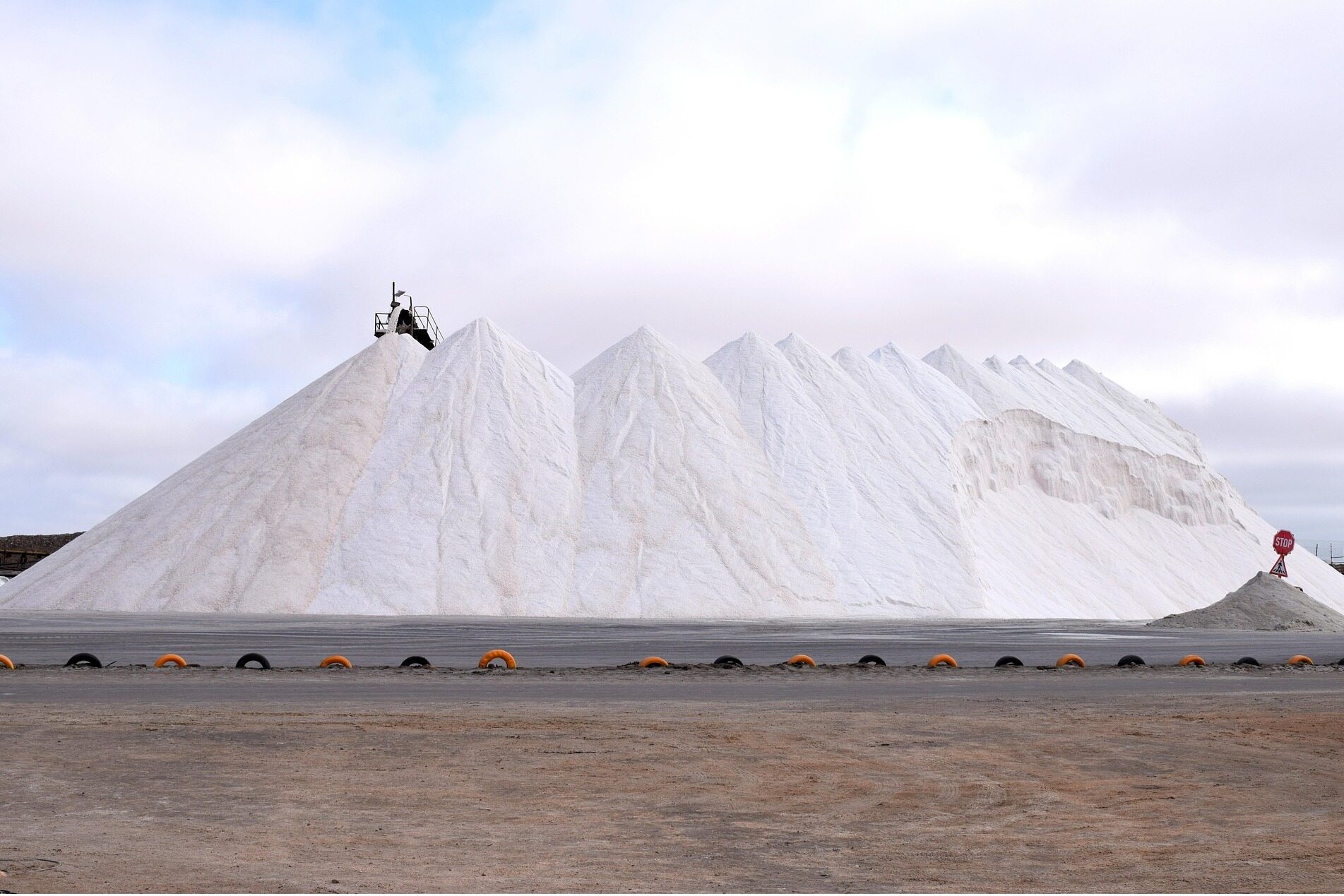
On the trading table of the copper cobalt mining belt in the Democratic Republic of Congo, the good days of relying on a private geological map to raise prices have come to an end. On September 8, 2026, the National Geological Bureau of the Democratic Republic of Congo announced that the national geological database will be fully launched by the end of 2026. Basic data will be free, sensitive data will be charged, and all applications will pass the national strategic review first.
This is not an ordinary government digitalization action, it is this global cobalt and copper heart production area that directly grasps the money bag of all mining players - the geological trump card that was scattered in the hands of intermediaries, mining rights brokers, and foreign institutions in the past, now needs to be fully nationalized, directly smashing a crack in the old gameplay of Chinese enterprises buying mines in Africa.

Only 20% of the country's regions have completed systematic exploration, and 700000 square kilometers of aerial geophysical mapping are being promoted. This round of data sovereignty collection essentially puts the information gap hidden under the table in the mining market directly on the table of national negotiations.
Cut off the information and financial channels of mining rights brokers
In the past, many mining rights traders were able to package a piece of barren land into a potential target area by holding several incomplete historical drilling maps and charging exorbitant prices to Chinese enterprises. Now the official unified map is gradually covering the whole country, and basic geological information is equally open to all enterprises. The gray space of relying on information monopoly to drive up mineral prices is directly crushed. The mechanism of tiered charging may seem to require companies to pay, but in reality, it is using official authoritative data to nail the myth of "underground mines" in the mouths of past brokers directly onto the public layer.
The foam of mineral rights valuation was directly punctured
Previously, the premium of many projects did not come from proven reserves, but from the imaginative space brought about by the lack of transparency in block information. Now the country holds complete aerial geophysical data in its hands, and knows better than any foreign investor which underground mines are really there. It will no longer allow foreign investment to take away high-quality mining rights at a low price with a few scattered maps. The era where one could make a lot of money by gambling on mines in the past is completely over. The price of mining rights will directly return to the real development value of the ore body, and pure financial players without actual operational capabilities will be directly cleared out of the market.
Chinese enterprises can no longer be mere shopkeepers
Many Chinese enterprises that used to go to Africa to buy mines have become accustomed to buying complete sets of information directly from third parties, without even bothering to verify the source of the data. Under the new policy, can data be shown to technical consultants, used by financing banks, and transmitted back to the domestic headquarters? Each authorization is directly tied to the fate of mineral rights due diligence and loan landing. Players who still rely on old relationships and old ways to bypass rules will eventually get stuck in the data approval process, dragging billions or even billions of investments into unfinished projects.
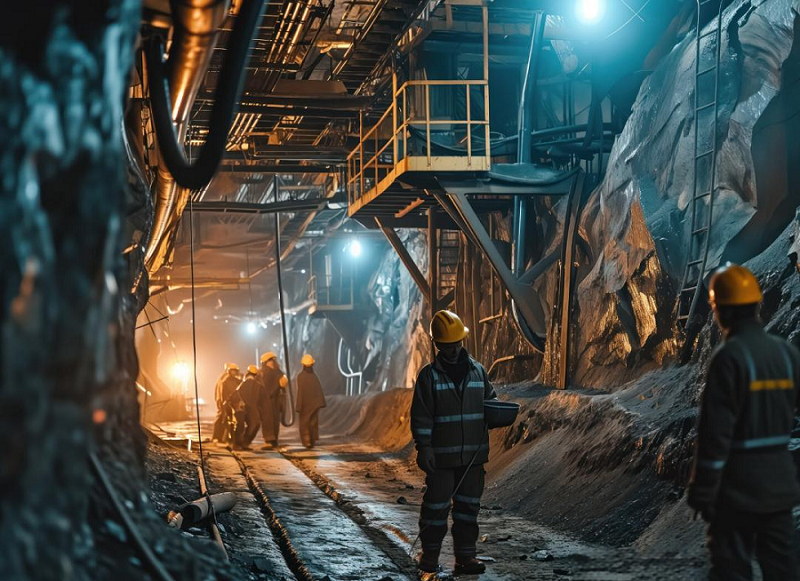
From the negotiation table of mining rights in Lualaba Province to the investment approval meeting of the headquarters of Chinese enterprises, the data acquisition of the Democratic Republic of Congo essentially transfers the discourse power of the mining market from the hands of "intermediaries who hold private information" to the hands of the state and industry players with real development capabilities. The person who first understands the data rules will be able to avoid spending more money on the false information foam in the next round of shuffling of key minerals in Africa.Editor/Cheng Liting
Comment





 Praise
 Collect
 Comment

 Share
Share


Write something~