 Search


- Top airlines are gradually returning, and the Red Sea route is gradually being repaired
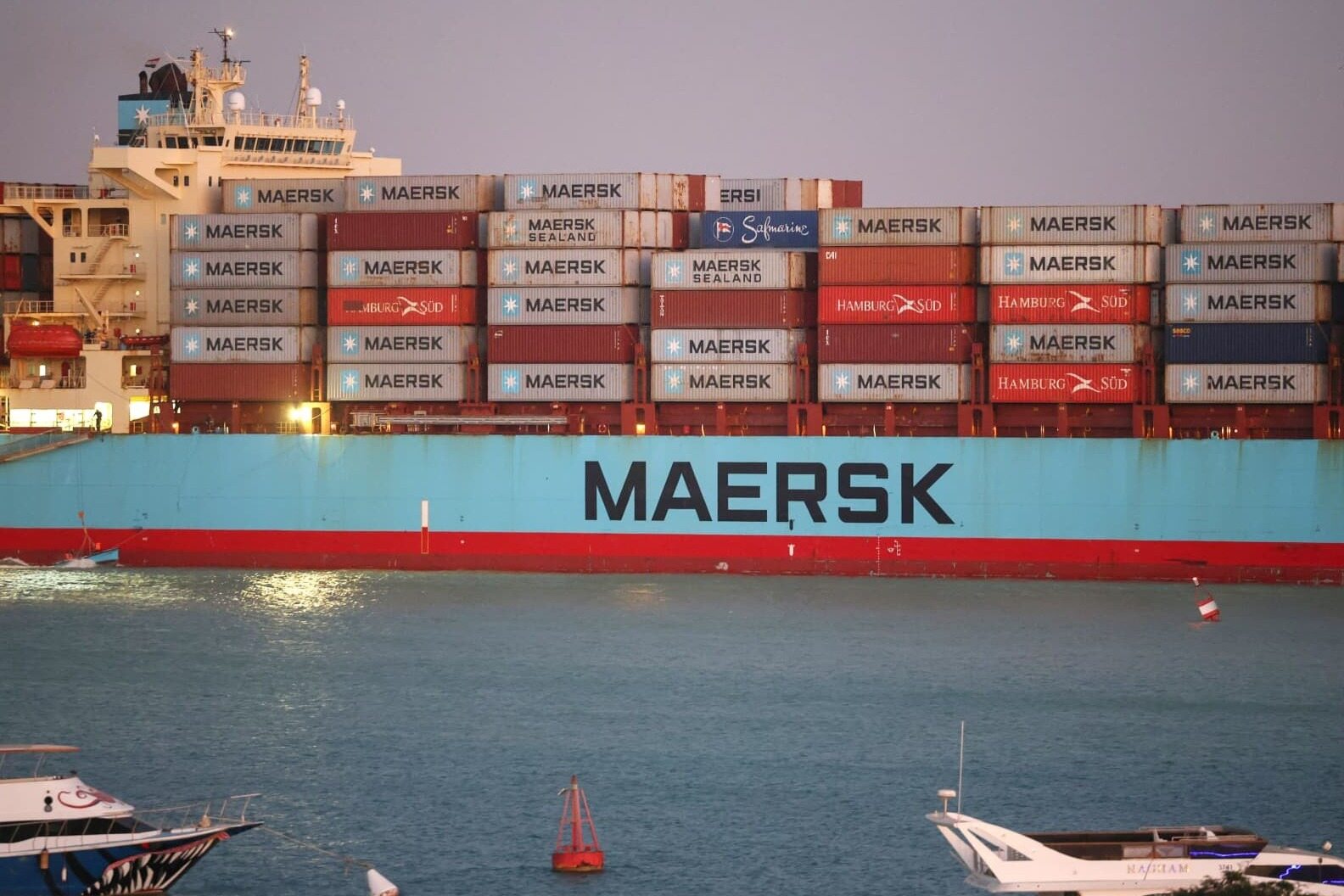
The Suez Canal, guarding the throat of the waterway at the junction of Asia and Africa, is experiencing a long-awaited busyness. Geopolitical changes reshape the global shipping landscape, with risks in the Red Sea and congestion in Asian ports forcing ships to divert their routes. This golden waterway has once again seen the prosperity of giant ships shuttling back and forth, with a strong recovery momentum.
Core data has significantly rebounded
The Chairman of the Suez Canal Authority, Rabi, recently stated that the canal's vessel traffic will increase by 40% year-on-year in the second half of 2026. Bloomberg data shows that its revenue in July increased by 42% year-on-year, indicating a strong recovery momentum.

According to official statistics from Egypt, the number of navigable ships in the canal reached 1340 in July 2026, with both year-on-year and month on month increases, and the number of oil tanker navigable ships also increased simultaneously. The canal revenue for the month exceeded $505 million, setting a record for the highest monthly revenue since December 2023.
Multiple positive factors drive recovery
The core driving force behind the recovery of canal business in this round is the changing geopolitical situation. The passage of the Strait of Hormuz is obstructed, and the risk of shipping in the Red Sea is high. A large number of crude oil and cargo ships have abandoned traditional routes and switched to the Suez Canal for passage.
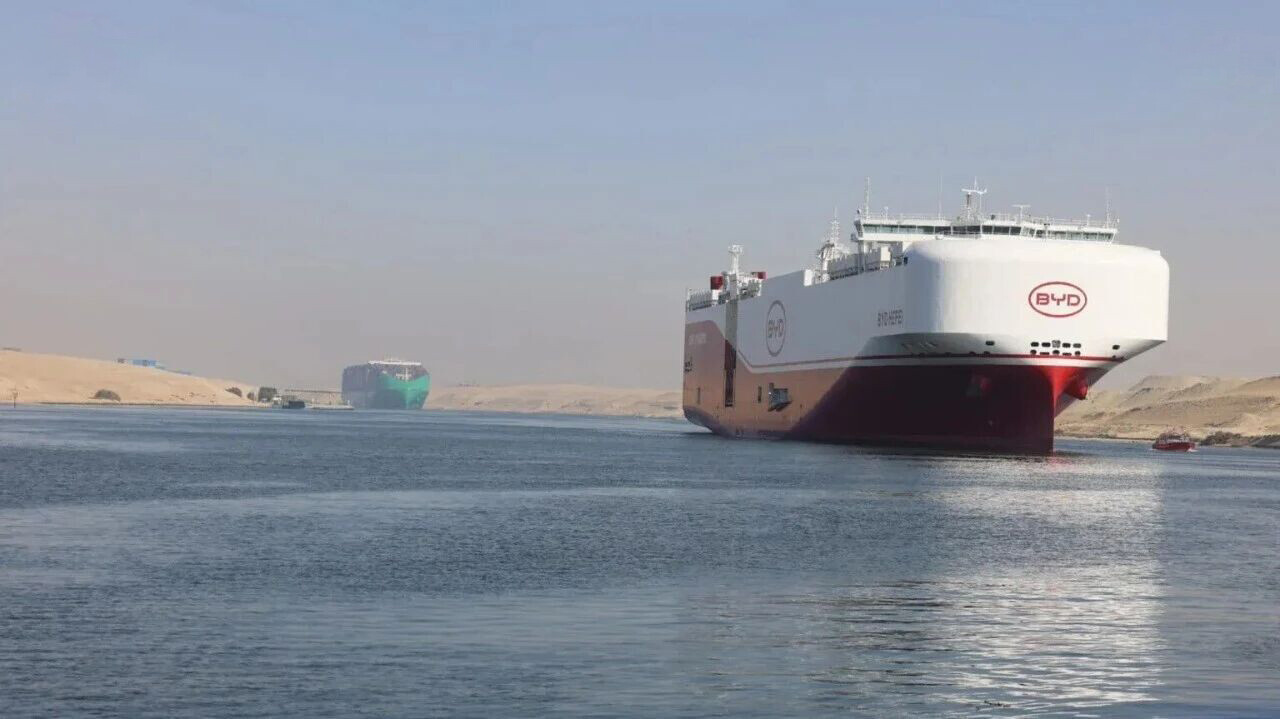
At the same time, congestion in Asian ports has intensified, container backlog has exceeded the peak of the epidemic, and the cost of detouring around Cape of Good Hope has increased dramatically. Shipping companies generally believe that the economic losses caused by port congestion far exceed the risks of Suez Canal passage, driving rapid capacity return. Industry institutions predict that the recovery of the canal will continue. The adjustment of crude oil transportation routes, coupled with the restart of the Red Sea route by multiple international airlines, will continue to boost canal navigation and revenue levels.
Top airlines are returning in concentration
At present, several mainstream global shipping companies have gradually resumed the Suez Canal route. Mediterranean Shipping has deployed three ultra large container ships, covering multiple core routes from the Far East, India to the Mediterranean; Maersk has redeployed multiple ships to return to the short-term Red Sea route. Dafei Shipping continues to operate steadily on the Red Sea route, with six ultra large vessels operating normally; Hapag Lloyd has also completed the passage of ships through the Red Sea and the Strait of Mandeb, returning to the canal route system. Keywords: Suez Canal, geopolitics, ports
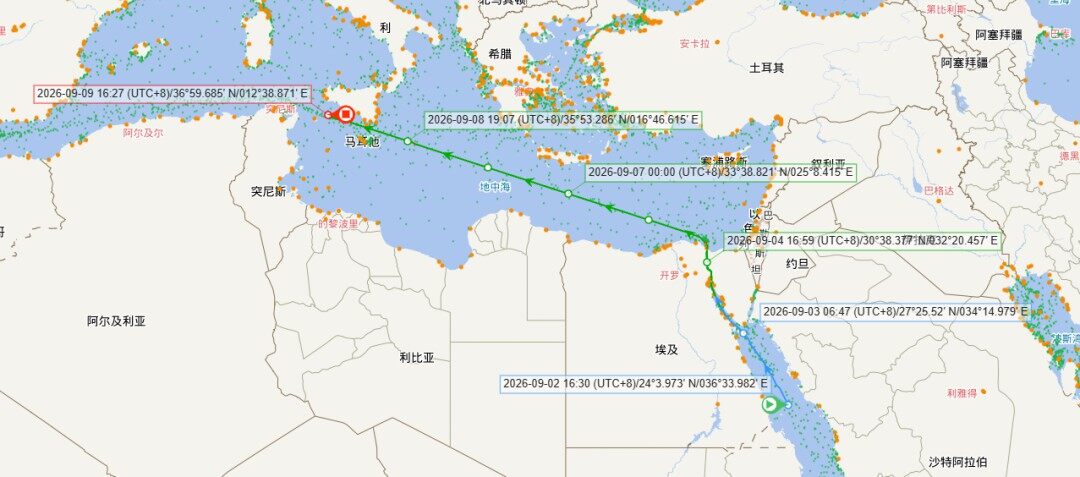
Industry data shows that Maersk and Hapag Lloyd are working together to promote the normalization of westbound traffic on multiple major routes, accelerating their full return to the Suez Canal. The Canal Authority predicts that the canal's annual revenue will climb from $4.1 billion last year to $5.8 to $6 billion in 2026, achieving a significant increase in income.Editor/Gong Ziwei
Comment




 Praise
 Collect
 Comment

 Share
Share


Write something~