 Search



- Laos has ample potential for wind power, but the shortcomings of the power grid hinder the acceleration of industry landing
- Several Southeast Asian countries have introduced new policies intensively, and the development trends in various fields continue to be updated
The monsoon over the Wanxiang Ridge in the Indochinese Peninsula is also playing a game of development throughout Southeast Asia. Laos' wind power is stuck in the bottleneck of external transmission, Thailand is heavily investing in medical hubs, Cambodia's canal financing is accelerating, and Myanmar is quietly lifting traffic restrictions - the story of regional transformation is unfolding in parallel on multiple lines.
Laos wind power faces development bottleneck
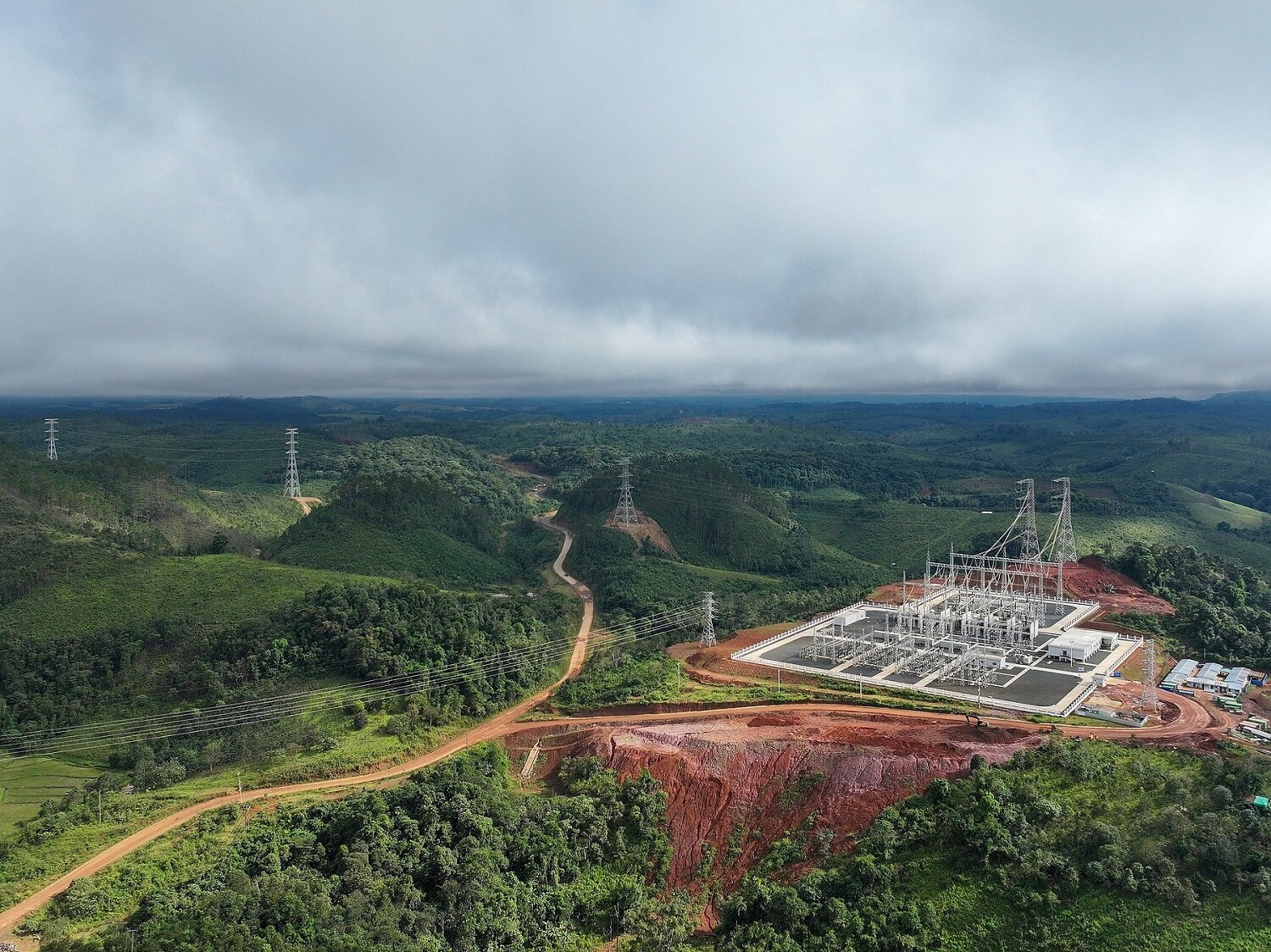
Laos has abundant reserves of wind power resources, but the industry is still in its early stages of development. Stable power grid transmission, reasonable electricity pricing mechanism, and clear industrial policies are the core conditions for the implementation of wind power projects. The existing problems of heavy power stations and light power grids in the local area, as well as insufficient external transmission channels, seriously restrict the benefits of new installed capacity. The mature mountain wind power technology of relevant enterprises can adapt to the local environment, and can also provide a complete set of solutions such as power grid planning and talent training to assist Laos' energy transformation.
Thailand builds medical hub
Thailand has listed the healthcare industry as its core investment track, with plans to attract 68 billion Thai baht and drive GDP growth of over 0.5%. The focus will be on three major sectors: health services, medical research and development, and health product manufacturing. By upgrading public healthcare, optimizing foreign visas, and establishing research and development mechanisms, the local healthcare industry is cultivated to reduce import dependence. At the same time, by using the approval green channel to attract international pharmaceutical companies to invest and transfer technology, Merck's cooperation project is about to be launched, and the development of public and private healthcare is mismatched, with broad industry space.

Accelerate China Cambodia infrastructure cooperation
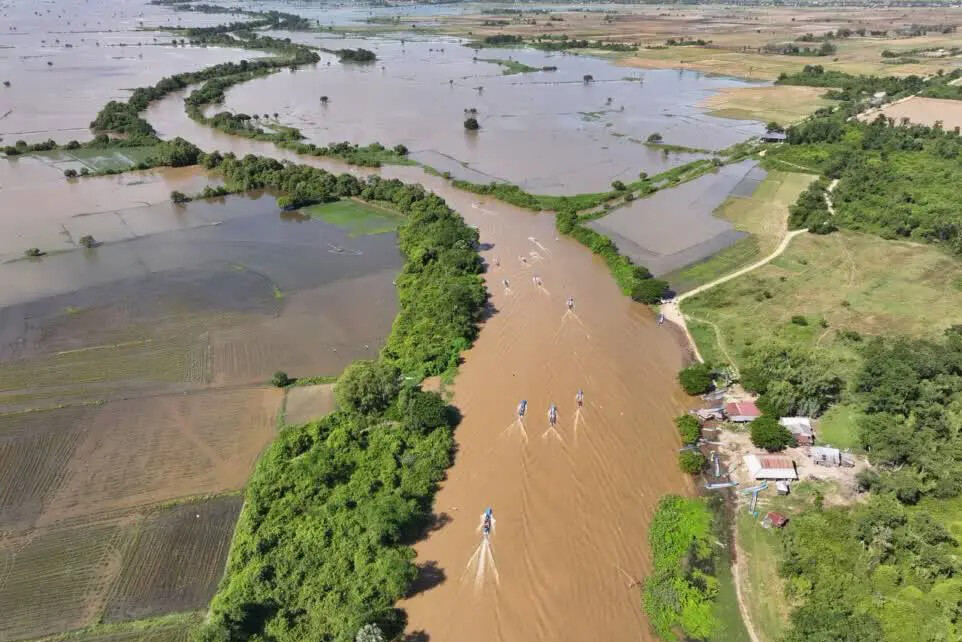
The Dechong Funan Canal project has made significant progress, receiving nearly $1 billion in financing support and accelerating the construction progress comprehensively. As a landmark water transportation project in Cambodia, the project will open up a river sea intermodal transportation channel, reduce logistics costs, enhance foreign trade competitiveness, create a new economic corridor along the route, and drive the development of diversified industries such as industrial parks, logistics, agricultural processing, and cultural tourism. Cambodia actively relies on infrastructure dividends to attract foreign investment and deepen multilateral mutually beneficial cooperation.
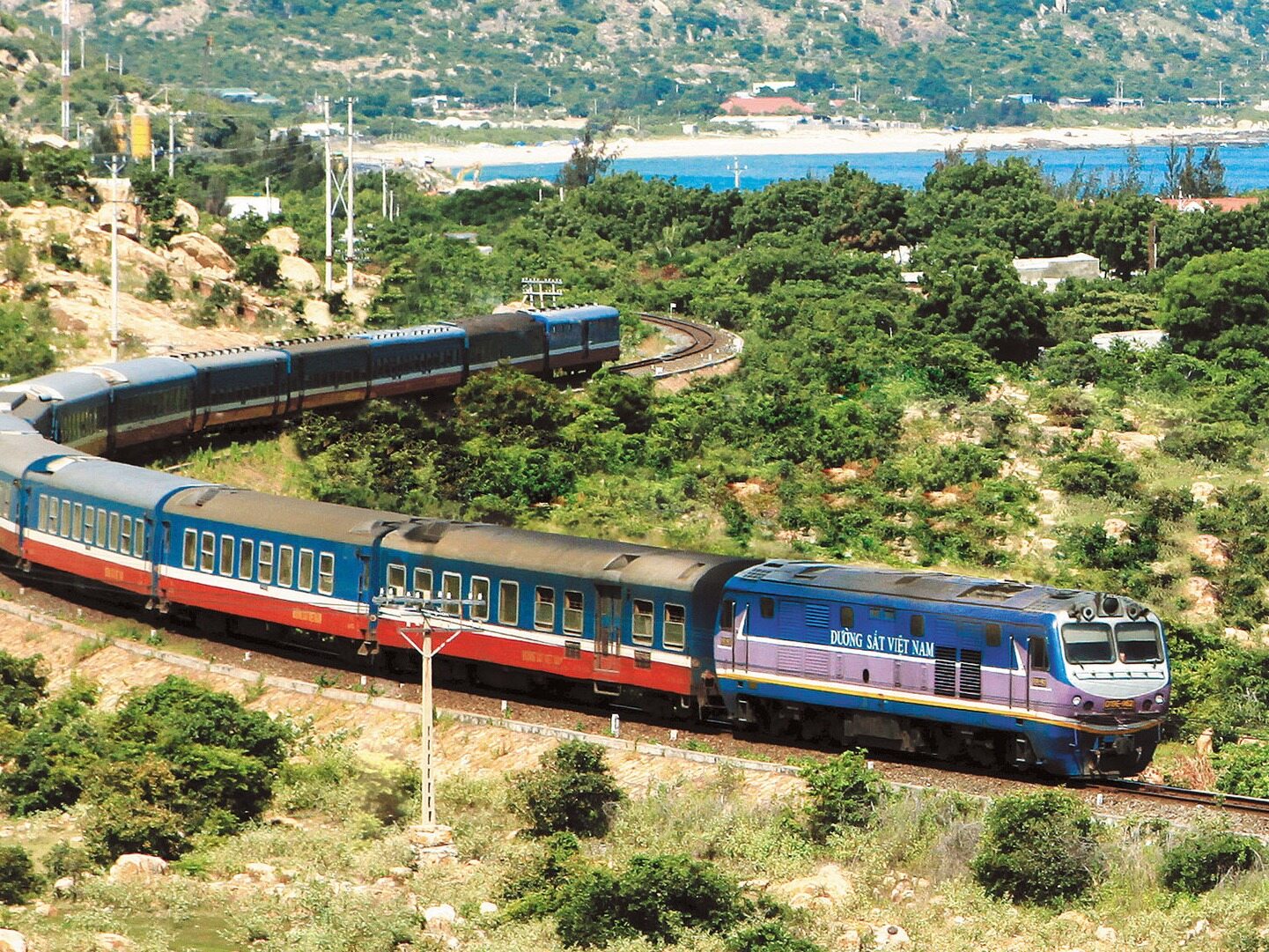
Myanmar officially cancels the policy of restricting motor vehicles from driving on odd or even numbers that has been in effect for nearly half a year, easing the pressure on people's livelihoods and logistics travel. This policy was originally introduced in response to the tight fuel supply, but the current domestic fuel supply and demand situation is becoming more stable. This adjustment only lifts traffic restrictions and retains the fuel quota control mechanism to continue ensuring the security and stability of domestic energy supply. Keywords: Southeast Asia, wind power, healthcare, infrastructure
According to the 2026 Chandler Governance Index, the Philippines ranks 59th globally and sixth in Southeast Asia, only surpassing Laos and Cambodia. Its financial management performance is impressive, but its market attractiveness and international reputation are prominent shortcomings, with a significant gap compared to Vietnam and Indonesia. Singapore has topped the global rankings for four consecutive years, while Malaysia, Indonesia, Vietnam, and Thailand all lead the Philippines in overall governance. Over 60% of countries have achieved an improvement in their governance ratings this year.Editor/Gong Ziwei
Comment



 Praise
 Collect
 Comment

 Share
Share


Write something~