 Search


- Open up sea and land blockages, reduce costs and increase efficiency, and facilitate dual circulation
- Injecting lasting momentum into regional coordinated development and high-level opening-up to the outside world
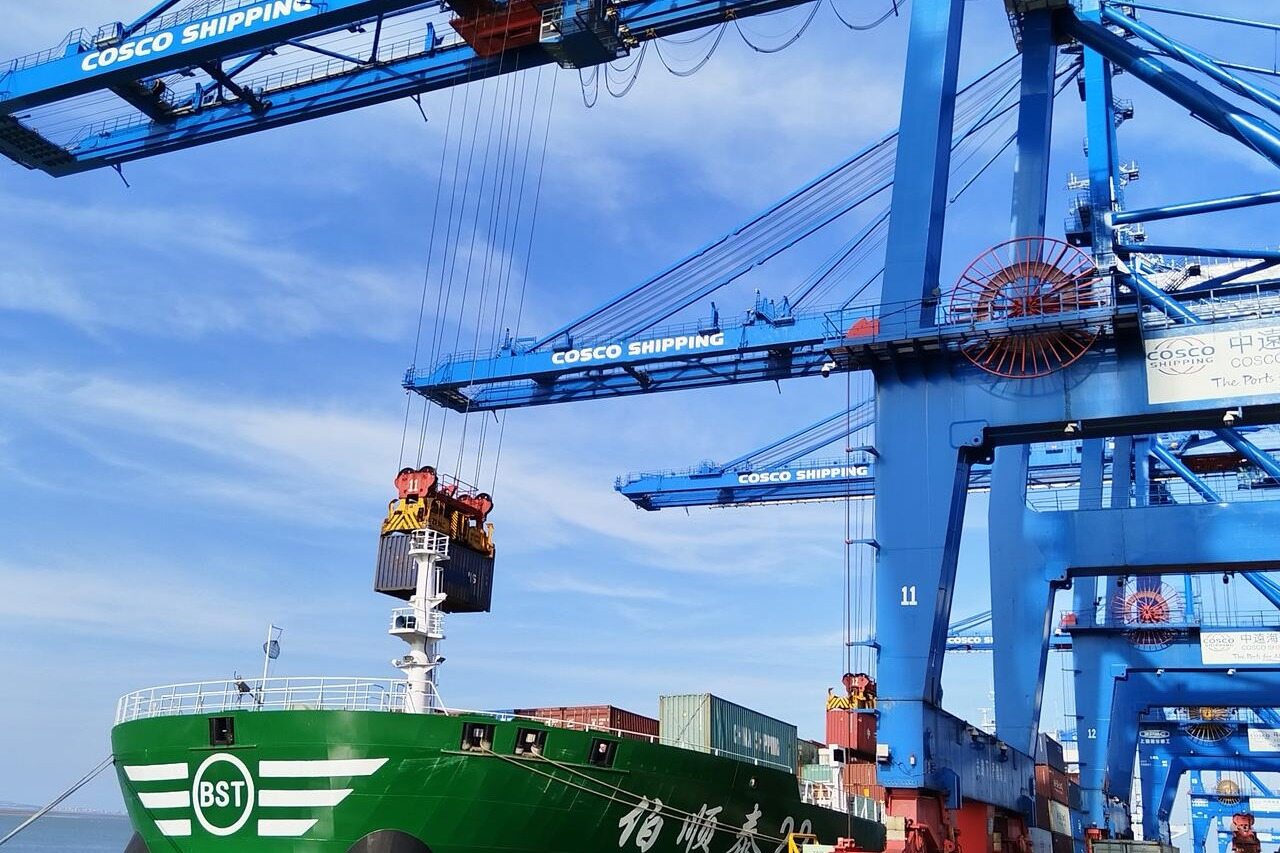
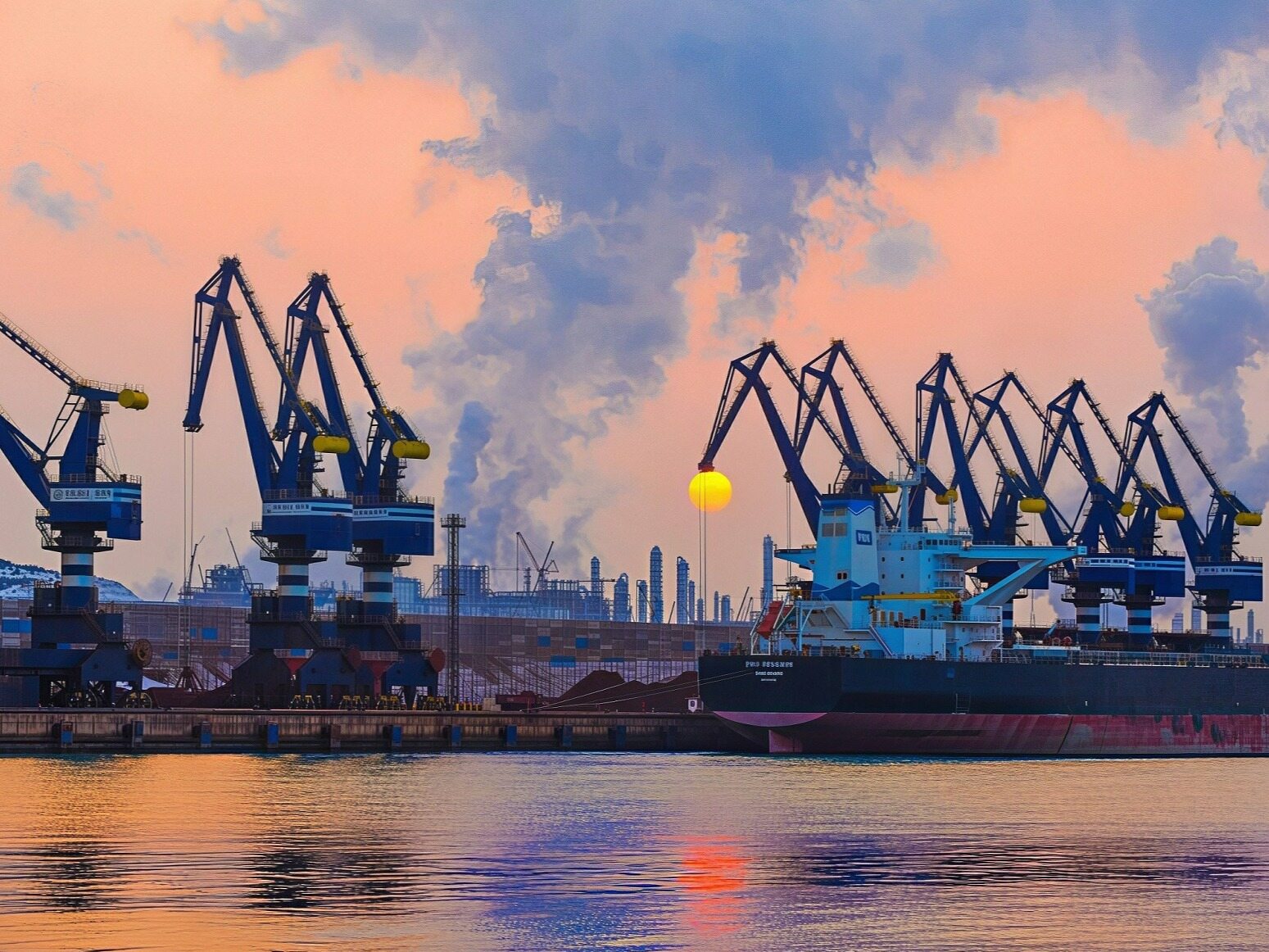
In the early morning, the gantry crane at the inland port of Cao County in southwestern Shandong began to take off and land. Boxes of canned fruits and vegetables are loaded into containers in the factory area and boarded the sea rail intermodal train bound for Qingdao Port. After more than ten days, they are placed on shelves in Europe, America, Japan, and South Korea. In the past, these goods had to be transported long distances by trucks to the seaside, and in rainy or snowy weather or congested road conditions, the delivery time depended entirely on luck. Nowadays, customs clearance and inspection are completed in one go at our doorstep, and goods are directly loaded onto ships upon arrival. More than 120 surrounding enterprises have steadily received overseas orders. This kind of change is happening simultaneously in countless inland county towns across the country.
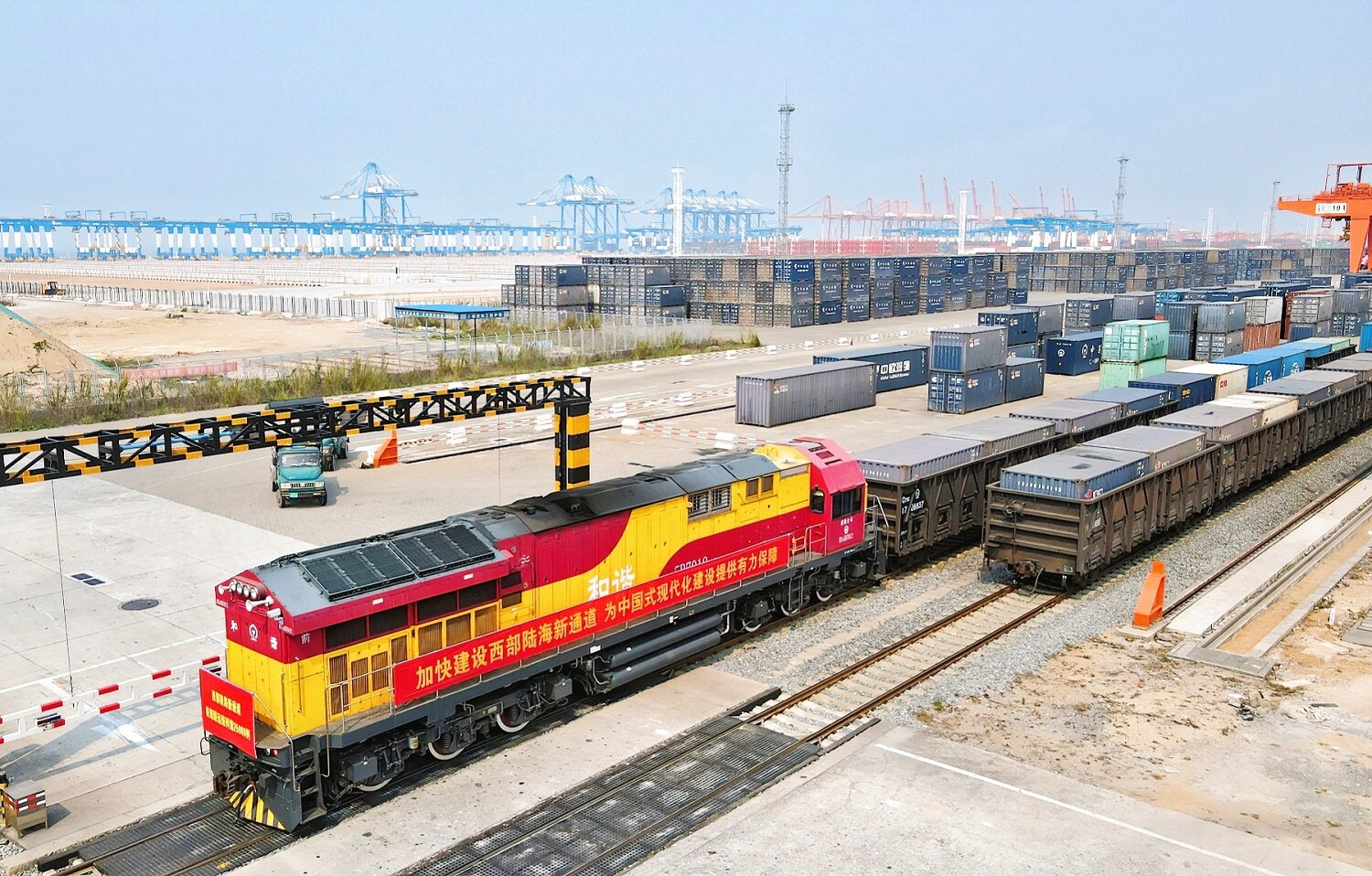
The railway tracks lead directly to the dock
For a long time, coastal ports have enjoyed the benefits of navigation and have been the forefront of openness; The vast inland is constrained by geographical conditions, with a single logistics channel and high foreign trade costs, and has long been at the forefront of openness. The popularization of sea rail intermodal transportation is gradually smoothing out the barrier between mountains and seas. With the operation of multiple dedicated sea rail intermodal lines nationwide, the railway tracks are directly laid at the forefront of the dock, seamlessly connecting sea and land transportation. The Xiamen Far Sea Port Special Line has pioneered a vertical shoreline and direct terminal operation mode, abandoning the old path of multiple transfers by trains, yards, and ships, achieving a 9-minute fast transfer, reducing comprehensive logistics costs by more than 15%, shortening transportation time by 2 to 3 days, and truly achieving zero distance sea rail and zero return of goods. From Fujian to Jiangxi, from Hubei to Sichuan, railway tracks have put inland areas at the forefront of openness.
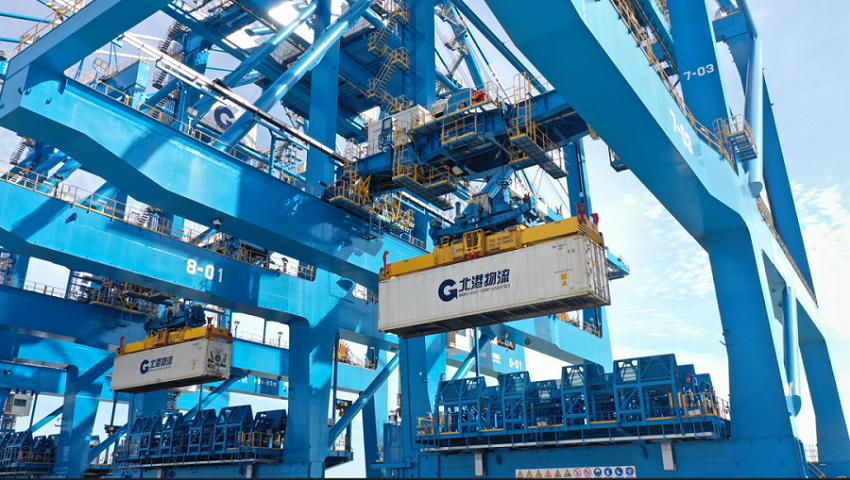
Calculate the cost account for the enterprise
Logistics is the lifeblood of economic operation, and cost reduction and efficiency improvement are the most practical and essential needs of enterprises. Compared with traditional public water intermodal transportation, sea rail intermodal transportation has obvious advantages in long-distance transportation: a transportation distance of over 600 kilometers can save costs by more than 30%, shorten transportation cycles by nearly one-third, and significantly reduce cargo damage rates by 80%, which is both cost-effective and stable. At the same time, multiple departments including customs, railways, and ports are working together to promote the customs clearance mode of one declaration, one inspection, and one release, simplify document circulation, and compress transit waiting. The new mode of sea rail intermodal transportation supervision implemented by Qingdao Customs has enabled 57 inland ports across the country to share convenience, with goods being inspected in one location and released directly through ports. Once logistics is activated, the industry prospers: faster order delivery, continuous release of production capacity, coordinated development of upstream and downstream industries such as warehousing, customs clearance, and freight, and the emergence of a large number of job opportunities.
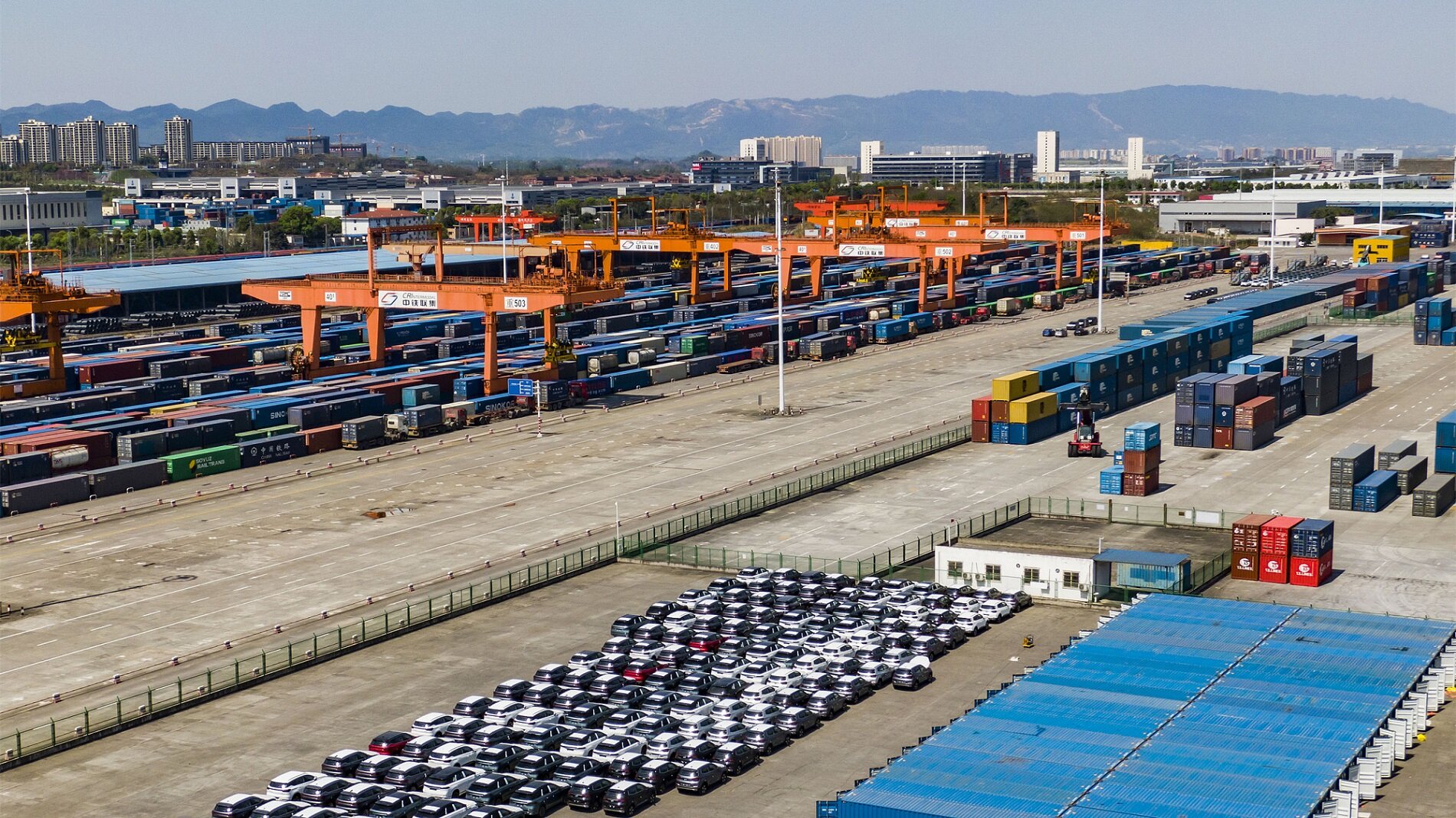
Transforming inland into a new frontier
Under the new development pattern of dual circulation, sea rail intermodal transportation is an important bridge connecting two markets and two resources. Nowadays, the layout of sea rail intermodal transportation in China is flourishing in multiple areas: Qingdao Port has consistently ranked first in the country in terms of sea rail intermodal container volume for 11 consecutive years, Ningbo Zhoushan Port has exceeded 2 million TEUs in business volume, and foreign trade container volume ranks first among ports in the country. Shanghai Port has crossed the threshold of one million TEUs for the first time. Major ports rely on dense ocean shipping routes and well connected railway networks to build a three-dimensional logistics system that integrates inland ports, sea rail intermodal transportation, and international shipping. Internally, inter provincial material circulation is smoother, and industrial and supply chains are more resilient; Externally, Chinese manufacturing and local specialties are accelerating their overseas expansion, and high-quality overseas resources are also being more efficiently imported into the domestic market.
From port by port connectivity and route extension to system improvement and intelligent upgrading, China's sea rail intermodal transportation is moving from physical connectivity to rule-based connectivity. With the continuous densification of the railway network, the continuous upgrading of port functions, and the increasingly mature cooperation mechanism, this logistics artery that runs through mountains and seas will continue to release dividends, paving the way for Chinese path to modernization in all directions.Editor/Yang Meiling
Comment


 Praise
 Collect
 Comment

 Share
Share


Write something~