 Search


- Differentiated layout of sea, land, and air race tracks, with various low-carbon fuels suitable for different scenarios
- Geopolitical disturbances combined with emission reduction demands are forcing transportation fuels to accelerate their green transformation
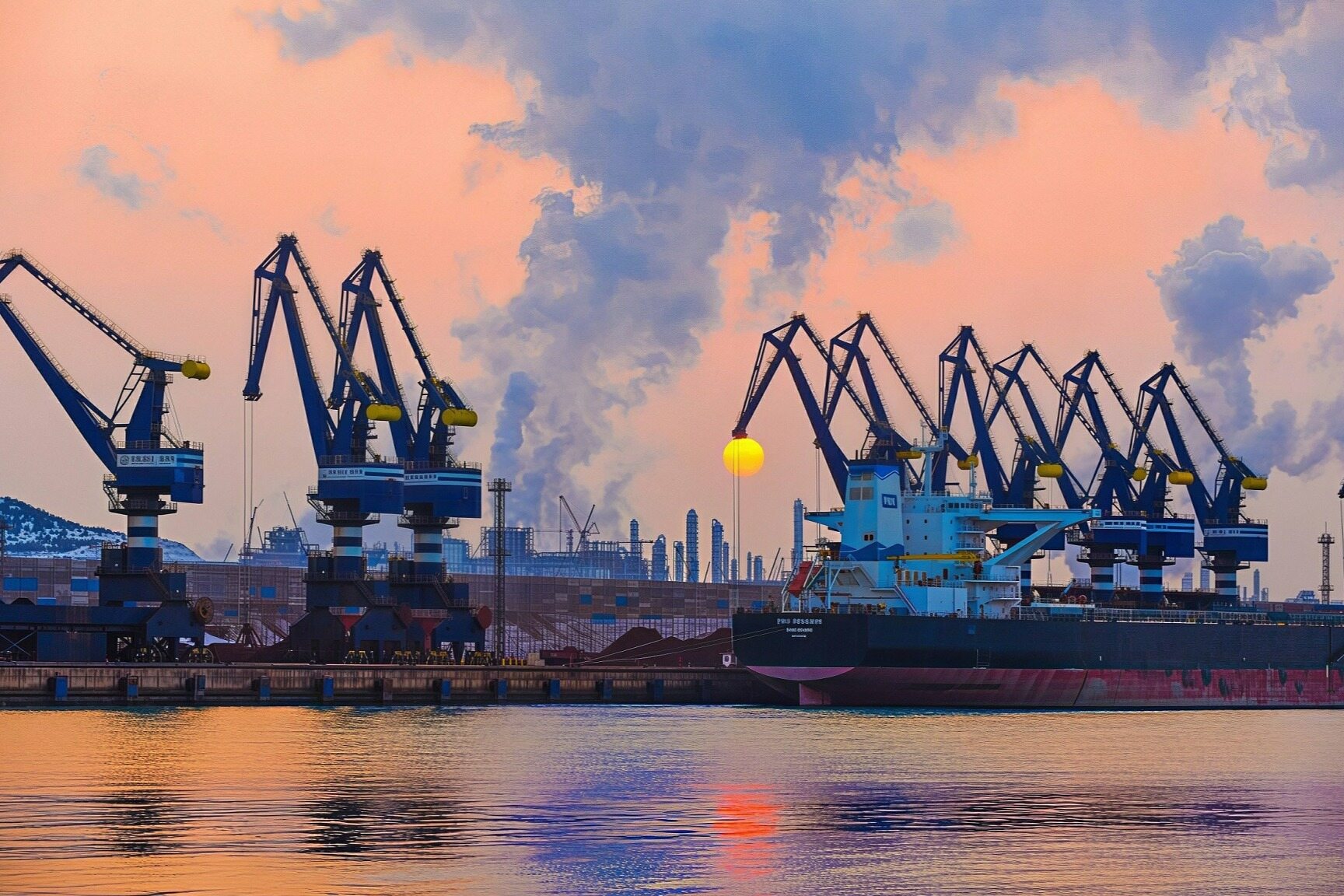
The storm in Hormuz tightens the nerves of global oil prices. In the past, when we talked about clean fuels for transportation, the underlying theme was climate responsibility; Looking back now, it is even more of an essential question for energy security. The latest white paper from Ruizide Energy Consulting is very straightforward: the disturbance of oil and gas channels is pushing the fuel selection for land, sea, and air transportation from carbon reduction to strategic necessity.
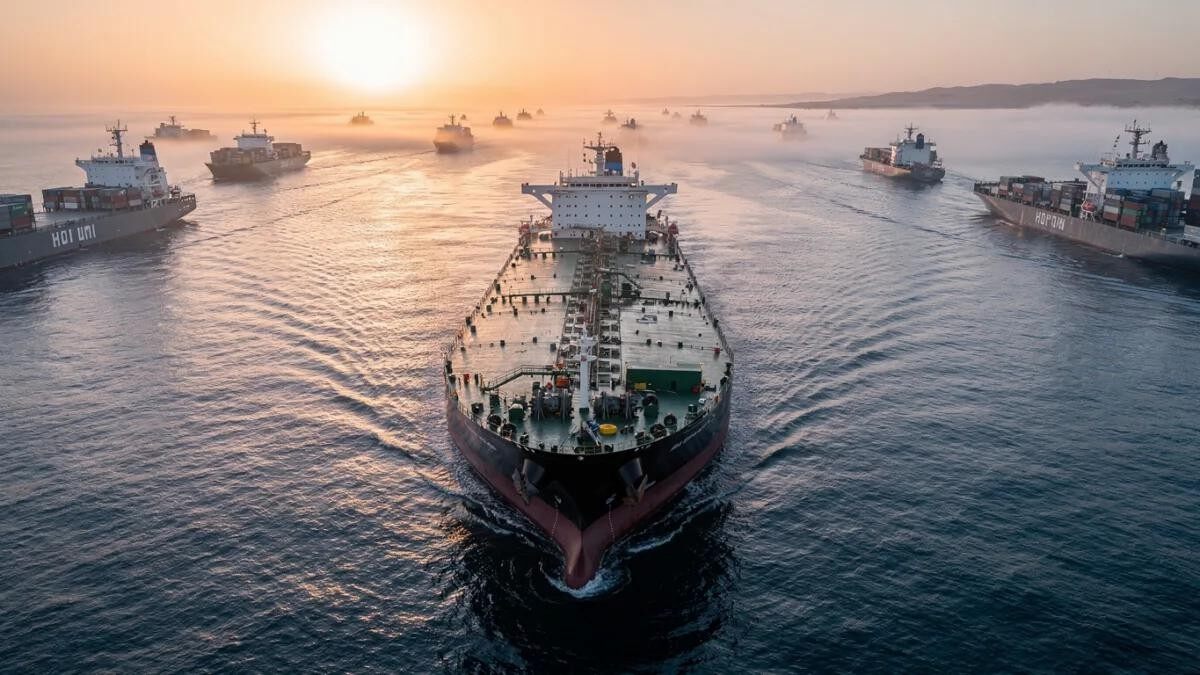
This is not a gentle track switch, but a triple game.
Biofuels at the highway end take the lead first
India, Indonesia, and Brazil have increased their blending ratios to reduce carbon emissions and buy less crude oil. Electric vehicles have eaten up some of the demand for passenger cars, but in the heavy truck scenario, hydrogen and biomass liquid fuels still have an irreplaceable window. For the first time, decarbonization and energy bills are on the same side.
The sea freight end is a chaotic battle of routes
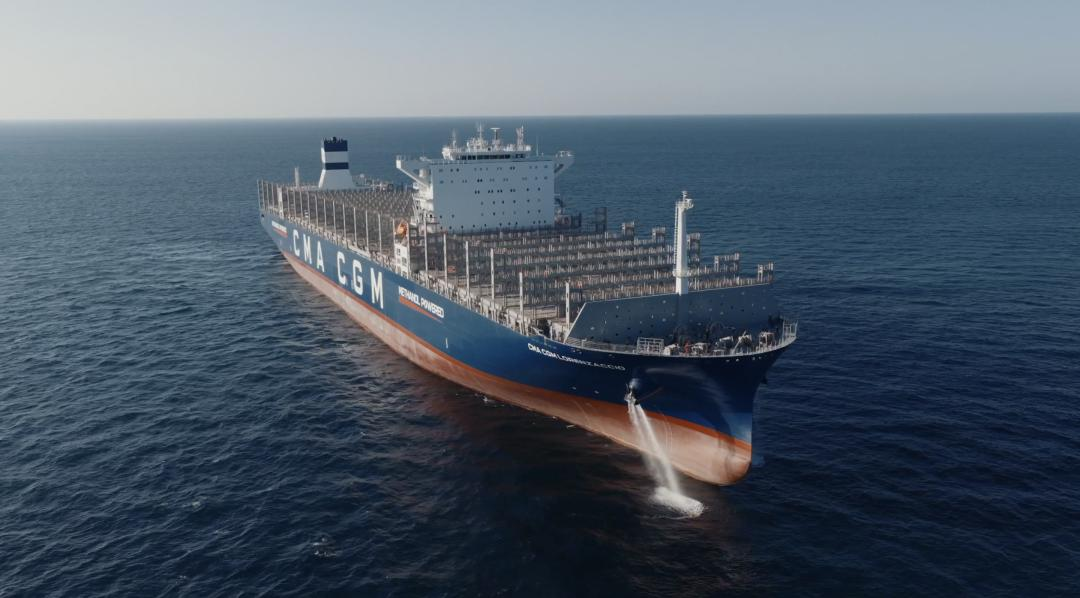
Biodiesel can quench thirst, but it cannot fill the huge gap in ship fuel; BioLNG and biomethanol are limited by fleet retrofitting and costs; Electric methanol and ammonia production look clean, but they are stuck in the cost of green electricity and refueling infrastructure. The regulatory framework is undecided, and ship owners dare not place bets easily - what they are afraid of is not the wrong choice of technology, but the stranded assets.
SAF moved from concept to fulfillment
The European blending policy has been implemented, Asian demand has accelerated, and price differentials have passively narrowed in the geopolitical premium. But behind more than ten processes, the bottleneck of raw materials is sharper than that of technology: gutter oil, palmitic acid, waste fat, the total amount is just that much, and aviation, shipping, and chemical industries are all competing.
In the next decade, clean fuels will no longer be priced solely by carbon prices, but will be re evaluated by a dual factor of safety and carbon. Whoever has scenic resources, biomass systems, and industrial chains for green electricity to produce hydrogen, ammonia, and alcohol will hold the next ticket for transportation energy.
For China, the opportunity lies not in simply following mixed indicators, but in integrating renewable electricity, shipbuilding, aviation oil refining, and port refueling. Moving from using clean fuels to supplying clean fuels is the real dividend left to us by the Strait Crisis.
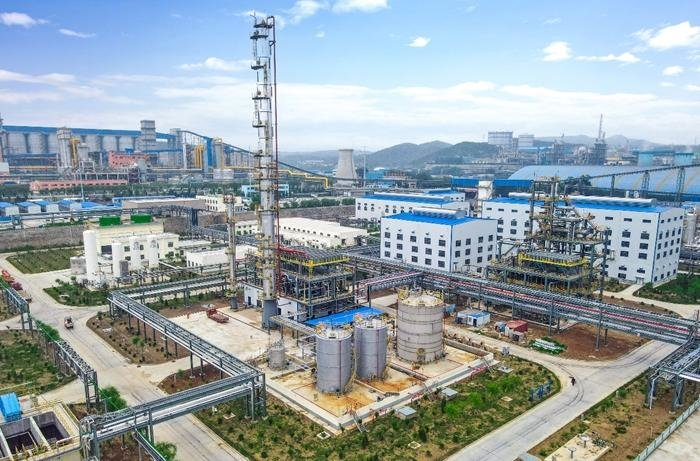
The initiative in energy is never in the waterway, but in the wind turbines, power grids, and factory workshops on one's own land.Editor/Gong Ziwei
Comment





 Praise
 Collect
 Comment

 Share


Write something~