 Search


- Accelerate the construction of the China Kazakhstan cross-border high value-added petrochemical corridor

The list of $12 billion petrochemical projects announced at the Astana "Go Net Zero" summit was almost unimaginable in the industry ten years ago. When traditional oil and gas resource countries are no longer satisfied with exporting crude oil and natural gas, but instead invest funds in high value-added production capacity such as polyethylene and butadiene, the underlying logic of the Central Asian energy map is quietly undergoing restructuring, and China Kazakhstan cooperation is one of the core driving forces behind this change.

The energy export structure in Central Asia is collectively shifting
For a long time in the past, the energy industry of Central Asian countries was almost completely tied to fluctuations in international oil and gas prices. Once international oil prices entered a downward cycle, the regional economy would directly face growth pressure. Now Kazakhstan has chosen to invest 12 billion US dollars in the oil and gas deep processing track. After being put into operation in 2029, the annual industrial added value of only polyethylene and butadiene products will exceed 3 billion US dollars, which is equivalent to directly doubling the value of natural gas raw materials that were originally cheap to export.
This is not an isolated choice for a single country. Turkmenistan and Uzbekistan have also launched large-scale petrochemical industry plans in recent years, and the entire Central Asia is collectively transforming from a global energy raw material supplier to a regional chemical manufacturing center.
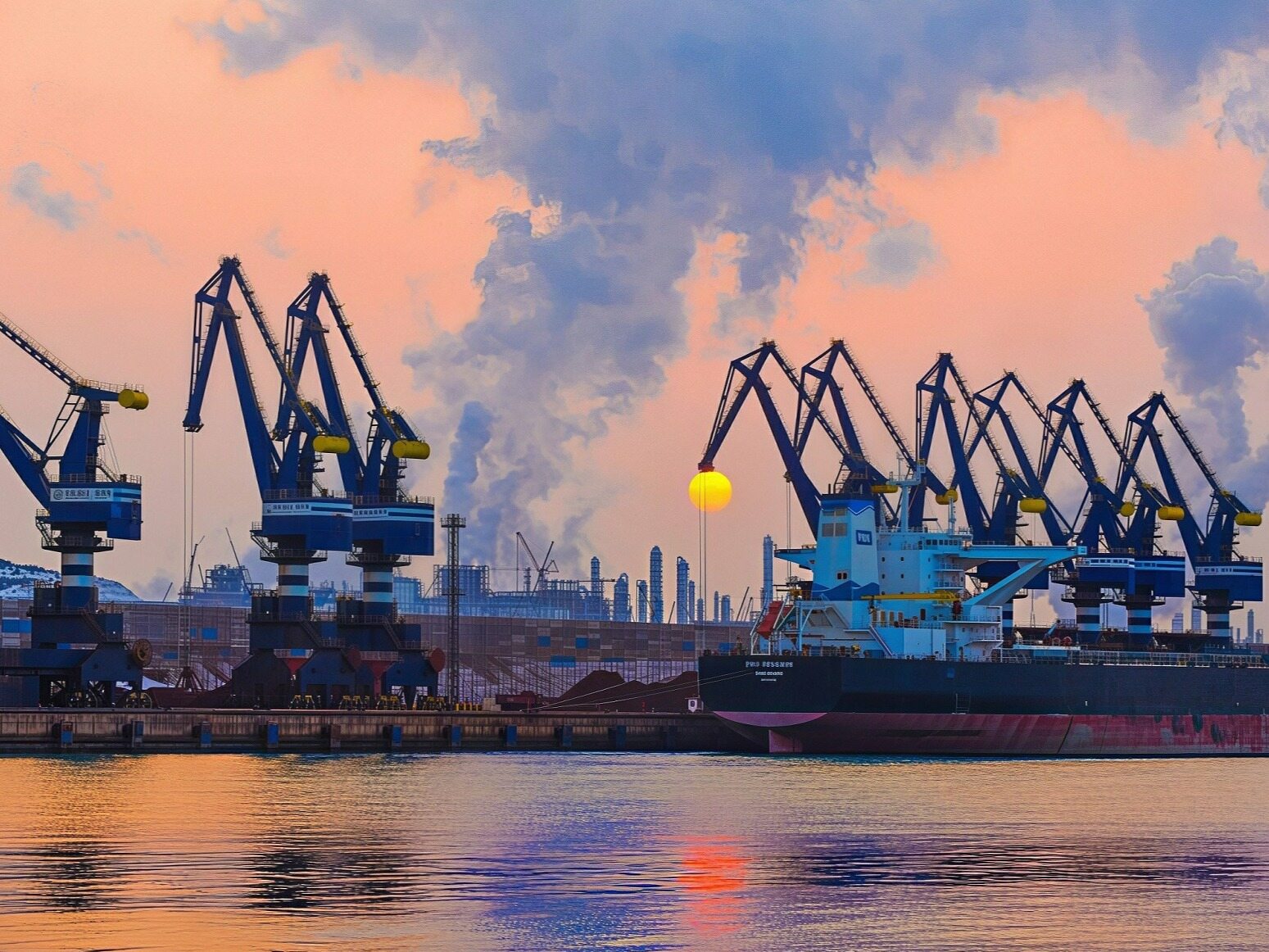
The China Kazakhstan Port is becoming a key hub for the new petrochemical corridor
Many people have not noticed that the landing of Kazakhstan's petrochemical production capacity has been deeply tied to the Chinese market from the beginning. In 2025, the total amount of Kazakhstan's chemicals entering through Alashankou and Khorgos ports will increase by 41% year on year, reaching 7.2 million tons, of which polypropylene exports to China account for 68% of Kazakhstan's total exports of this category.

With the full release of new production capacity in 2029, it is expected that more than 2 million tons of polyethylene and butadiene products will enter the Chinese market annually through the China Europe freight train. This railway corridor spanning the Tianshan Mountains will no longer be just a transportation line for oil and gas resources, but will also grow into a high value-added petrochemical corridor connecting Central Asian raw material bases with downstream manufacturing industries in China.
From relying on international oil prices for resource exports to mastering independent production capacity for manufacturing upgrades, Kazakhstan's petrochemical industry plan is exploring a new path for energy development in Central Asia that is more risk resistant and has long-term growth potential. The industrial synergy formed by the cross-border channels between China and Kazakhstan will also make the radiation of this new path far beyond the Central Asian region itself.Editor/Cheng Liting
Comment



 Praise
 Collect
 Comment

 Share
Share


Write something~