 Search


- East African cross-border railway opens up nickel ore export channel, helping regional connectivity
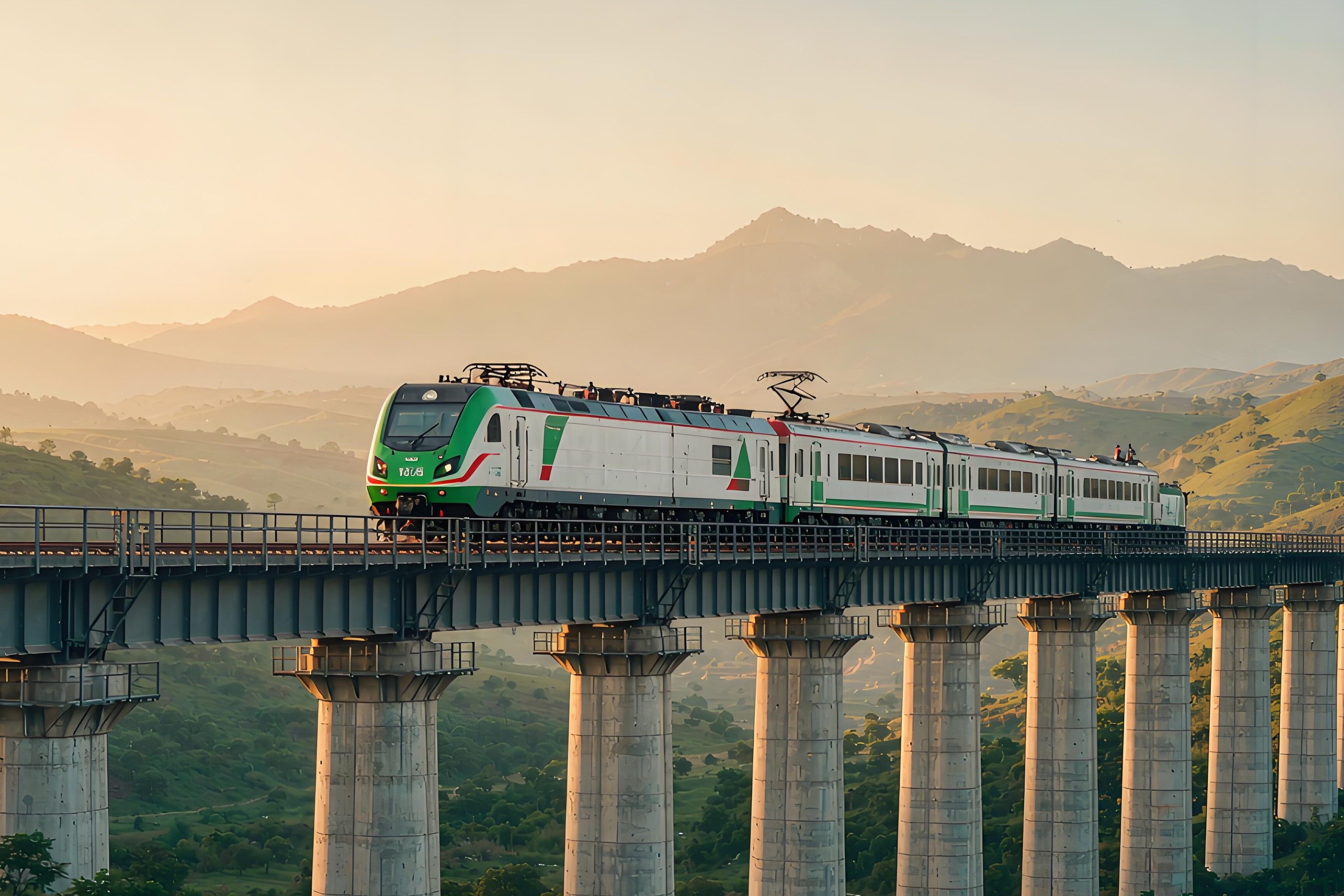
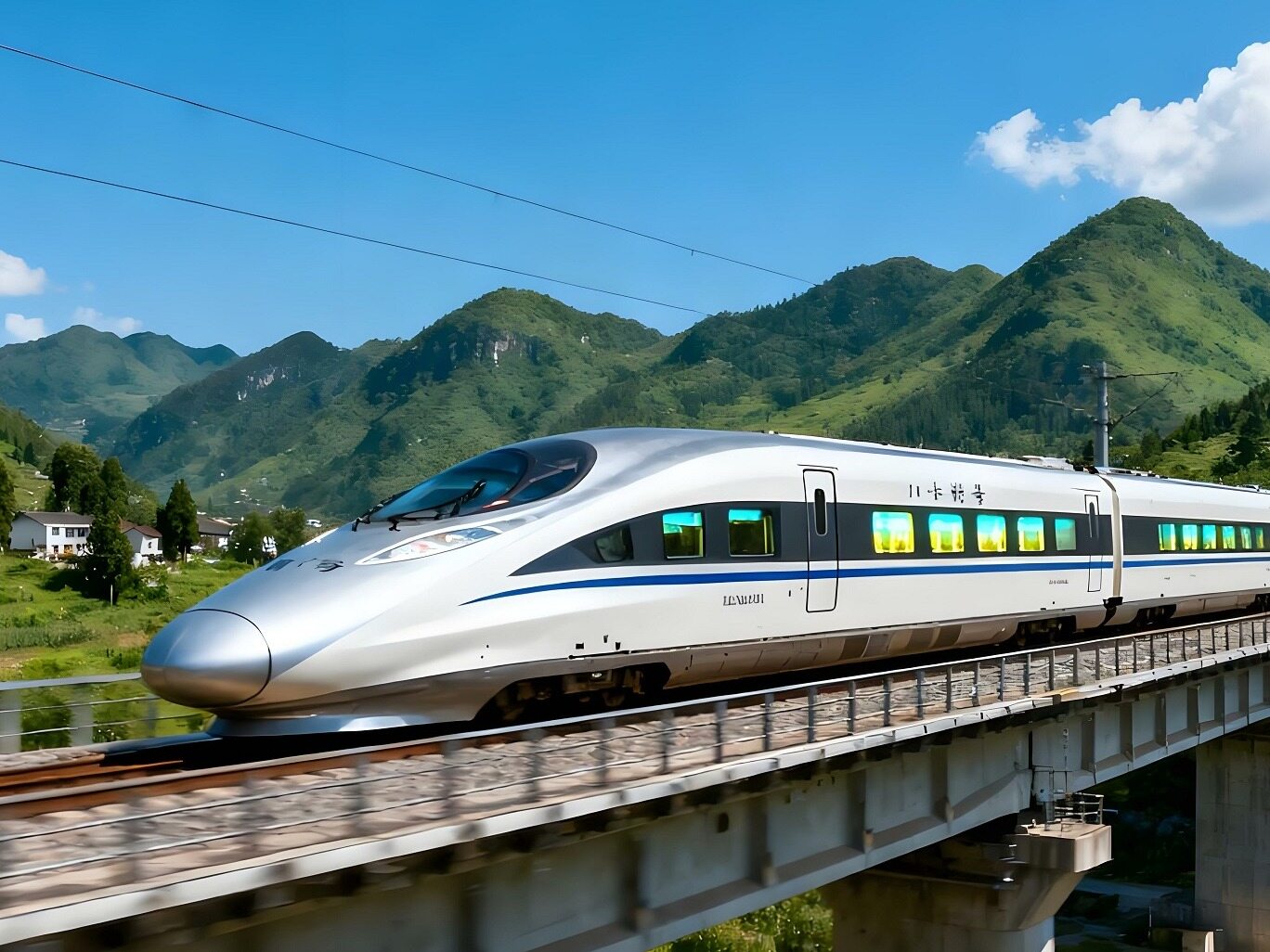
In the middle of September 2026, at the border between Tanzania and Burundi, Tanzanian Prime Minister Majaliwa and President Ndayismiye of Burundi cut ribbon for a pile driver, and the first cross-border standard gauge railway in East Africa, Uvinza Musongati, was officially started. 240km, from the west of Tanzania to the east of Burundi, contracted by China Railway and delivered in 2030. Burundi is one of the most closed countries in the world. It is landlocked and mountainous. The best nickel mine in Africa is buried in its home, but it cannot be transported out. Now, the first steel rail crossing the border has fallen into the hands of the Chinese people.
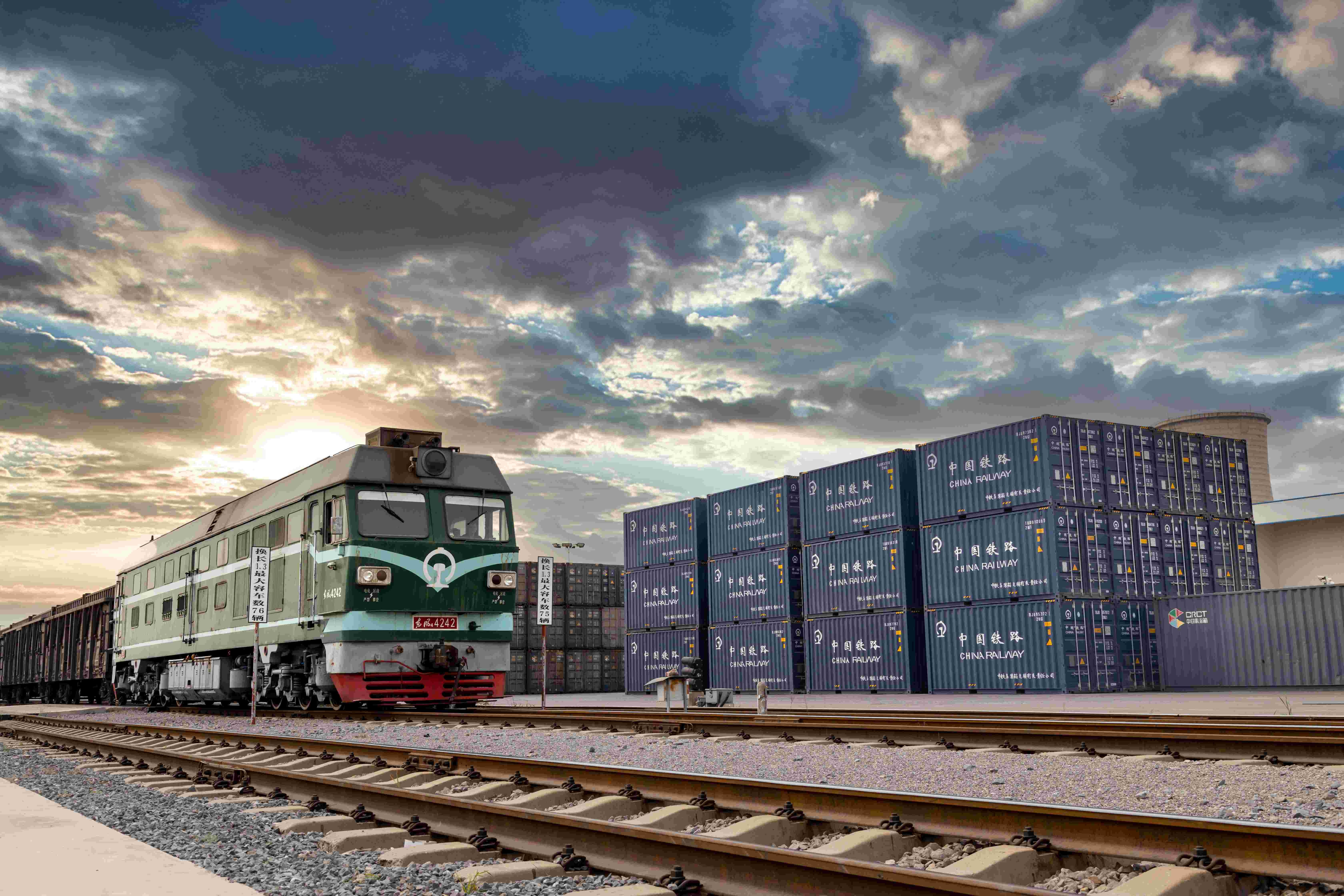
2.15 billion US dollars generated for nickel ore
The project has clear hard indicators: 2.15 billion US dollars, 240 kilometers, 1435mm international standard rail, and full electrification of the entire line. After opening to traffic, the single row towing capacity is 3000 tons, which is 100 times the capacity of road trucks. The President of Burundi said frankly that this railway is to allow nickel ore to enter the international market through Dar es Salaam Port in Tanzania. The transportation time from Musongati to the port will be reduced to 20 hours. This line connects Burundi in the west and joins Tanzania SGR trunk network in the east. The 506km section from Tabora to Kigoma of Tanzania SGR is under construction by the China Civil Engineering and Railway Construction Consortium. The handshake between the two lines in Uwenza means that the cross-border mine transport channel from Kigoma to Burundi to Dagang has been opened up.
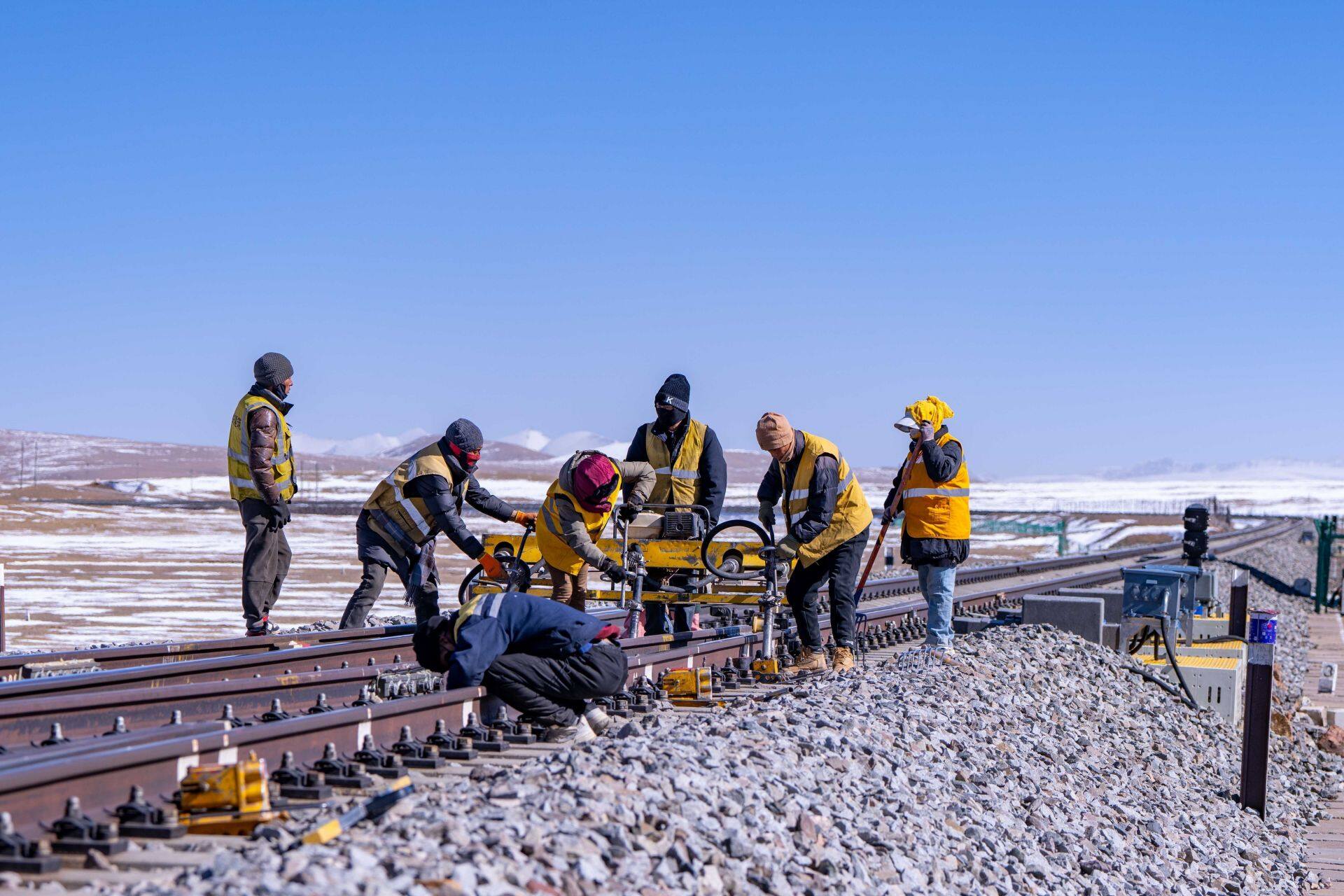
After the main contractor is seated, they have three layers of hands
China Railway Group is the main contractor for this line, and the civil engineering department has already taken over. But the business of cross-border electrified railways is not limited to the civil engineering layer: on the first layer, traction substations, overhead contact systems, and signal systems are implemented in accordance with the main line's progress and standardization; The second layer, locomotives and rolling stock, has practical requirements for 3000 ton heavy-duty traction for locomotives. In the future, the procurement of vehicles is likely to follow the existing system of SGR in Tanzania, and CRRC products have already been put into operation in Tanzania; The third level includes long-term contracts for supporting facilities such as loading and unloading yards, maintenance bases, and electrified stations. Looking at it from a larger perspective, this is a replicable template for mining transportation corridors: wherever the mining area is and the port is, the railway will be built. The Lobito Corridor, Simandou in Guinea, and Liberia are all part of the same script. For Chinese enterprises, the mining transportation corridor is the most reliable and accurately calculated type of freight flow in overseas railways, and the transportation volume is written in the mining contract without relying on forecasting. Keywords: Infrastructure News Network, Transportation, Cross border Railway
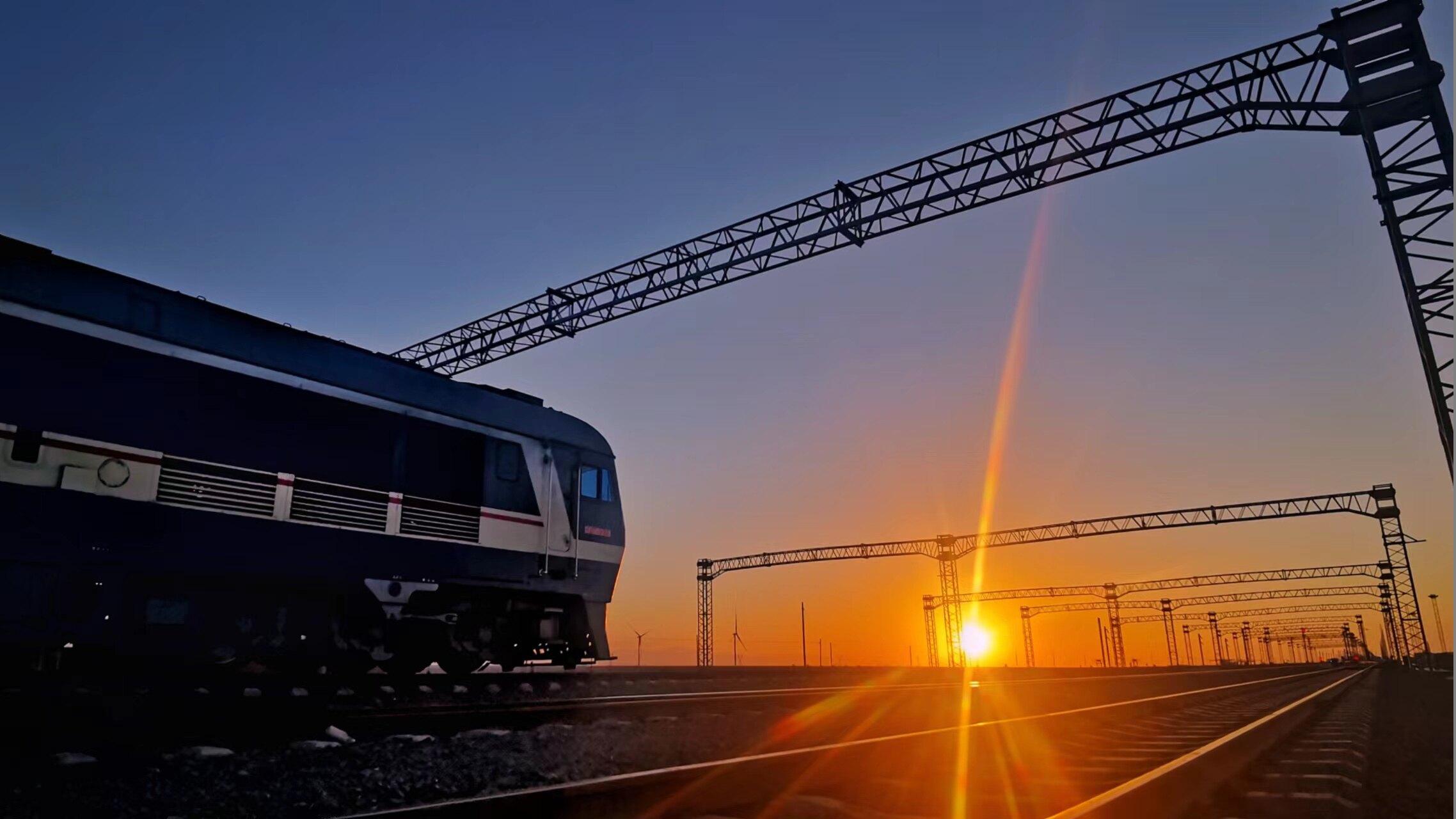
Three obstacles in cross-border projects
The tariffs, customs clearance, fare sharing, and gauge standards for cross-border railways require both countries to sit down and discuss each one. The East African Community's unified railway planning is a bonus, but the ribbon cutting ceremony does not mean that the coordination mechanism has been established. We need to pay attention to when the joint operation agreement between the two countries will be signed. The foundation of transportation volume is mineral prices, and this line is built for nickel. The nickel price cycle directly determines transportation volume and repayment. To judge the mining corridor, first ask three questions: Is the mining right stable or not? How long is the term of the mining contract? Can the port throughput keep up with it? In terms of the back-end window, the main line will start construction in September 2026 and be delivered in 2030. The system and vehicle bids are usually launched 18 to 24 months in advance, which means that the equipment bidding window for this project will be around 2028. What needs to be done now is to be shortlisted and assess local performance, not rush to submit quotations.Editor/Gao Xue
Comment



 Praise
 Collect
 Comment

 Share
Share


Write something~