 Search


- Two types of new energy projects can enjoy full subsidies, with differentiated unit subsidy amounts set
- Romania launches large subsidies to support the construction of public sector photovoltaic energy storage projects
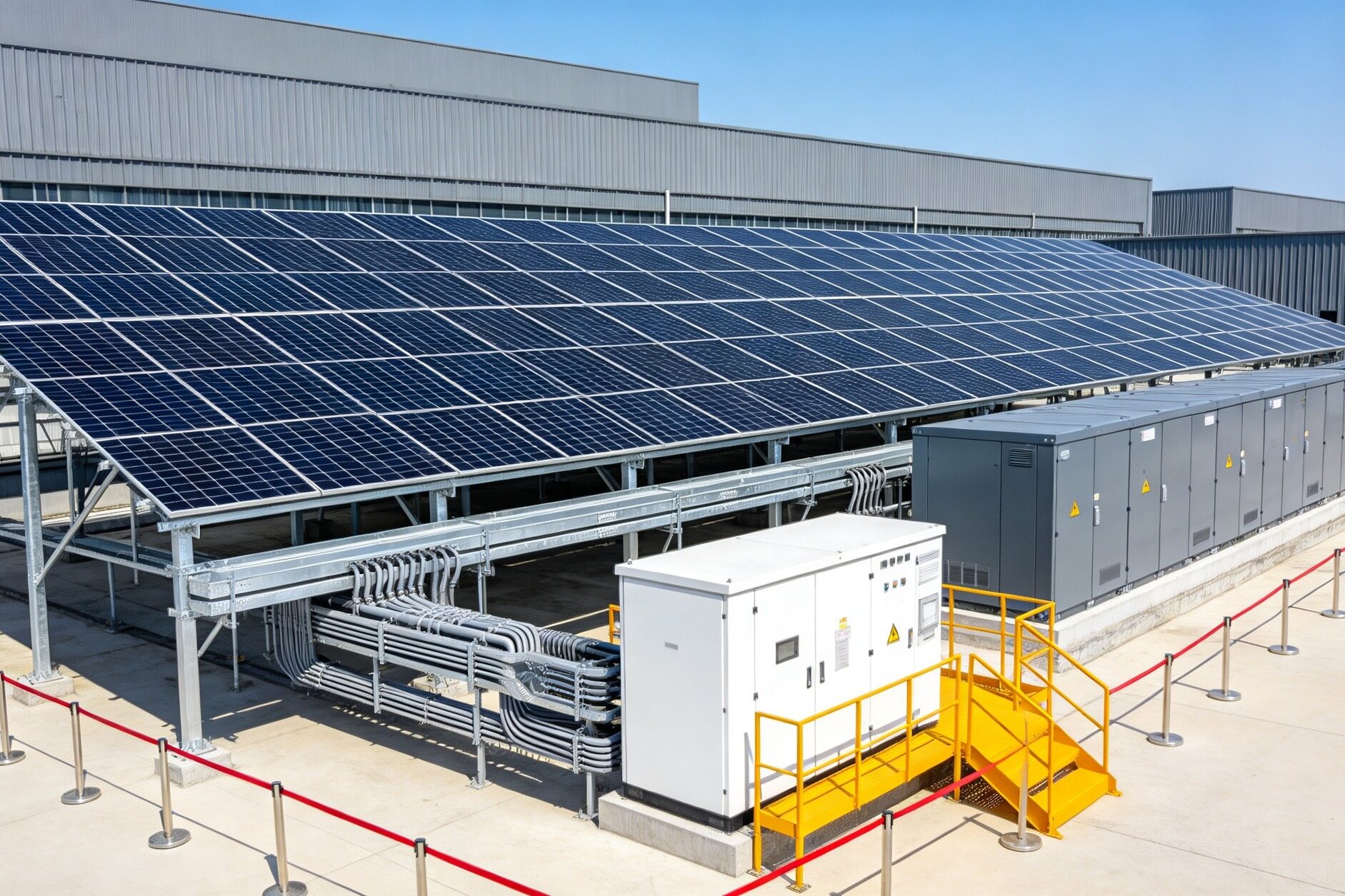
From the rooftops of public buildings to the vast countryside, the energy revolution is quietly unfolding in Romania. When photovoltaics meet energy storage, when the EU's green ambitions land on pile foundations and iron towers along the Danube River, an experiment on energy independence is radiating from public institutions to the entire Eastern European market.
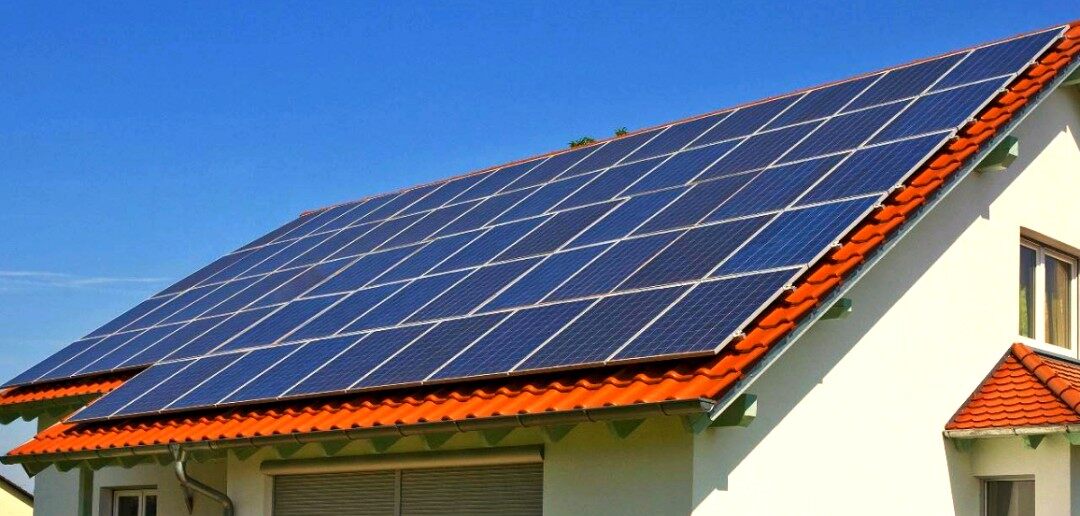
Romania will use the EU Modernization Fund to launch two special subsidy programs totaling 650 million euros. Subsidies support the construction of photovoltaic energy storage self use projects and independent energy storage projects by public entities. This article outlines the allocation of funds, subsidy standards, application qualifications, and timeline for institutions interested in the new energy market in Eastern Europe.
Fund splitting and subsidy standards
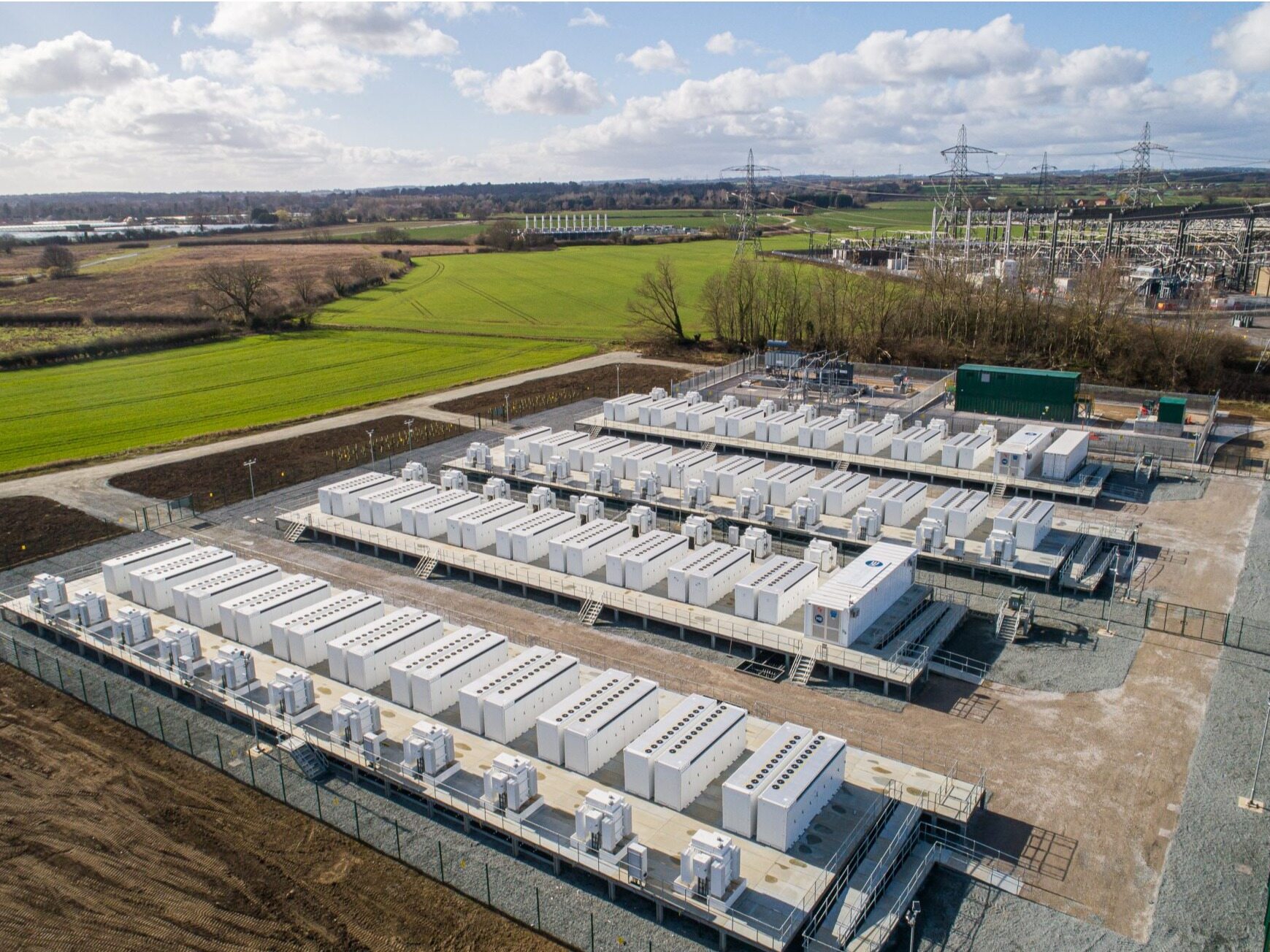
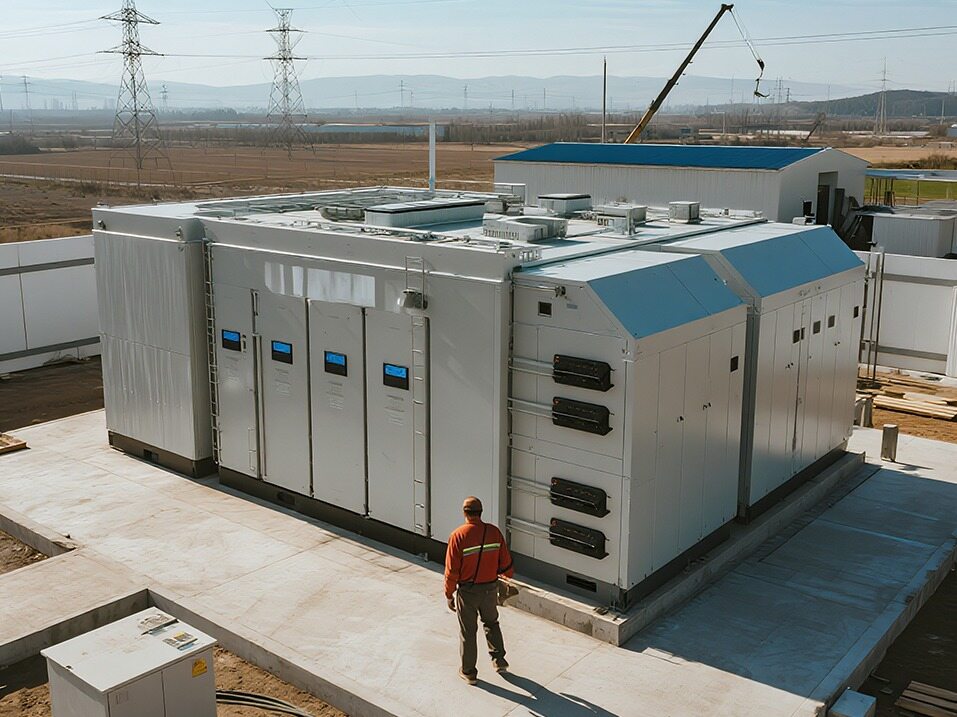
650 million euros will be divided into two projects, accepted by AFIR, using a first come, first served review model. 500 million euros for photovoltaic+integrated energy storage self use projects, which can be matched with heat pump installation. The maximum subsidy compliance cost is 100%, with a maximum limit of 10 million euros per individual entity; Excluding heat pump projects, the maximum amount is 900000 euros/MW. Including heat pump projects, the maximum amount is 1.1 million euros/MW. 150 million euros will be invested in independent power storage projects, with a maximum full subsidy of 10 million euros per entity and a maximum subsidy of 200000 euros/MWh.
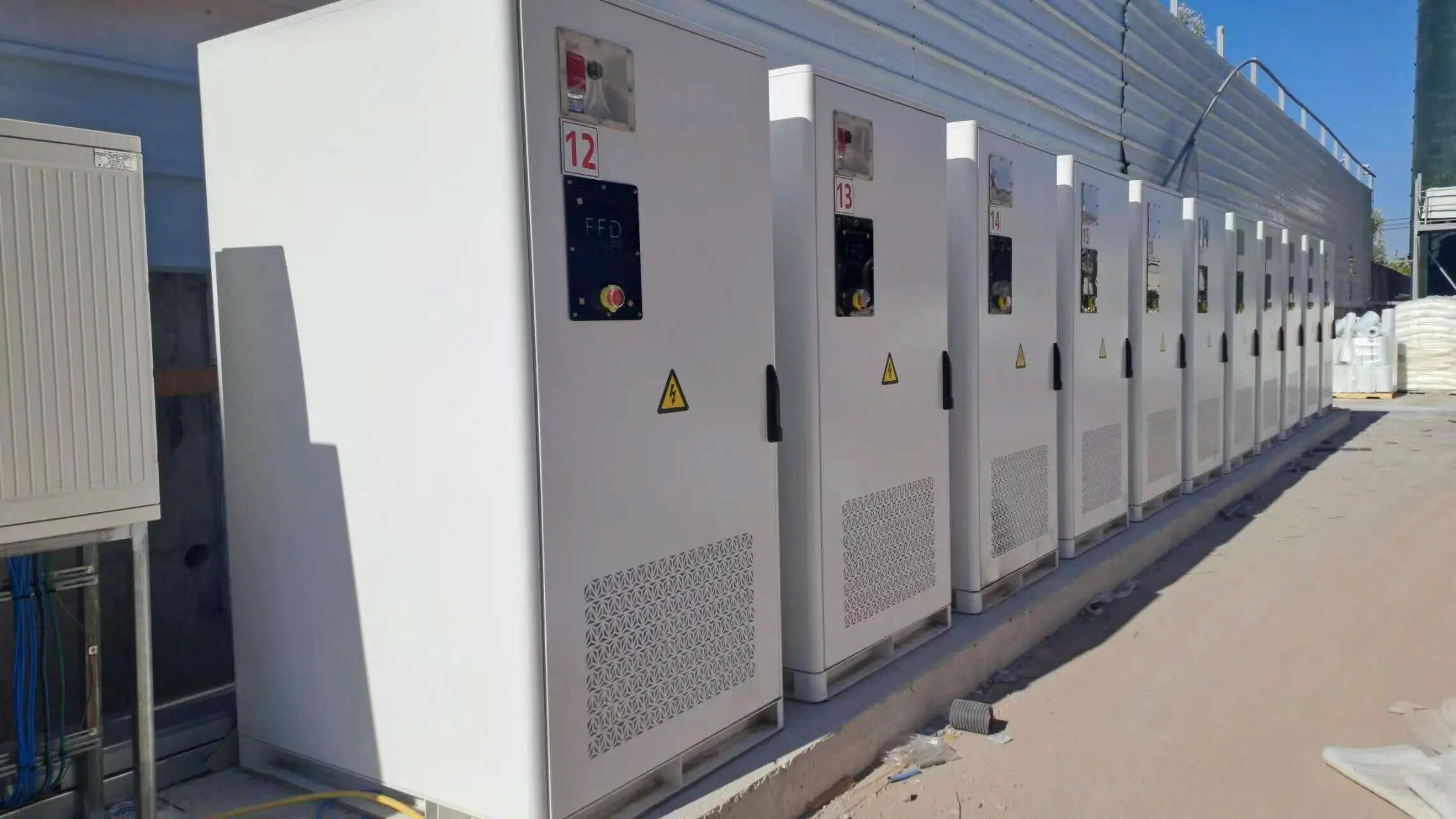
Applicants are limited to various types of public institutions: local administrative units, public hospitals, scientific research and education institutions, security and defense units, cultural and sports organizations, and compliant religious organizations. Public entities that meet the criteria can jointly apply, and Romanian national broadcasting institutions can also participate if they meet specific conditions. Keywords: Romania, photovoltaics, energy storage
Policies bring industrial impacts
Subsidies help Romania achieve its goal of adding over 10GW of wind and solar installations by 2030. The policy encourages the integrated application of photovoltaics, energy storage, and heat pumps, with dedicated independent energy storage funds to alleviate the pressure of photovoltaic consumption and fill the gaps in power grid regulation. The centralized implementation of projects will drive the demand for photovoltaic, energy storage, heat pump equipment, and EPC engineering procurement.Editor/Gong Ziwei
Comment

 Praise
 Collect
 Comment

 Share
Share


Write something~