 Search



- Xinjiang relies on green power resources to build a computing hub radiating to Central Asia
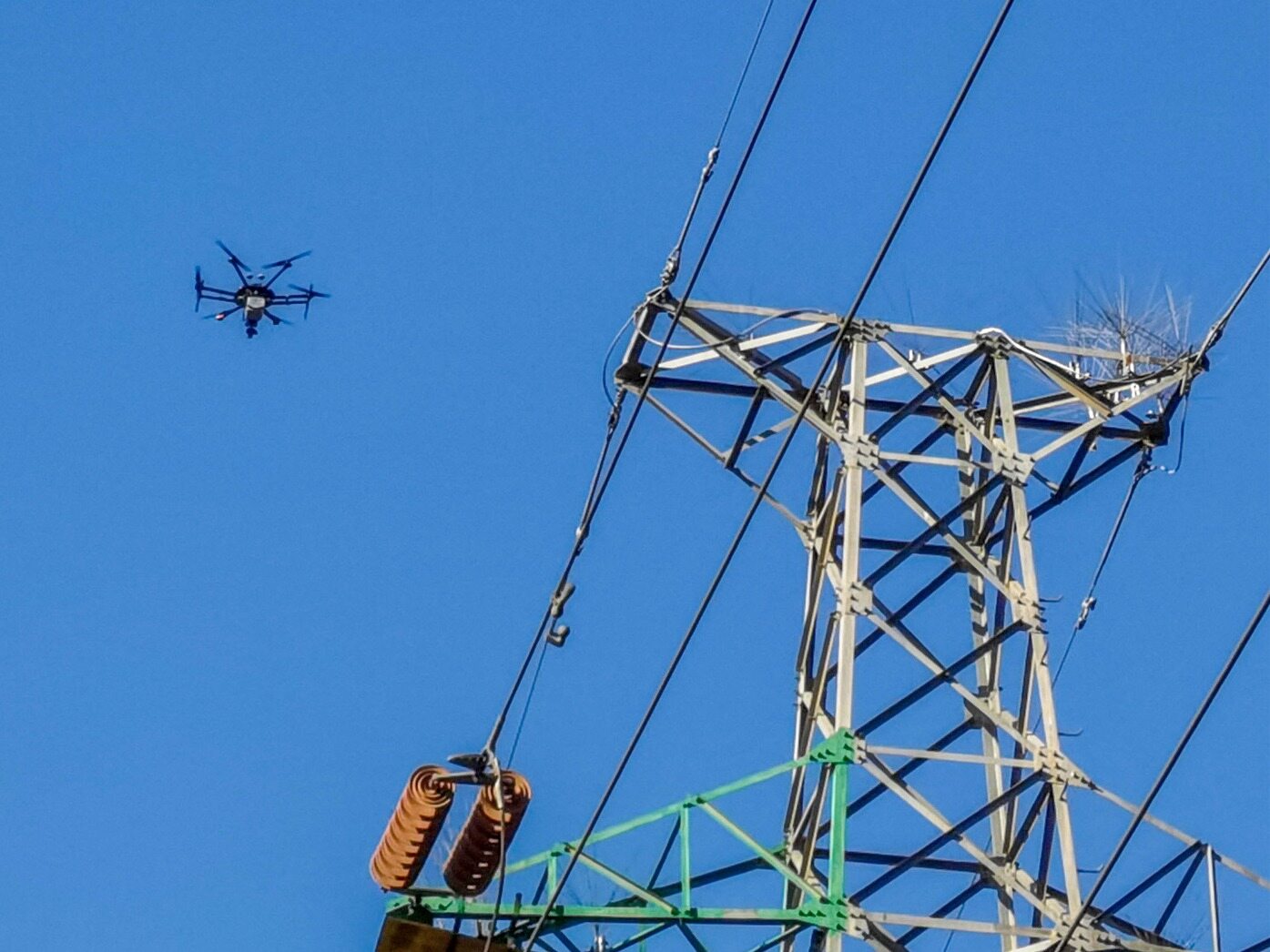
In the past, when we talked about Xinjiang, we couldn't do without the transmission of electricity from Xinjiang - turning wind, light, and coal into electricity and sending it to the east through ultra-high voltage. Nowadays, the story has been told in a different way: electricity no longer just runs out, but stays locally, becoming lights in cabinets, heat on chips, and weights in models. From delivering electricity to delivering computing power, Xinjiang has redefined itself as a digital front-end facing Central Asia from an energy hub.
This is not just industrial migration, but also a reconstruction of geopolitical logic.
Fast and cheap are the hard truths
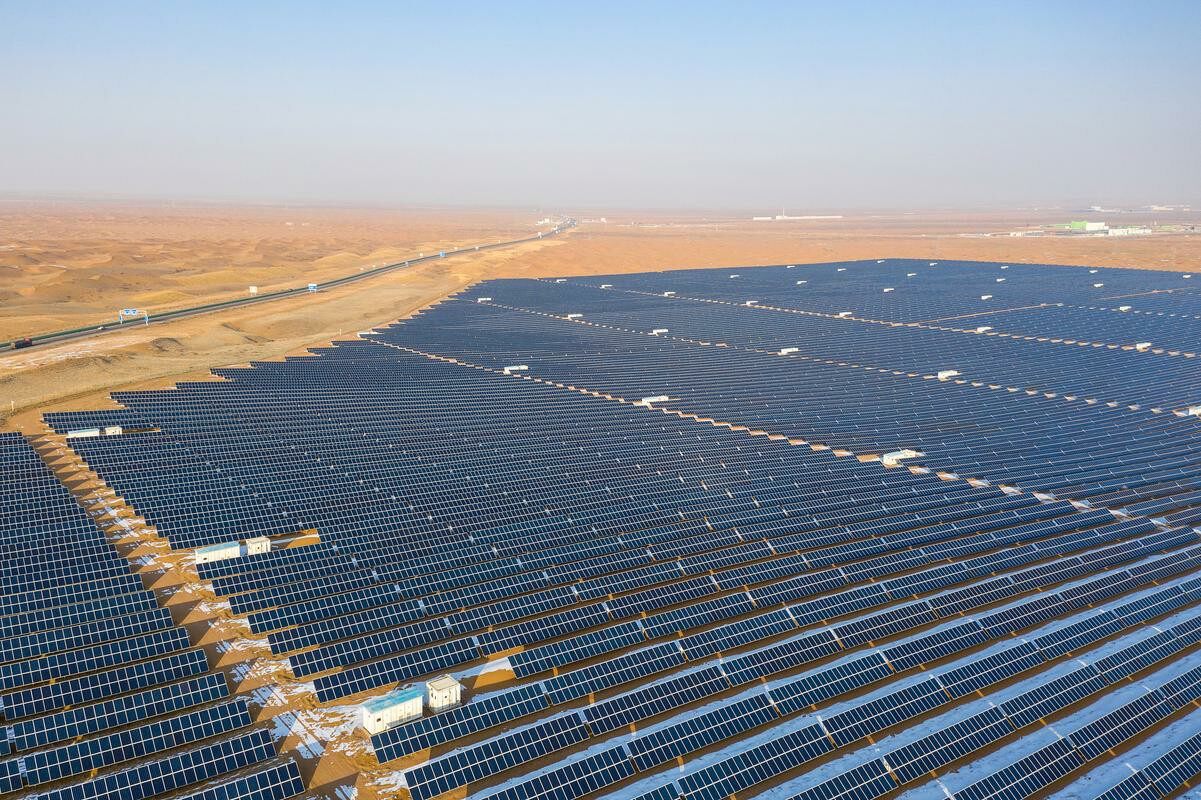
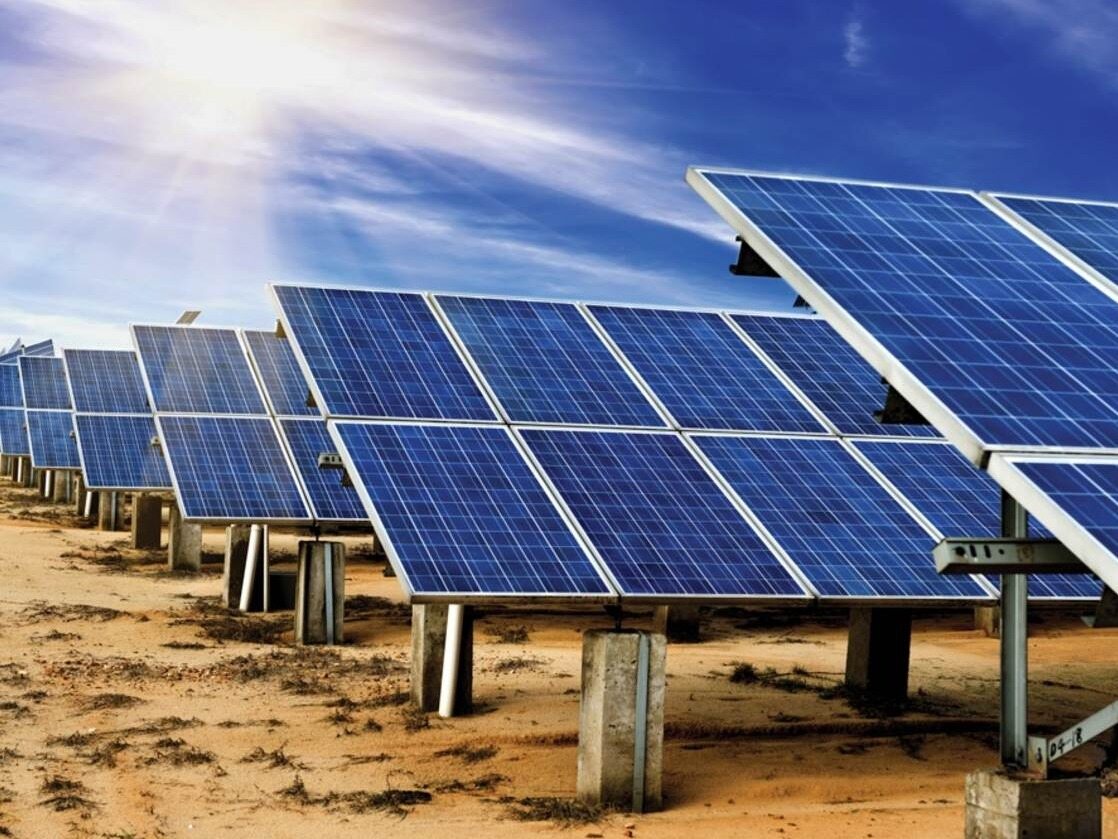
For Central Asian developers, the computing power on which server is not important, what is important is whether the inference is fast, the training is expensive, and the interface is stable. Xinjiang happens to be stuck in this pain point: low-priced green electricity is generated from the accumulation of wind and solar resources, land and cold sources are freed up in the Gobi Desert, and cross-border fiber optic cables bring Tashkent, Almaty, and Bishkai into the same delay map. When the eastern region is rolling up model parameters and Silicon Valley is rolling up computing power chips, Xinjiang has taken a simpler path - using green electricity to make computing power cheaper, and then selling cheap computing power to neighboring countries through optical cables.
The bidirectional rush of green computing power
The bottom layer of computing power is the true coupling of computing and electronics collaboration: new energy installations support energy consumption, energy storage levels fluctuations, intelligent computing centers consume redundant green electricity, and in turn provide adjustable loads to the power grid. The proportion of new energy in Xinjiang has exceeded 60%, and the daily output curve and AI training task curve can already be tamed by each other. Whoever runs this system first will get the ticket to the next generation of computing power networks.

Of course, the challenge is also beyond the literal meaning. How to manage cross-border data, how to allocate bandwidth costs, how to align the Russian speaking region with the big model ecosystem, and whether Central Asian customers are willing to place the inference layer in western China - these are not all problems that can be solved by installing tens of thousands of servers. Going global with computing power is not about building data centers at the border, but about exporting compliance, language, payment, operations, and disaster recovery together.
From selling goods to selling intelligent services
The question of Xinjiang, on the surface, is a combination of green electricity and computing power, but essentially an upgraded version of opening up to the west: in the past, goods were transported through ports, but now it relies on optical cables for intelligence; Previously exported goods, now export capacity.
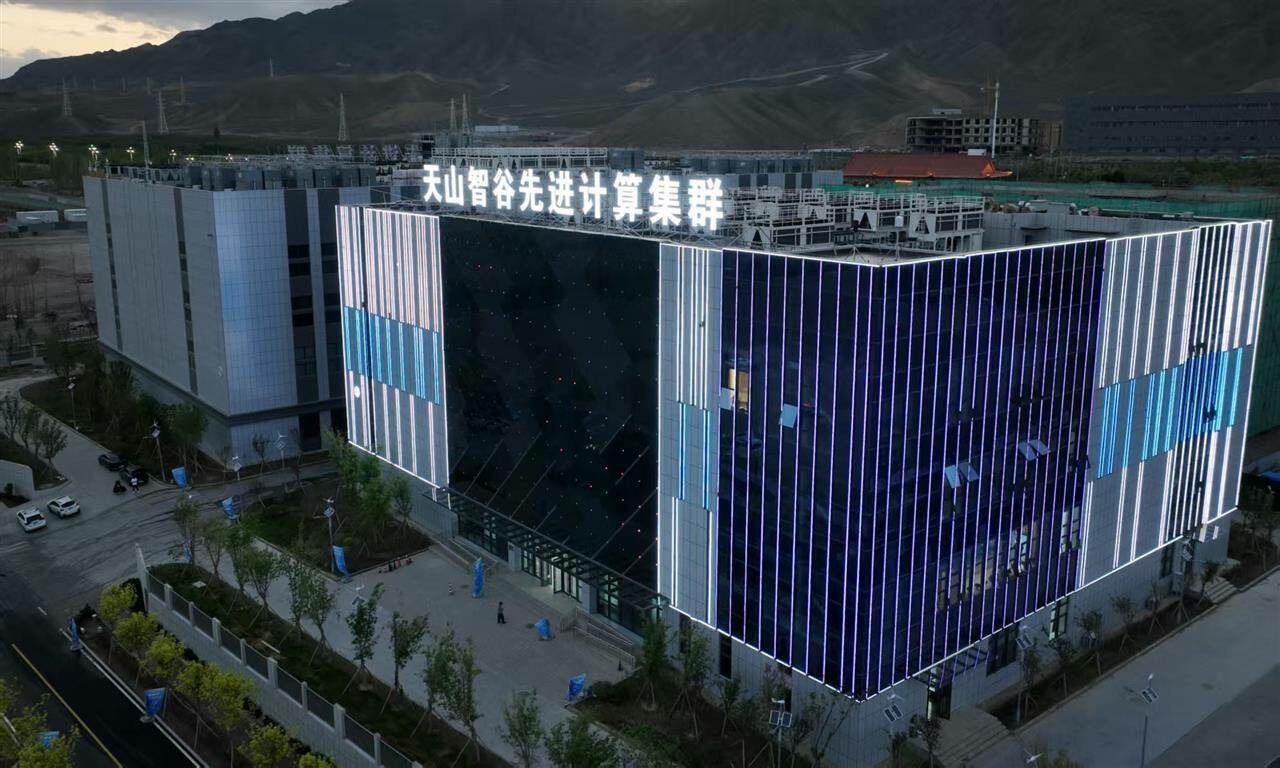
Sending computing power from Xinjiang to the west is not about wind or sun, but about us finally learning to turn resources into services, locations into networks, and the Gobi into cloud neighbors for AI developers in Central Asia. When engineers in Tashkent no longer care about where the computing power comes from and only want the code to run smoothly, Xinjiang has already won.
This step may not be flashy, but it's hardcore enough.Editor/Gong Ziwei
Comment



 Praise
 Collect
 Comment

 Share
Share


Write something~