 Search


- Low altitude water conservancy integration application accelerates landing, Xinjiang welcomes new solutions
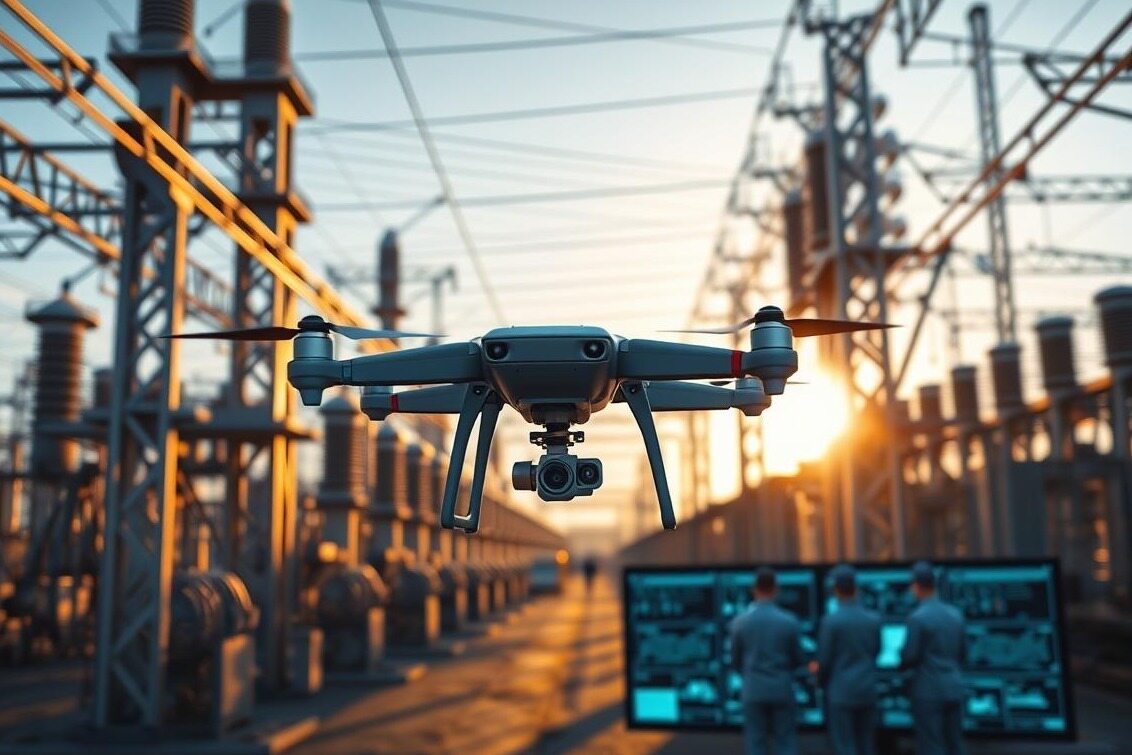
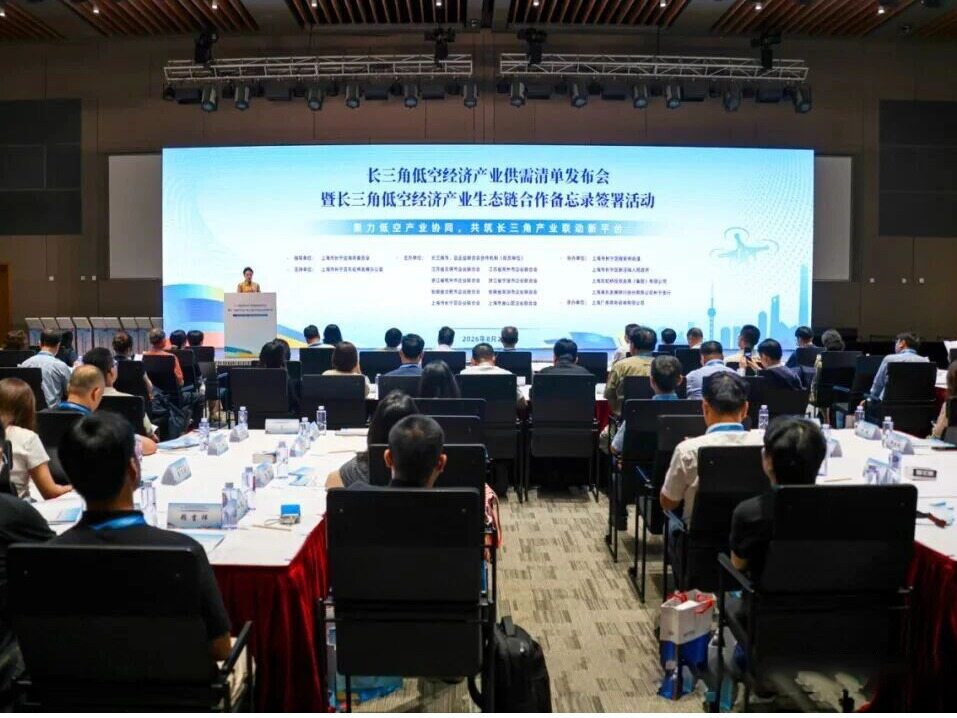
On September 12, 2026, a seminar on high-quality development of Xinjiang's low altitude economy and water conservancy called "Silk Road Low altitude Navigation Tianshan" was held at Kunlun Hotel in Urumqi. The conference is organized by the China Aircraft Owners and Pilots Association, co organized by China Communications Low Altitude Intelligent Technology, Shenzhen Elite Low Altitude Talent Service, and Xinjiang Meian Ruida Information Technology, with about 80 participants. The application of drones in industries such as power inspection, logistics distribution, plant protection operations, emergency rescue has been widely spread, while water conservancy has not received much attention, but its demand scale is not small. This seminar brought together the upstream and downstream of low altitude and water conservancy.
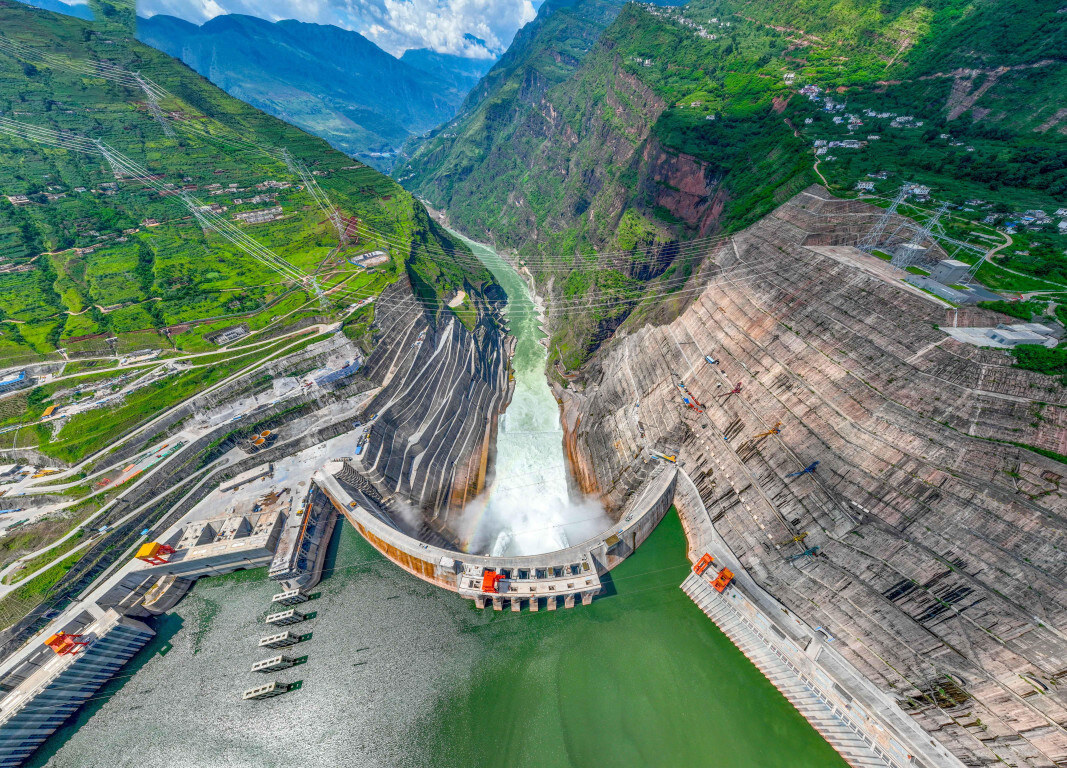
Why Xinjiang Water Conservancy
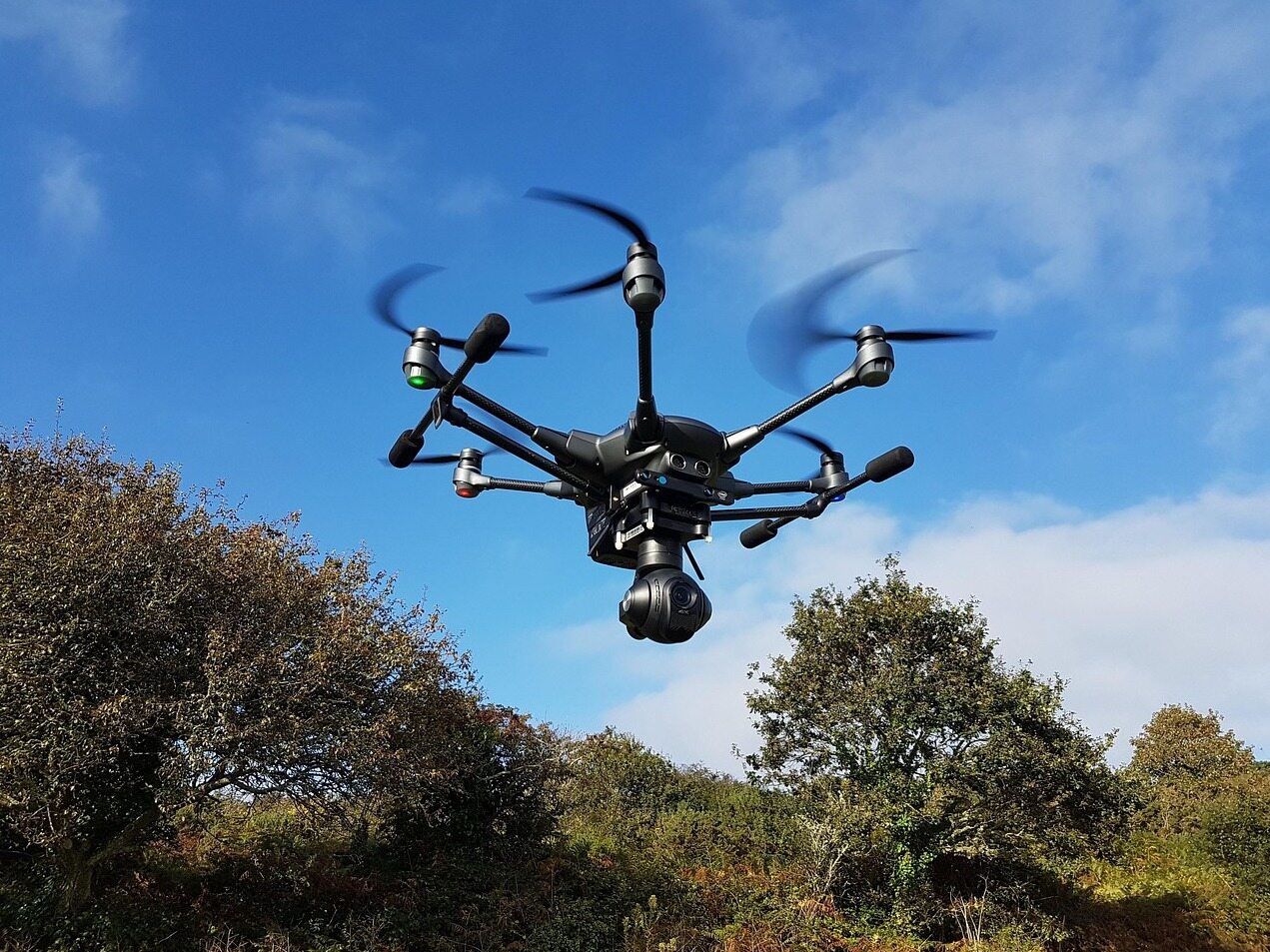
The characteristics of hydraulic engineering are long front lines, scattered locations, and multiple remote areas. The daily inspection of rivers, channels, dams, and reservoirs relies on manual labor, which is costly, time-consuming, and poses operational risks in some sections. These happen to be the suitable scenarios for drones: wide coverage, image feedback, and no need for personnel to arrive at the scene. Inspection, surveying, flood control emergency response, and water resources monitoring can all be used. The situation in Xinjiang is more typical, with a vast territory and long water systems such as the Tarim River and Ili River. Coupled with a large number of reservoirs, canals, and embankments, manual inspections are often limited by terrain and distance, with one river running hundreds of kilometers along the way.
Ten reports covering the entire chain
At the beginning of the meeting, China's AOPA put forward policy recommendations for the development of low altitude economy in Xinjiang. In the subsequent special report section, more than ten enterprises and institutions took turns on stage, discussing the low altitude water treatment chain from platform and technology to specific scenarios. China Unicom's low altitude intelligent sharing of Xinjiang's low altitude intelligent networking platform construction ideas and pilot plans, Zhiyang Innovation introduces the construction of water conservancy digital infrastructure, Sichuan Zongheng showcases the low altitude digital economy to promote the development of smart water conservancy, Zhejiang Feiliu shares the practice and innovation of one network unified flight based on water conservancy, Zhongyi Navigation focuses on low altitude safety and drone prevention and control, Junxiao Navigation showcases the application scenarios of heavy-duty culvert wheel unmanned aerial vehicles, Yilaite discusses the cultivation of low altitude AI and water conservancy composite international talents, CCCC Design Consulting shares the direction of low altitude infrastructure integration and specialization, China AOPA introduces new scenarios for low altitude empowerment of culture and tourism and where to fly platforms, and Xinjiang Water Science Institute sorts out the requirements for low altitude application scenarios in Xinjiang's water conservancy. Keywords: High tech News Network, Low altitude Economy, Water Conservancy
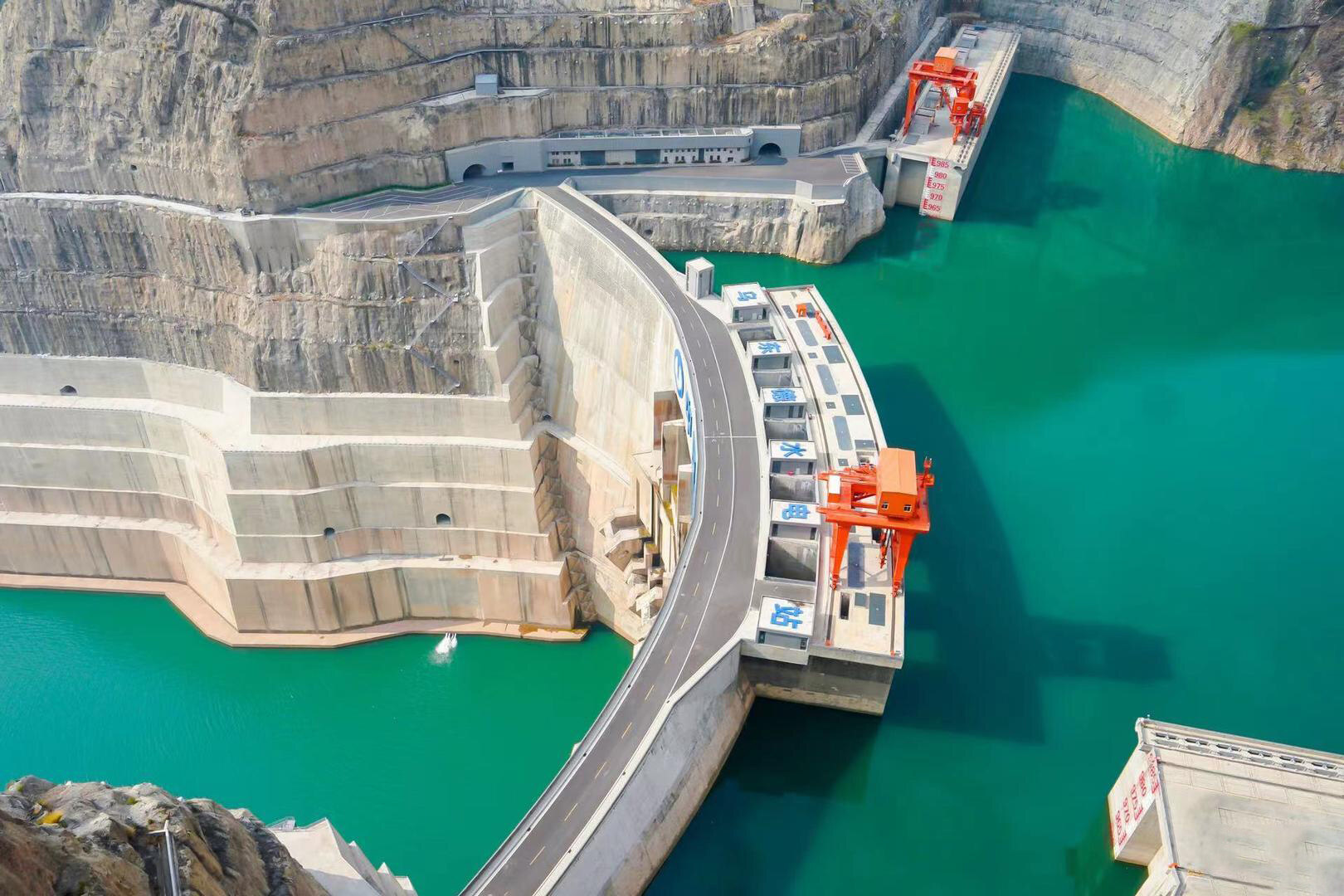
The standard has passed and the talent needs to be filled
In July 2026, China's first group standard for the application technology of unmanned aerial vehicles in water conservancy and hydropower engineering was reviewed, providing a standardized basis for the use of drones in water conservancy and hydropower engineering. After passing the standard level, the next question is presented: Where do composite talents who understand both water conservancy and low altitude come from. Several guests discussed the talent gap at the meeting. In response to this demand, the China AOPA Unmanned Aerial Vehicle Water Conservancy and Hydropower Application Professional Committee has jointly launched a low altitude water conservancy application course with Elite, covering national water network strategy, technology selection, regulatory compliance, and scenario implementation, and arranging students to visit national water conservancy institutions for on-site inspections. What the low altitude economy lacks is not a concept, but an application scenario that can sustainably generate demand. Water conservancy happens to have this condition. Inspection and maintenance of rivers, lakes, reservoirs, embankments, and irrigation areas across the country is a year-round and rigid task that does not fluctuate with industry trends. Coupled with flood prevention emergency response and water resource monitoring, it forms a sizable and stable application market. For drone companies, this is an industry direction worth laying out in advance; For practitioners, supplementing their professional skills in the water conservancy industry may be more valuable than taking an additional basic license.Editor/Gao Xue
Comment



 Praise
 Collect
 Comment

 Share
Share


Write something~