 Search


- Energy storage feasibility study launched to help Laos solve the problem of unstable new energy power supply
- Moving from land connectivity to energy connectivity, enriching the connotation of China Laos economic and trade cooperation
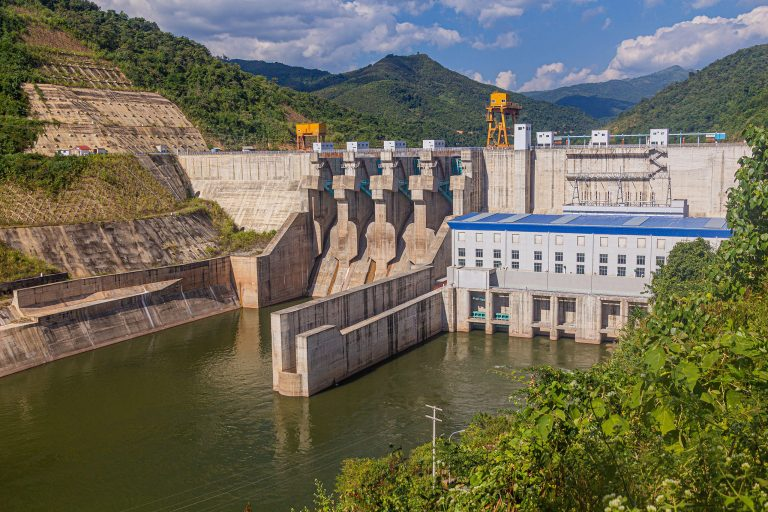
The hydropower stations in the mountains of Laos often abandon water during the rainy season due to excess electricity, and during the dry season, it is difficult to solve the urgent need for electricity. A trilateral forum held in Hong Kong has extended China Laos power cooperation from railway tracks to green energy storage, opening up new ideas for this land to solve the dilemma of relying on the weather for survival.
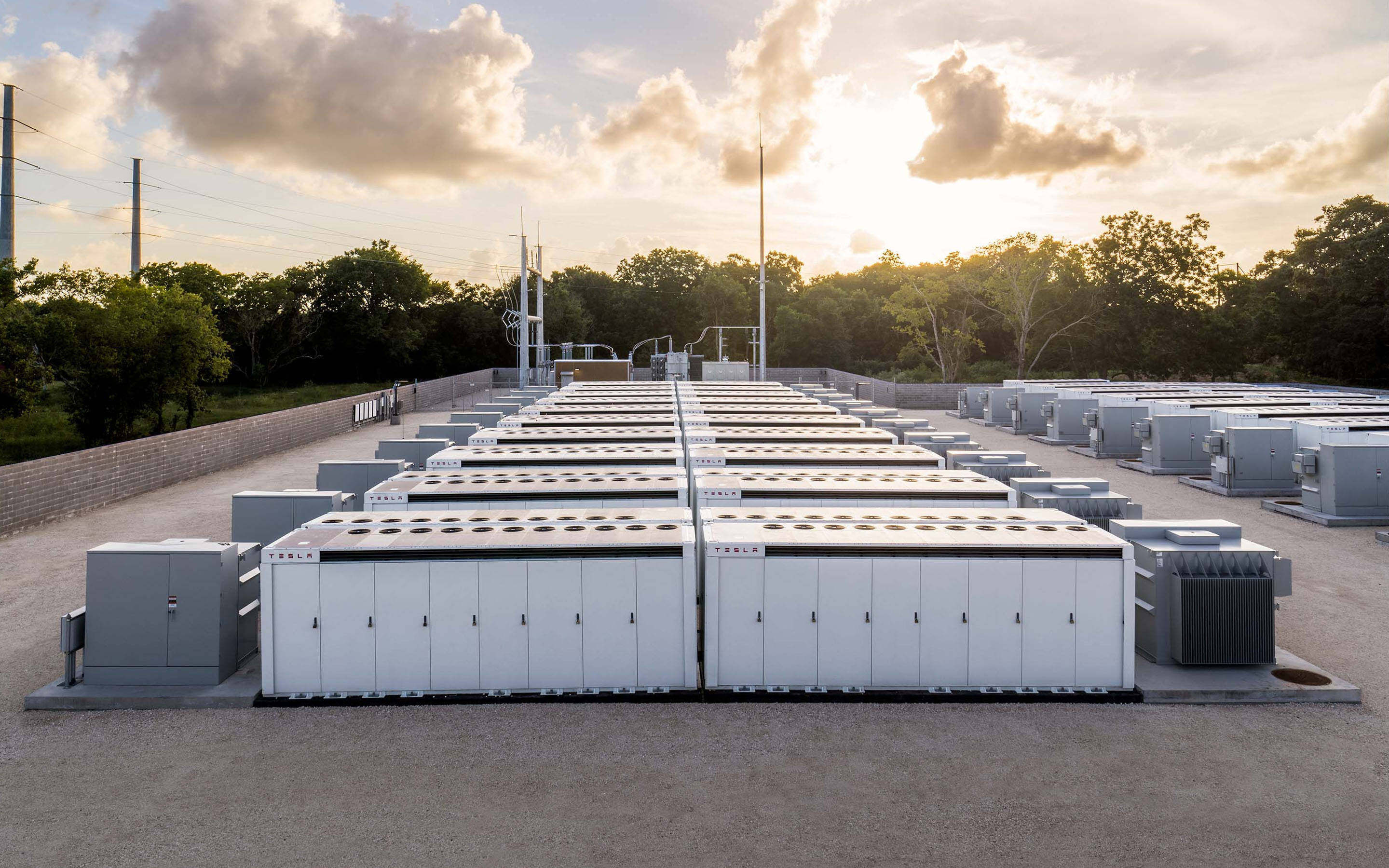
Recently, the State Grid Corporation of Laos and Shenzhen enterprises exchanged cooperation agreements at the Laos Hong Kong Business Forum to conduct a feasibility assessment of Laos' battery energy storage system. The forum was held in Hong Kong, gathering more than 120 business representatives from three regions. The Lao China Chamber of Commerce, which has long promoted economic and trade cooperation between China and Laos, believes that this move marks the extension of China Laos Unicom from transportation infrastructure to green energy and industrial synergy.
Energy storage cracking green electricity fluctuations
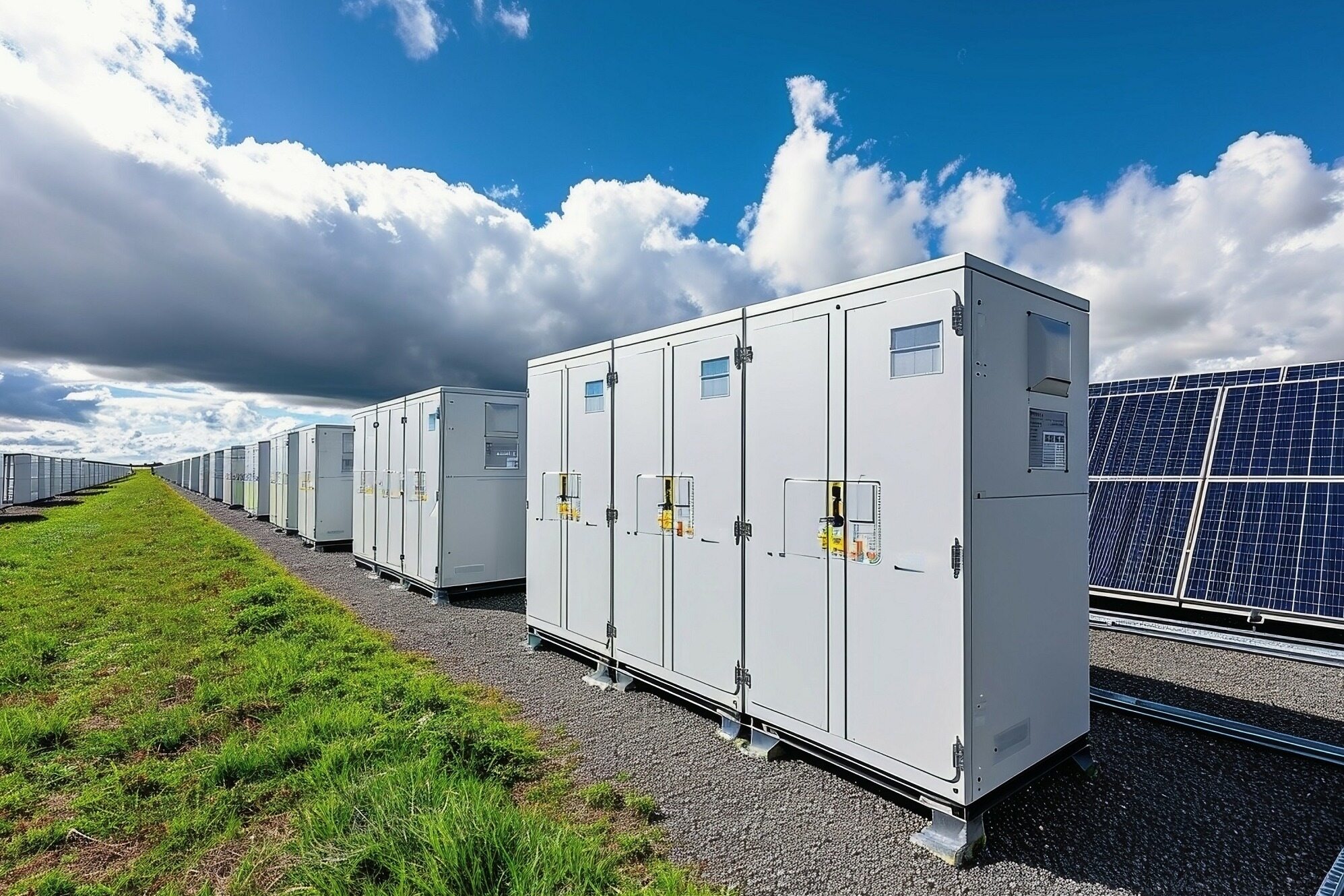
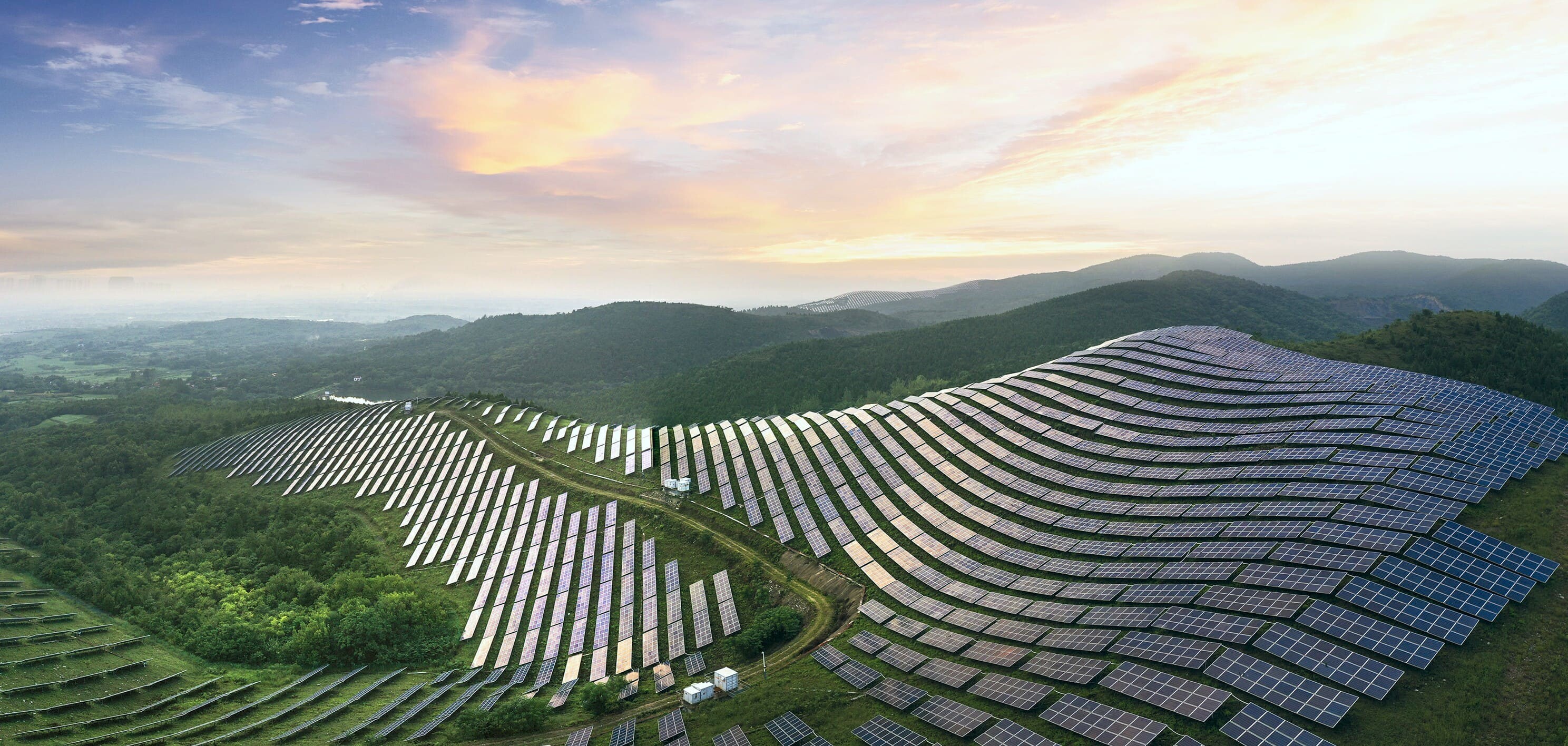
Laos' hydropower accounts for about 70% of the country's electricity generation, but it is greatly affected by seasons, with insufficient output during the dry season and easy abandonment of water during the rainy season. The country plans to increase the proportion of wind and solar power in its energy structure to 11% by 2030, and the output of wind and solar power fluctuates intermittently. How to turn the green electricity that relies on the weather into stable power supply is a necessary question for transformation. Battery energy storage is like a large power bank, storing electricity when surplus and releasing it during peak hours, which can smooth out wind and solar fluctuations and support the integration of new energy into the grid. This feasibility study cooperation is precisely planned in advance for this purpose.
Three party co construction of green energy corridor
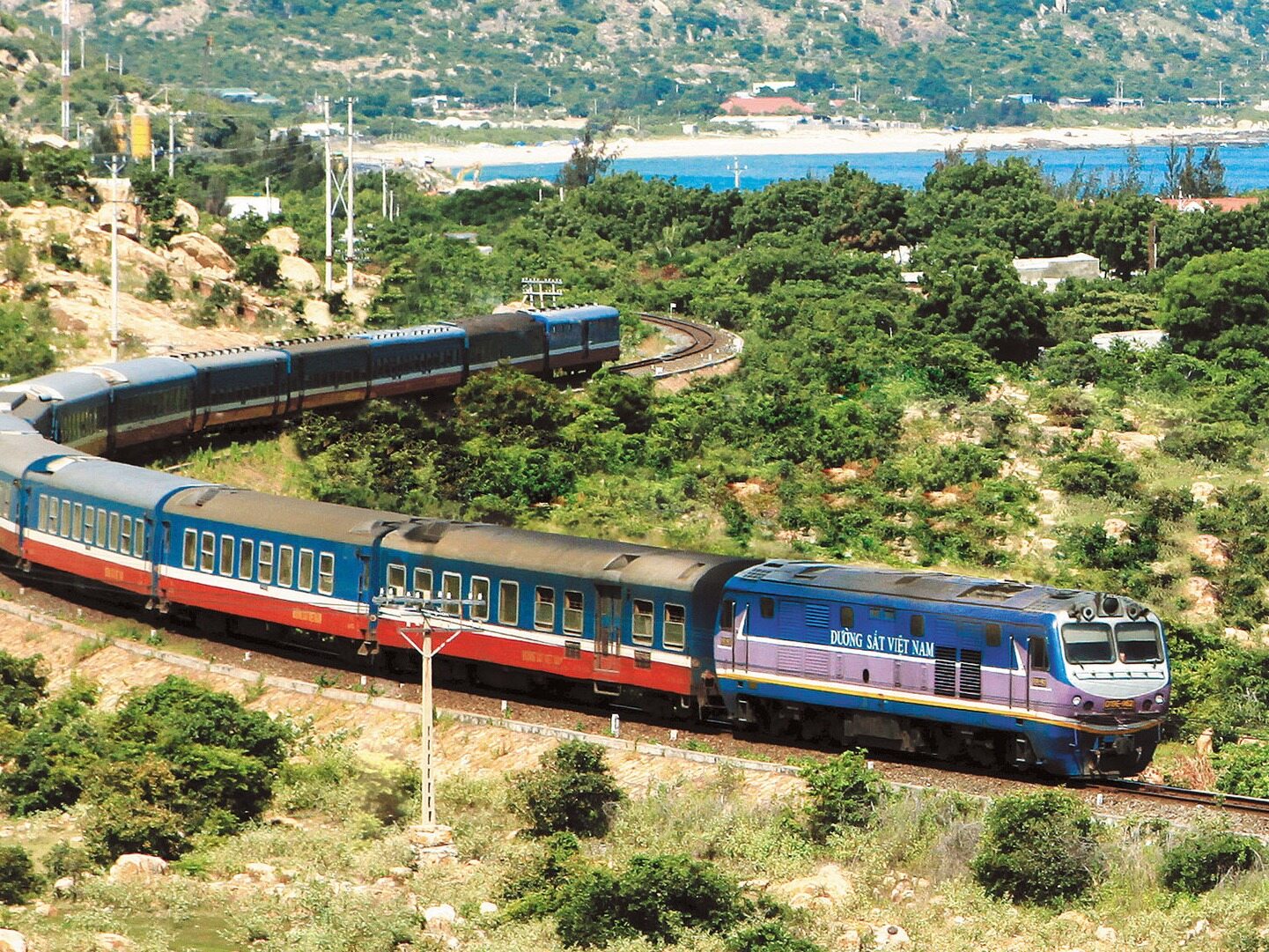
The China Laos railway has transformed the two countries from land locked to land connected. The connotation of connectivity has expanded from road ports to power grids, energy storage, data, standards, capital and talents. China has a mature energy storage industry chain, Laos has hydropower, wind and solar resources and potential for electricity exports, Hong Kong has international financial and legal advantages, and the three parties are expected to form a cooperation model of Laos' resources+Chinese technology+Hong Kong platform.
Rational layout for risk prevention and control
At present, the feasibility study site selection, scale, investment, and construction period have not been announced, and the cooperation is still in the early stage. The Chamber of Commerce suggests that member companies: firstly, closely monitor policies and feasibility studies; The second is to explore the multi energy complementary scenarios of photovoltaic/hydropower/wind power+energy storage; the third is to make good use of Hong Kong's connection with international financing and carbon market services; the fourth is to adhere to localization and technology transfer; and the fifth is to carefully evaluate risks such as electricity prices, exchange rates, and land use. If the project is implemented, Laos' peak shaving capacity and power supply security will be enhanced, and Chinese enterprises can also take advantage of the situation to upgrade from engineering contracting to integrated investment, construction, and operation. Keywords: Laos, energy storage, regional interconnection
China Laos Unicom is not just about roads. Looking forward to energy storage cooperation moving from feasibility studies to demonstrations, injecting green energy into the community of shared future between the two countries.Editor/Gong Ziwei
Comment




 Praise
 Collect
 Comment

 Share
Share


Write something~