 Search


- Gather the power of the industrial chain and create a full stack autonomous space computing system
- Build a near Earth orbit computing power network in stages to solidify the foundation of AI computing power

Under the cover of night, a test satellite about to enter low Earth orbit quietly sets off. It not only carries payloads, but also Shanghai's ambition to move from ground-based intelligent computing to sky computing - the Pearl Constellation Plan, which is moving computing power to the stars, allowing the AI base to leave the surface and embrace orbit.
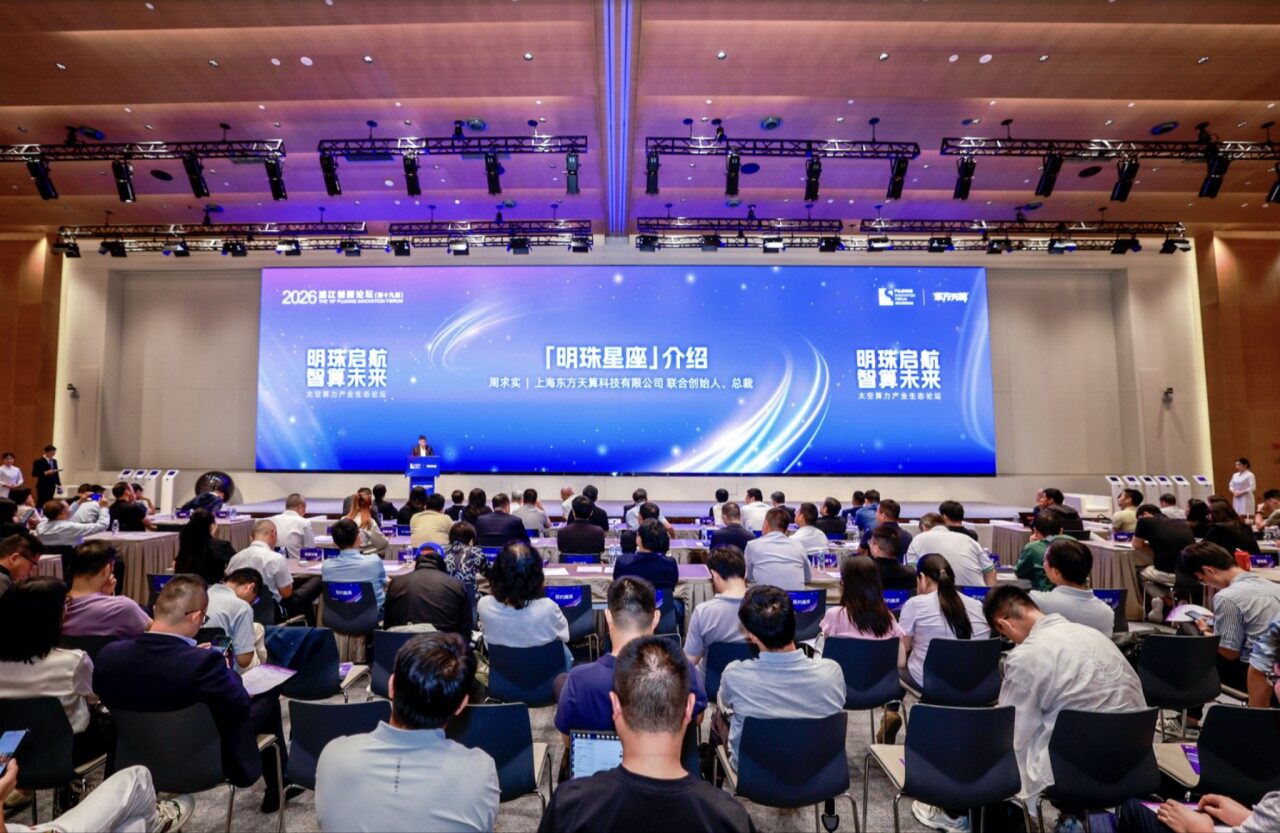
After the Star Pivot Plan, Shanghai launched the Pearl Constellation Plan to accelerate the layout of space computing power. At the 19th Pujiang Innovation Forum Space Computing Industry Ecology Forum, Zhou Qiushi, co-founder and president of Oriental Sky Computing, introduced that the Pearl Constellation Program aims to create a gigawatt level space-based computing constellation, build a global near Earth orbit computing power network, and serve as the AI underlying computing power base.
The domestic space computing power is still in the exploration stage and is transitioning from concept verification to the early stage of engineering. The large-scale implementation cannot be achieved without industrial collaborative research and development.
Promote networking in stages
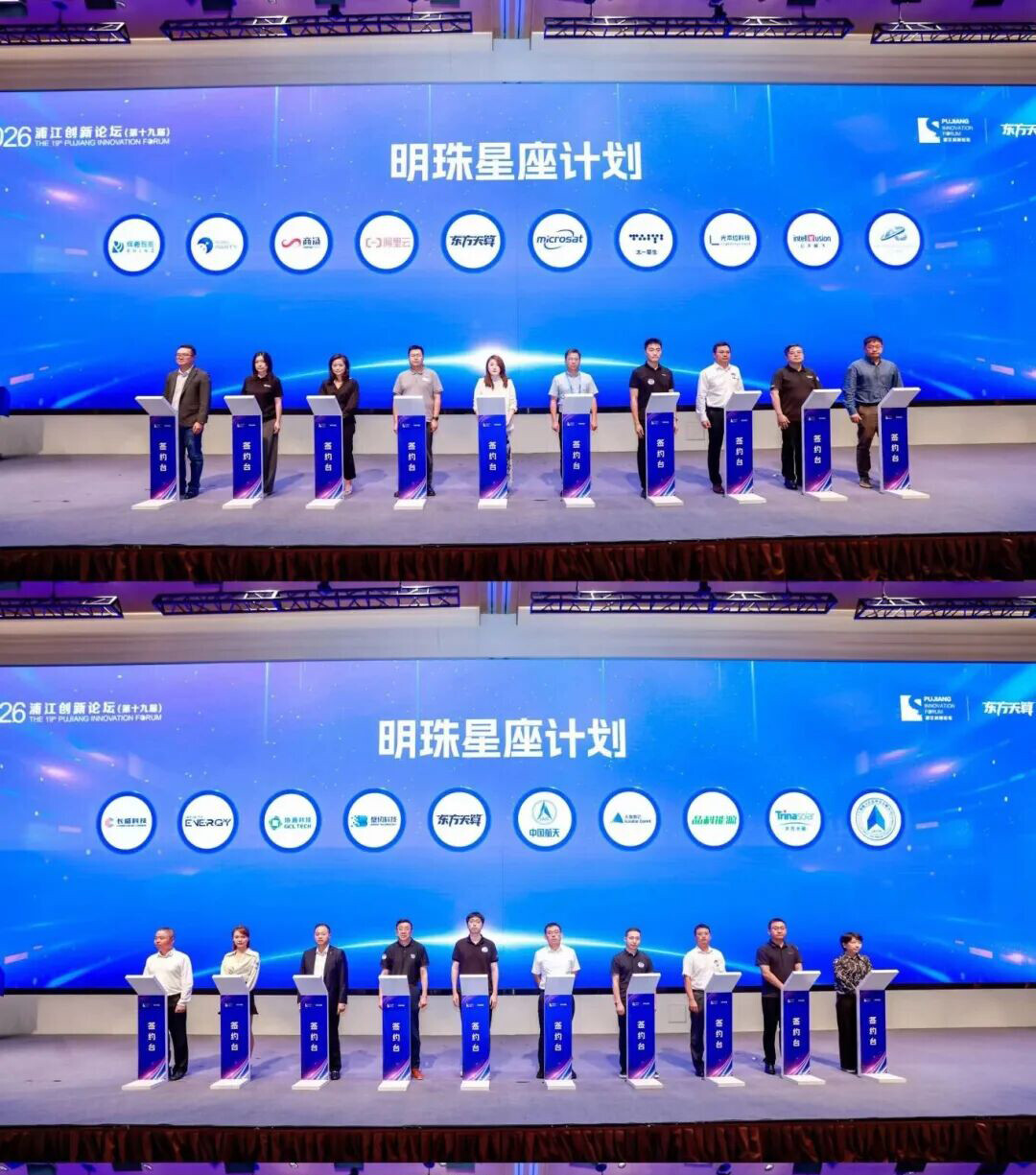
Dongfang Tian can be considered as the leading unit of the Pearl Constellation Program. The project relies on the Space Computing Laboratory of Shanghai Jiao Tong University, in collaboration with the Yangtze River Delta Space Computing Innovation Alliance and multiple ecological partners, to build a collaborative innovation system among government, industry, academia, and research. This plan adheres to full stack domestic and independent production, and collaborates with 27 industry chain institutions such as the Chinese Academy of Sciences' Micro Satellite Innovation Research Institute, Alibaba Cloud, and iFlytek to cover chips AI、 The entire energy and application chain.
SpaceX in the United States has also proposed a plan to deploy gigawatts of computing power in space. Dongfang Tianjing CEO Liu Jingjing stated that the demands for space computing power development between China and the United States are at different stages. The high power consumption pressure of data centers in the United States has forced the development of space computing power; Our country's ground computing power can still support the development of AI, and the Pearl constellation is more driven by strategic considerations.

The project adopts a three-step model of technical verification, capability iteration, and scale networking. During the technical validation phase, key technologies such as domestically produced computing payloads, optical computing payloads, and new space energy will be tested in orbit through experimental satellites. After the technical verification is completed, satellite deployment and constellation networking will gradually be carried out to continuously improve the overall computing power of single satellites and constellations, and explore applications such as on-board large models, meteorological warning, and intelligent coordination between heaven and earth.
Collaborative tackling of the entire chain
The construction and long-term operation of gigawatt level space computing power requires the coordinated cooperation of a complete industrial chain. Industry breakthroughs not only rely on single point technology, but also require the creation of an independent technology system and industrial support that integrates hardware, software, network, and services. Oriental Sky Computing collaborates with ecological partners to innovate in areas such as computing power chips, space energy, inter satellite communication, satellite platforms, computing payloads, and software services.
Dong Chaofeng from Biren Technology believes that space computing power is shifting from technology demonstrations to practical applications. Excluding energy and launch costs, the bottleneck of space computing power lies not in chip specifications, but in the problem of multi system coupling. For example, chip radiation resistance can be combined with software fault tolerance, relying on architectural innovation and communication redundancy to reduce research and development pressure.

Waiting for the industry to mature
At present, the computing power in orbit is mostly operated independently by single satellites and has not yet formed a networked cluster. Dong Chaofeng proposed that data extraction and transmission are key thresholds for commercialization, and the industry is exploring inter satellite laser communication. The networking of space computing power clusters is expected to require 2 to 3 years of industrial refinement. The short-term significance of the trillion dollar space model landing is limited, and we need to wait for technologies such as reusable rockets, inter satellite laser communication, and space energy to mature.Editor/Gong Ziwei
Comment






 Praise
 Collect
 Comment

 Share
Share


Write something~