 Search


- Paperless implementation of railway intermodal transport documents empowers cross-border logistics upgrading
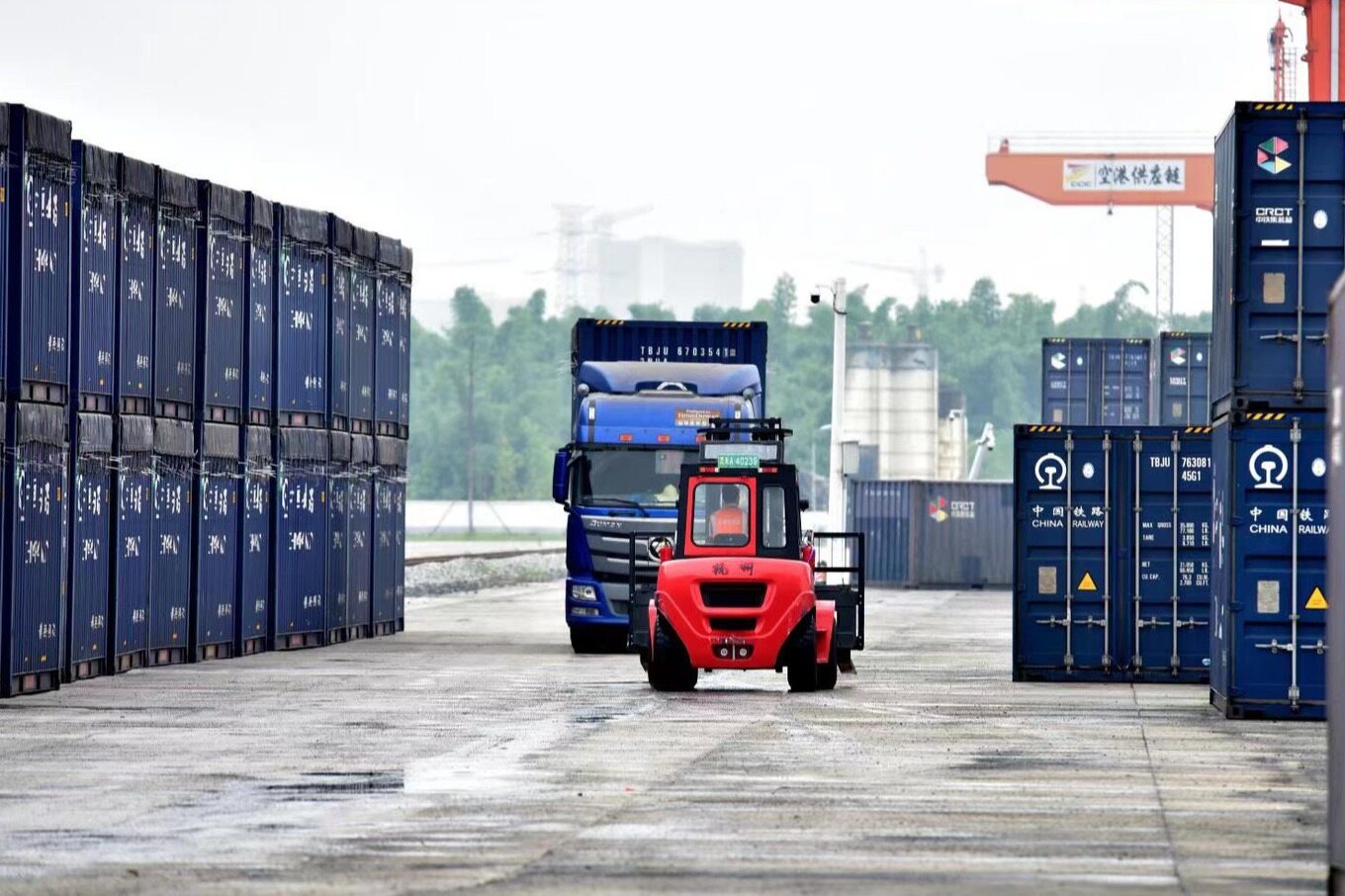
Cross border railway freight has ushered in a new digital transformation, and CR has launched a pilot program for international intermodal electronic waybills at the Suifenhe Port, completely replacing traditional paper documents. Relying on the data exchange and cooperation between China and Russia railways, the entire process of freight transportation is carried out online, greatly simplifying the cross-border handover process and laying a solid digital support for the efficient passage of China Europe freight trains.
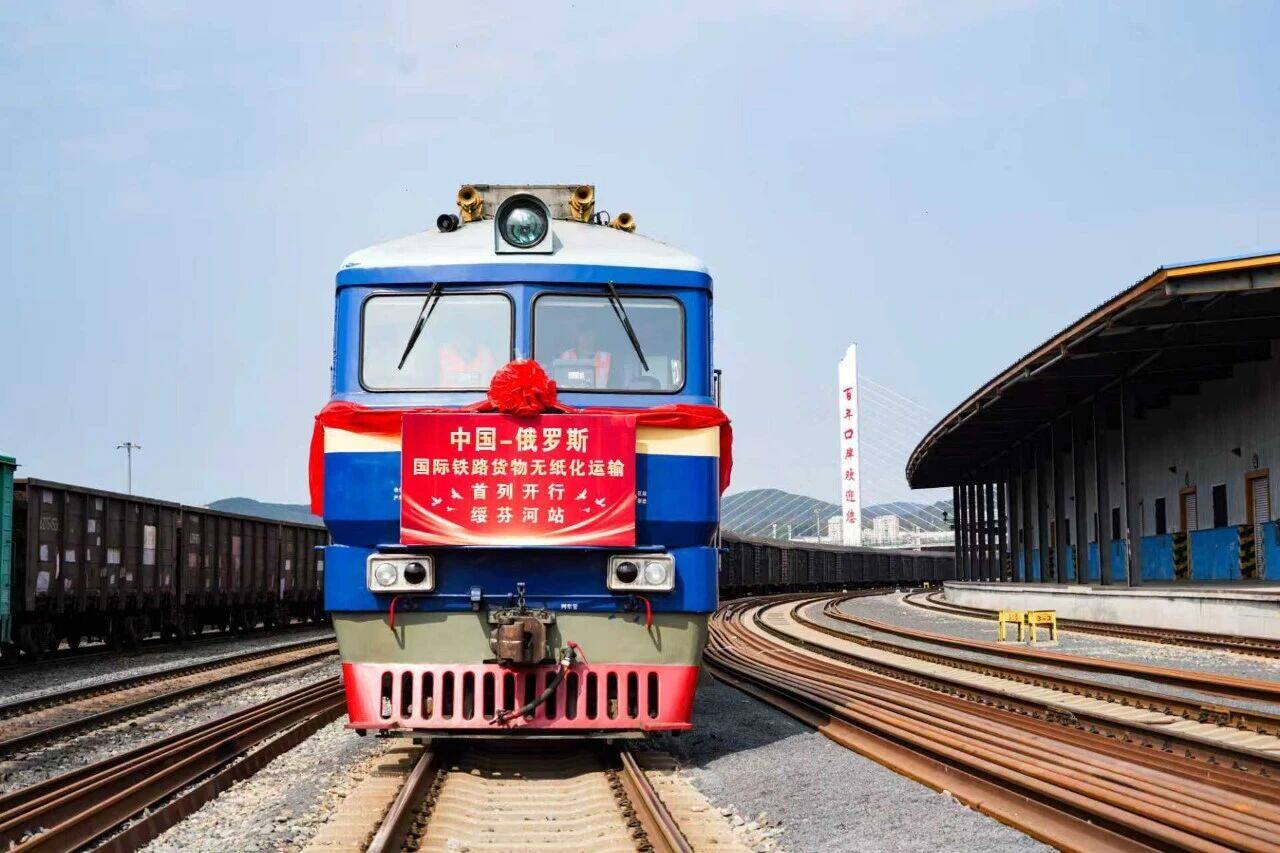
First landing order
On September 17, 2026, CR officially piloted the application of international intermodal electronic waybills at Suifenhe Port, and the first corresponding electronic waybill in the country was issued by CRHarbin. This electronic waybill carries 276 tons of industrial raw materials, departing from the Suifenhe Port Station, passing through the Grodykovo Port Station in Russia, and finally transported to the Chelyabinsk Oblast in Russia. This pilot is an important practice for deepening cooperation between China and Russia railways and promoting logistics digitization. Through multiple rounds of consultations, the two sides have broken down barriers to cross-border mutual recognition of electronic signatures and achieved legal cross-border use of electronic waybills.
Improving quality and efficiency
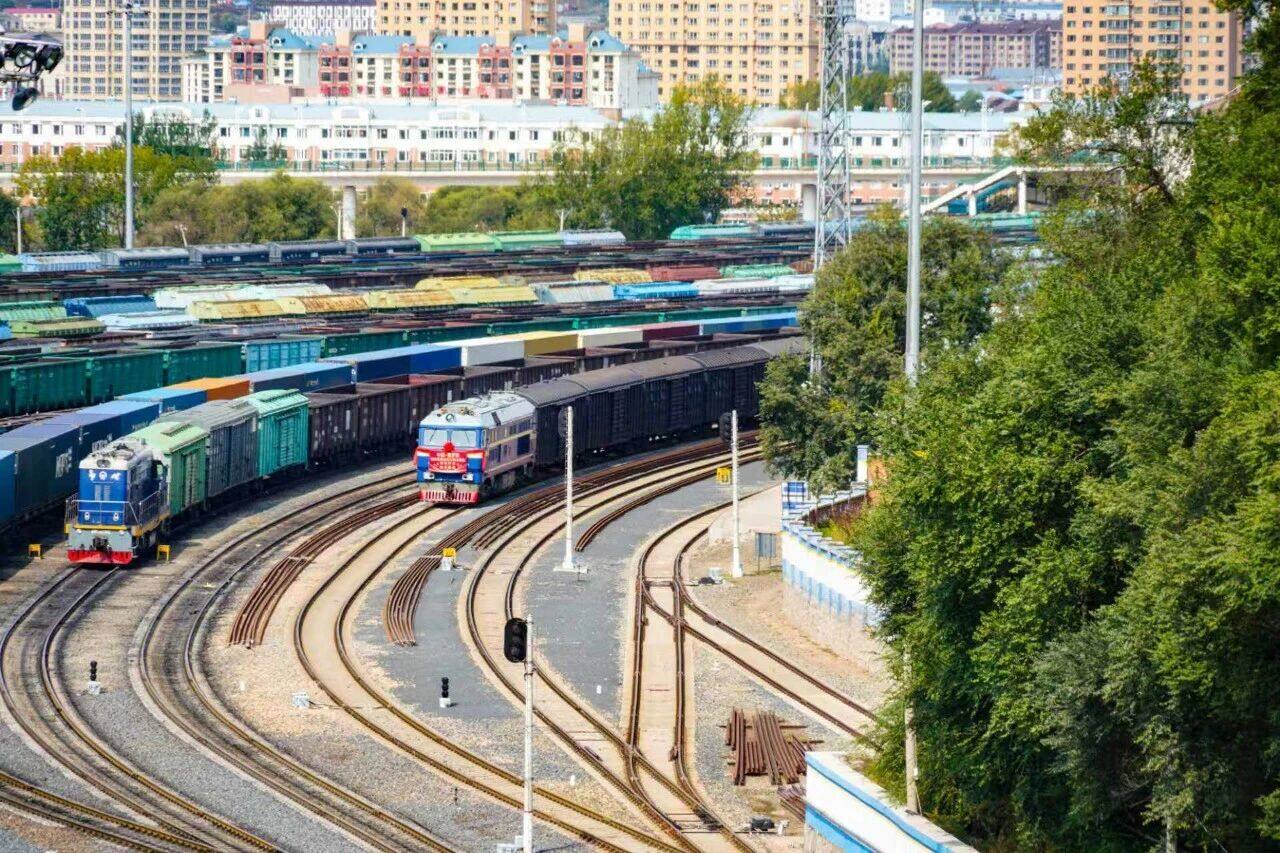
Traditional railway international intermodal transportation relies on multiple paper waybills being transmitted with the train, which has problems such as cumbersome processes, inefficient handover, and high management costs. After the pilot implementation of electronic waybills, the entire process of cargo transportation acceptance, port handover, and arrival delivery will be handled online, relying on trusted electronic data operations throughout the entire process, completely eliminating dependence on paper documents. This mode can standardize the collection of intermodal data, streamline cross-border operations, effectively reduce document transmission and management costs, and comprehensively improve the operational efficiency of cross-border railway transportation. Keywords: international intermodal electronic waybill, digital cross-border logistics
Scalability is promising
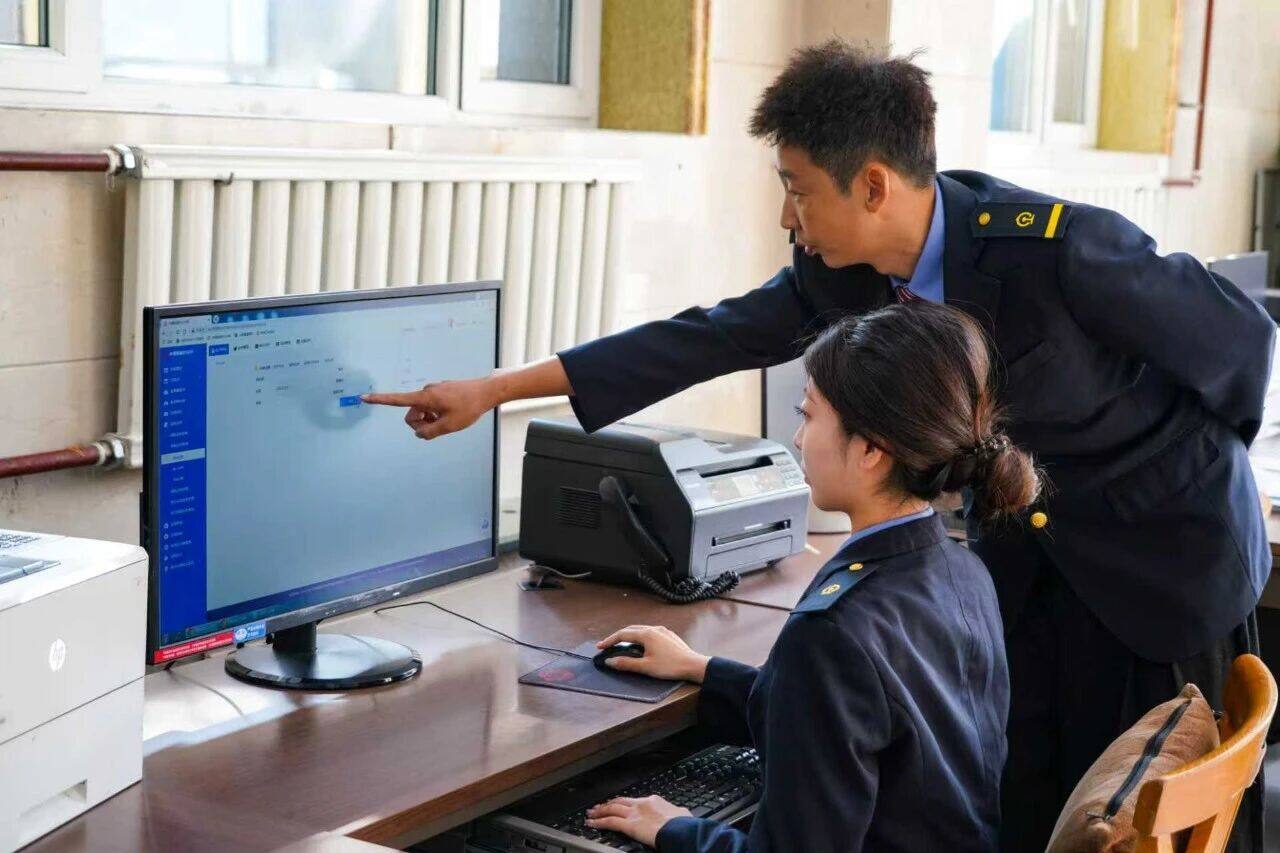
In recent years, CR has continued to promote the facilitation of international railway logistics, and has already established channels for exchanging waybill information with railway departments from multiple countries. With the support of the 95306 digital port system, electronic customs clearance has been achieved, and multiple innovative customs clearance models have been implemented and proven effective. This electronic waybill pilot was first applied to the Suifenhe Russia cross-border route, covering whole vehicle and container transportation services. Subsequent CR will optimize pilot functions, accumulate operating experience, gradually promote paperless waybill mode to ports such as Manzhouli and Tongjiang, continue to improve international logistics channels, and help to jointly build the the Belt and Road at a high level.Editor/Min Jing
Comment





 Praise
 Collect
 Comment

 Share
Share


Write something~