 Search


- Chinese energy storage solutions embedded in Southeast Asian national level power planning
- Provide replicable cooperation models for domestic energy storage going global
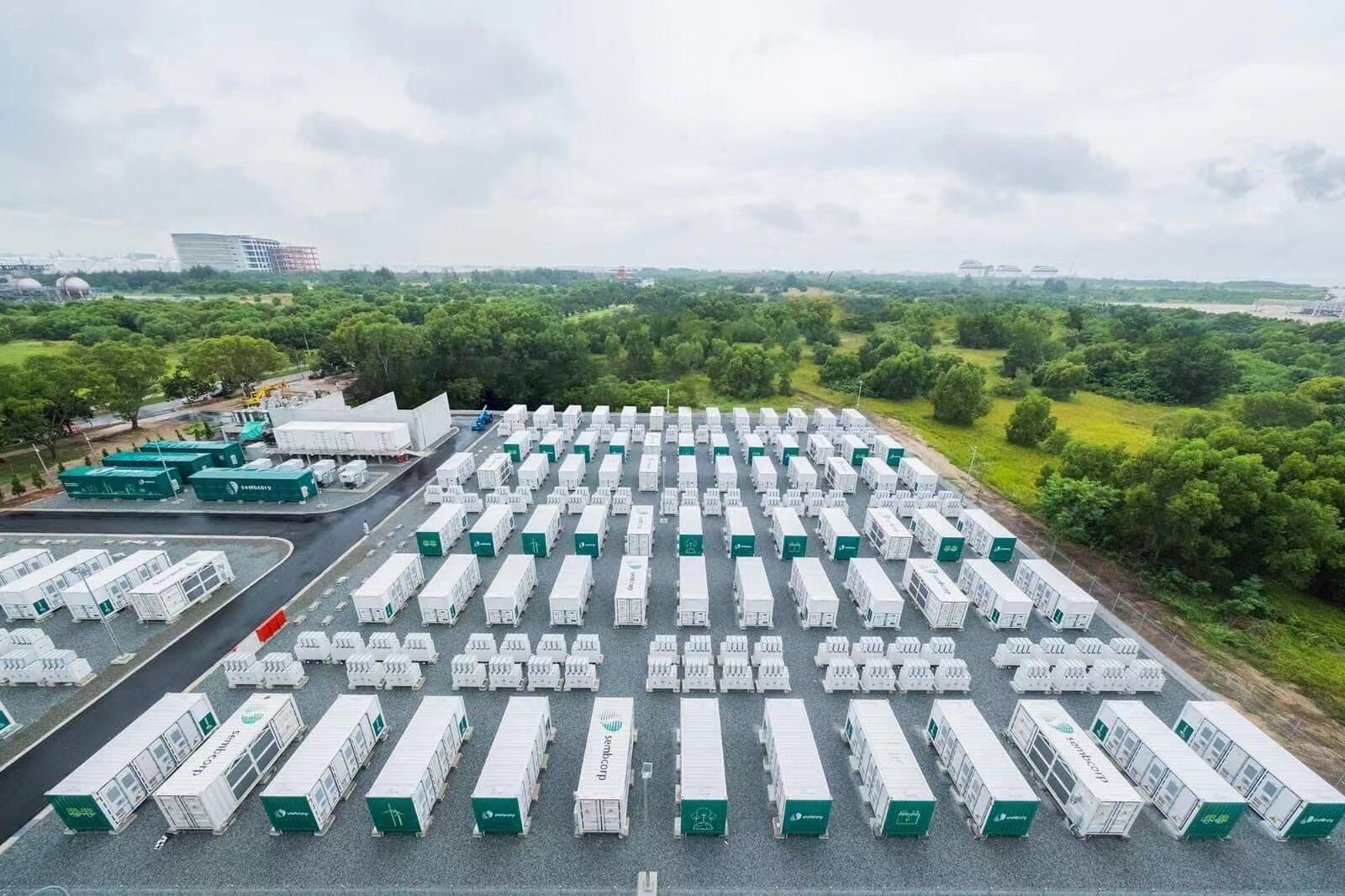
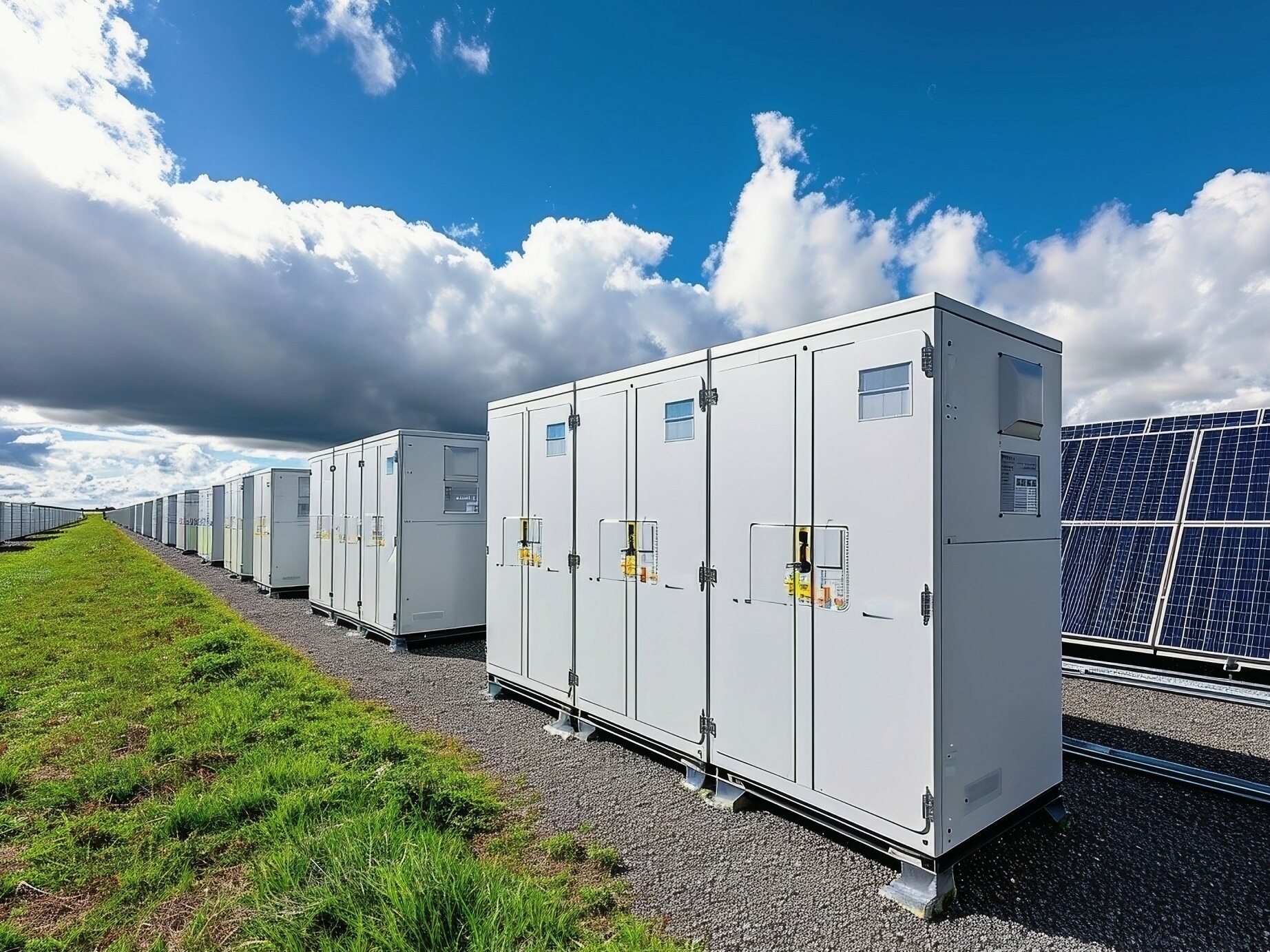
In Bahau, a small town in Sumatran, Malaysia, a rainstorm hit the border in the afternoon. Clouds covered the photovoltaic panels, and the output curve of the power grid dispatching room plummeted within dozens of minutes. Such scenes are becoming increasingly common in Malaysia and the Philippines, where photovoltaic installed capacity has rapidly increased in recent years. The answer to the difficult problem of being able to generate electricity while also being able to retain and adjust it is being written down in rows of battery containers. In September, Sunac Power signed a strategic cooperation milestone with ERS Energy, a leading photovoltaic EPC company in Malaysia. Two grid level energy storage projects were simultaneously launched in Malaysia and the Philippines, with a total scale of 1GWh.
Dual project implementation between the two countries
The MyBeST project in Bahau, Malaysia has a capacity of 441 MWh and adopts a 4-hour long-term configuration. ERS Energy serves as the EPC general contractor and is part of the national large-scale battery energy storage plan led by the Malaysian Energy Commission. The plan will launch the first round of competitive bidding in November 2024, planning four 100MW/400MWh projects with a total scale of 400MW/1600MWh. A total of 28 bids have been received, and the shortlist will not be announced until the end of 2025. ERS Energy is one of the few on the list. Entering the regulatory list is more valuable than receiving an order, as it signifies official endorsement of equipment stability, system security, and full cycle operation and maintenance capabilities.
The 556MWh project on the Philippine side also has a 4-hour configuration, serving ACEN renewable energy projects, with ERS Energy undertaking EPC work. Unlike projects in Malaysia that focus on grid flexibility and improving photovoltaic consumption, projects in the Philippines emphasize grid building capabilities, actively supporting grid voltage and frequency, and participating in wholesale electricity spot market transactions to determine charging and discharging based on market conditions. Sunshine Power provides core equipment such as energy storage systems and inverters for two projects, and undertakes system technical solution support.
Hard test questions for tropical climate
Southeast Asia experiences high temperatures and humidity, with abundant rainfall and high air humidity during the rainy season, which poses special challenges to the insulation, moisture resistance, and heat dissipation design of energy storage equipment. The Sunshine Power Energy Storage System has a large number of implementation cases in the local area. The product has been specially optimized for tropical climates and can be compatible with different power grid standards in Malaysia and the Philippines. In the Philippines, it can also adapt to the grid connection requirements of the State Grid Corporation of China.
The more crucial change is that network building is shifting from a bonus point to an admission ticket. The higher the proportion of new energy, the more the power grid needs energy storage to actively provide inertia and voltage support, rather than passively following.
The strategy of going out to sea in groups
The energy storage market in Southeast Asia is rapidly rising. Compared to Europe and the United States, the tariff threshold here is lower, project progress is faster, and regional trade agreements have further reduced energy equipment tariffs between China and ASEAN. However, there are significant differences in power grid conditions, approval processes, and grid connection standards among countries, and localized operation and maintenance capabilities are the core of project implementation.
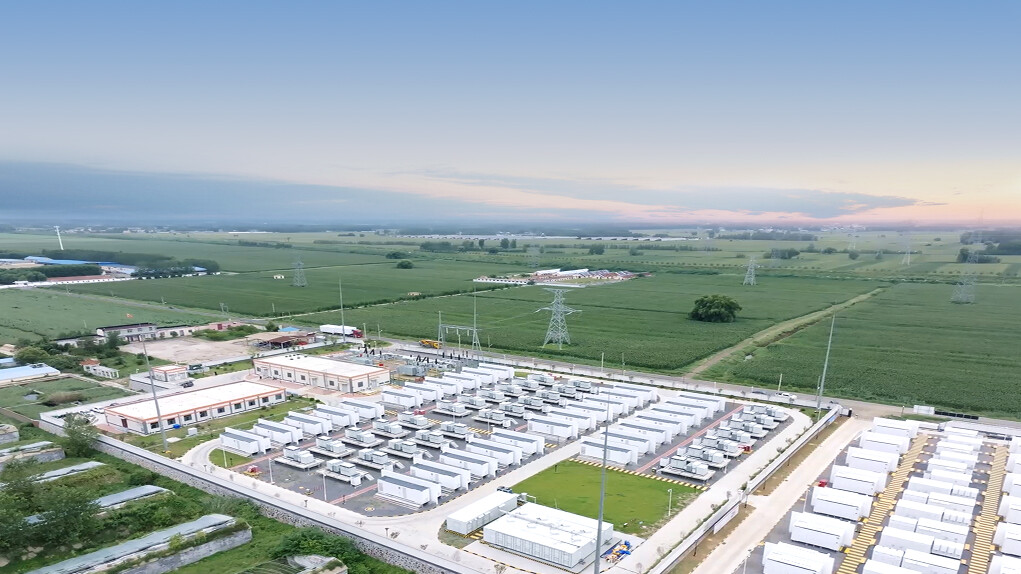
Sunshine Power has established local teams in Singapore and Malaysia to provide integrated services for equipment delivery, commissioning, and operation and maintenance; At the same time, leveraging ERS Energy's resources in project approval, grid connection, and civil engineering can effectively reduce overseas landing risks. This combination of Chinese equipment manufacturers and local EPC is becoming a mature model for Chinese enterprises to go global. Malaysia, the Philippines, Indonesia, and Vietnam have successively introduced energy storage bidding and incentive policies, and many countries have put forward mandatory storage requirements for renewable energy projects. Southeast Asia has become a core incremental market for Chinese enterprises to go global for energy storage.
As countries continue to intensify their transition to new energy, the demand for long-term energy storage on the grid side will continue to be released. This 1GWh is not just two orders, but also a landmark landing of domestic energy storage systems in the power planning of Southeast Asian countries.Editor/Yang Meiling
Comment



 Praise
 Collect
 Comment

 Share
Share


Write something~