 Search


- Chinese enterprises shift from capacity output to capability output, helping Saudi Arabia upgrade its smart factories
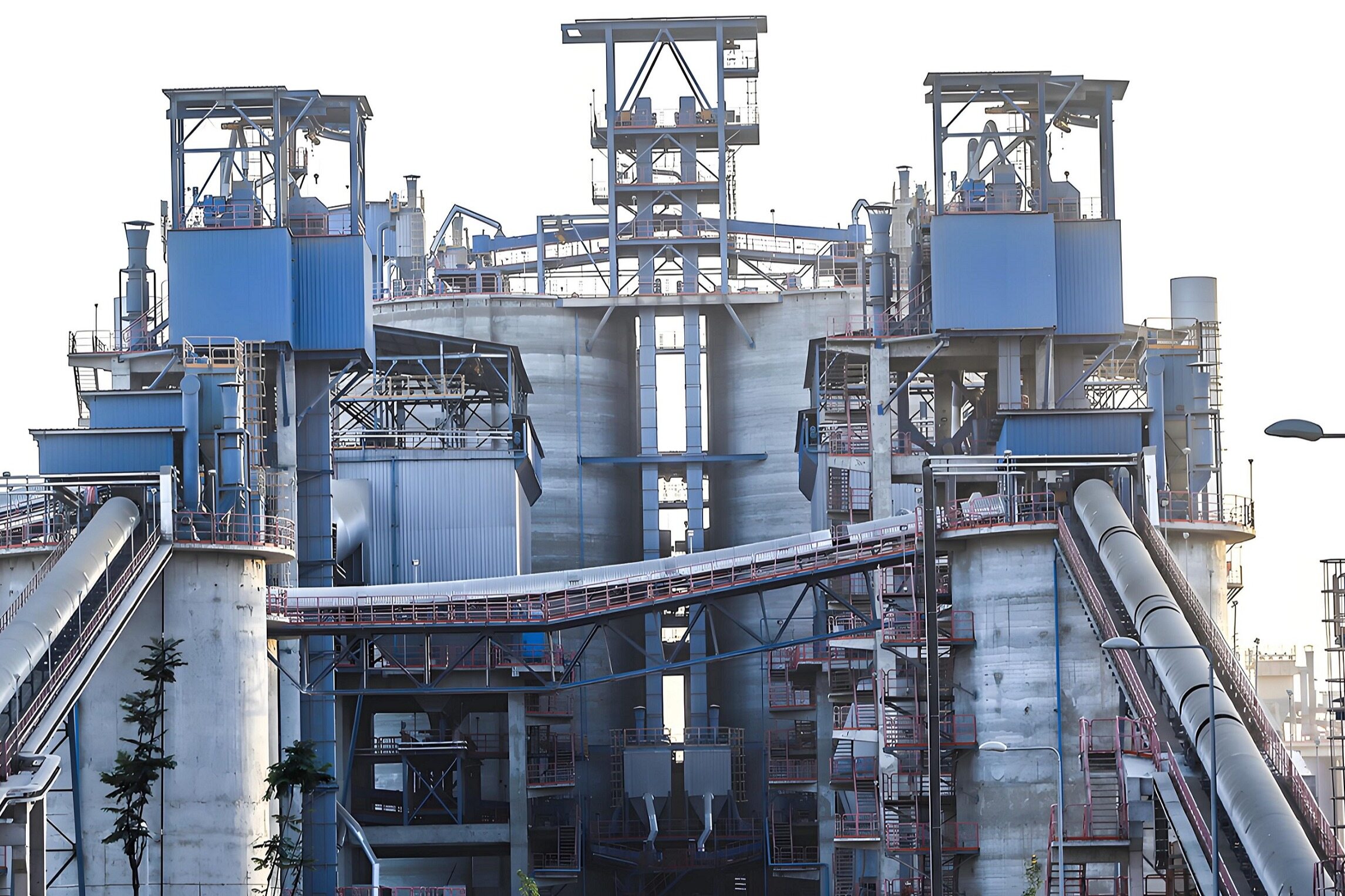
On September 14, 2026, Saudi Arabia's Riyadh Cement Company announced that it had signed a digital transformation contract for the Light House Project with Tianjin Cement Industry Design and Research Institute Co., Ltd., with a total amount of 14.9 million US dollars and a construction period of 24 months. The scope of the contract covers digital transformation, automation, process optimization, artificial intelligence, predictive maintenance, and energy efficiency optimization. This is not an order to sell equipment. Riyadh Cement has entrusted the digitization, automation, artificial intelligence, and energy efficiency optimization of the entire factory to a Chinese engineering institute for implementation. The way Chinese cement engineering enterprises go global is undergoing a qualitative change.
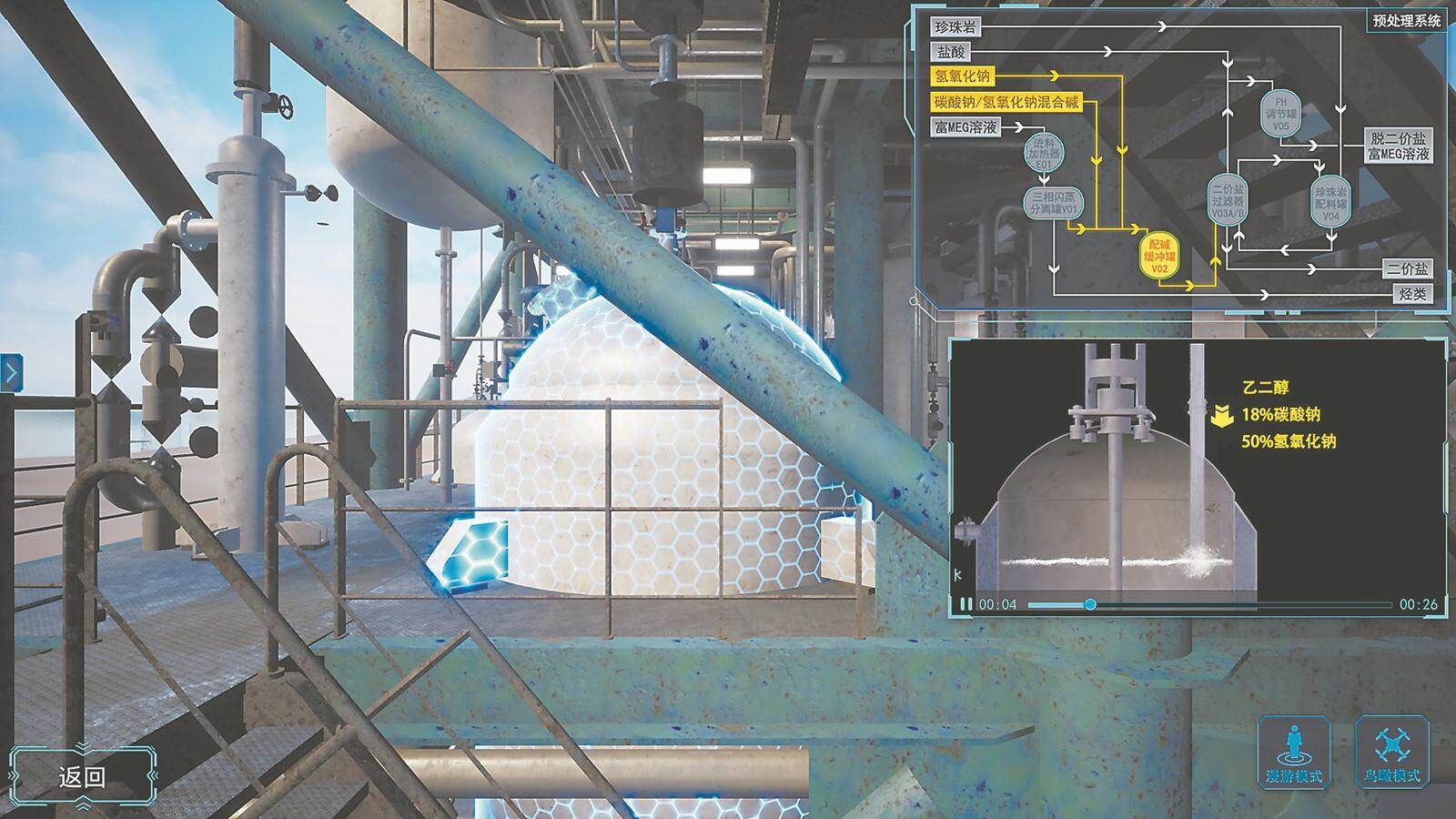
What Party A wants is a smart factory solution
14.9 million US dollars may not be considered large in the engineering circle, but the significance of this order lies in the nature of the contract: what Party A wants is not a single piece of equipment, but a complete plan to transform the old factory into a smart factory. The project name is worth noting - Lighthouse Project. Riyadh Cement has obtained seven international ISO certifications and has been recognized by the Saudi Ministry of Industry as a benchmark enterprise for industrial transformation and the application of technology in the Fourth Industrial Revolution, with the goal of challenging its status as a global lighthouse factory at the World Economic Forum. The solution chosen by such owners naturally has a demonstration effect. For Tianjin Cement Institute, winning the digital first order of this benchmark customer is expected to establish a case foundation for smart factory delivery in the Saudi heavy industry circle.

From engineering general contracting to capability output
Tianjin Cement Institute is a leading institution in the field of cement engineering in China. In the past few decades, Chinese companies have gone global by building cement production lines. In this case, Tianjin Cement Institute brought digital solutions to transform the existing production line of an old Saudi cement plant. This is a turning point for Chinese enterprises to expand their industrial services overseas. Selling production lines is a one-time project, while selling digital capabilities is continuous service. The former relies on scale, while the latter relies on technical expertise, premium, and repurchase stickiness. The core competitiveness of Tianjin Cement Institute comes from its deep understanding of cement technology. By combining this advantage with industrial software, it is equivalent to transforming the understanding of technology into the ability to deliver smart factories. Its independently developed digital full lifecycle management platform has served 48 countries worldwide. Keywords: the Belt and Road news and information, enterprise going to sea, digitalization
Saudi Heavy Industry Digital Chassis
This is not an isolated incident. Saudi Arabia will launch its national industrial strategy in 2022, aiming to increase the number of factories from over 10000 to 36000 by 2035, with 4000 achieving fully automated production and releasing over 800 investment opportunities worth approximately $267 billion. Cement is just the starting point, while steel, petrochemicals, and building materials are the process industries with the greatest energy and cost pressures, being driven by the same wave of digitization. Saudi Arabia is the largest cement market in the Middle East, with a scale of approximately 3 billion US dollars by 2025, having about 20 factories and an annual production capacity of over 80 million tons. The huge existing production lines are a natural pool for digital transformation. The Saudi Arabia Manufacturing Localization Plan provides up to 75% financing support for some industrial projects, leaving room for joint ventures and subcontracting cooperation for Chinese enterprises that can bring technology and solutions. The demonstration effect of the lighthouse project is more important than the contract amount. If successfully implemented, Tianjin Cement Institute will obtain a replicable case of digital transformation of Saudi heavy industry.Editor/Gao Xue
Comment





 Praise
 Collect
 Comment

 Share
Share


Write something~