 Search


- New channel for Guinea bauxite mine to go global has been put on the agenda
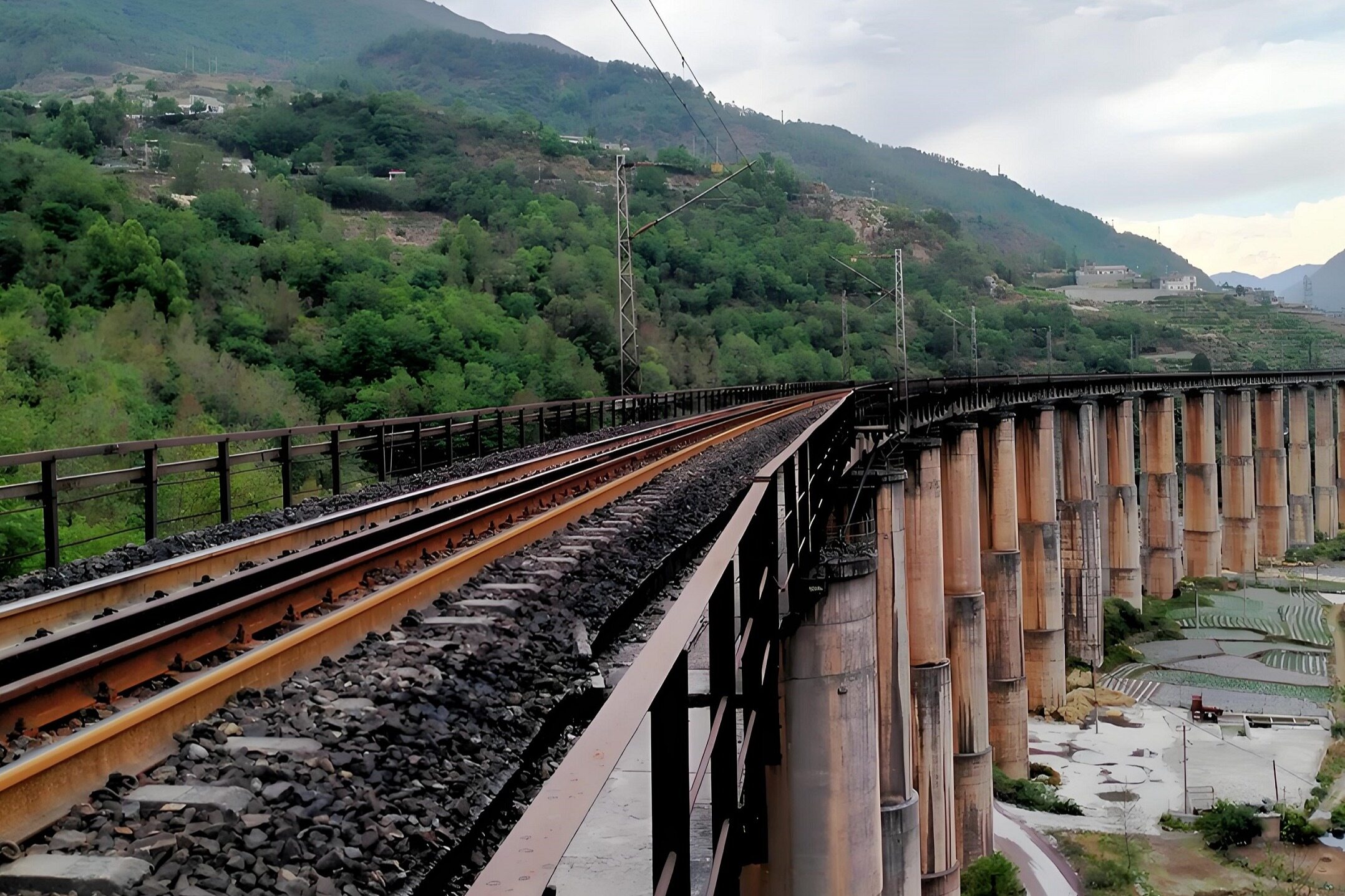
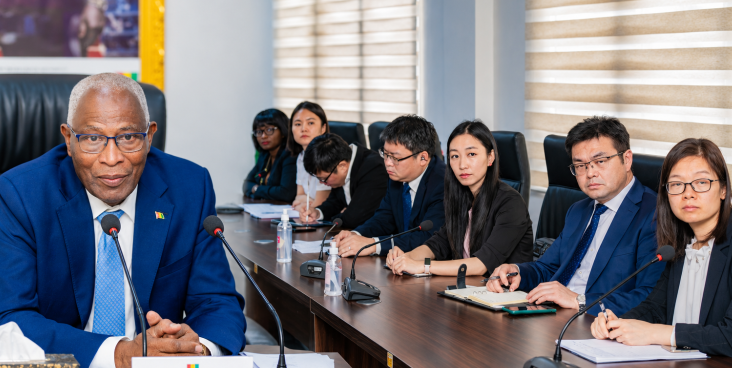
On September 17, 2026, the Prime Minister's Office of Guinea announced that a Chinese enterprise consortium led by State Power Investment Corporation and China Aluminum Corporation introduced the Guinea Grand Corridor project to Prime Minister Amadou Uriba. The total investment estimate proposed by the consortium exceeds 3 billion US dollars. The plan is to connect the Sangtu mining area and Weijia Cape, build about 160 kilometers of railway and a deep-water port that can accommodate 200000 ton ships. The estimated annual bauxite transportation capacity of the entire transportation chain is about 77 million tons. The government of Guinea has expressed its welcome for this proposal and announced the formation of a negotiation team. For local mining companies and Chinese engineering and equipment enterprises, this progress has put a new transportation channel on the government's negotiation agenda.
Simultaneous construction of railways and deep-water ports
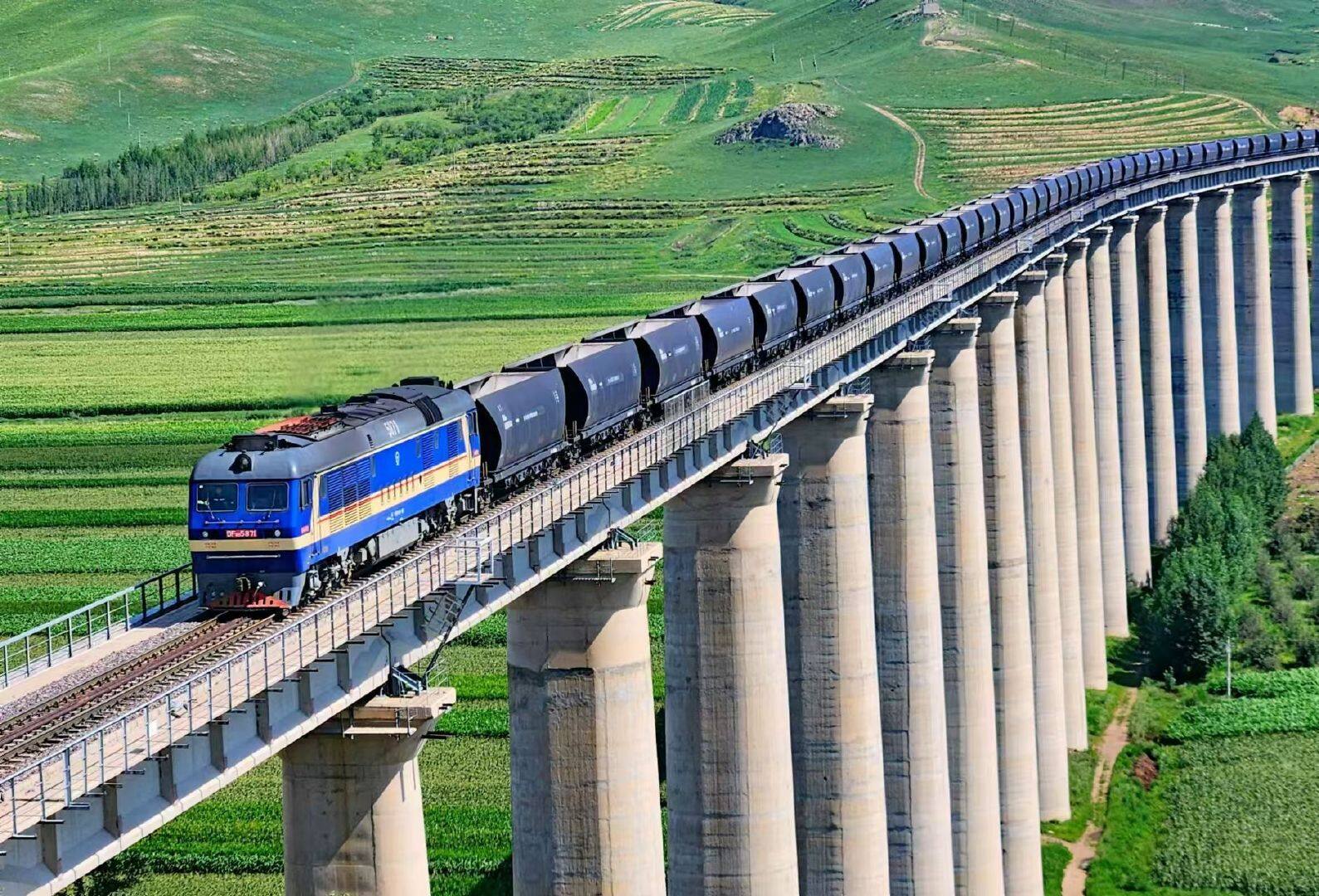
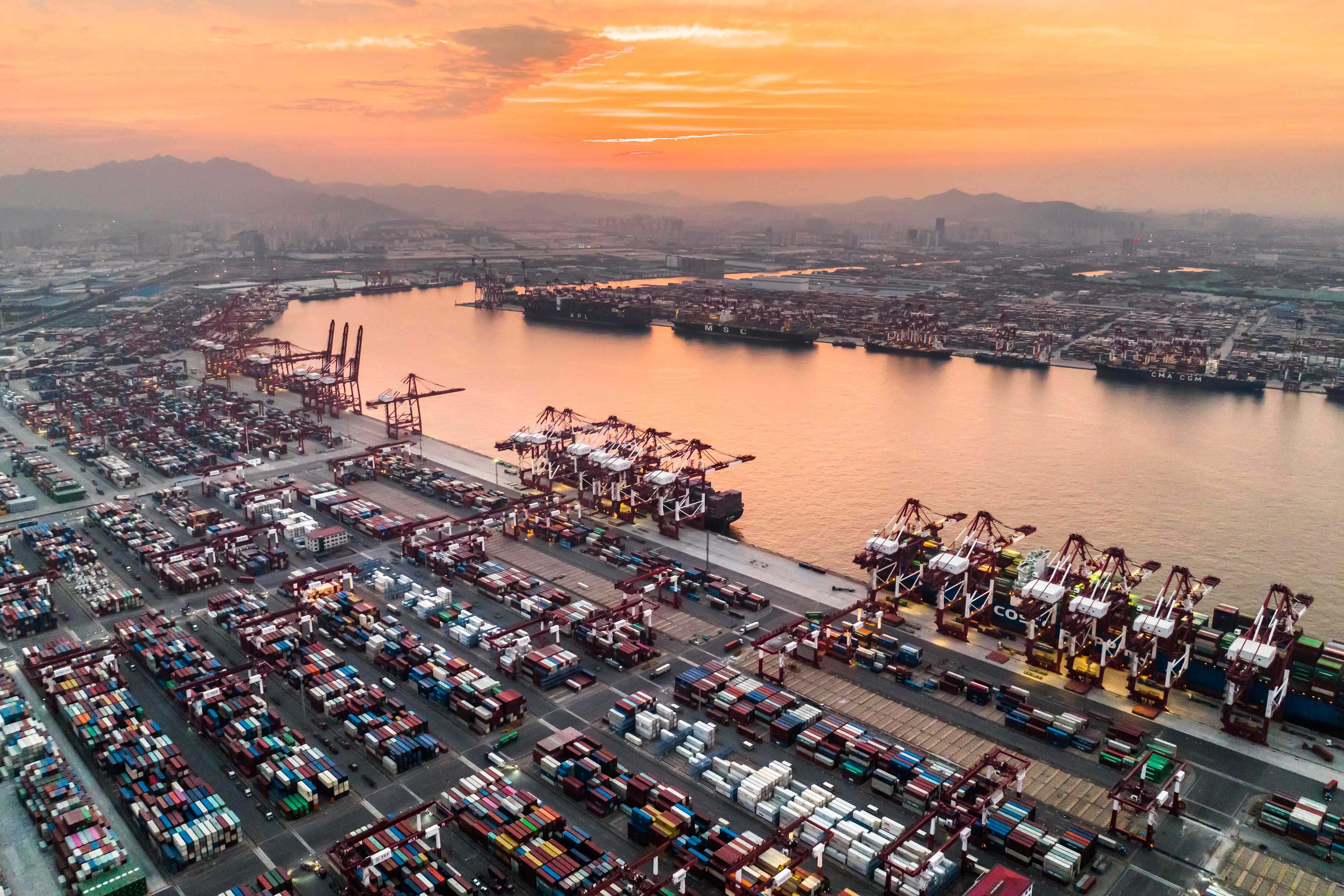
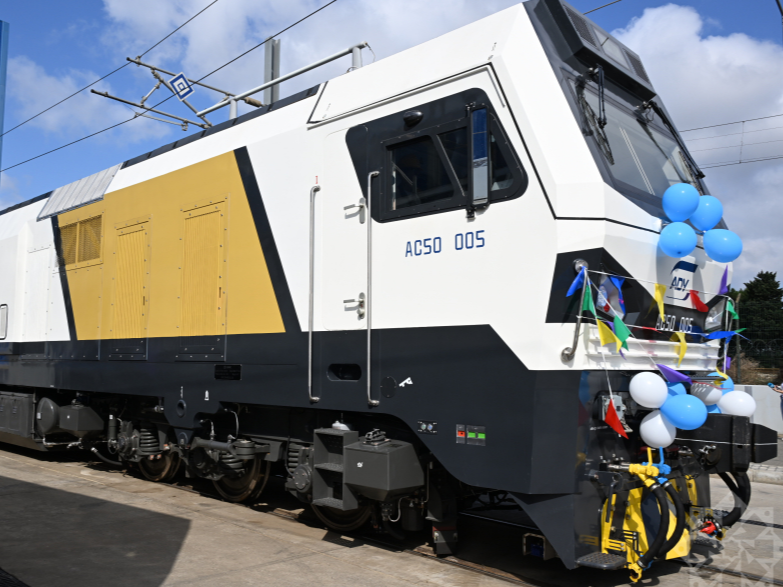
The inland end of this corridor is Santu, and the coastal end is Cape Vega. The consortium proposes to construct a railway of approximately 160 kilometers, along with a deep-water port capable of accommodating vessels of 200000 tons. The estimated annual export capacity of bauxite for the entire transportation chain is approximately 77 million tons. The announcement from the Prime Minister's Office also revealed that the railway and port are planned to be constructed simultaneously, with a construction period of 48 months. The significance of putting two projects on the same schedule is to enable the connection between ore arrival at the port and loading onto ships for export: the railway must have transportation capacity first, and the port must also have corresponding unloading, storage, and loading capabilities before the entire channel can be put into use. At present, the project is in the stage of introducing the plan to the government and preparing for negotiations. The proposed construction period is 48 months, and the specific start date and operation date are still waiting to be determined.
The transportation volume depends on the connection between the mine and the port
The 77 million tons refer to how much ore can be transported out of the proposed channel in a year, and how much can be truly transported. It depends on how much the mines along the route can produce, whether they are willing to hand it over to this channel, and whether the railway and port can actually complete the transportation tasks. The consortium proposed to serve several mining areas in central and western Guinea. The next question that affects commercial value is which mines can be connected, how much transportation can each company receive, and what standards should be used for payment. The access methods, capacity allocation, and charging conditions of third-party mining enterprises still need to be clarified. If the surrounding mining companies are allowed to use it in the end, this corridor may become a new option for them when comparing transportation plans. Keywords: the Belt and Road news network, enterprise industry, railway, port
Government negotiations and division of labor among enterprises
The Prime Minister of Guinea announced that the Prime Minister's Office will coordinate the formation of a cross departmental team to negotiate with a consortium of Chinese companies, including mining, transportation, environment, infrastructure, and energy. The Prime Minister requested that discussions be initiated as soon as possible. This arrangement outlines the next steps for government coordination, including how the consortium will invest internally, which company will construct and operate the railway port, and how each party will bear the costs. Further clarification is needed on the subsequent arrangements. For mining companies, the most worthwhile follow-up is the access and transportation volume agreement; For engineering enterprises, they are concerned about who will contract for railways and ports, and how contracts will be divided; For equipment companies, railway vehicles, ore conveying, stacking and loading equipment are potential supply links that can be tracked based on the proposed project. What needs to be followed up next are several specific arrangements: who will invest and operate, which mines will agree to supply, and how the railway port will be contracted.Editor/Gao Xue
Comment


 Praise
 Collect
 Comment

 Share
Share


Write something~